Master autonomy purpose — in this article, I present a slightly different way of viewing agile maturity, through Dan Pink’s lens of Mastery, Autonomy, and Purpose; as a simple and useful way of fostering conversations and ensuring all relevant perspectives are considered.
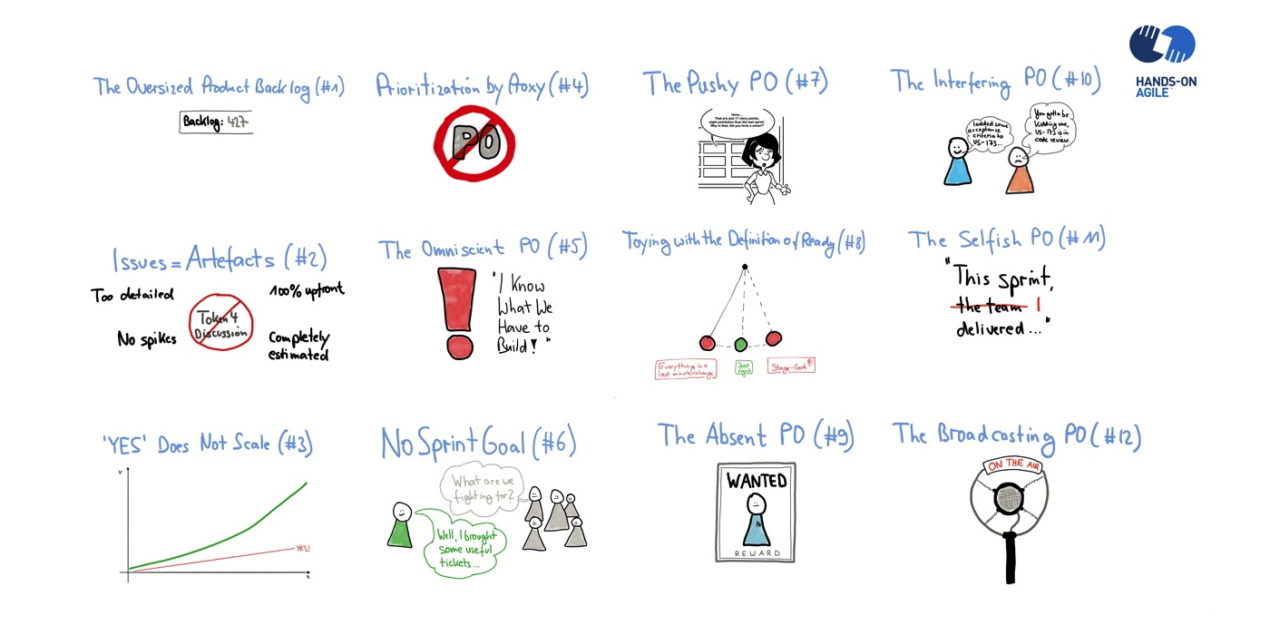
The sixth Hands-on Agile webinar product owner anti-patterns addresses 12 ways to improve a product owner’s skill set. Learn also when you — as the scrum master or scrum team — should reach out to your product owner and offer support.
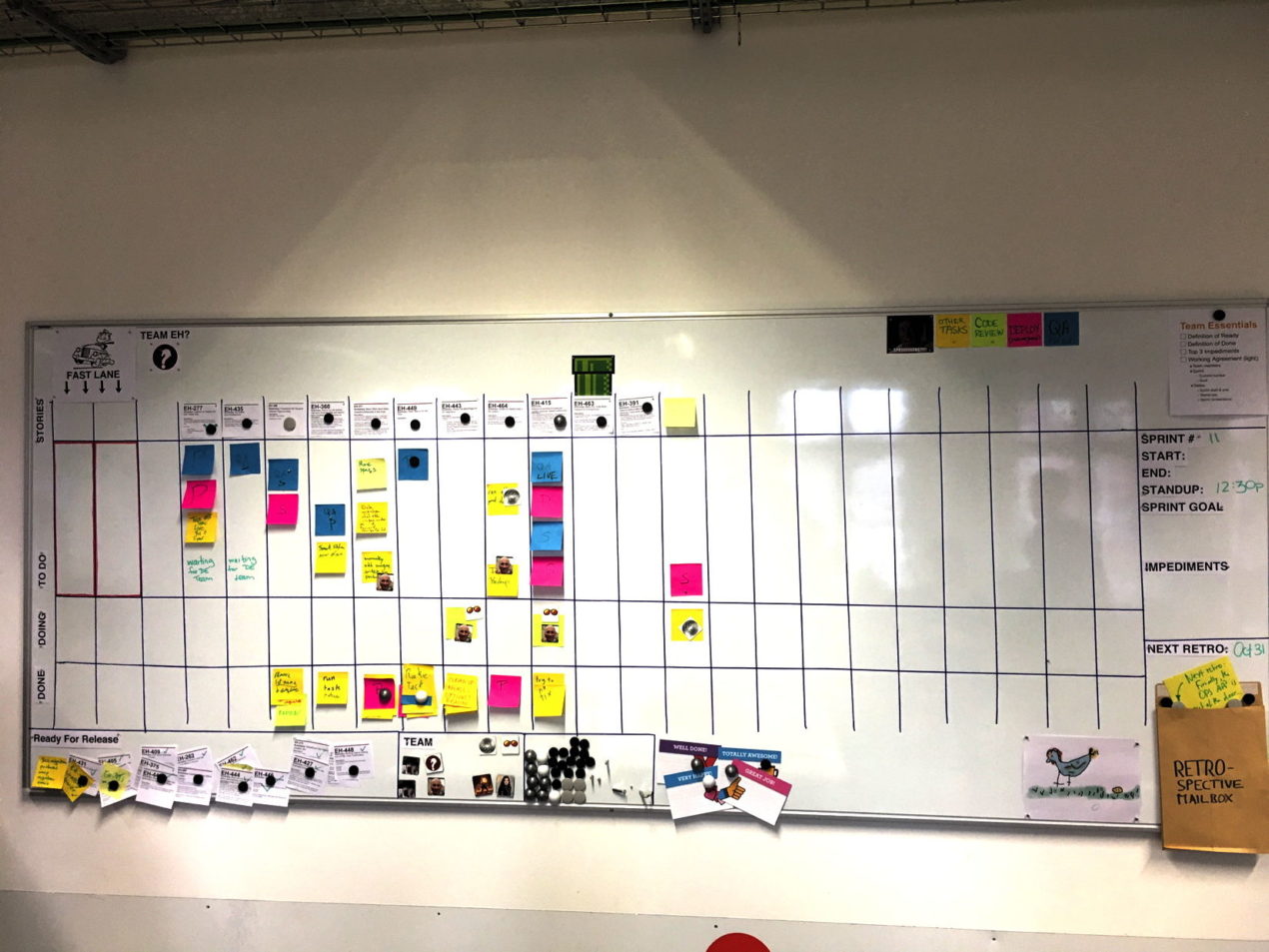
Learn how to create whiteboards: Whiteboards are magic as they support foundational agile principles such as interaction, collaboration, face-to-face communication, or transparency. They facilitate adapting to change, continuous improvement, and the self-organization of the team. You can create meaningful software with a few index cards, pins (or magnets), pencils, and drywall—you do not need Jira or any other agile process management tool.
The third Hands-on Agile webinar product backlog anti-patterns covers common problems from out-dated and oversized tickets to the part-time proxy product owner and his or her idea repository. Learn more about the numerous product backlog anti-patterns that can manifest themselves when you try to create value for your customers and your organization.
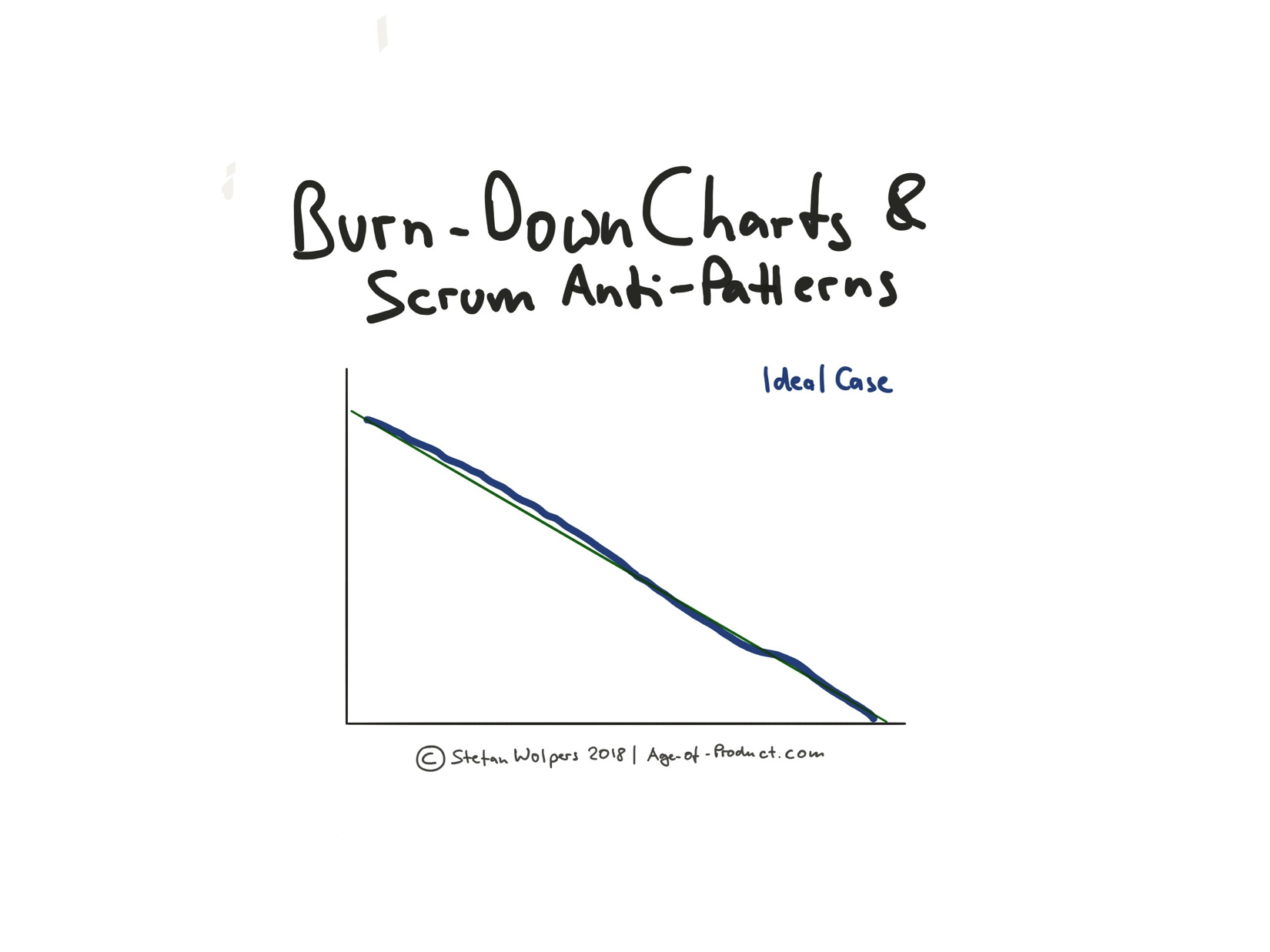
TL;DR: Use Burn-Down Charts to Discover Scrum Anti-Patterns
A burn-down chart tracks the progress of a team toward a goal by visualizing the remaining work in comparison to the available time. So far, so good. More interesting than reporting a status, however, is the fact that burn-down charts also visualize Scrum anti-patterns of a team or its organization.
Learn more about discovering these anti-patterns that can range from systemic issues like queues outside a team’s sphere of influence and other organizational debt to a team’s fluency in agile practices.
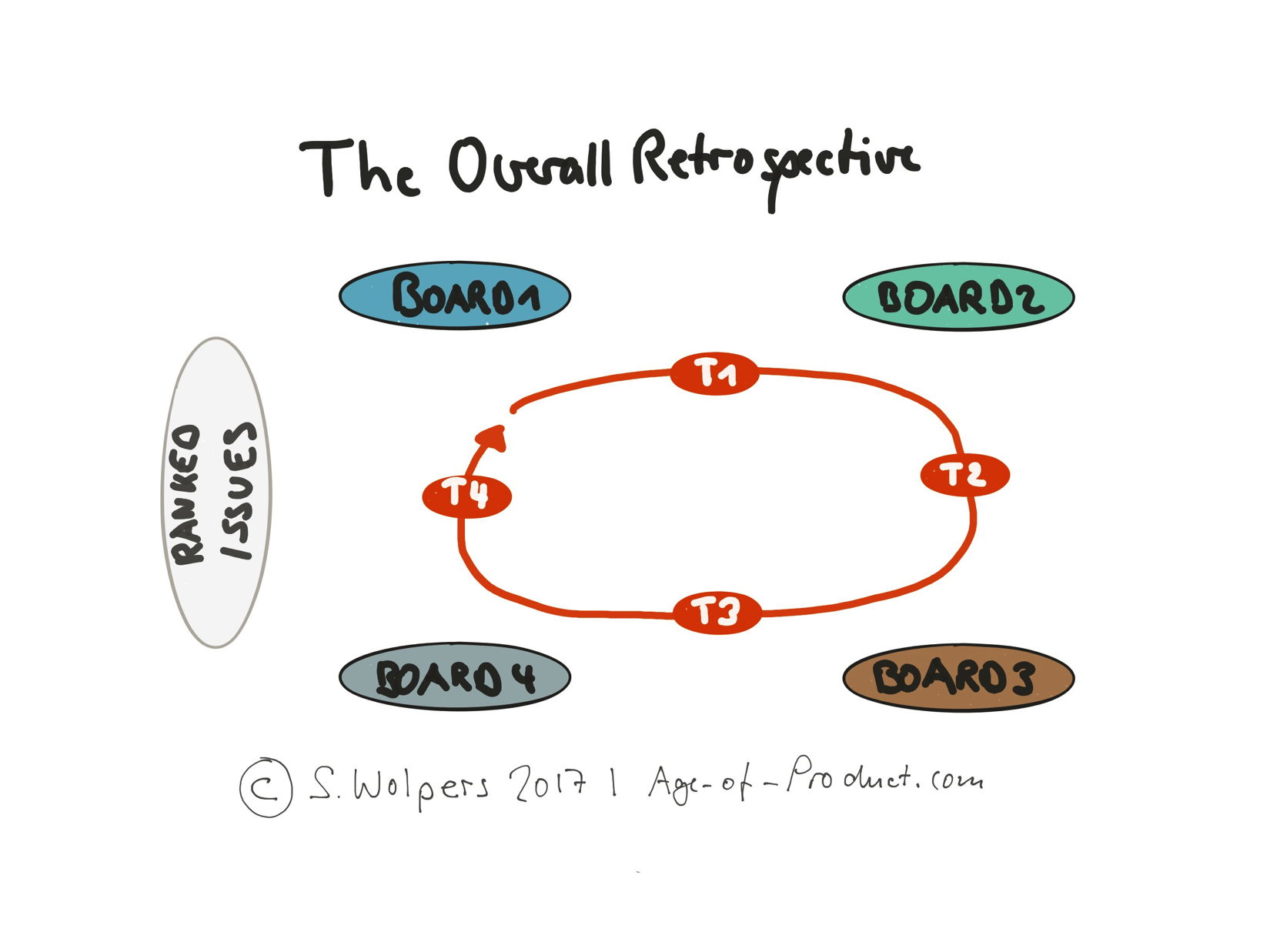
After rebuilding an existing application on a new tech stack within time and under budget our team had an overall retrospective with stakeholders this week to identify systemic issues. We found more than 20 problems in total and derived eight detailed recommendations the organization will need to address when moving forward to the next level of agile product creation.
Read on and learn how we achieved this result in under two hours with an overall retrospective attended by 16 people.