by Stefan Wolpers|Agile and ScrumAgile TransitionWebinars
TL;DR: Webinar #7: Scrum Sprint Anti-Patterns
The seventh Hands-on Agile webinar Scrum Sprint Anti-Patterns analyzed 12 ways a Scrum team can improve its effectiveness by avoiding typical sprint anti-patterns. Learn more about gold-plating, delivering Y instead of X, absenteeism, side-gigs, and organizing people instead of the flow of work.
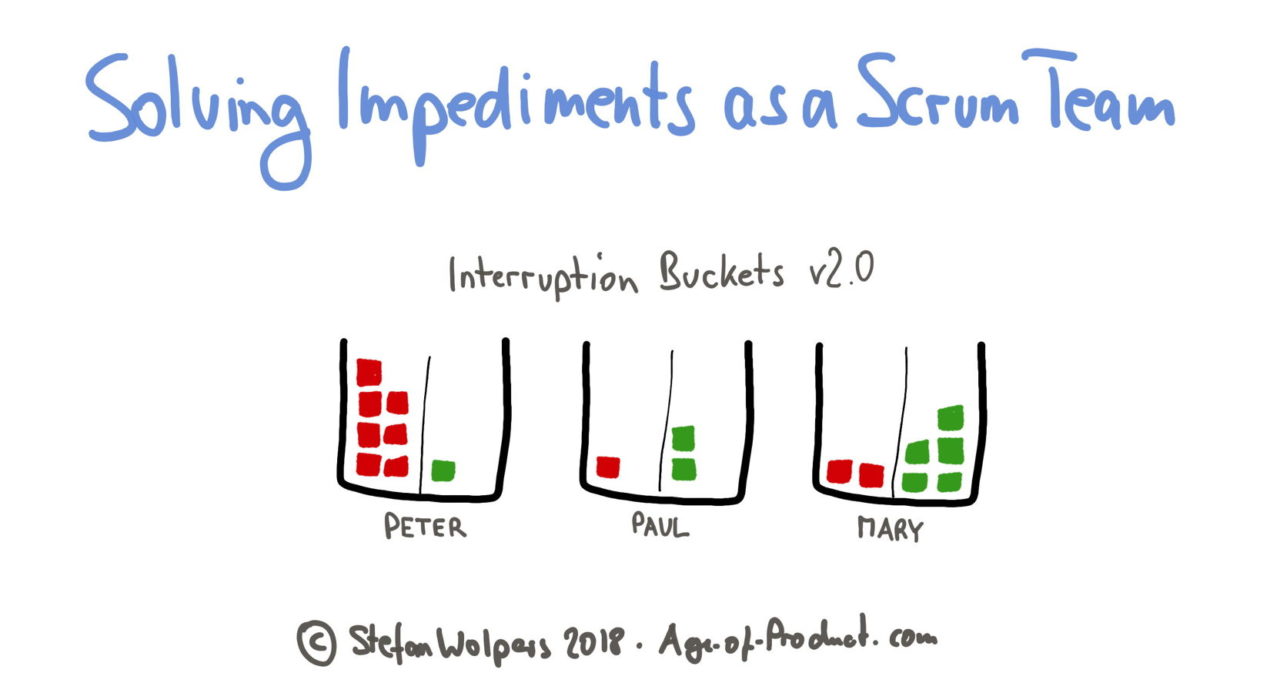
The main message of the retrospective was clear: there are too many interruptions by stakeholders and senior management. The interruptions impeded the flow of work through the team. Consequently, achieving the sprint goal had been at risk several times in the past. Moreover, the team missed the sprint goal twice recently. Solving impediments as a team has become a necessity.
Learn more on how to tackle impediments as a team by running experiments and iterating on the solution.
No matter if you are a Scrum Master or an agile coach, sooner or later, you will run into a problem that’s outside of the team’s sphere of control. The question is: How do you solve impediments of this kind? What approach has worked best for you in the past?
Barry Overeem, Christiaan Verwijs and I teamed up to provide some transparency in this matter and share your best techniques and approach with the agile community. All it takes to contribute is five minutes of your time to participate in the anonymous ‘how to solve impediments’ survey. (We expect results to be available in November.)
TL;DR: Webinar Agile Maturity and Agility Assessment
Is agile maturity a fad or a trend? How can an organization make an informed decision on what level of agility might become achievable before starting a transition?
Our second webinar addressed the question of agile maturity and detailed the survey results on what indicates an agile organization. Moreover, we introduced the ‘Agility Assessment Framework’ open source project which aims to provide agile practitioners with the tools needed to answer these questions.
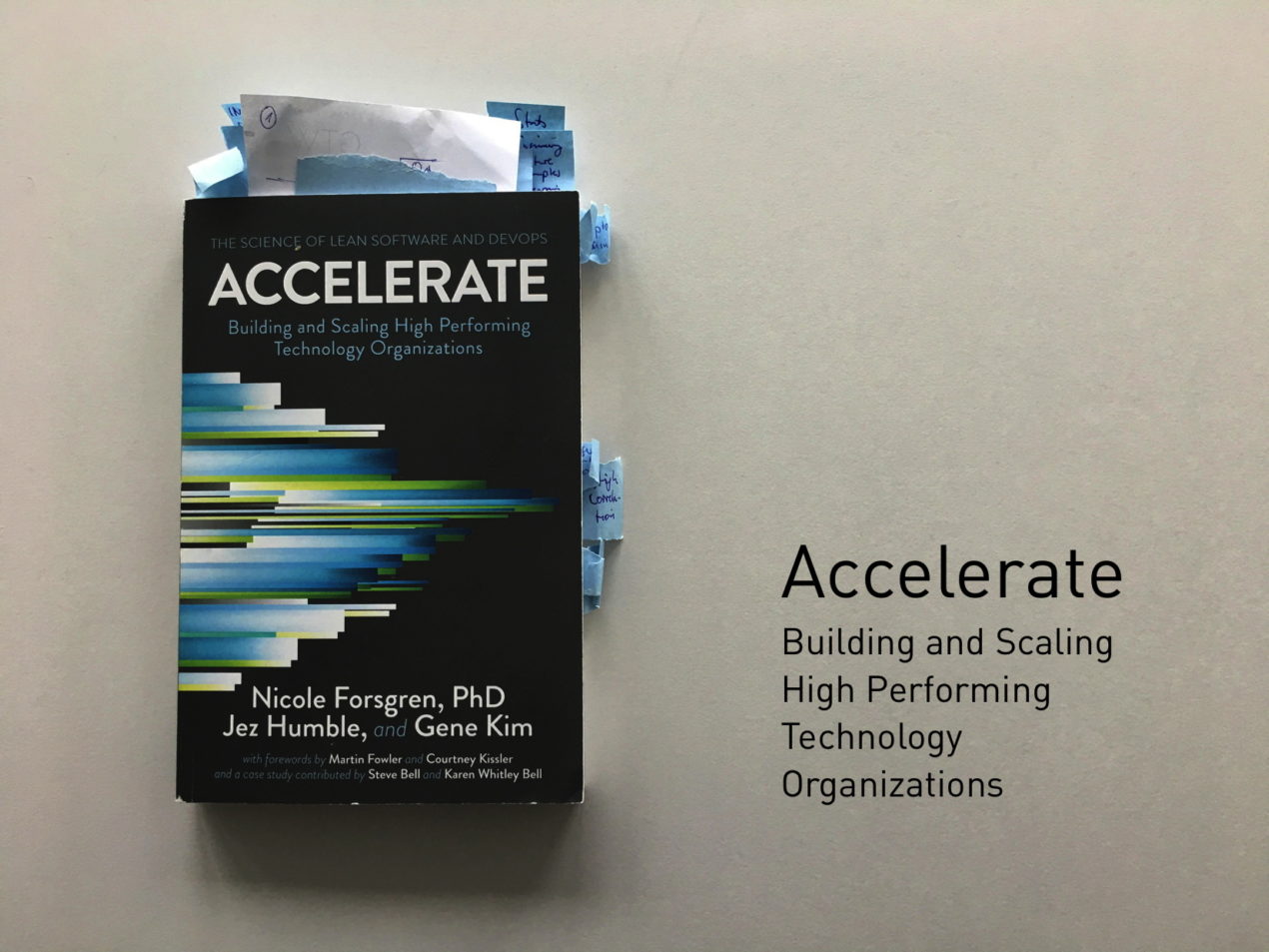
“Accelerate” [advertising] is a must-read book for anyone involved in building agile organizations and teams. It lays out a path to success based on a statistical analysis of data. It also puts an end to the popular narrative that ’becoming agile’ is somehow a fuzzy process. The data shows that there are patterns at all levels that successful agile organizations share.