Scrum Master Duties: supposedly, a great scrum master serves only one scrum team — that’s at least a popular narrative in the scrum community. Nevertheless, there is also a loud voice that doubts that approach: what would you do the whole day – with a single team? Aren’t they supposed to become self-organizing over time? And if so, does the scrum then need a scrum master 24/7?
As I worked for years as a product owner on scrum teams without a dedicated scrum master-which was working well-I was curious to learn more about that question, too. Hence I ran a survey in late June and early July 2018, the results of which are presented here.
In total, 261 scrum masters participated in this non-representative survey in the two weeks before July 5th, 2018. 19 participants chose not to provide their consent to Google processing and to store their answers. Hence their contributions were deleted, resulting in a sample size of 242 responses.
Master autonomy purpose — in this article, I present a slightly different way of viewing agile maturity, through Dan Pink’s lens of Mastery, Autonomy, and Purpose; as a simple and useful way of fostering conversations and ensuring all relevant perspectives are considered.
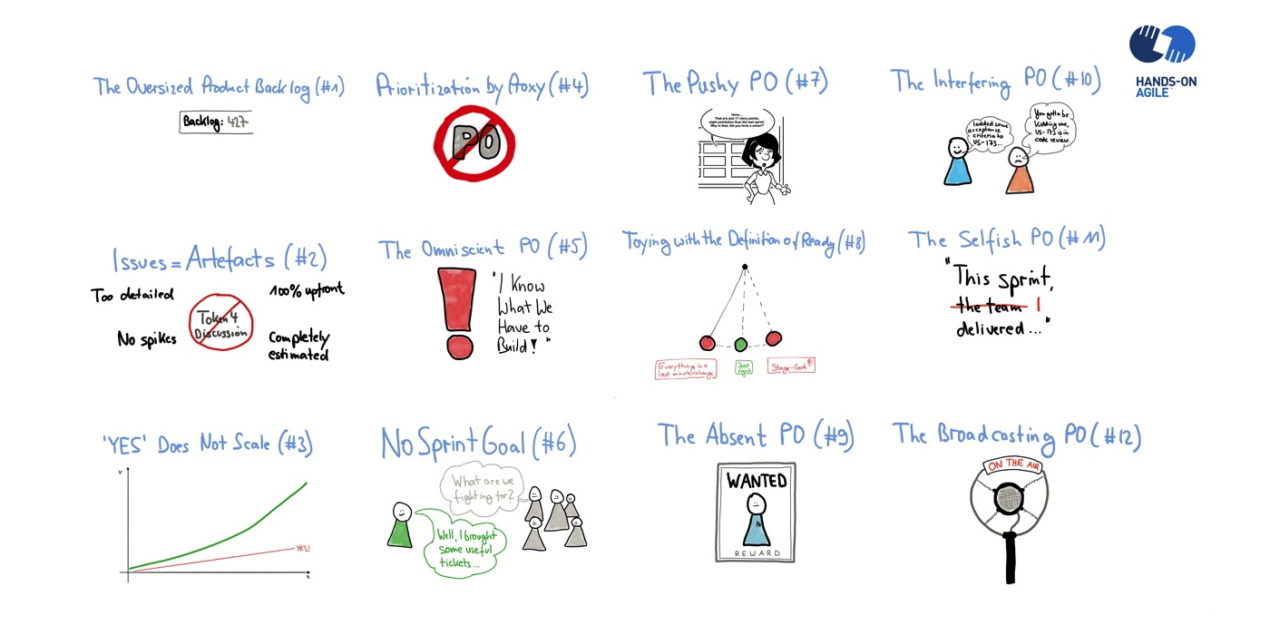
The sixth Hands-on Agile webinar product owner anti-patterns addresses 12 ways to improve a product owner’s skill set. Learn also when you — as the scrum master or scrum team — should reach out to your product owner and offer support.
Webinar Sprint Planning: The purpose of Scrum’s sprint planning is to align the development team and the product owner. Both need to agree on the shippable product increment of the next sprint. The idea is that the development team’s forecast reflects the product owner’s sprint goal. Also, the team needs to come up with a plan on how to accomplish its forecast.
Easier said than done, it appears. Therefore, the fifth Hands-on Agile webinar addresses common sprint planning anti-patterns. Learn how to keep a simple scrum ceremony useful by avoiding typical mistakes, from pushy POs, toying with the definition of ready to obstructing the future flow by pushing utilization to 110%.
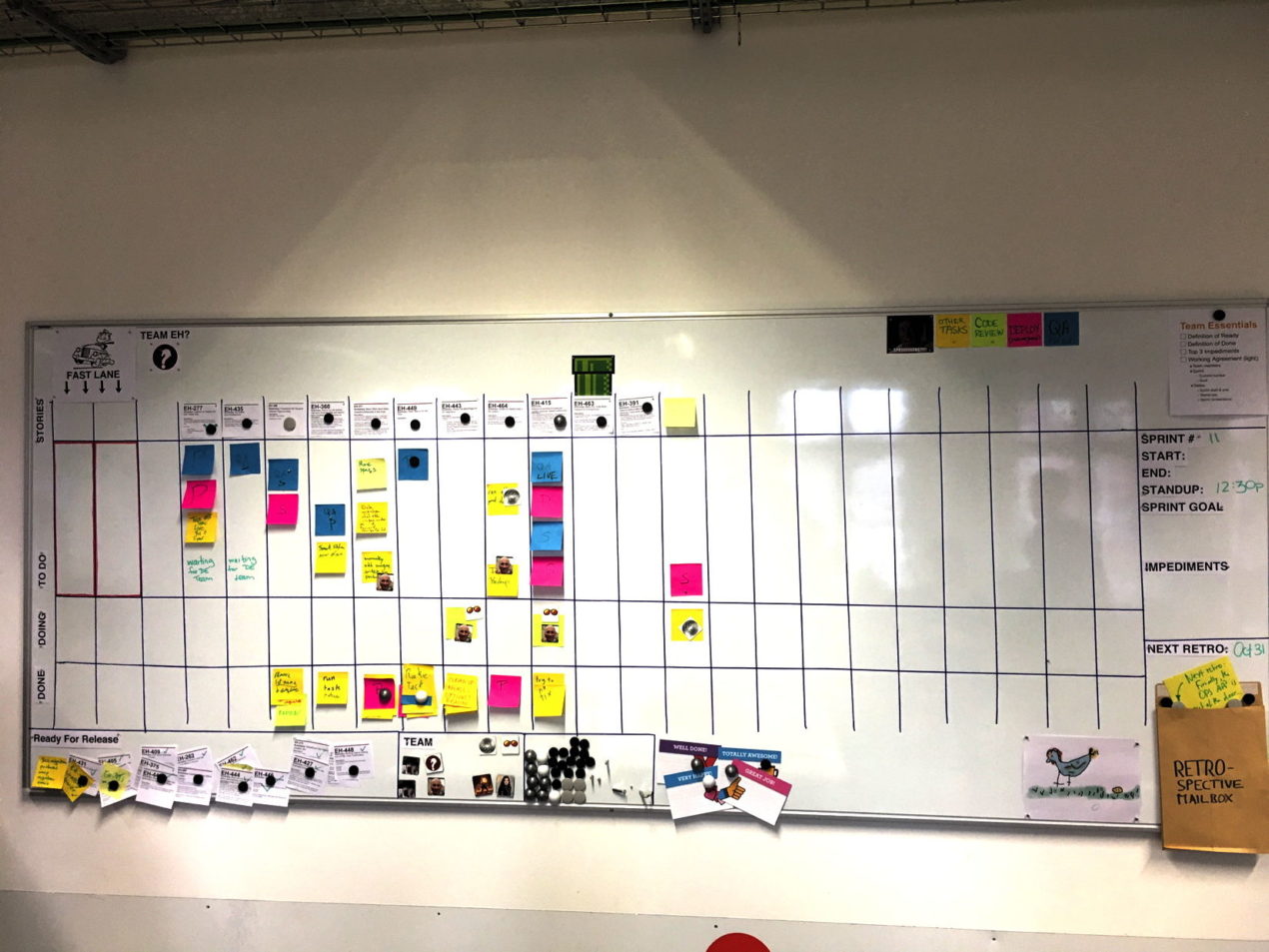
Learn how to create whiteboards: Whiteboards are magic as they support foundational agile principles such as interaction, collaboration, face-to-face communication, or transparency. They facilitate adapting to change, continuous improvement, and the self-organization of the team. You can create meaningful software with a few index cards, pins (or magnets), pencils, and drywall—you do not need Jira or any other agile process management tool.
The third Hands-on Agile webinar product backlog anti-patterns covers common problems from out-dated and oversized tickets to the part-time proxy product owner and his or her idea repository. Learn more about the numerous product backlog anti-patterns that can manifest themselves when you try to create value for your customers and your organization.