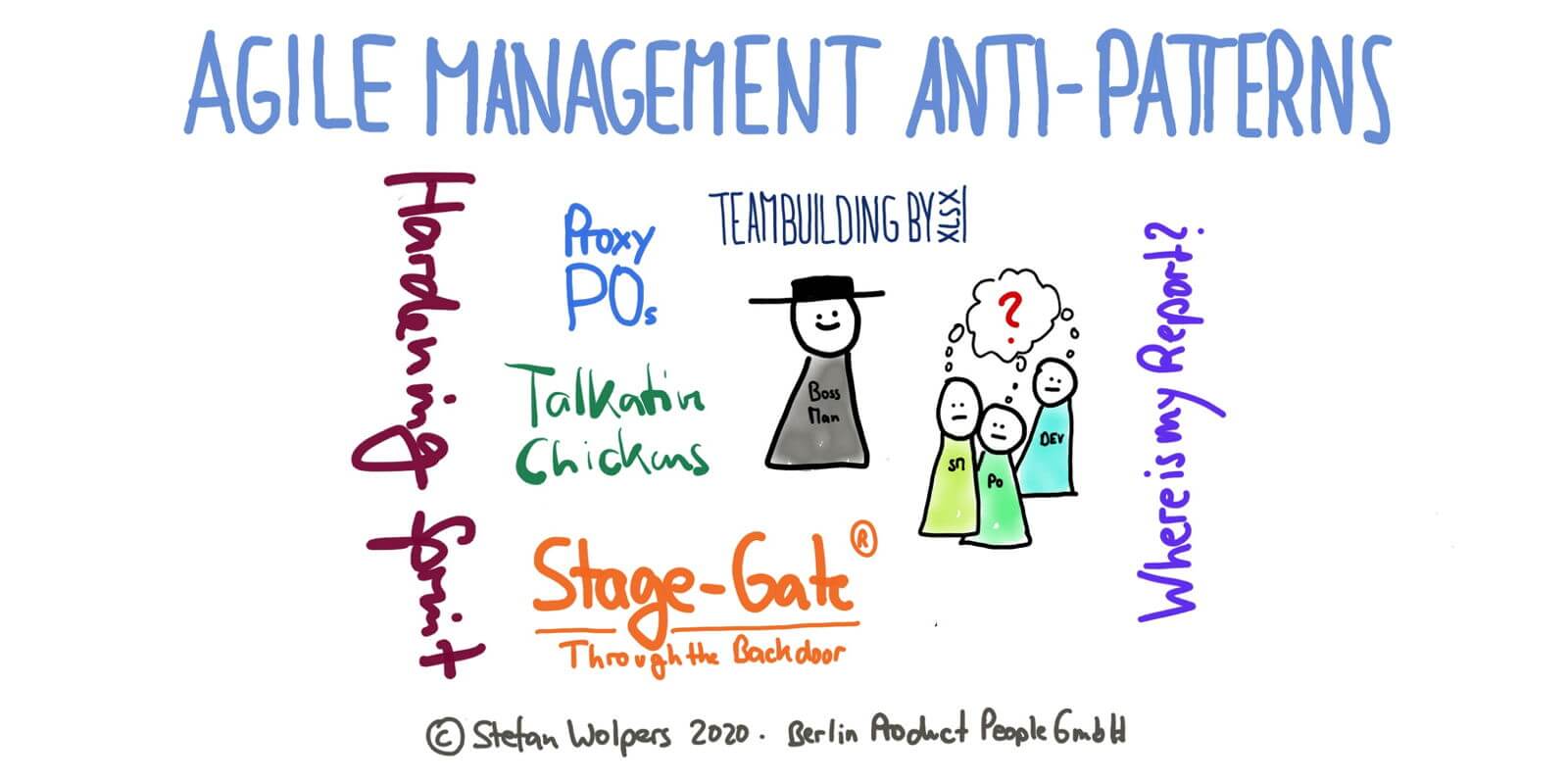
Learn more about agile management anti-patterns the aspiring servant leader should avoid during the organization’s transition: From applying the Stage-Gate® approach through the back door to the ‘where is my report’ attitude to other beloved signs of applied Taylorism.
TL; DR: Agile Bedside Manners, Deep Listening — Food for Agile Thought #258
Welcome to the 258th edition of the Food for Agile Thought newsletter, shared with 27,014 peers. This week, we delve into agile bedside manners; we revisit the frustrating effect of lacking psychological safety, and we study the 2020 update to the Agile-Consulting Radar.
We then reflect on why Agile and UX seem to be at odds most of the time; we applaud a step-by-step guide to prioritizing your Product Backlog, and we discover success factors of integrating product discovery and product delivery.
Lastly, we enjoy a conversation on the costs of not listening, the opportunities of listening, and why hearing what’s unsaid has a transformative effect.
TL; DR: The vACB20’s Schedule, Session Proposals, Technology, and Workshops
Learn all about the organization of the virtual Agile Camp Berlin 2020 schedule, from your session proposals to session planning to the essential technology to enjoy the best possible experience.
TL; DR: 20 Questions a New Scrum Master Should Ask
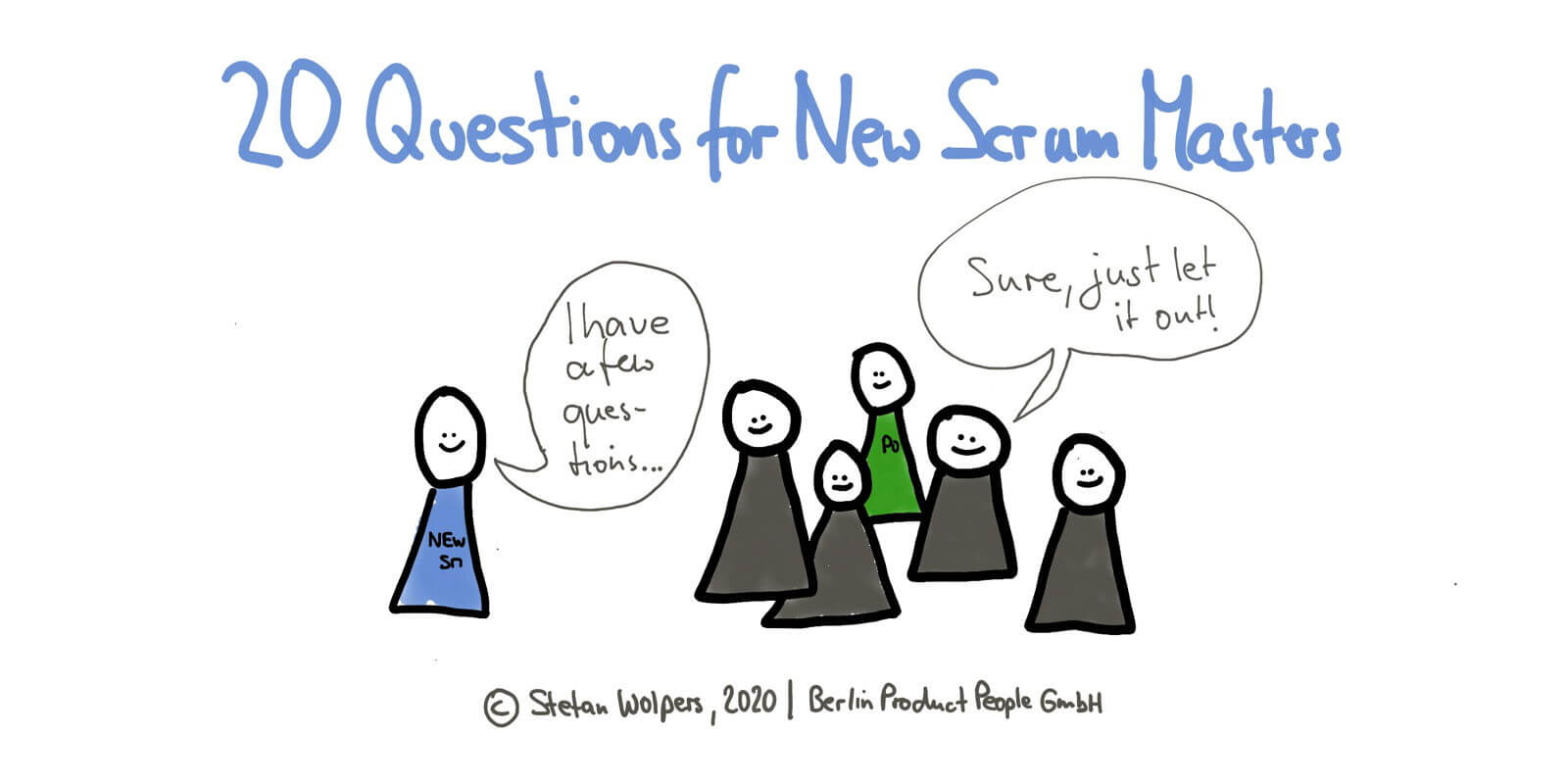
Twenty questions for you — the new Scrum Master — that fit into a 60 minutes time-box. Start learning how your new Scrum Team is currently delivering the product and get up to speed: from Product Backlog forensics to metrics to team challenges and technical debt. Download a printable template for your convenience.
TL; DR: Fake Agile, Social Systems — Food for Agile Thought #257
Welcome to the 257th edition of the Food for Agile Thought newsletter, shared with 26,957 peers. This week, we delve into fake Agile; we revisit the discussion on whether it is beneficial to estimate agile projects and listen to tips & tricks on how to stay united when distributed as a team.
We then turn to fundamental prioritization issues; we follow a live validation of a business idea by the two leading experts of this subject and pick up a few tricks from a recognized product mensch.
Lastly, we applaud Christiaan for his in-depth overview of social systems and the change question.
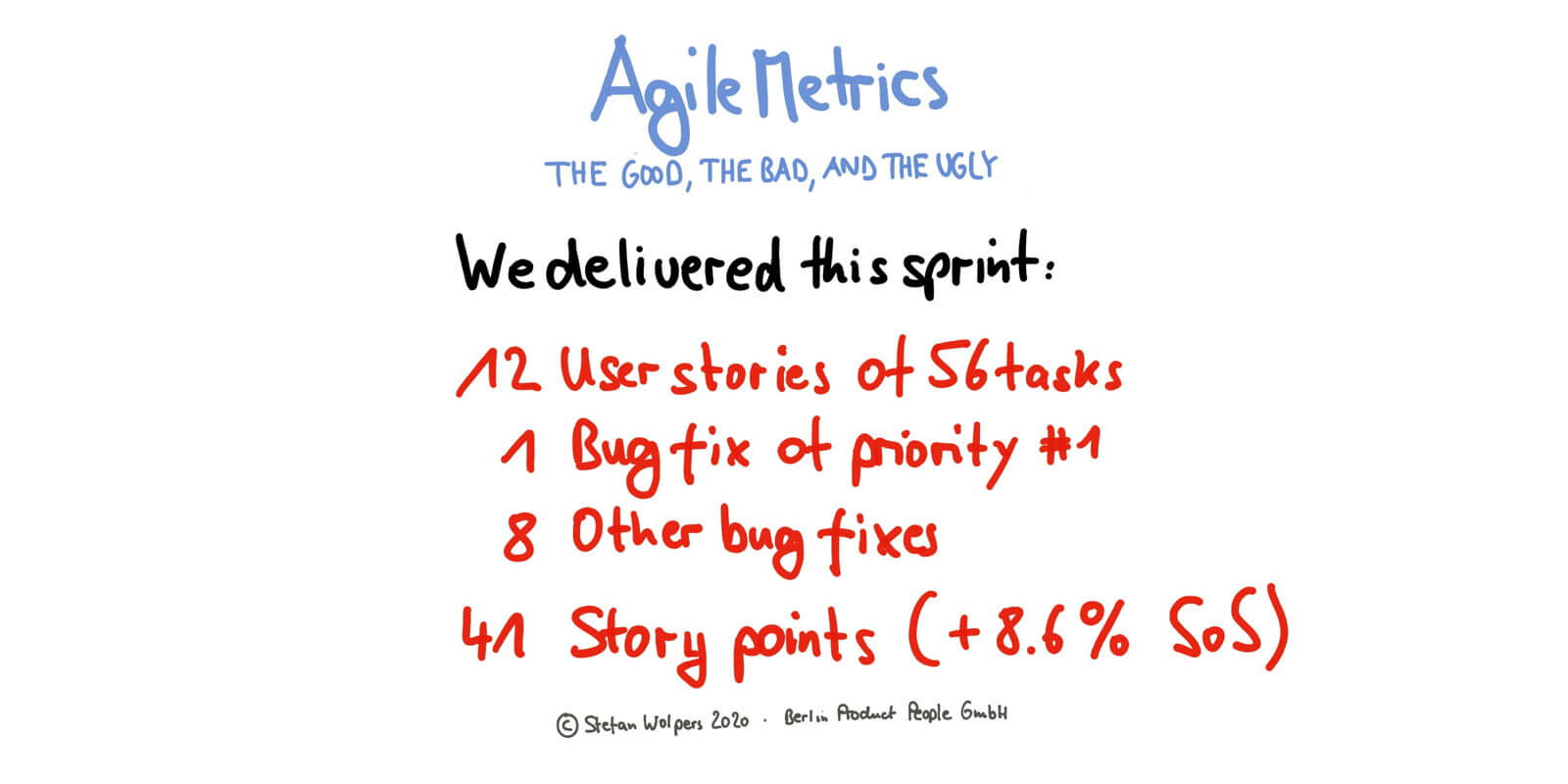
Suitable agile metrics reflect either a team’s progress in becoming agile or your organization’s progress in becoming a learning organization.
At the team level, qualitative agile metrics often work better than quantitative metrics. At the organizational level, this is reversed: quantitative agile metrics provide better insights than qualitative ones.