How to Make Agile Work in Fast-Growing Startups

TL; DR: How to Make Agile Work in Fast-Growing Startups

For years, I worked in several Berlin-based, fast-growing startups in my capacity as Scrum Master, agile coach, and Product Owner. These are my lessons learned on making ‘agile’ — including Scrum as a framework — work in a fast-growing startup. Also, let me introduce you to the anti-patterns agile startups shall avoid at all costs.

How to Make Agile Work in Fast-Growing Startups — Age-of-Product.com
Continue reading How to Make Agile Work in Fast-Growing Startups

Food for Agile Thought #279: Agile Manifesto’s History, Amazon’s Invention Machine, User Research 2021 Report, Guide to Saying No

TL; DR: Agile Manifesto’s History, Amazon’s Invention Machine—Food for Agile Thought #279

Welcome to the 279th edition of the Food for Agile Thought newsletter, shared with 30,267 peers. This week, we look back 20 years at the origins of the Agile Manifesto, why they came together; we detail the difference between Agile vs. Scrum and typical ‘big mistakes,’ and we check a list of five ‘no’ that might come in handy in challenging discussions.

We then listen to insider tales from Amazon—from the need to slow down to innovate to focus on customers’ needs to build by working backward, and we discuss the first principles of continuous discovery. Moreover, we explain why tension and conflict are necessary, helpful parts of product management.

Lastly, we appreciate the release of the third annual State of User Research report.

Food for Agile Thought #279: Agile Manifesto’s History, Amazon’s Invention Machine, User Research 2021 Report, Guide to Saying No — Age-of-Product.com
Continue reading Food for Agile Thought #279: Agile Manifesto’s History, Amazon’s Invention Machine, User Research 2021 Report, Guide to Saying No

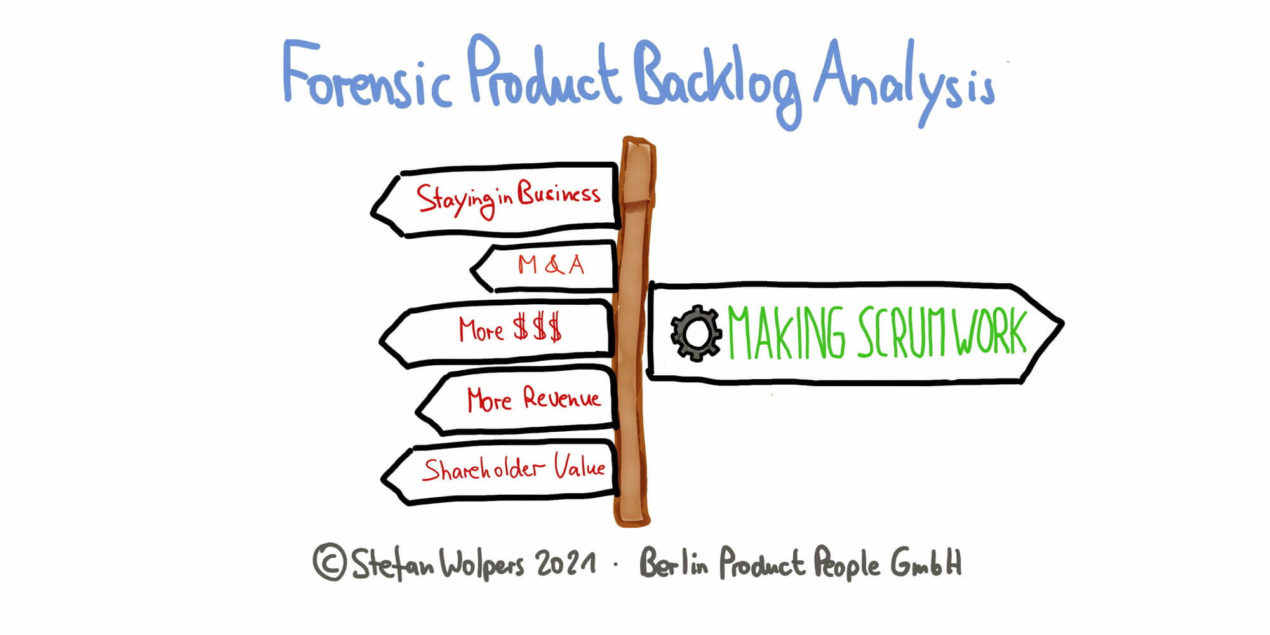
A Forensic Product Backlog Analysis — Making Your Scrum Work

TL; DR: A Forensic Product Backlog Analysis (Part 1)

Garbage in, garbage out: No matter whether your team chose Scrum for the right purpose—solving complex, adaptive problems. No matter whether your Scrum Team’s product quality is top-notch or whether your teammates embrace self-management to the fullest. If your Product Backlog is not up to the job, all of these accomplishments will account for little, as your team will provide less value to its customers than possible. Here is where the forensic Product Backlog analysis steps in, a light-weight, simple practice to help Product Owners and Scrum Masters unearth anti-patterns that led to your low-value Product Backlog.

Learn more on how a piece of paper and a pencil can turn around the perception of your Scrum Team among stakeholders and customers.

Making Your Scrum Work—The Product Backlog Forensic Analysis — Age-of-Product.com
Continue reading A Forensic Product Backlog Analysis — Making Your Scrum Work

Food for Agile Thought #278: Ethical Agile Coaching, The Cult of Best Practice, ‘Dirty’ Secrets of Effective Product Teams, Measuring Product Success

TL; DR: Ethical Agile Coaching, Best Practice Cult—Food for Agile Thought #278

Welcome to the 278th edition of the Food for Agile Thought newsletter, shared with 30,189 peers. This week, we delve into ethical agile coaching; we investigate whether being agile is necessary but not sufficient for being lean, and we learn why best practices can be harmful and why we, nevertheless, like following them.

We then reveal a shocking truth: most great product teams follow a system that resembles Waterfall to launch new innovative features. We also look at how agile practices have influenced and changed product management since the publication of the Agile Manifesto, and we point at the answer to the question of what makes for a healthy product culture.

Lastly, we appreciate Dave Snowden’s reflection on the nature and challenges of organizational change, employing a mapping metaphor.

Food for Agile Thought #278: Ethical Agile Coaching, The Cult of Best Practice, ‘Dirty’ Secrets of Effective Product Teams, Measuring Product Success — Age-of-Product.com
Continue reading Food for Agile Thought #278: Ethical Agile Coaching, The Cult of Best Practice, ‘Dirty’ Secrets of Effective Product Teams, Measuring Product Success

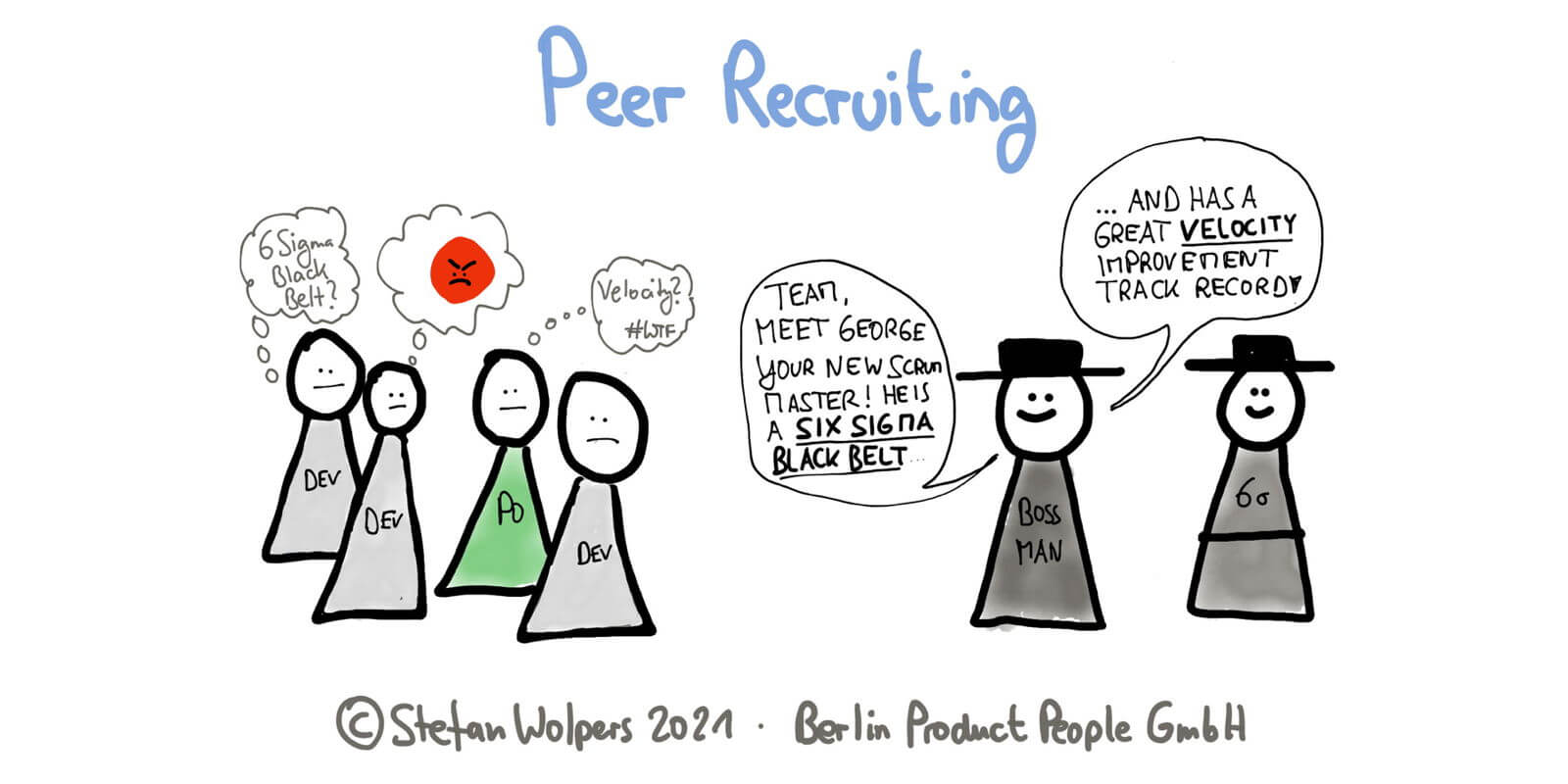
23 Product Owner Anti-Patterns from Job Ads: The Snitch, the Whip, the Bookkeeper, the Six Sigma Black Belt™

TL; DR: Product Owner Anti-Patterns from Job Ads

Like a job ad for a Scrum Master position, the equivalent for the Product Owner position also reveals excellent insight into an organization’s progress on becoming agile. Yesterday, I analyzed 60-plus randomly selected job ads from the UK, the US, and Germany for that purpose. Learn more about what makes job ads such a treasure trove with the following 23 Product Owner anti-patterns.

23 Product Owner Anti-Patterns from Job Ads: The Snitch, the Whip, the Bookkeeper, the Six Sigma Black Belt™ — Age-of-Product.com
Continue reading 23 Product Owner Anti-Patterns from Job Ads: The Snitch, the Whip, the Bookkeeper, the Six Sigma Black Belt™

Food for Agile Thought #277: Scrum Product Goal, Psychological Safety, Stakeholder Management à la FBI, 76 Prioritization Frameworks

TL; DR: Scrum Product Goal, Psychological Safety—Food for Agile Thought #277

Welcome to the 277th edition of the Food for Agile Thought newsletter, shared with 30,112 peers. This week, we delve into the Scrum Product Goal, and we address what happens to psychological safety when the leadership opens the pressure valve like in the case of Boeing. Also, we enjoy an interview on how to build super-cohesive teams.

We then apply lessons learned from FBI hostage negotiator Chris Voss to stakeholder management, and we are crossing the chasm with Geoffrey Moore: How do you drive innovation? Moreover, we explore defining objectives and key results for your product team.

Lastly, we appreciate a list of 76 prioritization frameworks, and we analyze the reasons for the fall of Kodak and what it means for product management.

Food for Agile Thought #277: Scrum Product Goals, Psychological Safety, Stakeholder Management à la FBI, 76 Prioritization Frameworks — Age-of-Product.com
Continue reading Food for Agile Thought #277: Scrum Product Goal, Psychological Safety, Stakeholder Management à la FBI, 76 Prioritization Frameworks