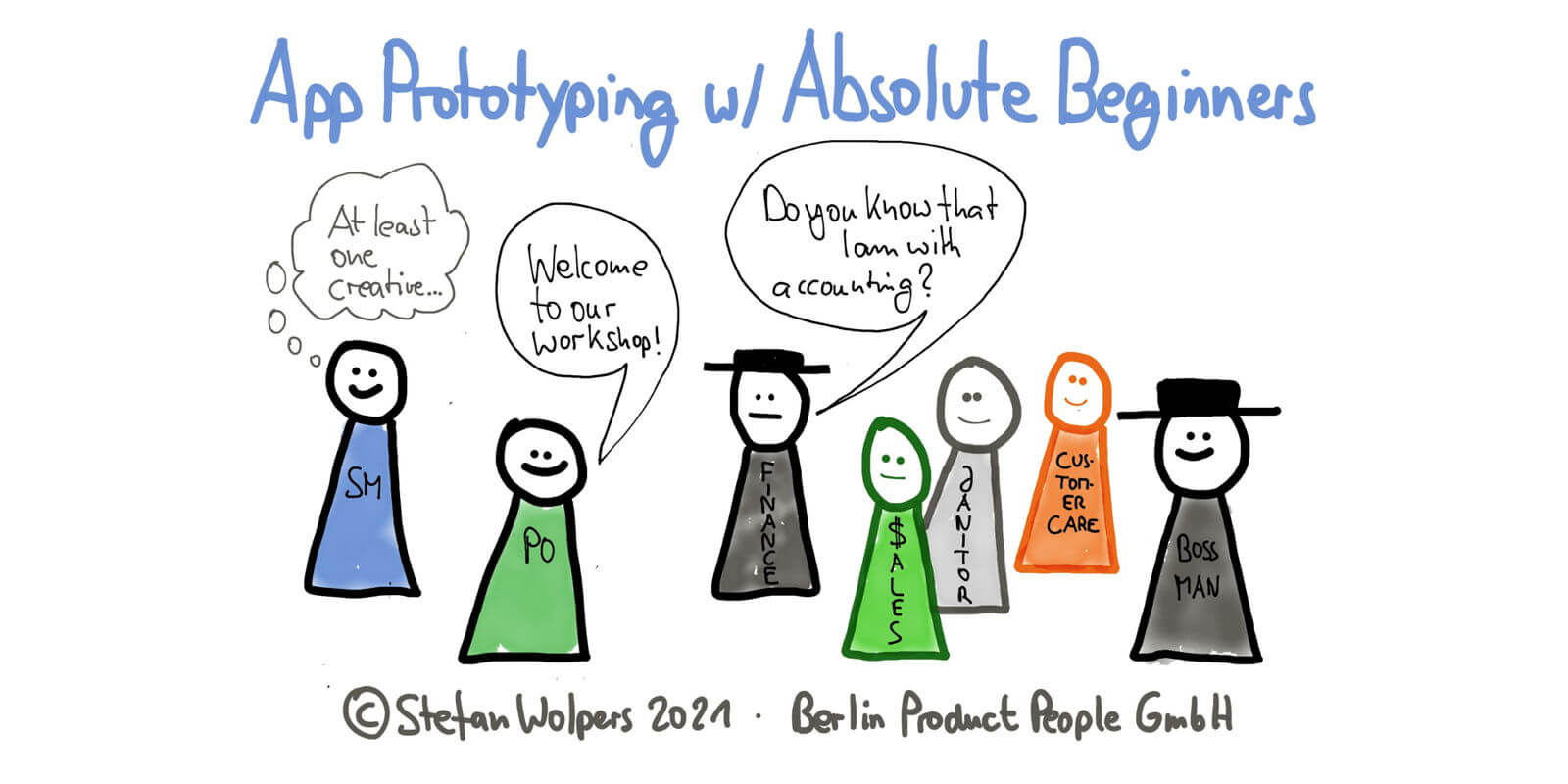
Yes, even absolute beginners can prototype an app. And learn a lot about agile product management, Scrum, empiricism, product design, and user experience along the way.
If you intend to live up to Scrum and agile product development’s full potential, creating a shared understanding of how empiricism works among all co-workers in your organization is essential. This low-cost exercise of creating clickable prototypes will significantly improve your organization’s agile transformation.
TL; DR: Rethinking Bad Decisions, Metrics Maturity—Food for Agile Thought #286
Welcome to the 286th edition of the Food for Agile Thought newsletter, shared with 30,802 peers. This week, we figure out how rethinking bad decisions may work; we learn why postponing the decision on who will work on something is beneficial for Scrum teams, and we suggest starting Scrumban with either Kanban or Scrum and then add some flavor from the other practice.
We then learn more about common anti-patterns with product discovery, from ‘there is no demand’ to ‘we don’t have time,’ and we delve into the learnings from the book ‘Working Backwards’ on Amazon’s way of creating products. Also, we suggest a way to figure out whether our team is genuinely evidence-driven.
Lastly, we cherish a board design that elicits questions, for example, to guide qualitative research.
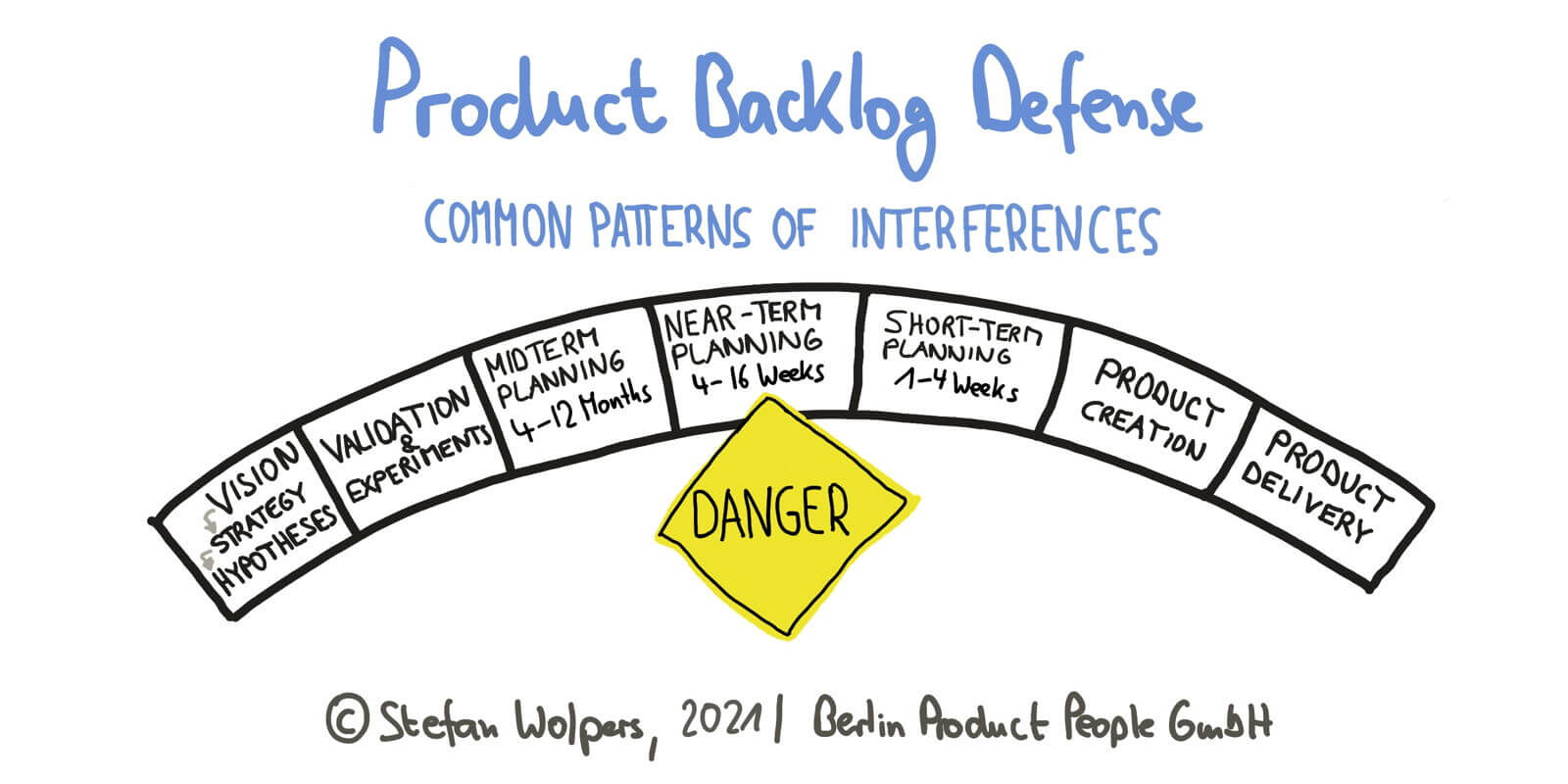
Make no mistake: Your Product Backlog is the last line of defense preventing your Scrum Team from becoming a feature factory; hence Product Backlog defense is vital: Figure out a process that creates value for your customers. Moreover, have the courage — and the discipline — to defend it at all costs.
TL; DR: Agile Meets Beyond Budgeting, Managing Ideas at Scale—Food for Agile Thought #285
Welcome to the 285th edition of the Food for Agile Thought newsletter, shared with 30,736 peers. This week, we delve into Nassim Taleb’s ‘Antifragile.’ Also, we detail why Agile meets Beyond Budgeting may represent two roads to the same end: creating greater business agility. Additionally, we point at the importance of questioning our knowledge and opinions in the face of new evidence.
We then enjoy the Head of Design at Stripe’s deep dive into the ideal collaboration between design and product management. Moreover, we share the fundamental principles to enable ideation and innovation at scale, from accessibility to simplicity to discoverability and innovators’ community, and we suggest four ways to track product discovery efforts.
Lastly, we learn how a team can use internal data to create usable forecasts, thus inspiring trust among stakeholders by improving predictions’ quality.
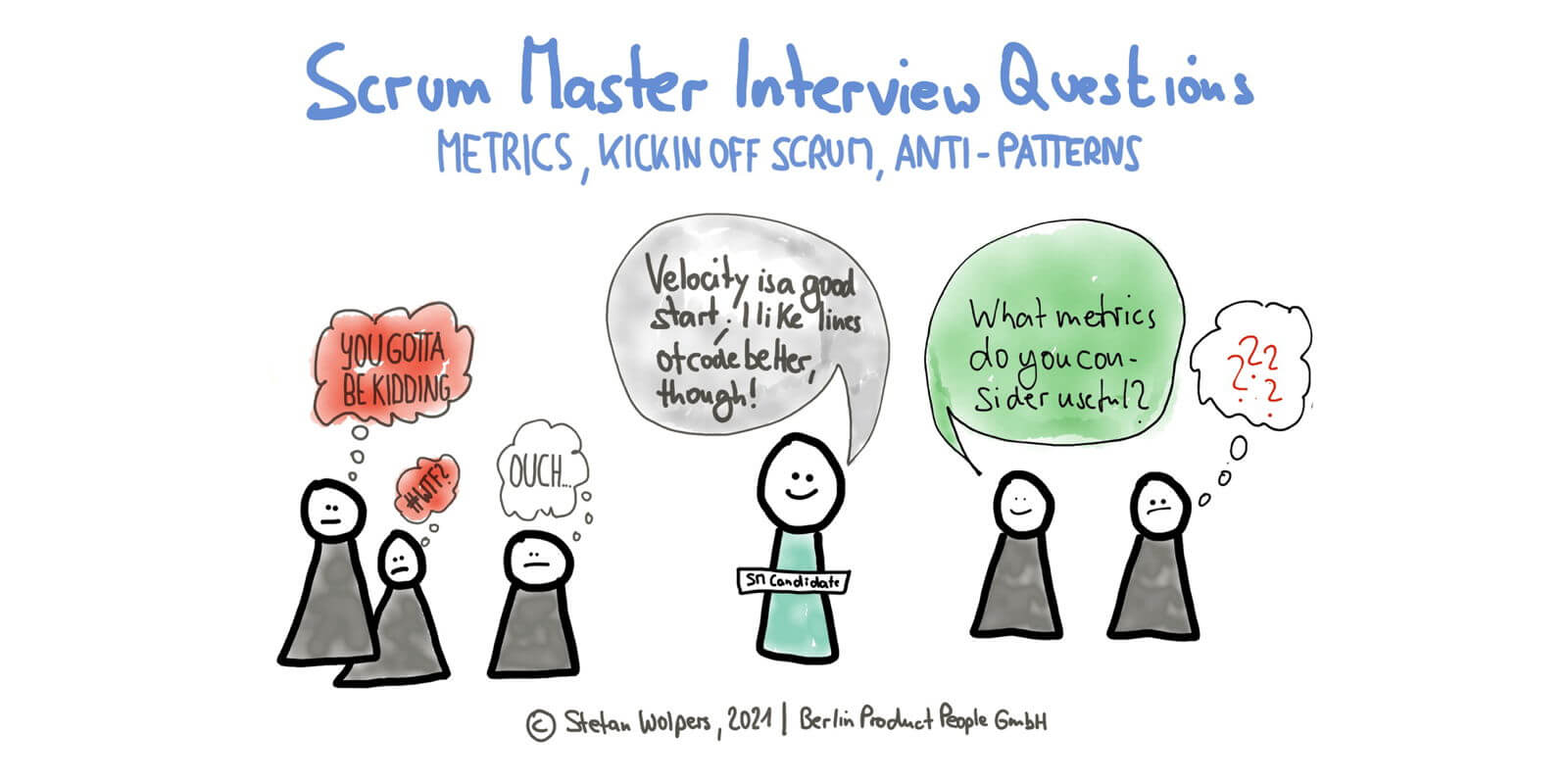
Some time ago, someone on Reddit asked whether there would be any other profession that requires attending a 2-day training class and would then pay as well as a Scrum Master job. This attitude is precisely why the 47 Scrum Master Interview Guide exists: Prevent imposters from slipping through the hiring process and causing damage.
If you are looking to fill a position for a Scrum Master (or agile coach) in your organization, you may find the following 47 interview questions useful to identify the right candidate. They are derived from my fourteen years of practical experience with XP as well as Scrum, serving both as Product Owner and Scrum Master as well as interviewing dozens of Scrum Master candidates on behalf of my clients.
Host the best session on the virtual Agile Camp Berlin 2021 and win a seat in a Professional Scrum Class and other prizes w/ the ACB21 Best Session Award.