TL; DR: Product Mindset and Ownership in Scrum Teams
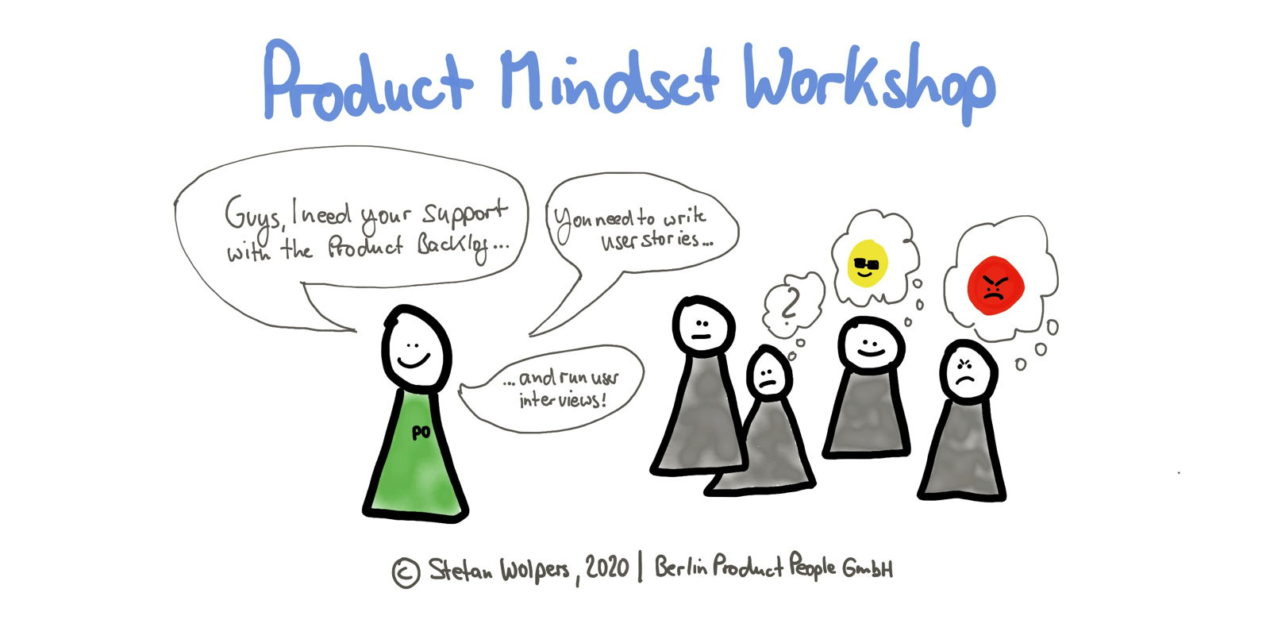
There is one product, one Product Owner, one Product Backlog — a simple rule. How is that supposed to scale, you might ask, isn’t that approach turning the Product Owner into the Scrum team’s bottleneck, impeding value creation rather than spearheading it? Well, cargo cult Scrum might end up in that dead-end. The trick to avoiding this fate is to start including the Development Team as early as possible in Product Backlog management which requires a product mindset.
Learn more about how to kick-off this process with an initial day-long product mindset workshop for your Scrum team.
Last week, about 30 members of the Hands-on Agile community in Berlin came together to identify opportunities for personal and professional growth for the coming year, using Liberating Structures’ Ecocycle Planning in the process, to further your Scrum Master career 2020.
Read on and learn in this post what opportunities you have to advance your career as a Scrum Master or agile coach in the next year.
TL; DR: Faking Agile Metrics — An Eye-Opening Exercise
Imagine you’re a Scrum Master and the line manager of your team believes that the best sign for a successful agile transformation is a steady increase in the Scrum Team’s velocity. Moreover, if the team fails to deliver on that metric something is wrong with the Scrum Team. Alternatively, something is wrong with you as you are the Scrum Master and hence responsible for the team’s performance. (Apparently, not faking agile metrics, or being transparent in this case, does not seem to be valued here.)
Learn more about how to coach these kinds of line managers and help them overcome their preference for the industrial past with a simple exercise on how to cook the agile books.
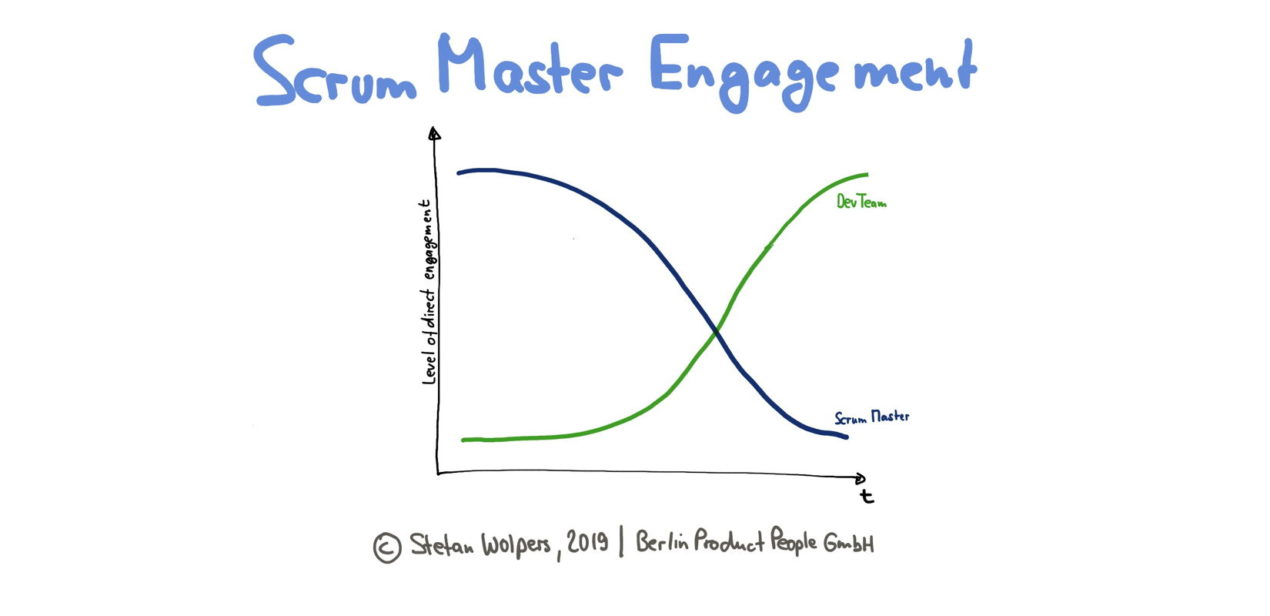
Last year, I ran a (non-representative) survey on how Scrum Masters are allocating their time when working with a single Scrum Team. Much to the surprise of many readers, the direct Scrum Master engagement with a single Scrum Team of average size and a typical 2-week Sprint turned out to be about 12 hours per week.
This result immediately prompted two additional questions: What is a Scrum Master doing during the rest of the week, and in what way does a Scrum Master’s work manifest itself over time? While answering the above question requires additional research and data collection, the latter can be answered to a certain grade by focusing on a few common scenarios.
The first article of this series will address the Scrum Master engagement with the Development Team.
Join us for another exciting LS Scrum workshop on September 7th, 2019, in Berlin. Following up on our first workshop, We will continue exploring LS microstructures, weave them into strings and apply those to Scrum’s soft underbelly — the product side, or figuring out what is worth building. Please note that participants should already understand Scrum as well as product management in general. Furthermore, first experiences with Liberating Structures, e.g. from a Meetup, would be desirable. The workshop language is English.
The LS Scrum training class will take place at the Alte Kantine Wedding on Saturday, September 7th, 2019, from 9:00 am to 5:30 pm.
TL; DR: Liberating Structures for Scrum: The Sprint Planning
The third Liberating Structures Scrum meetup addressed the Sprint Planning, more precisely the reasons why Sprint Plannings fail—despite all the efforts put into them in advance, from the Product Backlog refinement to the Sprint Review.