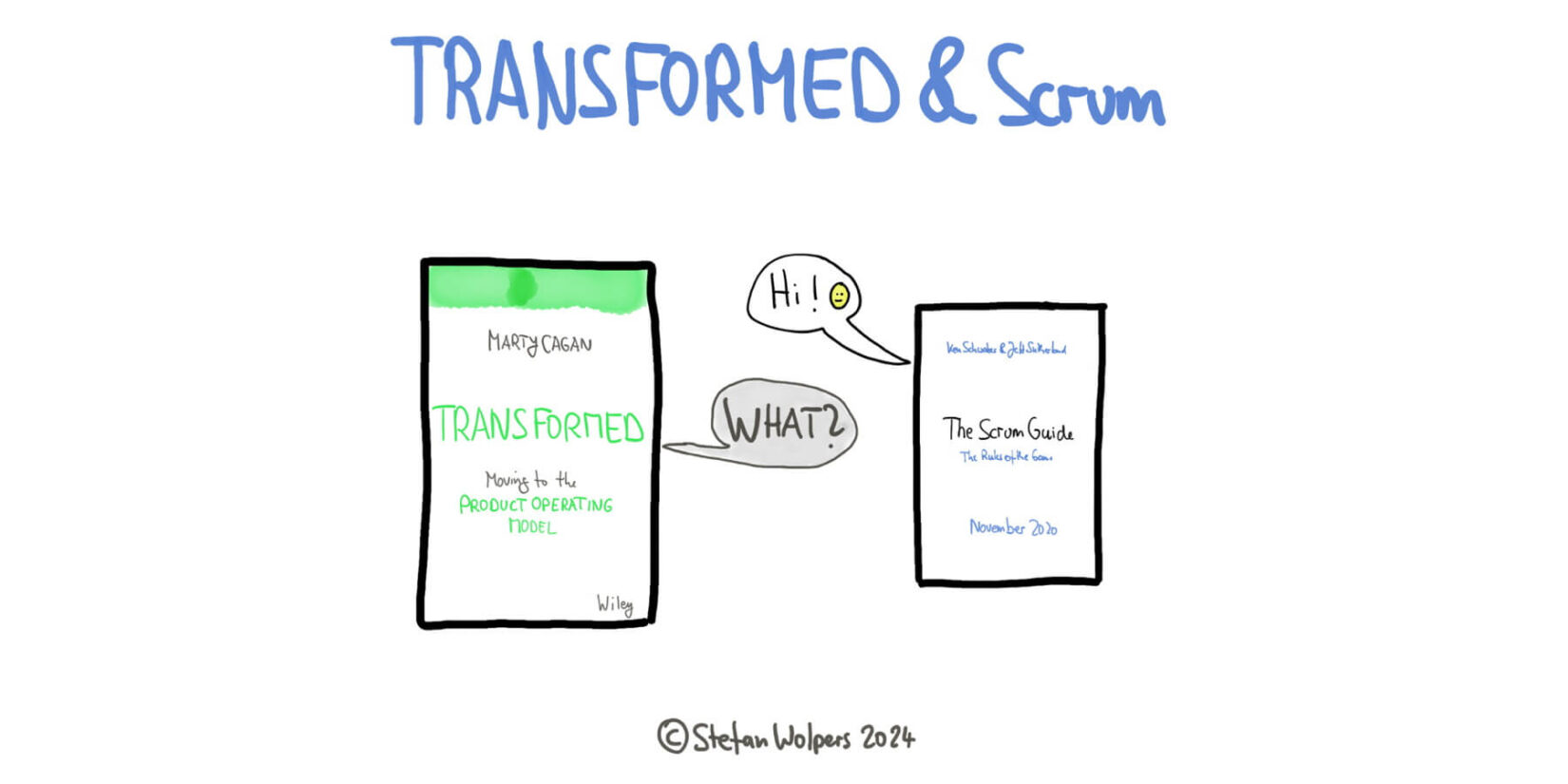
Despite criticism from the product community regarding Scrum as a framework for effective product creation, namely Marty Cagan himself, I believe that it is worthwhile to compare the principles that help form successful product teams with those of Scrum. Let’s delve into an analysis of “Transformed” and how its principles align with Scrum’s.
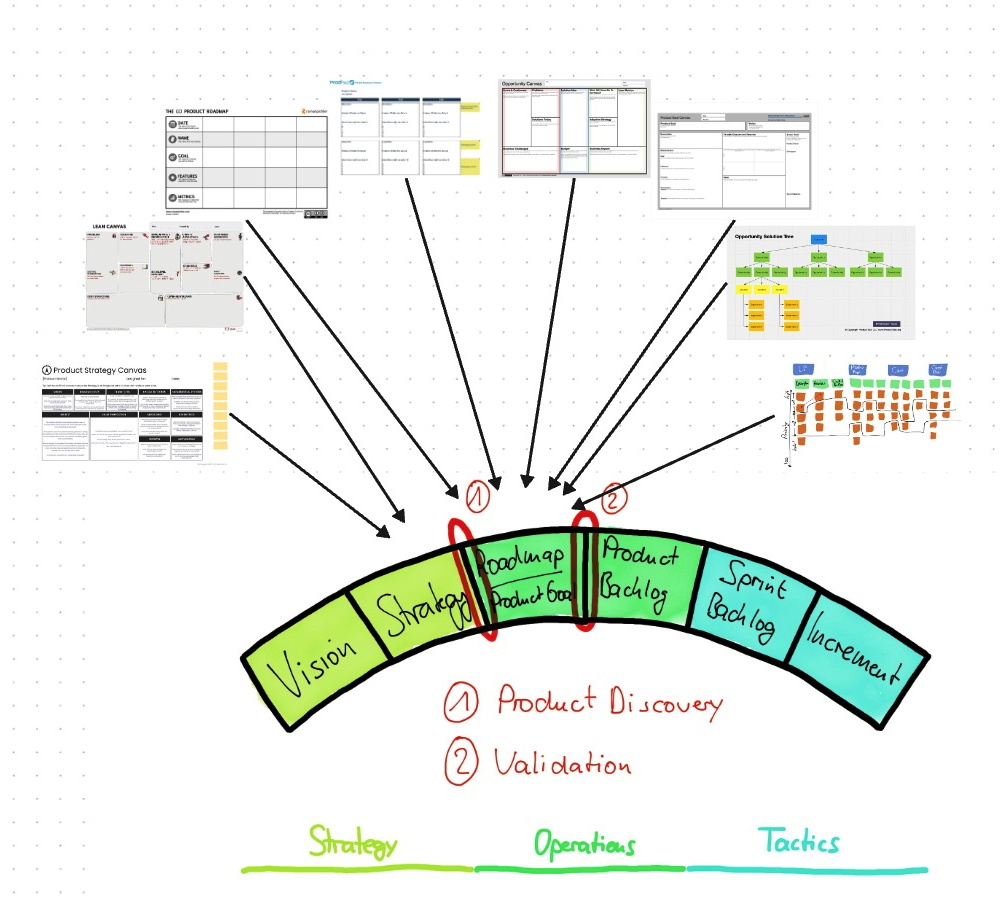
Understanding and implementing the right alignment tools in agile product development can significantly enhance the effectiveness of your team and organization. Fostering better relationships between stakeholders and teams can ensure strategic clarity, improve adaptability, and maintain a user-centric focus.
This article provides actionable insights on leveraging these tools to build trust, enhance collaboration, navigate risks, and maximize value creation. This will ultimately lead to more successful product outcomes aligned with organizational goals.
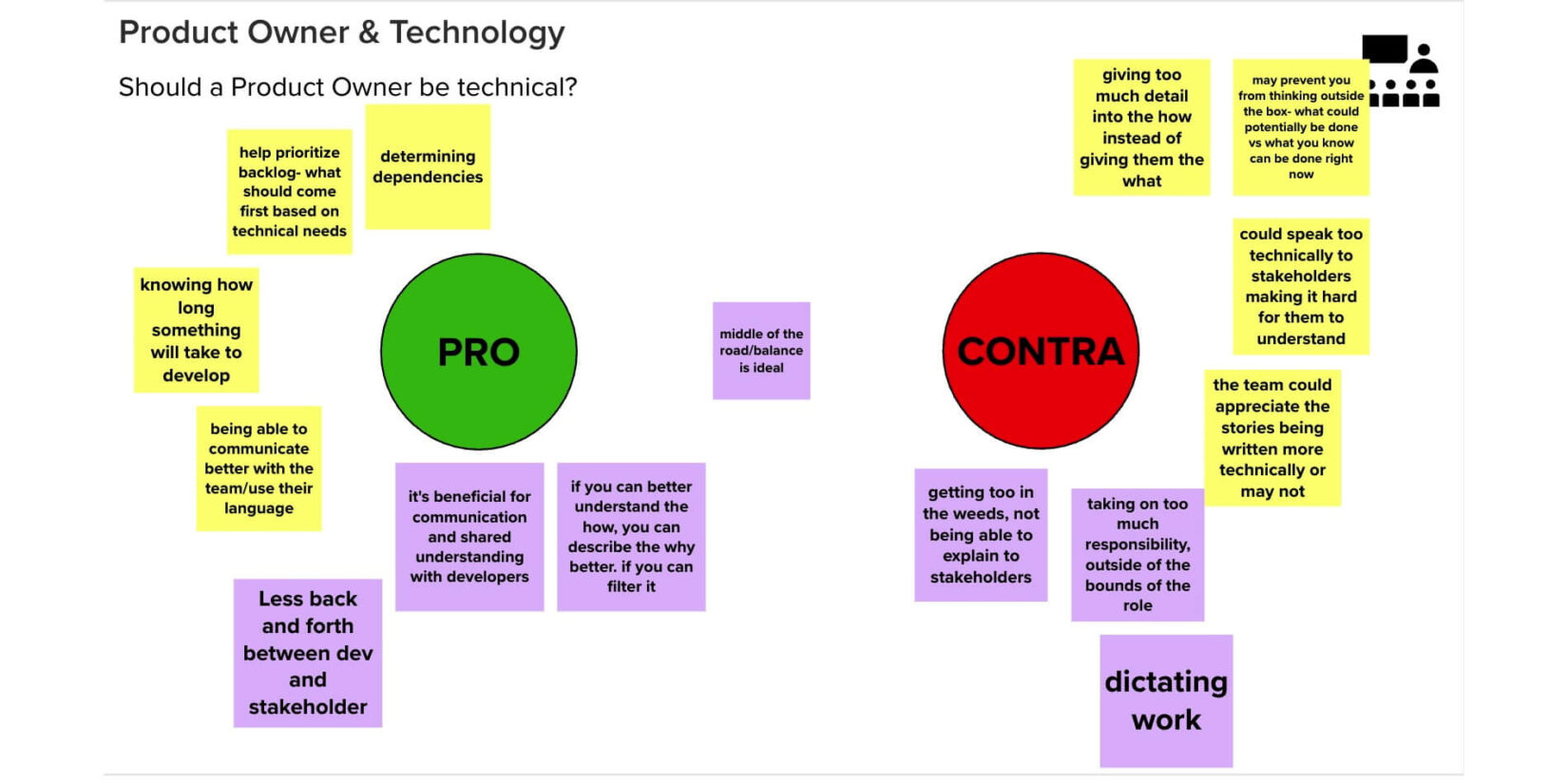
Dive deep into the benefits—or the lack thereof—of the technical Product Owner (or product manager) and their profound impact on teams, customer satisfaction, and organizational success. Uncover when their technical acumen is a game-changer, a nice-to-have, or probably detrimental.
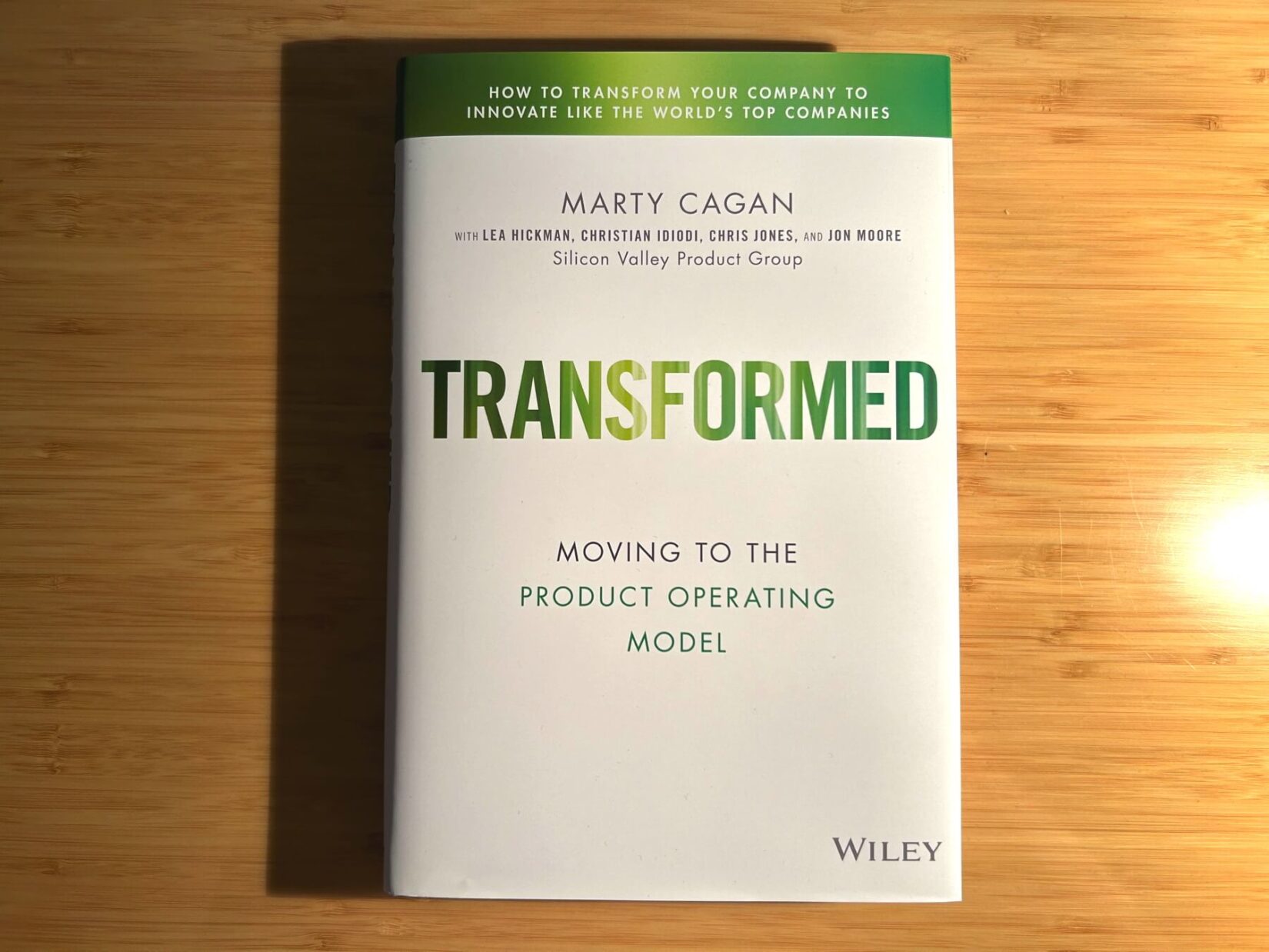
TL; DR: The Product Operating Model — An Interview with Marty Cagan
Let’s explore Marty Cagan’s insights on revolutionizing product management, embracing empowered teams, and fostering innovation by employing the Product Operation Model described in his latest book “Transformed.” We will uncover how to effectively navigate the transformational path to a product-centric approach and how Marty sees Scrum in this context. (Move directly to the Scrum-related part of the interview.)
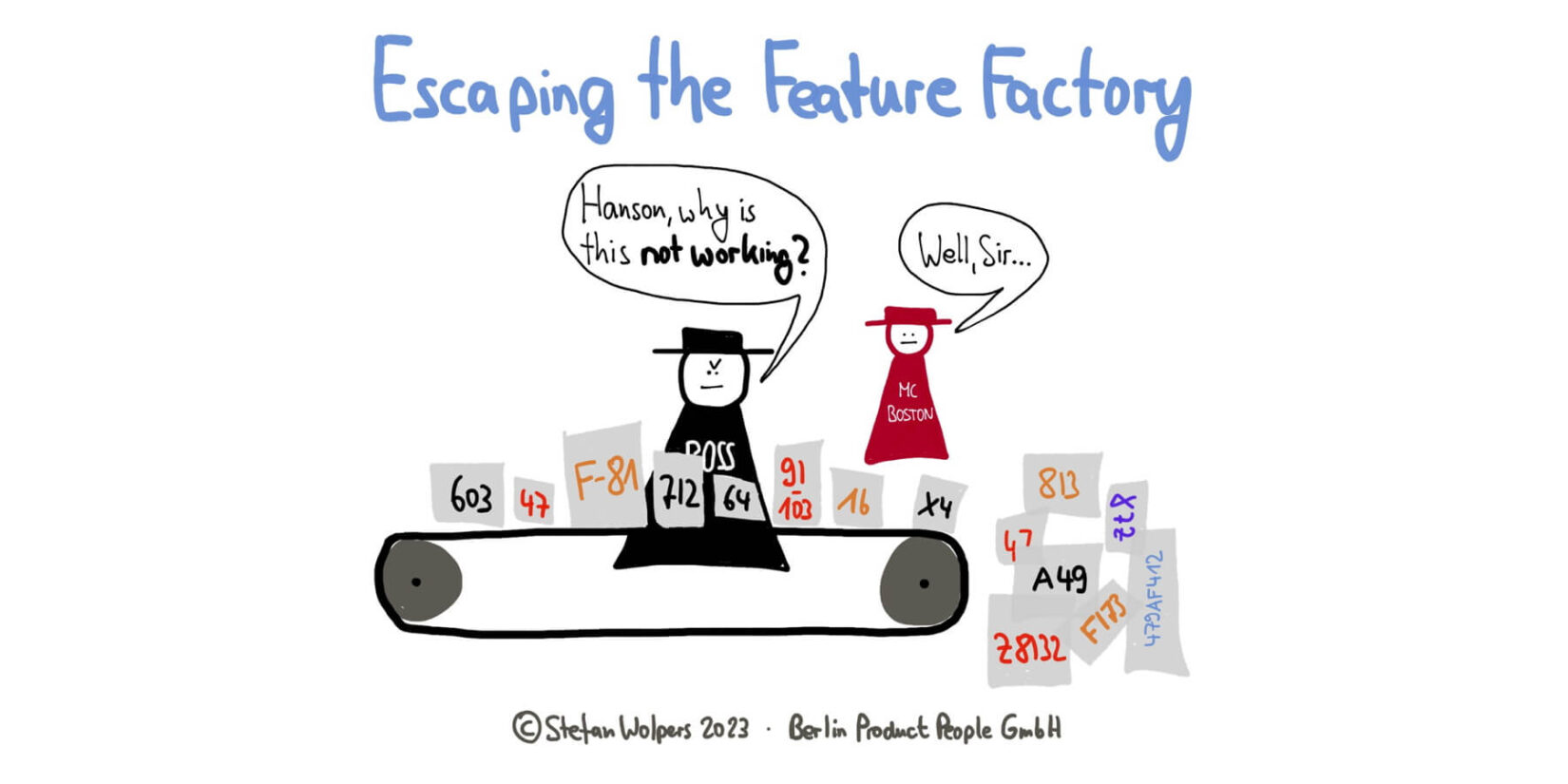
TL; DR: Escaping the Feature Factory — Refocussing From Output to Outcome
The feature factory fate is not inevitable; there is hope to avoid becoming a mere cog in the machinery. Learn how!
In many large organizations, Scrum teams fall into the ‘feature factory’ trap, focusing more on churning out features than creating real value. It’s too bad that this shift undermines Agile principles and hampers long-term success and innovation. Let’s discuss how and why this happens and what we can do to break the chains of the feature factory.
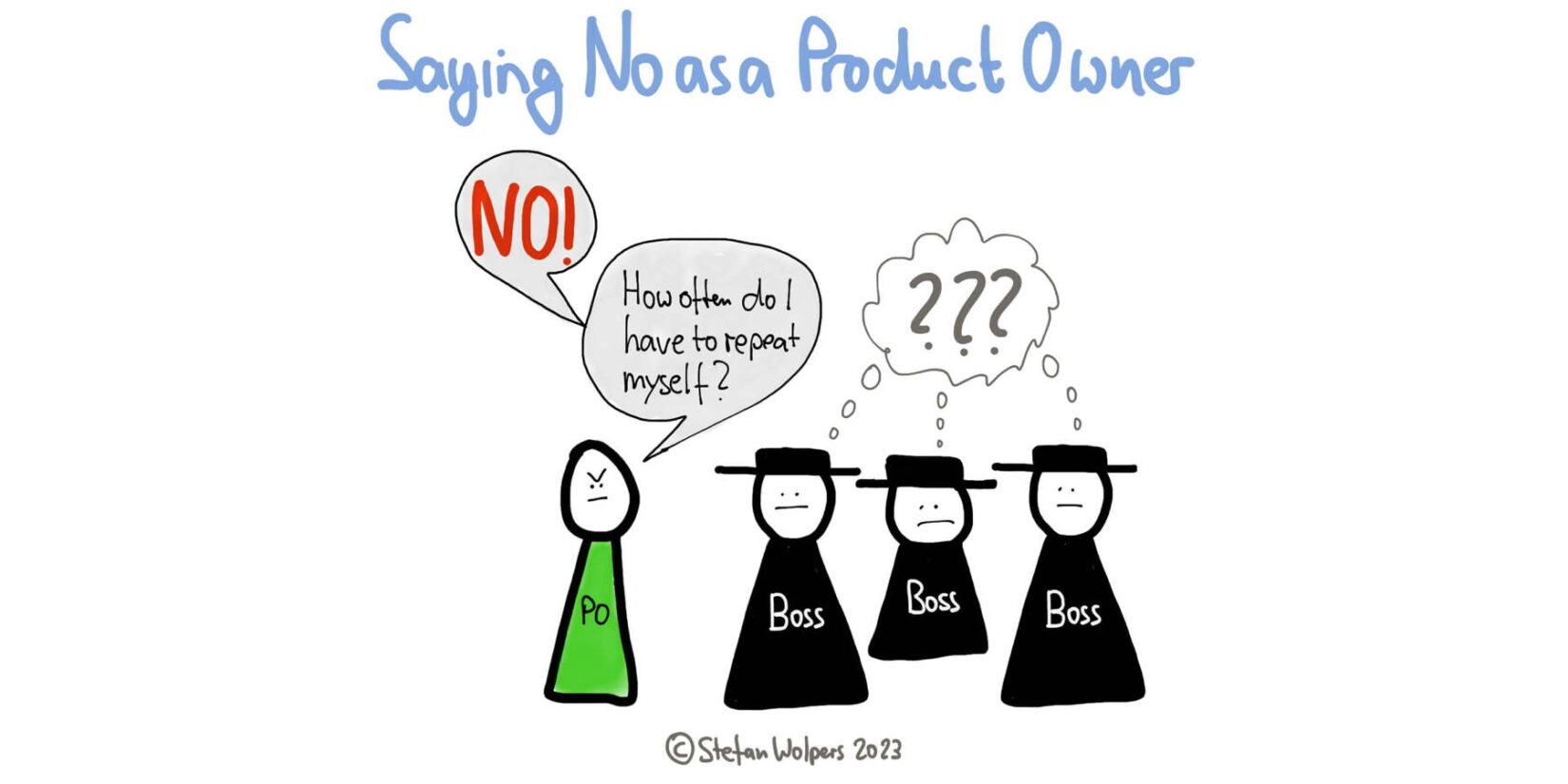
Are you navigating the delicate art of saying No as a Product Owner or product manager? Actually, it’s more of a strategic ‘yes’ to higher priorities, turning down lower-level requests without shutting down communication.
This article will dive into various approaches, from reframing conversations and fostering stakeholder collaboration to being transparent to data-informed rationale and empathetic engagement. Discover how to maintain a harmonious balance between driving Product Goals and nurturing professional relationships with your stakeholders.