Scrum Master Skills: Visualizing the Cost of Team Building with the Tuckman Model

Scrum Master Skills: Visualizing the Tuckman Model

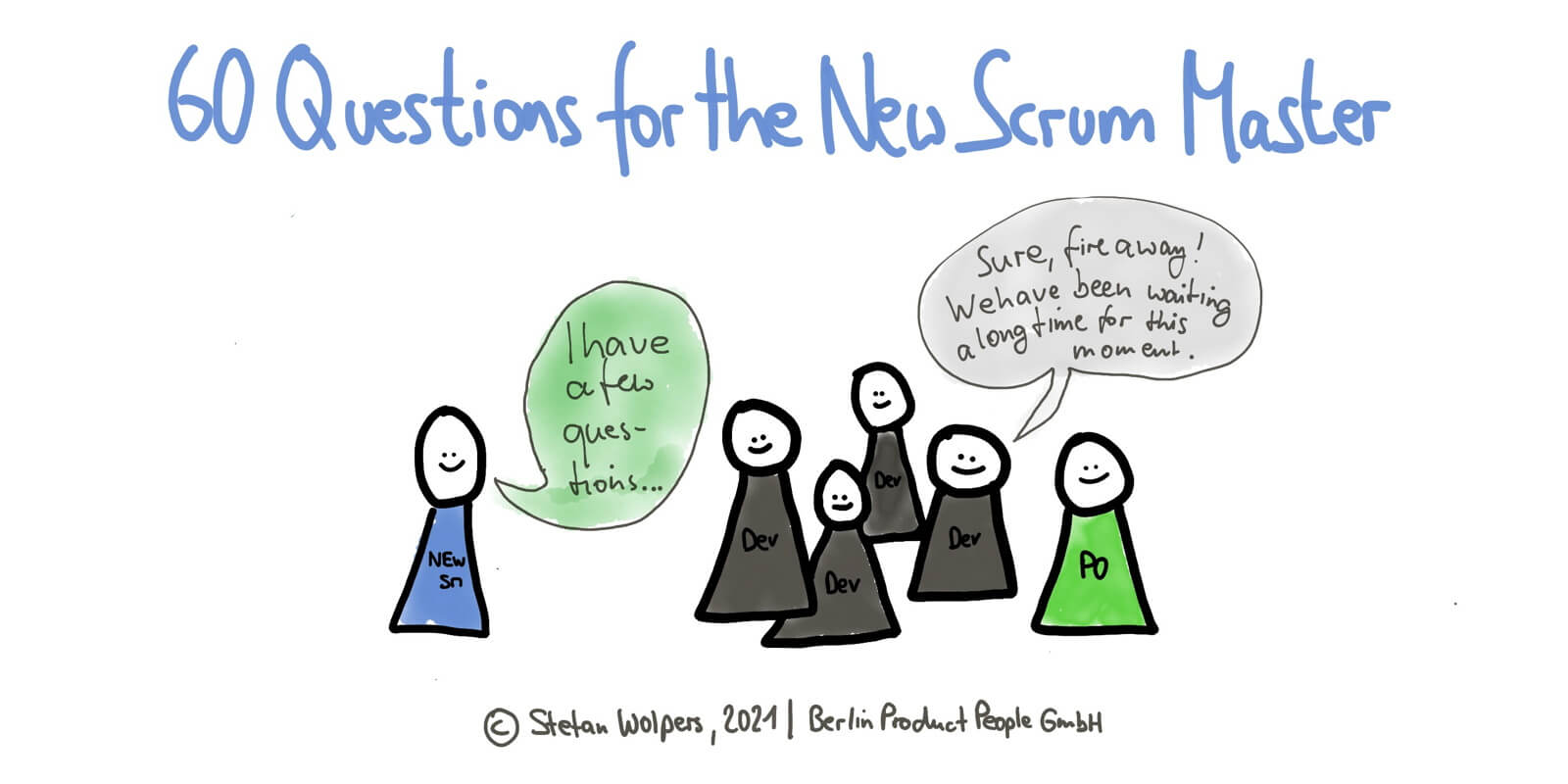
A picture is worth a thousand words.” Probably, we have all heard that piece of wisdom before. In my experience, having some — even rudimentary — sketching or drawing capabilities is an essential Scrum Master skill. Visualizing a tricky issue while explaining the background to a stakeholder, someone from the management or a teammate helps to pave the way to have a meaningful discussion.

Let me introduce you to an example sketch based on the Tuckman model of group dynamics I use in my Professional Scrum Master training classes to make the effort and cost of creating a Scrum team easier understandable.

Scrum Master Skills: Visualizing the Cost of Team Building with the Tuckman Model — Age-of-Product.com
Continue reading Scrum Master Skills: Visualizing the Cost of Team Building with the Tuckman Model

Food for Agile Thought #297: North Star Metric, Tech Debt Is any Opportunity, MBA Pathology in Product, Team Dynamics Explained

TL; DR: North Star Metric, Team Dynamics Explained—Food for Agile Thought #297

Welcome to the 297th edition of the Food for Agile Thought newsletter, shared with 31,817 peers. This week, we point at data and case studies, providing insights into how to narrow in on your organization’s North Star Metric. Also, we advocate that technical debt is rather a strategic lever for your organization’s success than a liability, and we analyze the invisible undercurrents that determine your team’s culture.

We then continue reading Marty Cagan’s pathology series with a deep dive into the well-known problems with MBA programs. Moreover, we share six common product discovery anti-patterns and what you can do about them, and we introduce fundamental principles behind designing and maintaining a product roadmap tailored to the needs of agile teams.

Lastly, we enjoy listening to Richard Kasperowski and Seb Rose talking about how to help create a good team with less seasoned professionals.

Food for Agile Thought #297: North Star Metric, Tech Debt Is any Opportunity, MBA Pathology in Product, Team Dynamics Explained — Age-of-Product.com
Continue reading Food for Agile Thought #297: North Star Metric, Tech Debt Is any Opportunity, MBA Pathology in Product, Team Dynamics Explained

Real Cross-functional Teams for Creating Real and Better Products — Agile Camp Berlin 2021

TL; DR: Real Cross-functional Teams for Creating Real and Better Products — ACB21

In this highly engaging speaker session from the Agile Camp Berlin 2021, Jutta Eckstein and Maryse Meinen point out the advantages of creating diverse, cross-functional teams to benefit your customers and your organization.

Real Cross-functional Teams for Creating Real and Better Products—Agile Camp Berlin 2021
Continue reading Real Cross-functional Teams for Creating Real and Better Products — Agile Camp Berlin 2021

Three Common Developer Blunders in 5:05 Minutes—Making Your Scrum Work #14

TL; DR: Common Developer Blunders — When Your Scrum Team Lacks Alignment

There are plenty of failure possibilities with Scrum. Given that Scrum is a framework with a reasonable yet short “manual,” this effect should not surprise anyone. While it is common to first look outside our team for impediments, such as dysfunctional processes or other systemic issues, I would advise starting with the Scrum team’s way of collaboration: Are we aligned on the why, what, and how? Otherwise, the three following Developer blunders may diminish the team effectiveness.

📺 Join me and explore the consequences of these Scrum Developer blunders and what you can do about them in a little more than five minutes.

Three Common Developer Blunders in 5:05 Minutes—Making Your Scrum Work #14 — Age-of-Product.com

Update: I am running a poll on LinkedIn—join the voting: “What common ways have you observed how Developers diminish the value creation of their own work?”

Continue reading Three Common Developer Blunders in 5:05 Minutes—Making Your Scrum Work #14

Food for Agile Thought #296: Rebels Spark Ideas, Agile Rituals for Hyper-Growth, CSPO Pathology, Collaborative Product Decisions

TL; DR: Rebels Spark Ideas, CSPO Pathology—Food for Agile Thought #296

Welcome to the 296th edition of the Food for Agile Thought newsletter, shared with 31,704 peers. This week, we acknowledge that rebels spark ideas, and we consider whether OKRs can restore purpose to agile teams and free them from the tyranny of the Product Backlog. Moreover, we get an inside view of how Youtube managed its early hyper-growth, and we point at the advantages of using low-code tooling to build software: Iterating faster.

We then address why the tech industry has such a high proportion of weak product managers and product leaders. We pitch the advantages of collaborative decision-making, leveraging both stakeholders’ and developers’ expertise while creating a shared understanding. Also, we share three tactics that have proven to impact getting buy-in from team members significantly.

Lastly, we enjoy an interview with Christina Wodtke on how OKR can help product managers accomplish more, and we get curious about a new Scrum software: “HappyStack is a Scrum project software tool for developers: Backlog, Sprint Planning, Standups, Reviews, and Retros done the right way.”

Food for Agile Thought #296: Rebels Spark Ideas, Agile Rituals for Hyper-Growth, CSPO Pathology, Collaborative Product Decisions — Age-of-Product.com
Continue reading Food for Agile Thought #296: Rebels Spark Ideas, Agile Rituals for Hyper-Growth, CSPO Pathology, Collaborative Product Decisions

When the Scrum Master Fails by Being Overly Protective — Making Your Scrum Work #13

TL; DR: When Scrum Masters Fail — Making Your Scrum Work #13

There are plenty of failure possibilities with Scrum. Given that Scrum is a framework with a reasonable yet short “manual,” this effect should not surprise anyone. Scrum thrives when the Scrum teams are self-managing while Scrum Masters embrace their role as servant-leaders. However, this also implies that Scrum Masters fail when they are overly protective.

📺 Join me and explore the consequences of the overly protective Scrum Master and what you can do about it in less than three minutes.

When the Scrum Master Fails by Being Overly Protective  — Making Your Scrum Work #13 — Age-of-Product.com

Update: I am running a poll on LinkedIn—join the voting: “How can Scrum Masters fail their team by being overly protective or supportive?”

Continue reading When the Scrum Master Fails by Being Overly Protective — Making Your Scrum Work #13