In this fascinating talk, Michael introduced the concept of dysfunction mapping, a tool developed over years of trial and error aimed at creating a repeatable way to find, theme, and ultimately solve organizational dysfunction.
TL; DR: Product Management 2024 Report — Food for Agile Thought #429
Welcome to the 429th edition of the Food for Agile Thought newsletter, shared with 42,168 peers. This week, we delve into ProductPlan’s Product Management 2024 Report, unveiling evolving trends in strategic focus, measuring outcomes over outputs, aligning with customer feedback, standardizing Product Ops, and adopting AI with purpose. Tim Metz highlights the trend towards fluid, agile teams, enhancing flexibility but cautioning against the potential loss of team cohesion and burnout. The Agile Uprising podcast, featuring Chris Murman, Jay Hrcsko, and Andrew Leff, tackles “Gluttony” in agile transformation, urging a balance in work, personal growth, and relationships, and Takeshi Yoshida brings essential leadership skills for navigating the VUCA world to light, advocating for a diverse set of mental models for effective decision-making. Additionally, we explore how to get hired as a Scrum Master or Agile Coach.
Then, Peter Yang shares insights on the necessity for product managers to foster product sense, empathy, and creativity, and Melissa Suzuno recounts Sandrine Veillet’s methodical and challenging journey towards implementing continuous discovery at WebMD, underlining the critical role of stakeholder engagement and team education. Michael Goitein challenges the efficacy of prioritization frameworks in product management, proposing a focus on strategic clarity to ensure product initiatives resonate with company objectives and customer needs. Moreover, Andy Budd critiques the prevalent feature-driven development model, advocating for a user experience and outcomes-focused strategy to significantly enhance product value.
Lastly, Chris Matts critically examines Kanban’s shift from manufacturing to software, emphasizing the importance of practical application. We present a guide on Root Cause Analysis (RCA) in product management for addressing issues at their source for lasting improvements, and Cedric Chin shares insights on adopting Amazon’s Weekly Business Review (WBR), underscoring Statistical Process Control principles for smarter decision-making. Finally, Randall Munroe of xkcd combines humor with physics in a unique thought experiment about a baseball pitched at nearly the speed of light.
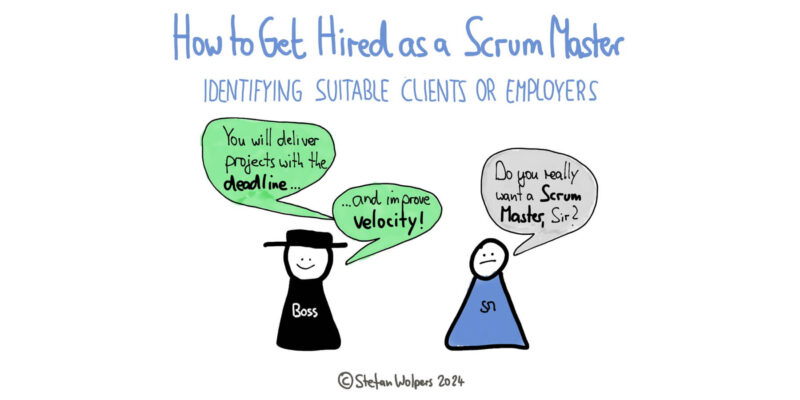
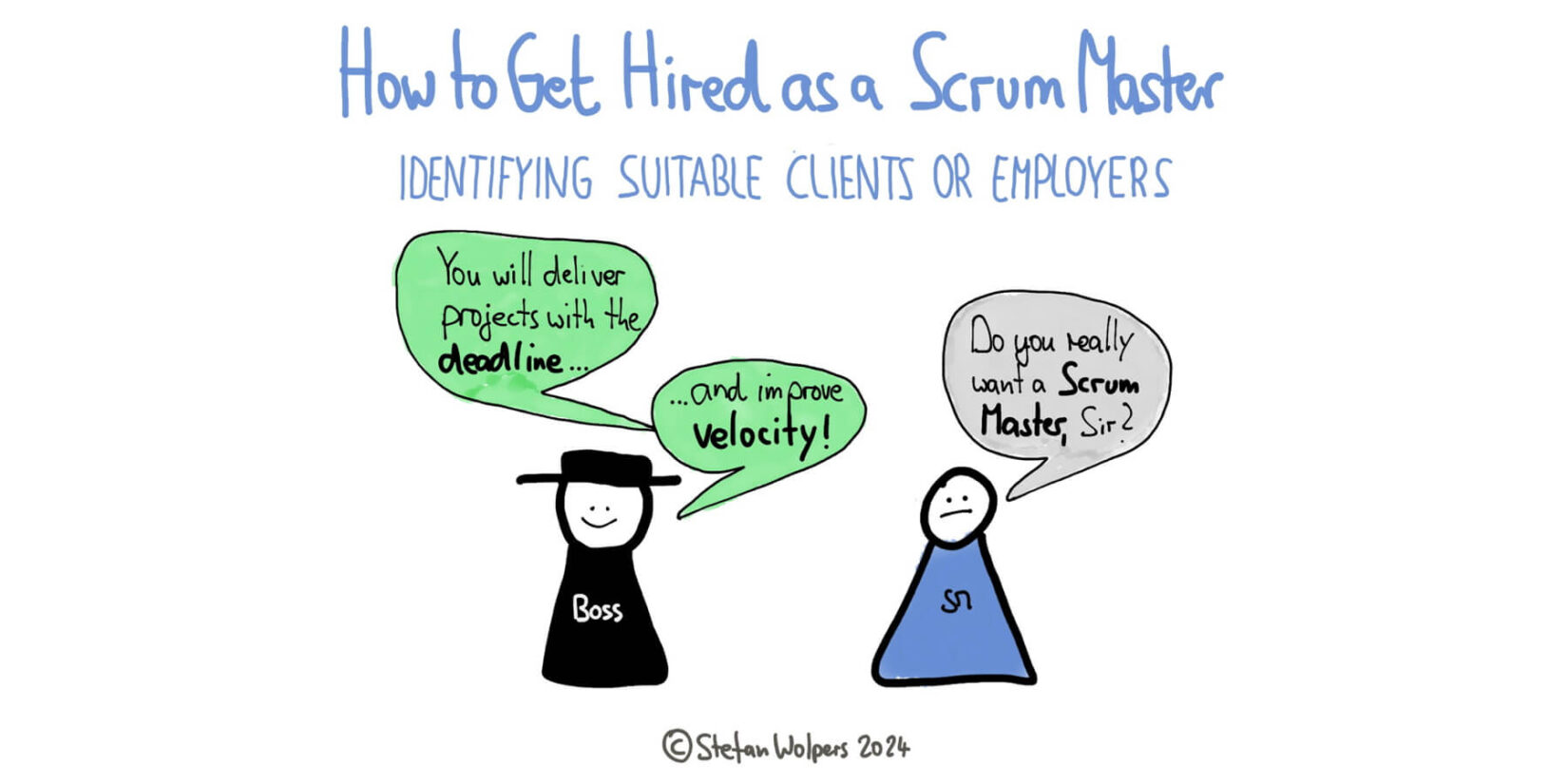
TL; DR: Getting Hired as a Scrum Master or Agile Coach
Are you considering a new Scrum Master or Agile Coach job? However, you are not sure that it is the right organization? Don’t worry; there are four steps of proactive research to identify suitable employers or clients for getting hired as a Scrum Master and avoid disappointment later.
I have used those four steps for years to identify organizations I would like to work with, and they never failed me. Read on and learn how to employ search engines, LinkedIn’s people search, reach out to peers in the agile community, and analyze the event markets in the quest for your next Scrum Master job.
TL; DR: Why Agile Fails — Food for Agile Thought #428
Welcome to the 428th edition of the Food for Agile Thought newsletter, shared with 42,147 peers. This week, Adam Yuret delves into why Agile fails, analyzing how traditional power structures resist Agile’s transparency and autonomy. Ant Murphy emphasizes the importance of decision velocity for innovation and adaptability, and Derek Jones discusses the shift from Waterfall to Agile, highlighting the need for adaptability in management. Wes Kao offers strategies for effectively discussing deadlines, focusing on intellectual honesty and trust. Lastly, John Cutler advises cautiously sharing complex topics to avoid workplace tension and advocates for a Trojan Horse approach to implementing change. Also, we delve into Agile Laws: From Conway to Goodhart to Parkinson to Occam’s Razor.
Then, Marty Cagan highlights the critical need for Product Owners and Managers to move beyond mere “product management theater,” emphasizing genuine contributions. Itamar Gilad advocates for evidence-guided decision-making, cautioning against the automatic acceptance of customer feedback, and Daria Beliakova examines the product management trends of 2024, including hyper-personalization and the challenge of subscription fatigue. Moreover, Lenny Rachitsky presents insights from Geoffrey Moore on navigating the market’s chasm from early adopters to mainstream success, detailing strategic go-to-market playbooks for disruptive technologies.
Lastly, Matt O’Connell delves into Opportunity Solution Tree (OST) patterns to improve team collaboration and problem-solving without specialized tools. Willem-Jan Ageling critiques organizational silos, advocating for trust and cooperation to achieve unified success, and Nick Brown discusses advancing beyond traditional predictability measures in agile teams with Process Behavior Charts at ASOS Tech, offering a more objective assessment of team performance. Finally, Steven Sinofsky shares a personal narrative on how the launch of the Apple Macintosh in 1984 revolutionized his approach to computing, emphasizing its ease of use and transformative impact.
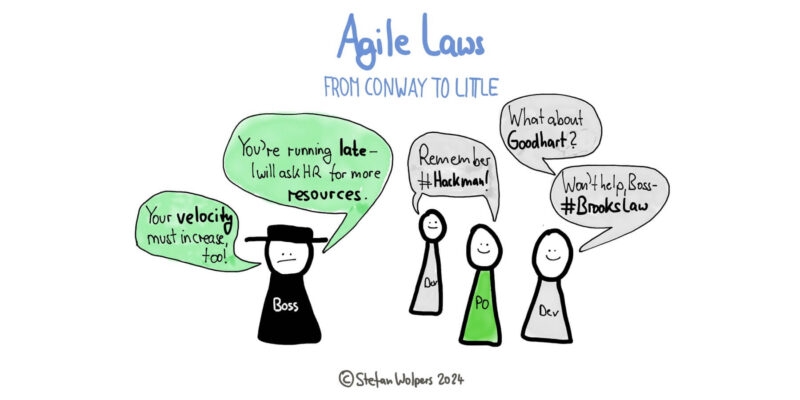
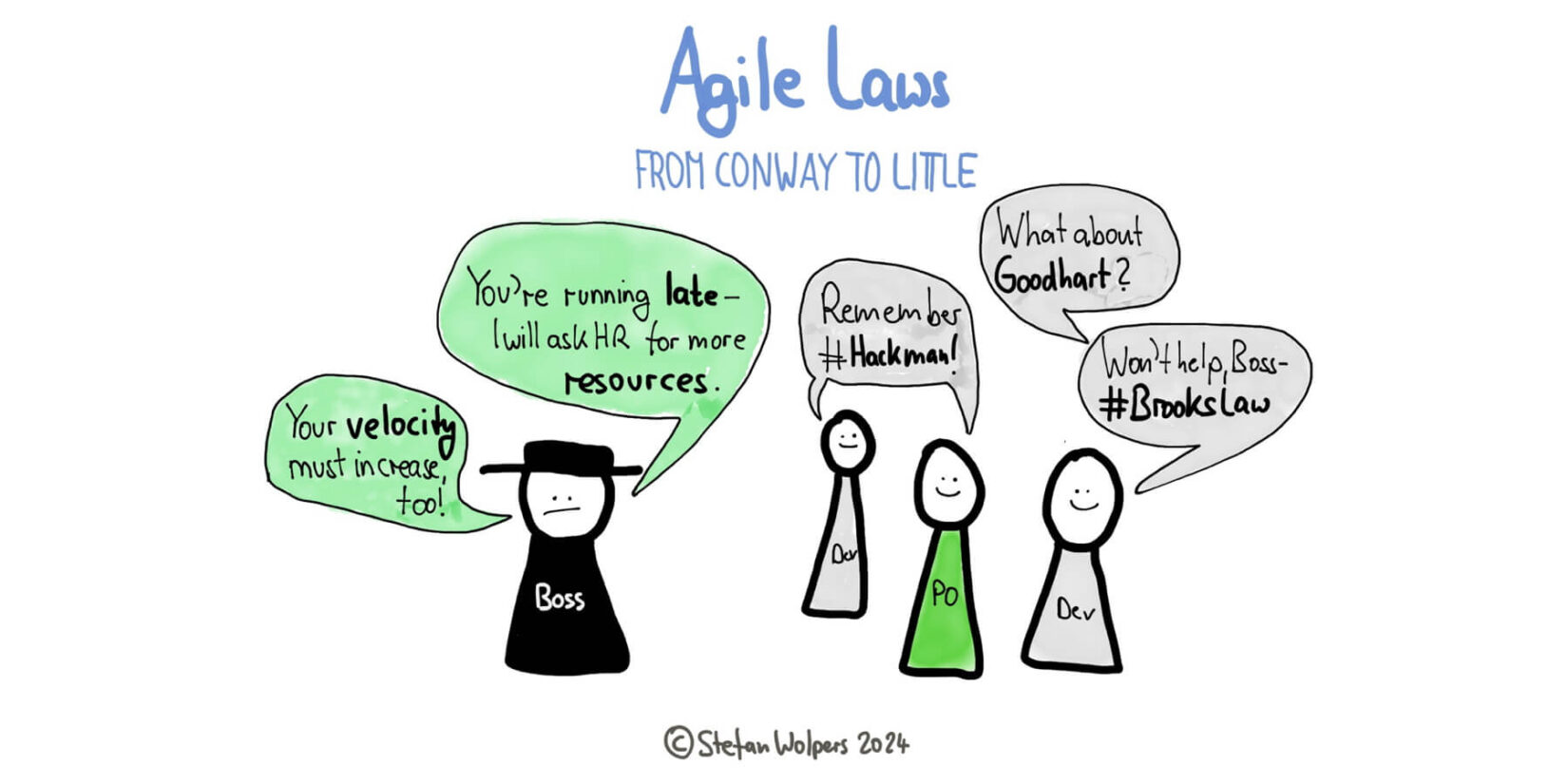
On many occasions, working with agile teams has amplified existing organizational, technical, and cultural challenges in many organizations. Starting to change always requires the acceptance that there is a problem that needs attention. The following article addresses some of the most prevailing impediments to achieving agility by revisiting several agile laws that are particularly relevant to any team’s effectiveness in solving customer problems.
TL; DR: Continuous Product Improvement — Food for Agile Thought #427
Welcome to the 427th edition of the Food for Agile Thought newsletter, shared with 47,634 peers. This week, Jeff Patton outlines a continuous product improvement cycle, highlighting its critical stages, and Brian Link delves into the evolving landscape of agile practices, reflecting on the recent dynamics. Heidi Helfand shares valuable strategies from her book “Dynamic Reteaming,” while Joost Minnaar advocates personal transformation as a critical element in successful organizational change. Also, we ask whether Scrum GPTs pose a challenge to Scrum Masters.
Then, Roman Pichler shares essential tips on product portfolio strategy, while Alistair Cockburn advocates using simple use cases and user stories in Agile teams. Jason Evanish guides Product Managers on helping engineers improve feature delivery estimates, and Thiago Brant explores the importance of Business Agility across all areas of your organization, pointing to useful practices and helpful frameworks.
Lastly, Alex Ewerlöf discusses the concept of ‘tech gamble’ and the importance of informed decision-making in technology development. The Consortium for Information & Software Quality™ highlights the high cost of poor software quality in the US, and Dave Snowden reflects on his early work with matrices and their alignment with complexity science. Shane Hastie’s interview with psychologist John Fisher explores the Fisher Change Curve and its applications in change management. Finally, Economist Tyler Cowen delves into the evolving role of AI, from its potential for leveling the playing field to its broader societal implications in various domains.