by Stefan Wolpers|Agile and ScrumAgile TransitionLean and Product
TL; DR: Ethical AI or Risk?
Without ethical AI, Product Owners and Product Managers (PO/PMs) face a dilemma: balancing AI’s potential with its product discovery and delivery risks. Unchecked AI can introduce bias, compromise data, and erode empathy.
To navigate this, implement four guardrails: ensuring data privacy, preserving human value, validating AI outputs, and transparently attributing AI’s role. This approach transforms PO/PMs into ethical AI leaders, blending AI’s power with indispensable human judgment and empathy.
Learn why many Product Owners and Managers worry about the wrong thing: saying no instead of saying yes to everything. This article reveals three systematic rejection techniques that strengthen stakeholder relationships while protecting product strategy to avoid that organizational incentives sabotage product strategy.
Discover how those drive feature demands, why AI prototyping complicates strategic decisions, and how transparent Anti-Product Backlog systems transform resistance into collaboration.
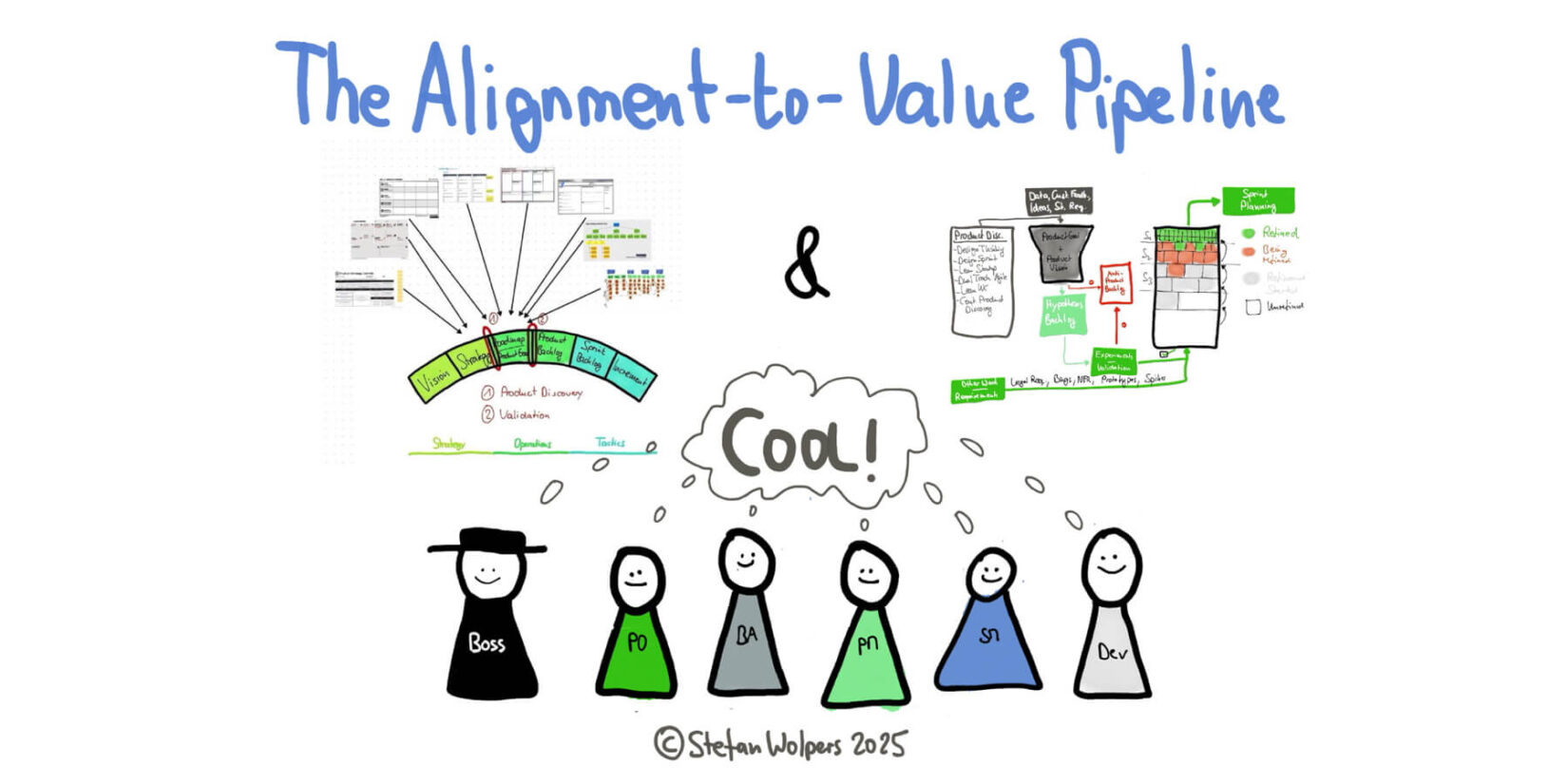
Effective product development requires both strategic alignment and healthy Product Backlog management. Misalignment leads to backlog bloat, trust erosion, and building the wrong products. By implementing proper alignment tools, separating discovery from delivery, and maintaining appropriate backlog size (3-6 sprints), teams can build products that truly matter. Success depends on trust, collaboration, risk navigation, and focusing on outcomes over outputs. Learn more about how to embrace the alignment-to-value pipeline and create your product operating model.
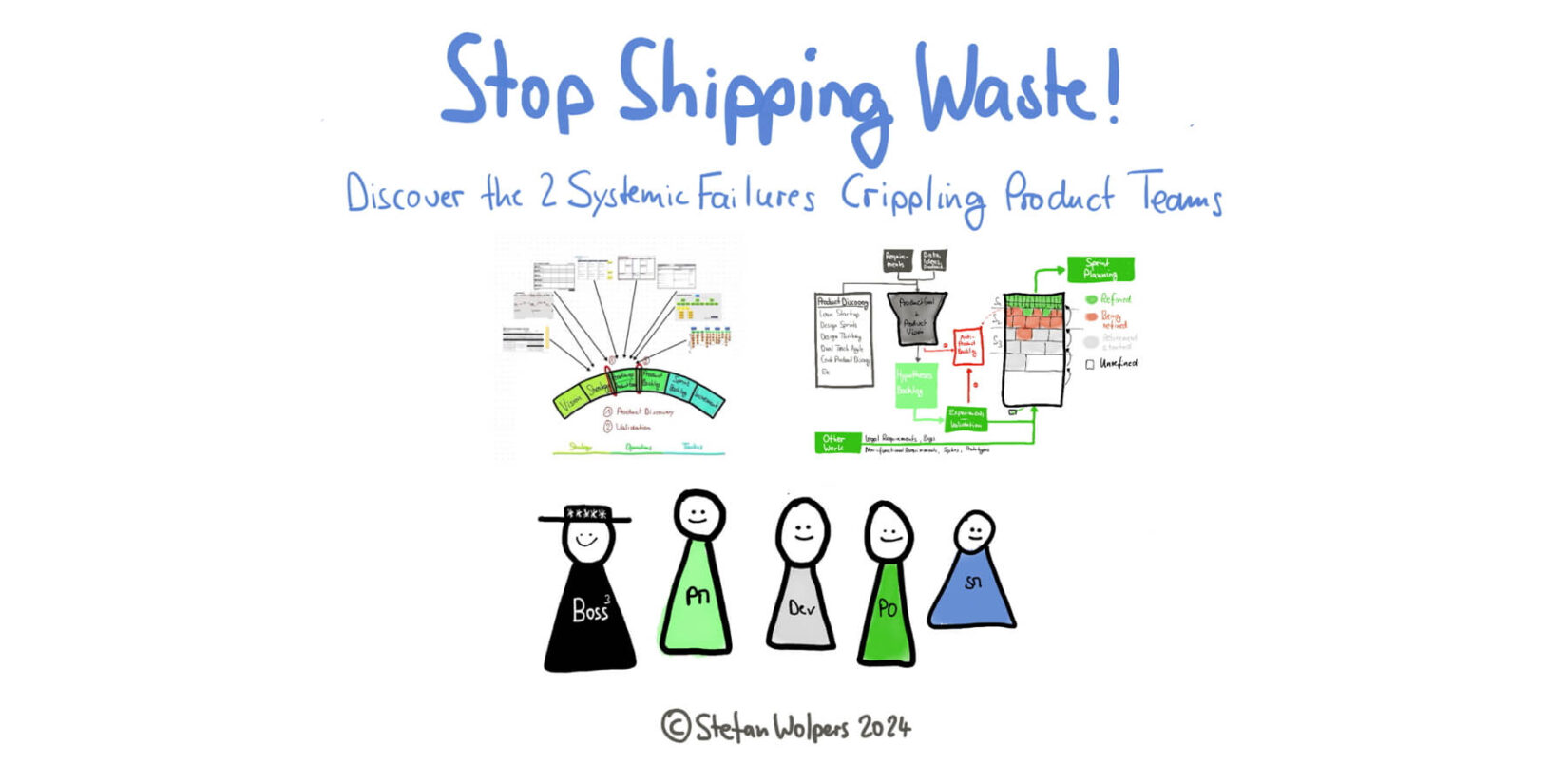
When product teams fail to establish stakeholder alignment and implement rigorous Product Backlog management, they get caught in an endless cycle of competing priorities, reactive delivery, and shipping waste.
The result? Wasted resources, frustrated teams, and missed business opportunities. Success in 2025 requires turning your Product Backlog from a chaotic wish list into a strategic tool that connects vision to value delivery. Learn how to do so.
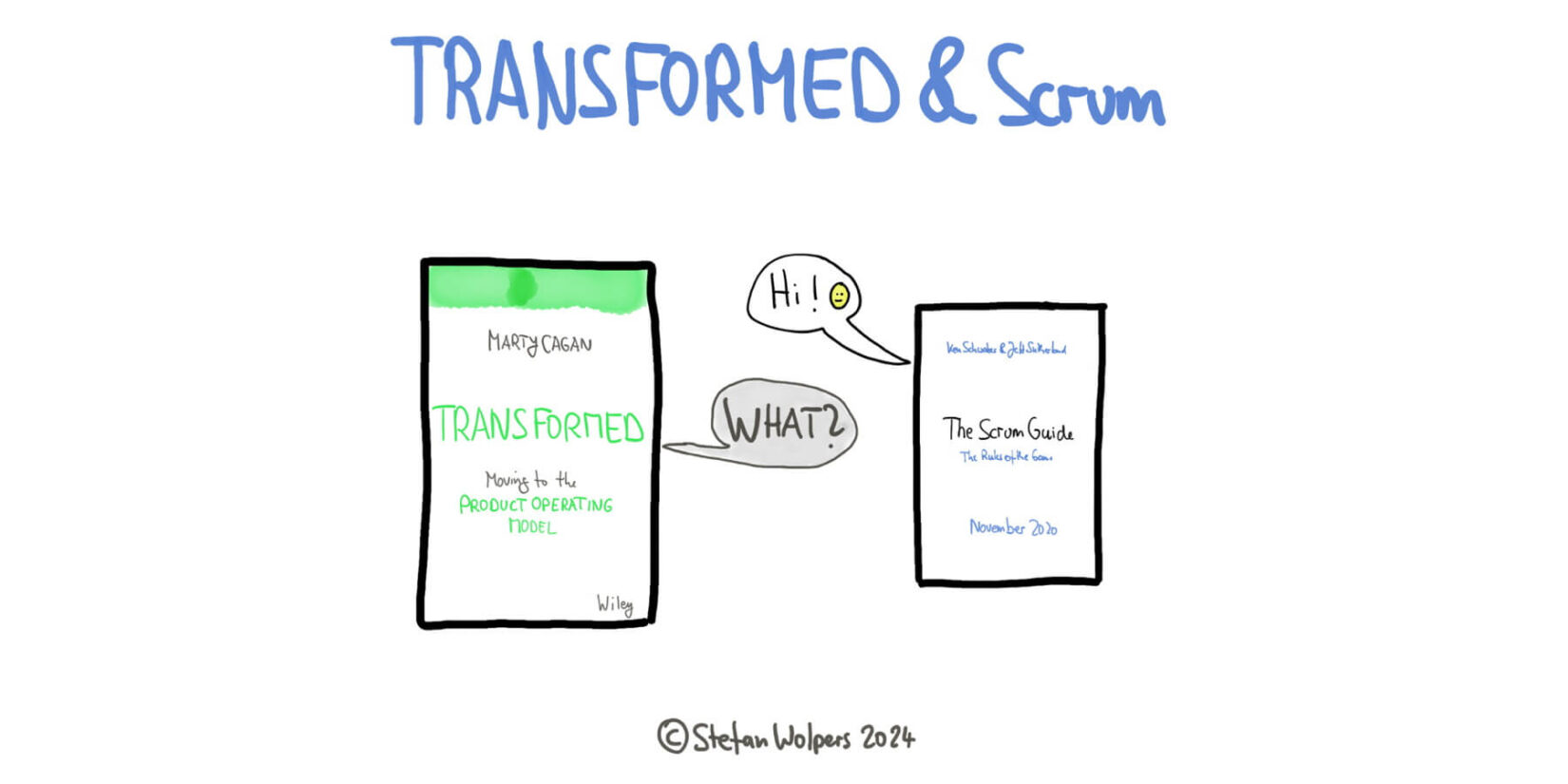
Despite criticism from the product community regarding Scrum as a framework for effective product creation, namely Marty Cagan himself, I believe that it is worthwhile to compare the principles that help form successful product teams with those of Scrum. Let’s delve into an analysis of “Transformed” and how its principles align with Scrum’s.