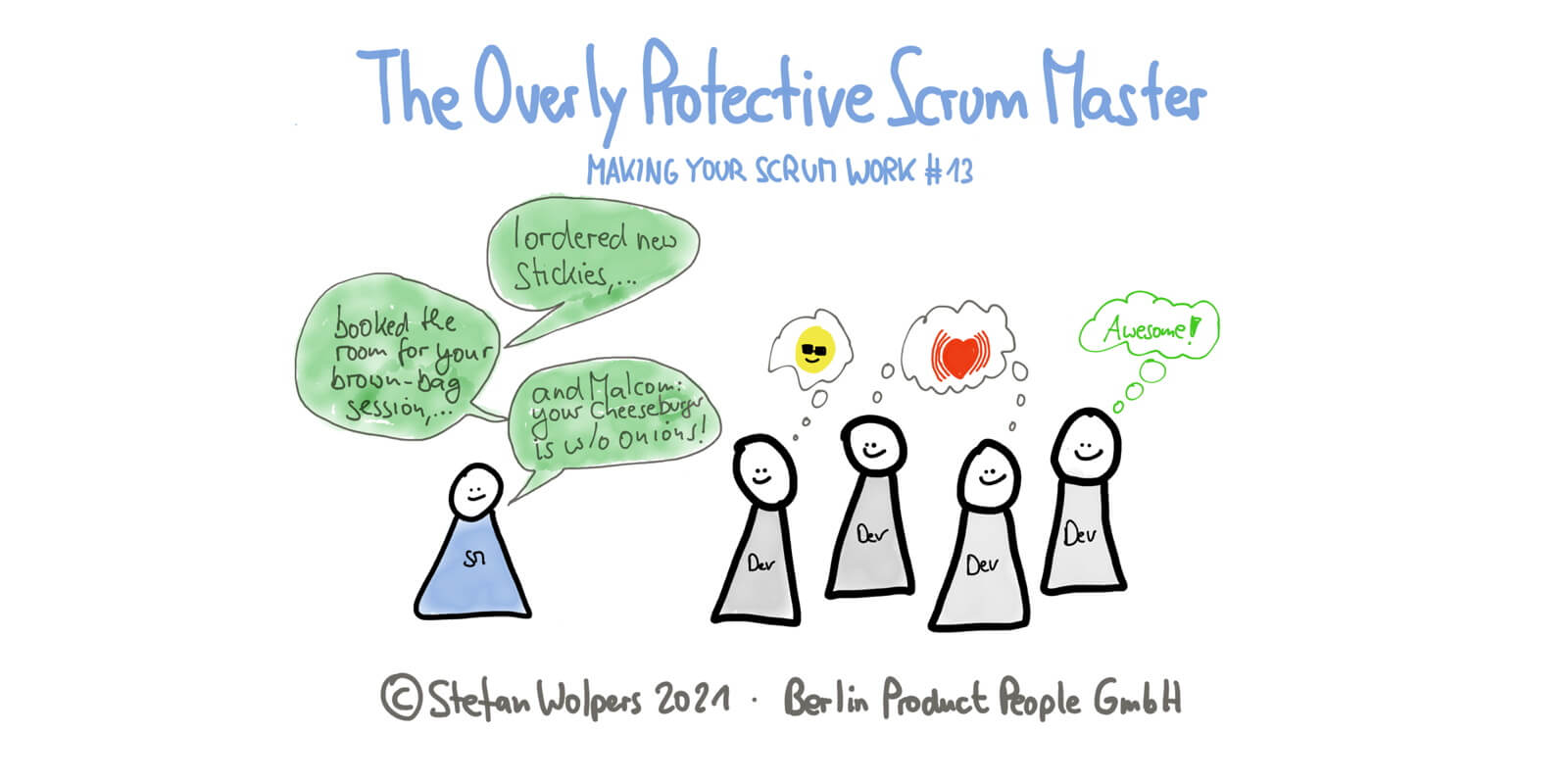
TL; DR: When Scrum Masters Fail — Making Your Scrum Work #13
There are plenty of failure possibilities with Scrum. Given that Scrum is a framework with a reasonable yet short “manual,” this effect should not surprise anyone. Scrum thrives when the Scrum teams are self-managing while Scrum Masters embrace their role as servant-leaders. However, this also implies that Scrum Masters fail when they are overly protective.
📺 Join me and explore the consequences of the overly protective Scrum Master and what you can do about it in less than three minutes.
Update: I am running a poll on LinkedIn—join the voting: “How can Scrum Masters fail their team by being overly protective or supportive?”
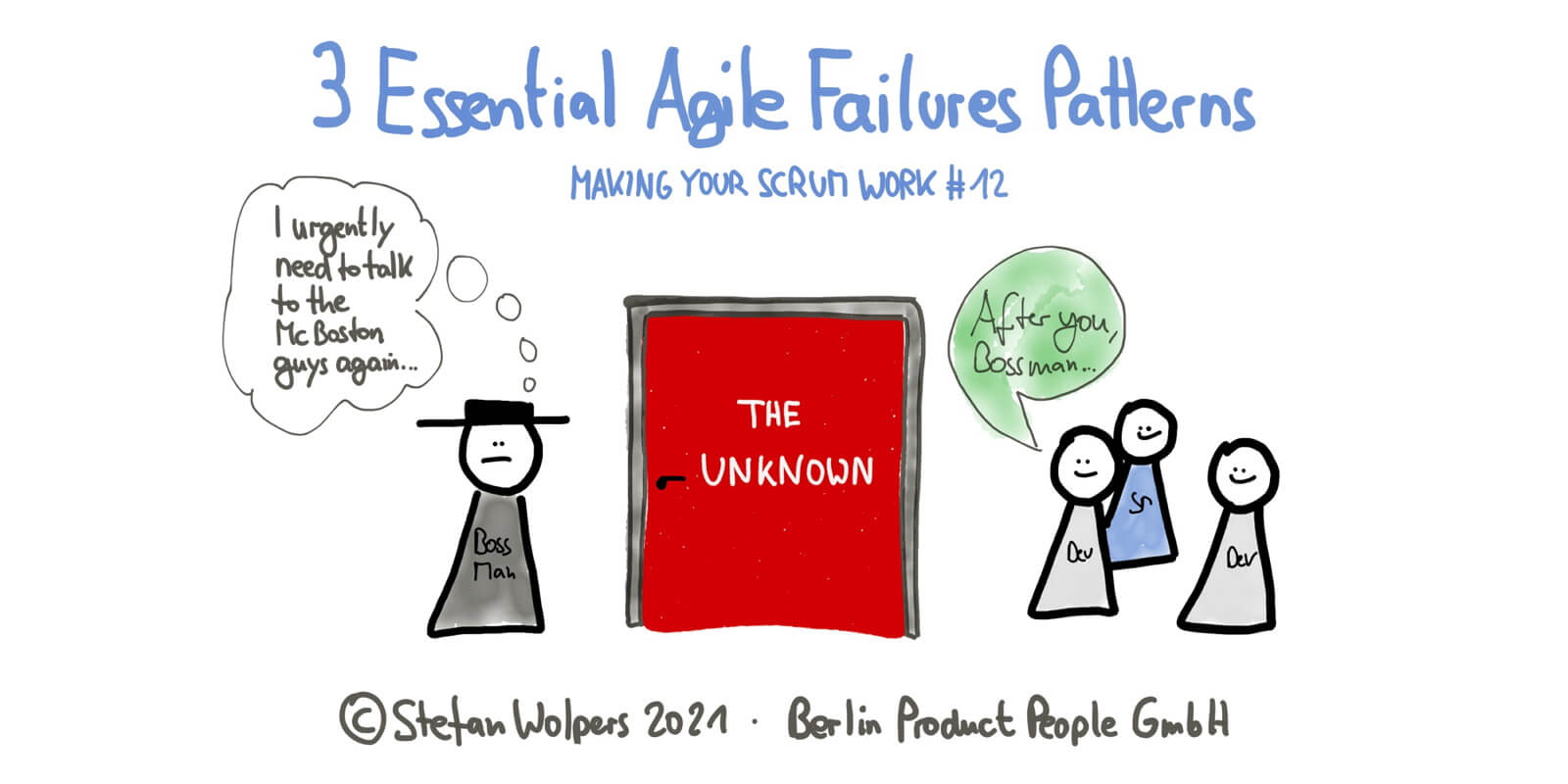
TL; DR: Essential Agile Failure Patterns — When Noise Interferes with Signal
There are plenty of failure possibilities with Scrum. Given that Scrum is a framework with a reasonable yet short “manual,” this effect should not surprise anyone. When Scrum becomes an element of an agile transformation, the following three common essential agile failure patterns prove to be an exceptionally tough nut to crack for any Scrum Master.
📺 Join me and explore the consequences of foreseeable failure patterns and what you can do about them in a little more than seven minutes.
TL; DR: The Oversized Product Backlog Problem — When Noise Interferes with Signal
There are plenty of failure possibilities with Scrum. Given that Scrum is a framework with a reasonable yet short “manual,” this effect should not surprise anyone. Neglecting the critical Scrum artifact for continuous value creation is one of the common Scrum anti-patterns. If your Scrum Team strives to make your customers’ lives easier Sprint after Sprint, beware of the oversized Product Backlog.
📺 Join me and explore the consequences of inadequate Product Backlog management in less than three minutes.
Update: I am running a poll on LinkedIn—join the voting: “What reasons have you observed why Scrum Teams stuff their Product Backlogs — a very costly pattern that diminishes ROI and value creation?”
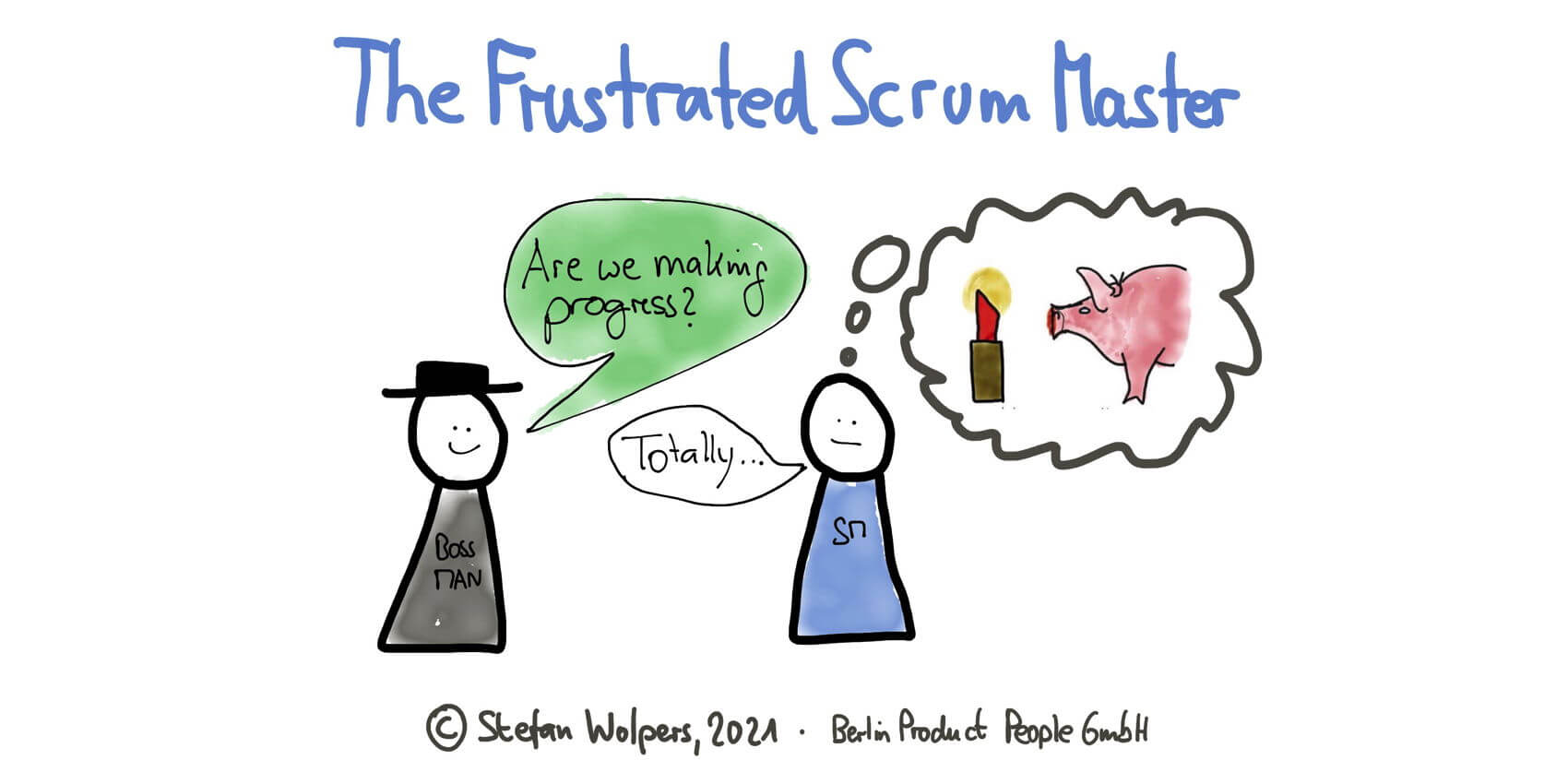
TL; DR: The Frustrated Scrum Master — When all the Effort Leads Nowhere
There are plenty of failure possibilities with Scrum. Given that Scrum is a framework with a reasonable yet short “manual,” this effect should not surprise anyone. One failure symptom of a botched agile transformation is the frustrated Scrum Master.
📺 Join me and explore the consequences of a Scrum Master who has thrown in the towel in 92 seconds.
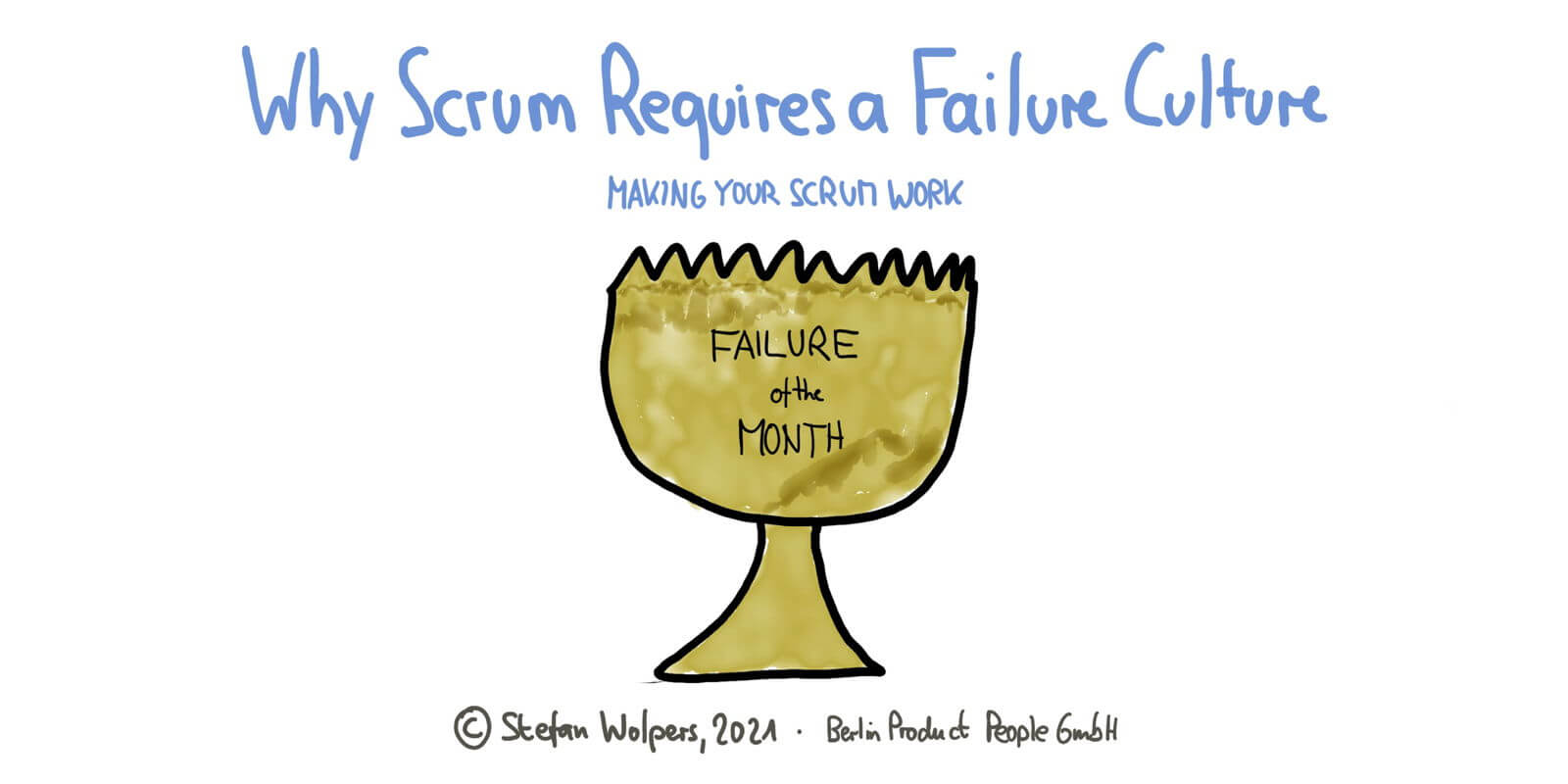
TL; DR: Scrum Failure Culture: A Requirement to Be Successful
There are plenty of failure possibilities with Scrum. Given that Scrum is a framework with a reasonable yet short “manual,” this effect should not surprise anyone. To make things worse, a crucial success factor of every Scrum team is not even mentioned in the Scrum Guide: Any organization that wants to employ Scrum to learn faster than its competitors needs to have a solid failure culture.
📺 Join me and explore the consequences of not living a failure culture in less than three minutes.
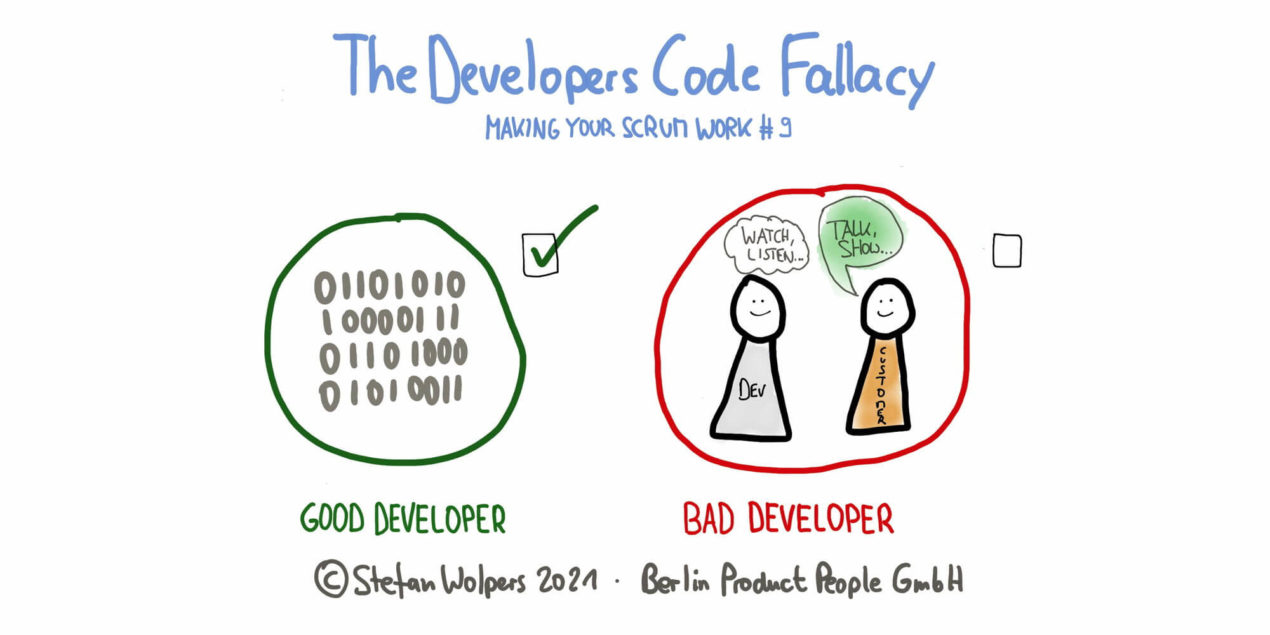
TL; DR: The Developers Code Fallacy — They Should Talk to Customers, Too, Though
There are plenty of failure possibilities with Scrum. Given that Scrum is a framework with a reasonable yet short “manual,” this effect should not surprise anyone. The Developers Code Fallacy starts with the idea that Developers are rare and expensive and should focus on creating code. Business analysts or customer care agents can talk to customers instead. However, in practice, it has a diminishing effect on a Scrum team’s productivity and creativity. It is a sign for an organization still profoundly stuck in industrial paradigm thinking.
Join me and explore the reasons and the consequences of this Scrum anti-pattern in 110 seconds.