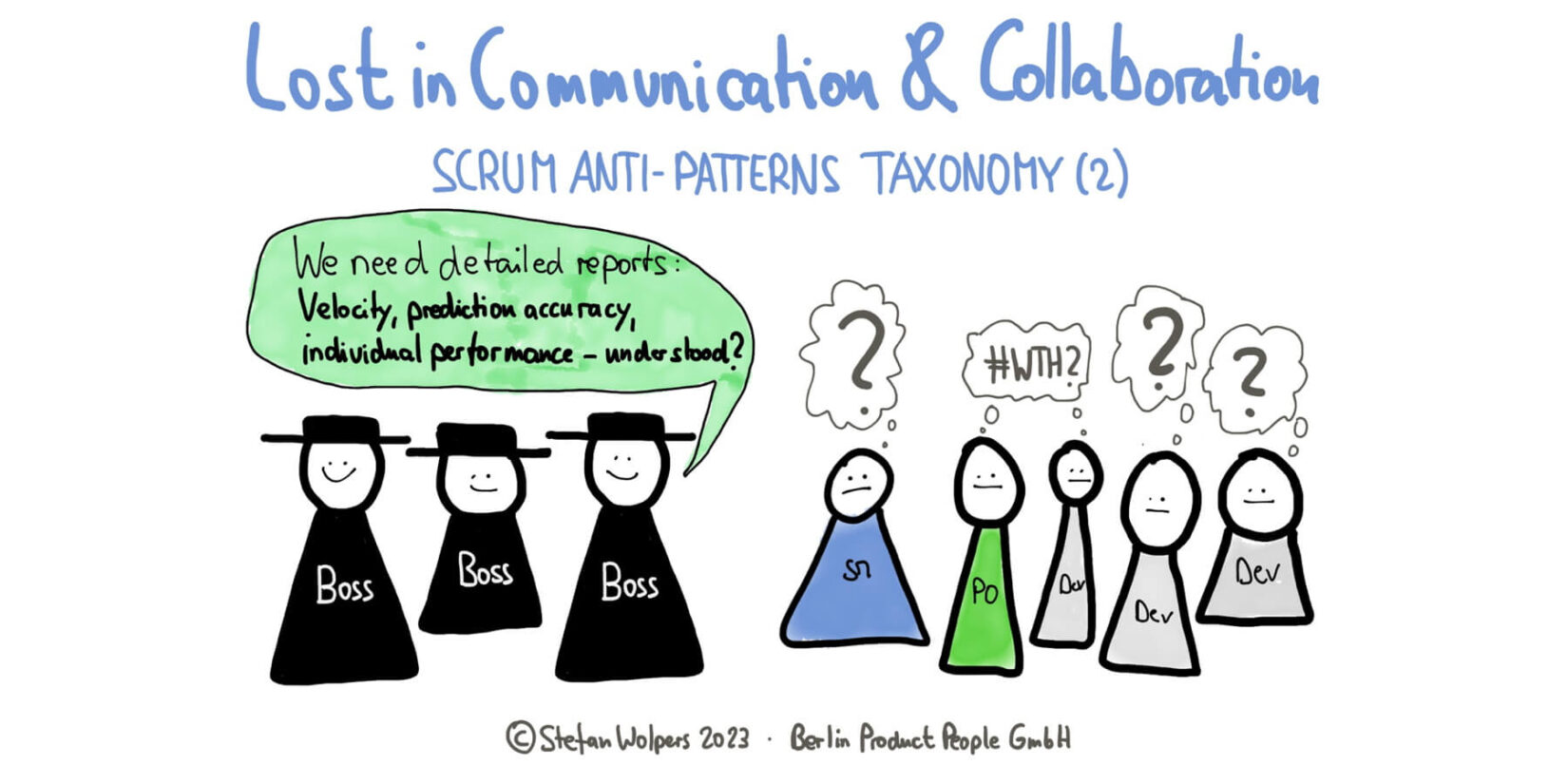
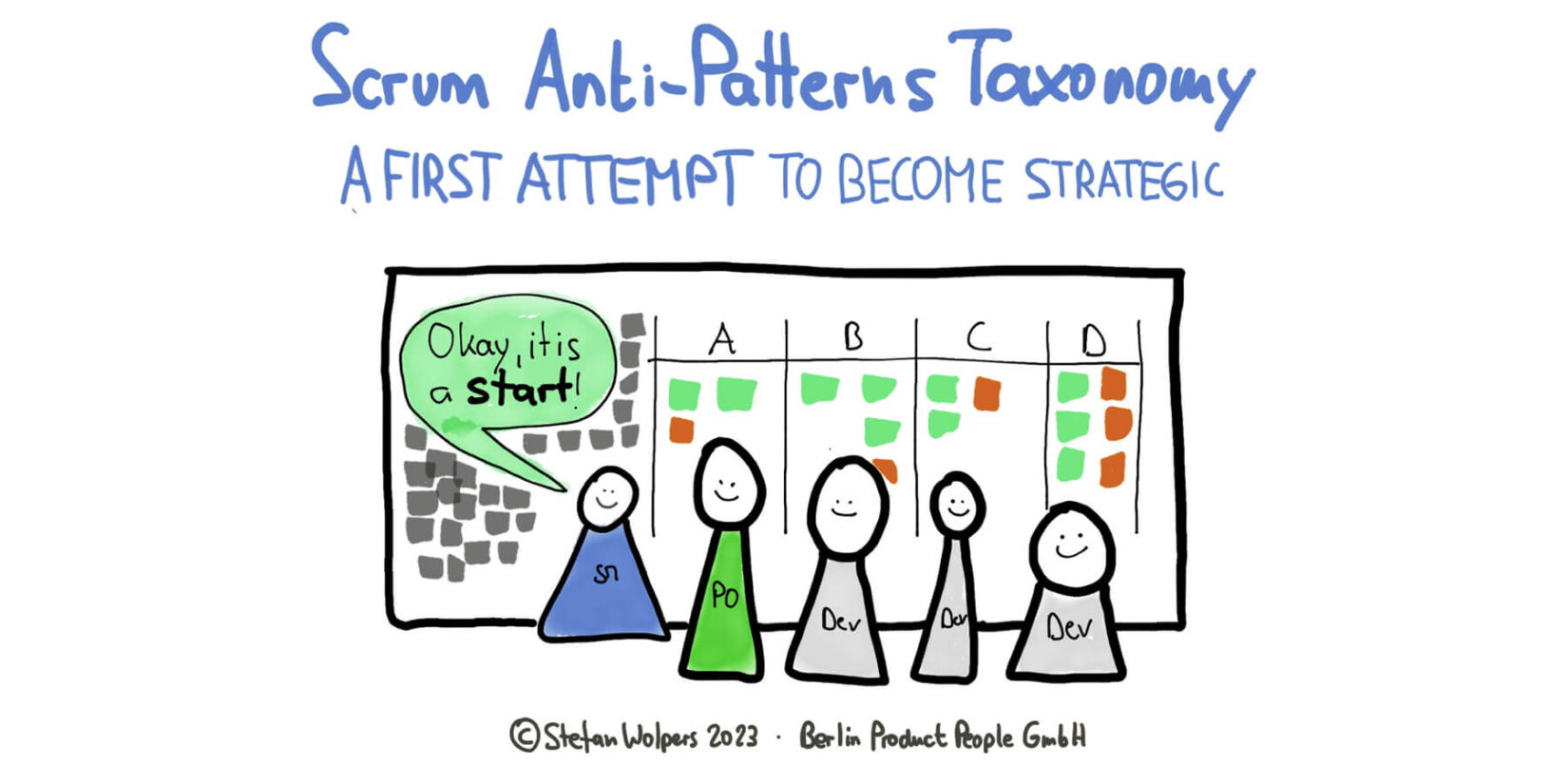
Lost in Communication and Collaboration addresses two categories from the Scrum anti-patterns taxonomy that are closely aligned: ineffective collaboration at the stakeholder level, often resulting in an unsuited reporting system based on misaligned metrics.
Learn how these Scrum anti-patterns categories manifest themselves and how they affect value creation for customers and the organization’s long-term sustainability.
This is the second of three articles analyzing the 183 anti-patterns from the upcoming Scrum Anti-Patterns Guide book. The third article will address failures and breakdowns in planning, process, collaboration, and alignment within the Scrum framework.
by Stefan Wolpers|Agile and ScrumAgile TransitionVideos
TL; DR: Hands-on Agile #52: Jim Highsmith & the Agile Manifesto
On August 17, 2023, we had the opportunity to interview Jim Highsmith about his path to agile product development: From Wild West to the co-authoring the Agile Manifesto.
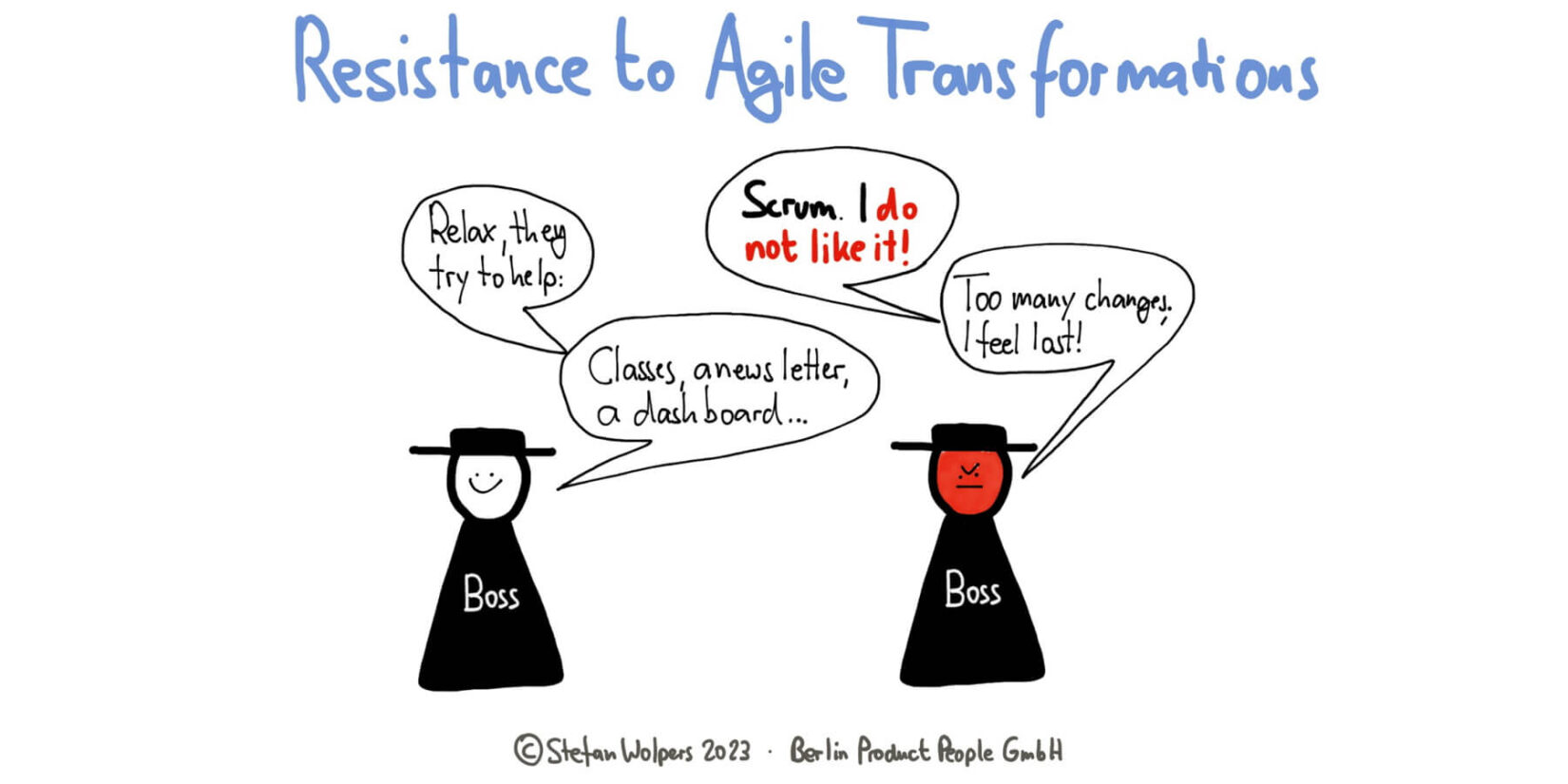
Stakeholders often revert to resistance to agile transformations due to fears about job security, perceived loss of control, comfort with established practices, and misconceptions about Agile.
However, we can help: Agile practitioners can ease the change process by employing techniques such as empathetic listening, co-creating the change process, introducing incremental changes, offering targeted education, and showcasing internal success stories. Addressing resistance with understanding and respect is pivotal to a successful agile transformation.
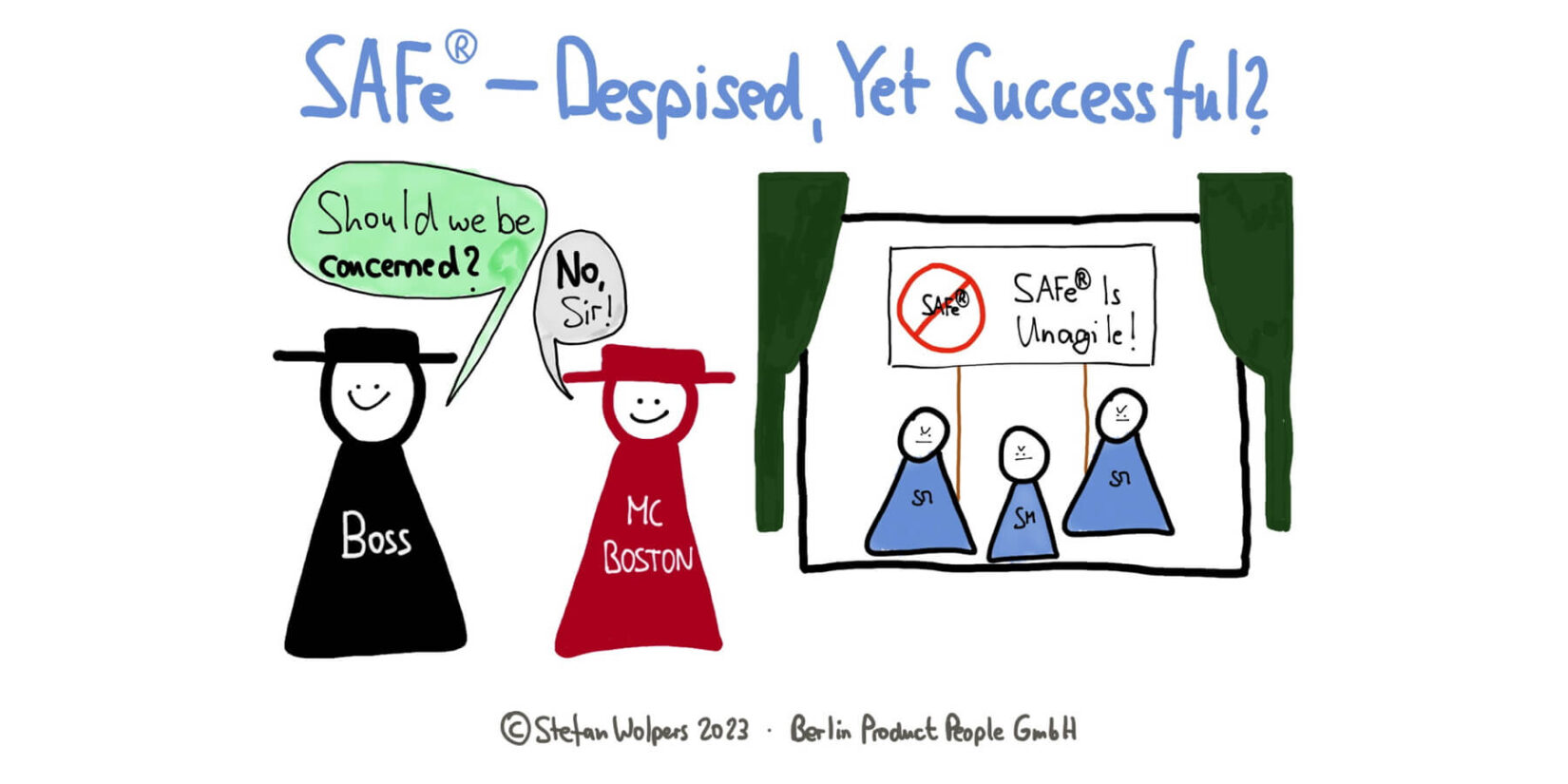
Many in the Agile community consider the Scaled Agile Framework designed by Dean Leffingwell and Drew Jemilo as unagile, violating the Agile Manifesto and the Scrum Guide. “True agilists” would never employ SAFe® to help transition corporations to agility. SAFe® is an abomination of all essential principles of “agility.” They despise it.
Nevertheless, SAFe® has proven not only to be resilient but thriving. SAFe® has a growing market share in the corporate world and is now the agile framework of choice for many large organizations.
How come? Learn more about nine reasons for this development.
PS: I have no affiliation with SAFe® whatsoever and consider it harmful. Yet there are lessons to learn.
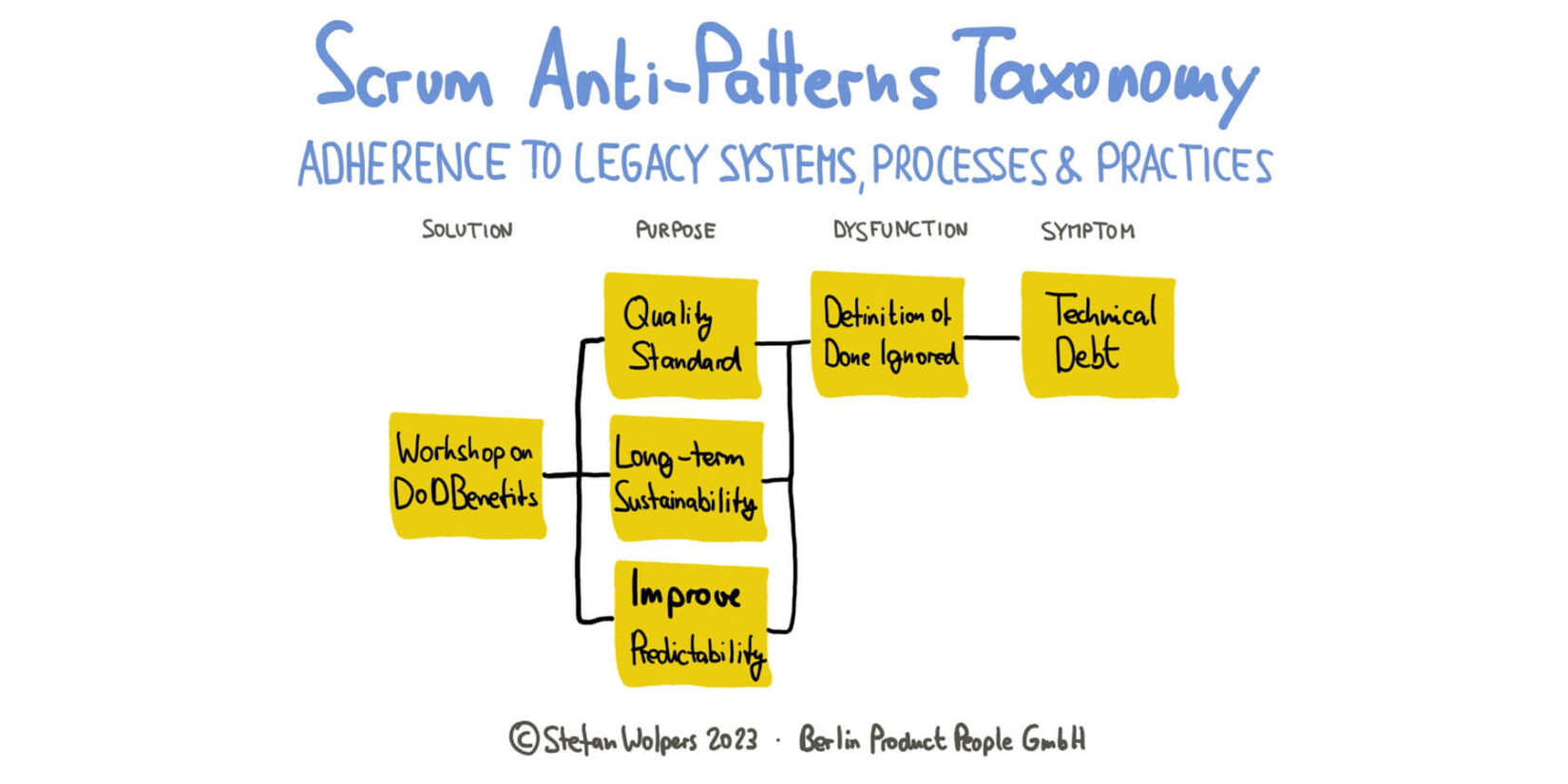
TL; DR: Adherence to Legacy Systems, Processes, and Practices
Administrative overreach and micromanagement in Scrum mainly arise from clinging to legacy systems and traditional (management) practices, leading to rigidity and misapplication of Agile principles. The excessive control by stakeholders and the management level stifles creativity and adaptability, disrupting planning and hindering a Scrum team’s growth. Moreover, these categories from the Scrum anti-patterns taxonomy often emphasize an unbalanced focus on short-term gains, neglecting long-term strategy, value creation, and the essential alignment among all stakeholders to succeed in uncertainty.
Learn how these Scrum anti-patterns categories manifest themselves and how they affect value creation for customers and the long-term sustainability of the organization.
This is the first of three articles analyzing the 183 anti-patterns from the upcoming Scrum Anti-Patterns Guide book. The following article will address communication and collaboration issues at the team and organizational levels.
As the editing process of the Scrum Anti-Patterns Guide is nearing its end, it is time to take the next step. The brand new Scrum Anti-Patterns Guide offers 180-plus anti-patterns organized by roles, events, artifacts, and commitments. However, the Guide does not create a meta-level or abstract Scrum anti-patterns taxonomy. Consequently, the Guide does not provide an overall strategy to counter or evade Scrum anti-patterns at a personal, cultural, structural, or organizational level. The question is whether it is possible to create such a taxonomy.
Read on and learn more about the first steps of completing the big picture of Scrum anti-patterns.