TL;DR: Use Burn-Down Charts to Discover Scrum Anti-Patterns
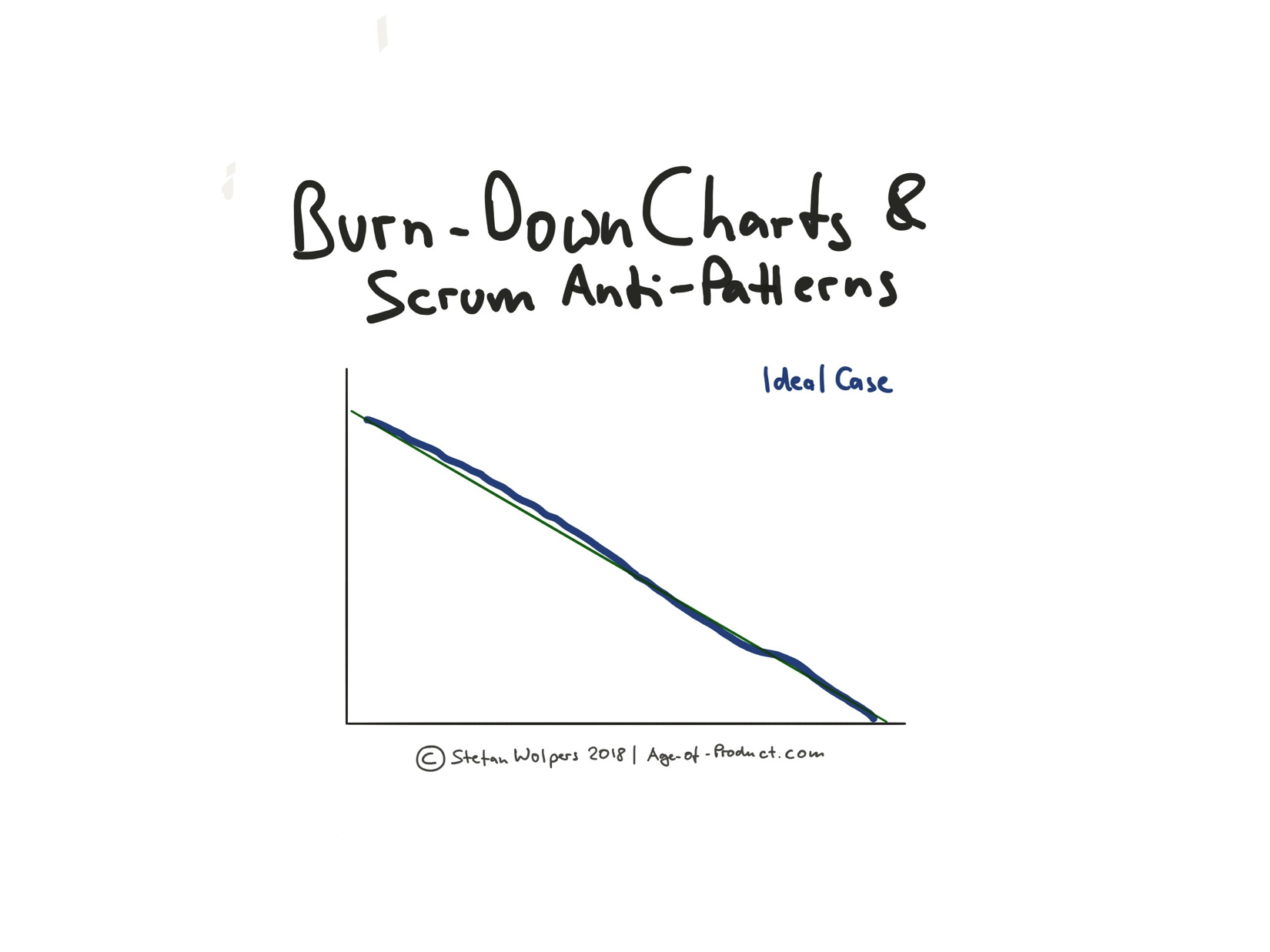
A burn-down chart tracks the progress of a team toward a goal by visualizing the remaining work in comparison to the available time. So far, so good. More interesting than reporting a status, however, is the fact that burn-down charts also visualize Scrum anti-patterns of a team or its organization.
Learn more about discovering these anti-patterns that can range from systemic issues like queues outside a team’s sphere of influence and other organizational debt to a team’s fluency in agile practices.
TL;DR: How to Measure Agility of Organizations and Teams
Is every organization suited to become ‘agile?’ If so: How to measure agility? And if not: Wouldn’t it be great figuring that out before embarking on a futile and expensive journey?
On February 3rd, 2018, 20-plus people will join a hackathon to build an agility assessment framework based on this taxonomy. The goal of the workshop is to provide the first version of a tool that empowers agile practitioners to measure agility, be it an organization’s suitability for agile practices or a team’s progress on its path to becoming agile.
🏖 & 📖: Free Download of ‘How to Get Hired as a Scrum Master’ as a Kindle Ebook on Amazon
Summer 2019 is coming, and I like to give away two Kindle ebooks you might consider adding to your reading list. From today until next Monday, that is June 20–24th, 2019, ‘ How to Get Hired as a Scrum Master’ will be available for free on Amazon: Download your copy of ‘How to Get Hired as a Scrum Master’ now.
Check also for ‘Lean User Testing.’ This title is also available for free in Amazon’s Kindle shop.
TL;DR: Scrum Master Career: How to Get Hired as a Scrum Master
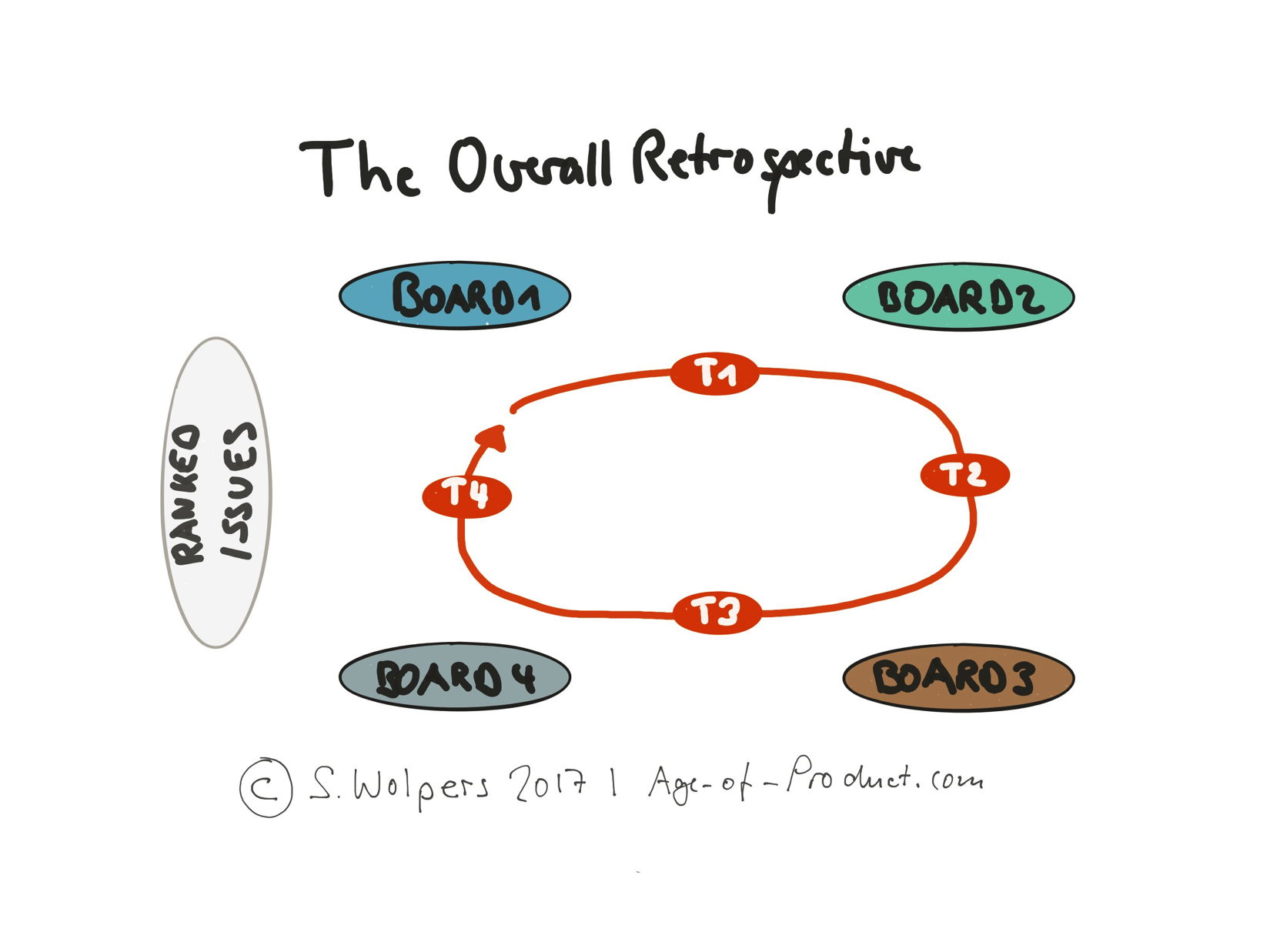
After rebuilding an existing application on a new tech stack within time and under budget our team had an overall retrospective with stakeholders this week to identify systemic issues. We found more than 20 problems in total and derived eight detailed recommendations the organization will need to address when moving forward to the next level of agile product creation.
Read on and learn how we achieved this result in under two hours with an overall retrospective attended by 16 people.