TL; DR: 20 Questions to Ask the Product Owner to Get up to Speed as a New Scrum Master
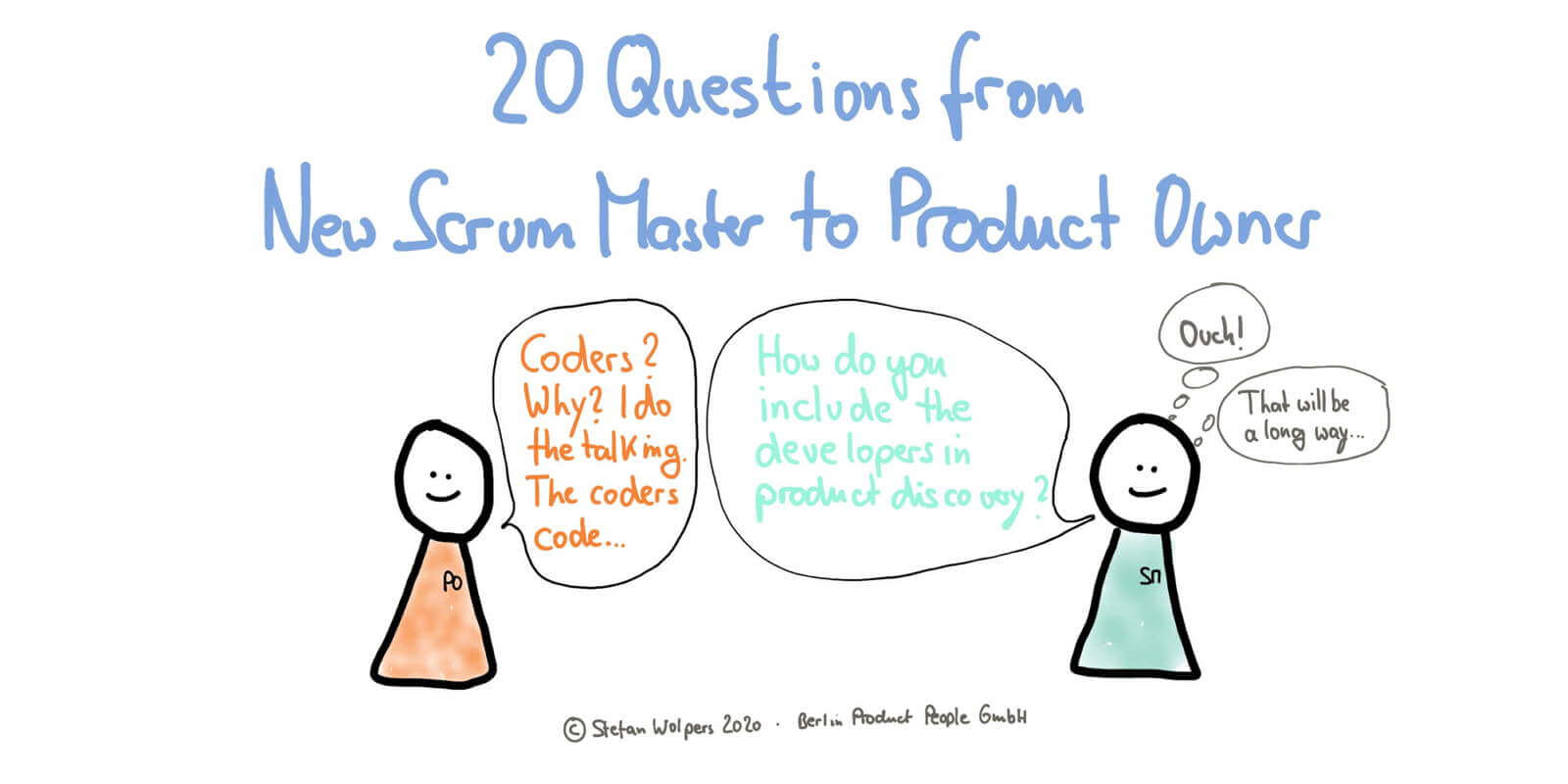
From Scrum Master to Product Owner, this set of questions addresses the future collaboration between the two individuals and the rest of the Scrum Team. The questions have been modeled after some basic principles, that high performing teams have in common. Download a printable template for your convenience.
by Stefan Wolpers|Agile and ScrumAgile TransitionLean and Product
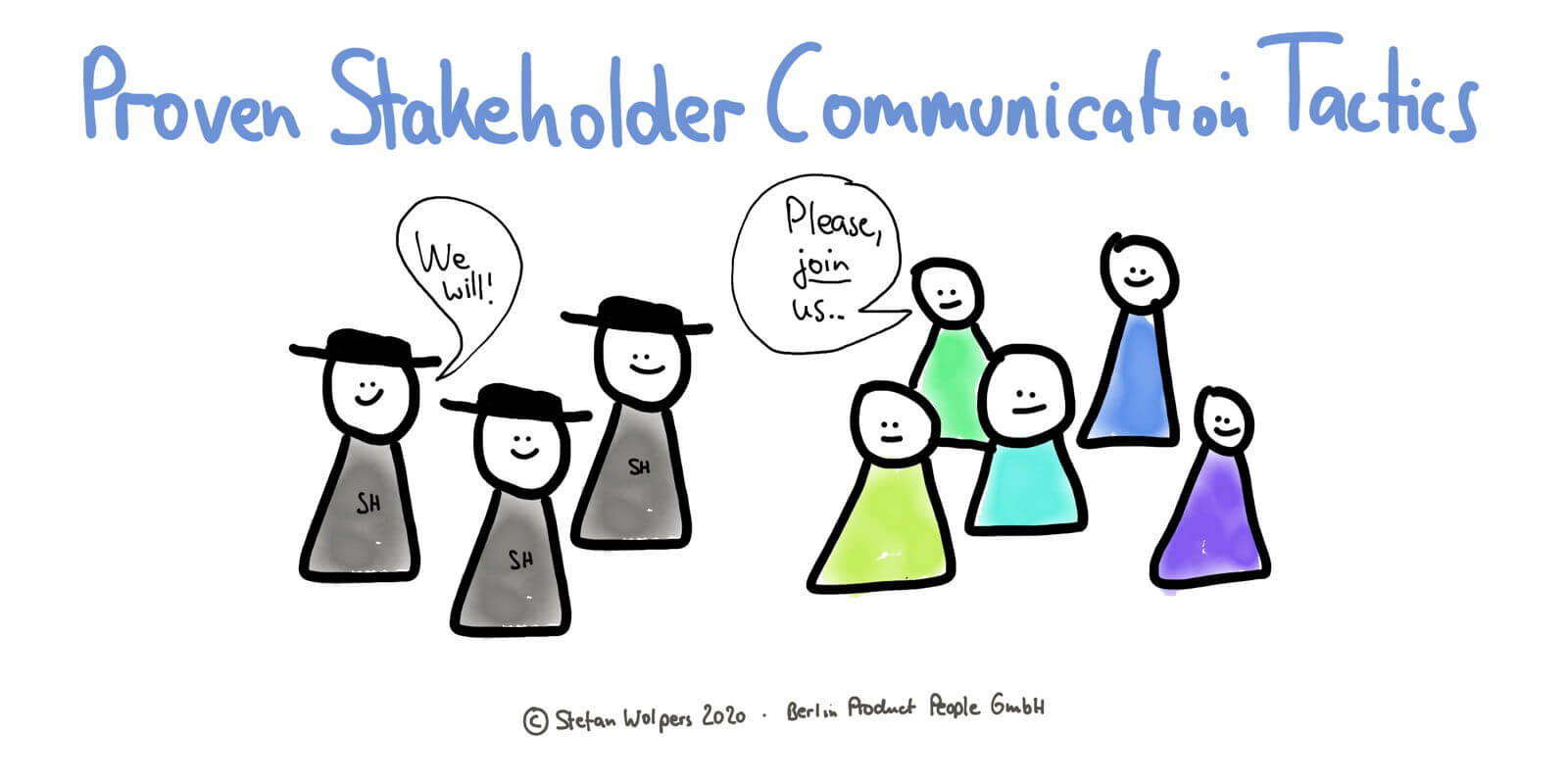
TL; DR: 11 Proven Stakeholder Communication Tactics
Stakeholder communication: It is simply not enough for an agile product development organization to create great code and ship the resulting product like a clockwork. It would help if you also talked about it, particularly at the beginning of your endeavor to becoming a learning organization. Marketing your journey to the rest of the organization—and thus securing their support, collaboration, and buy-in—is a critical success factor to step up the transformation game: You want to become agile, not “do agile.”
Learn more about eleven proven stakeholder communications tactics that contribute to making this happen.
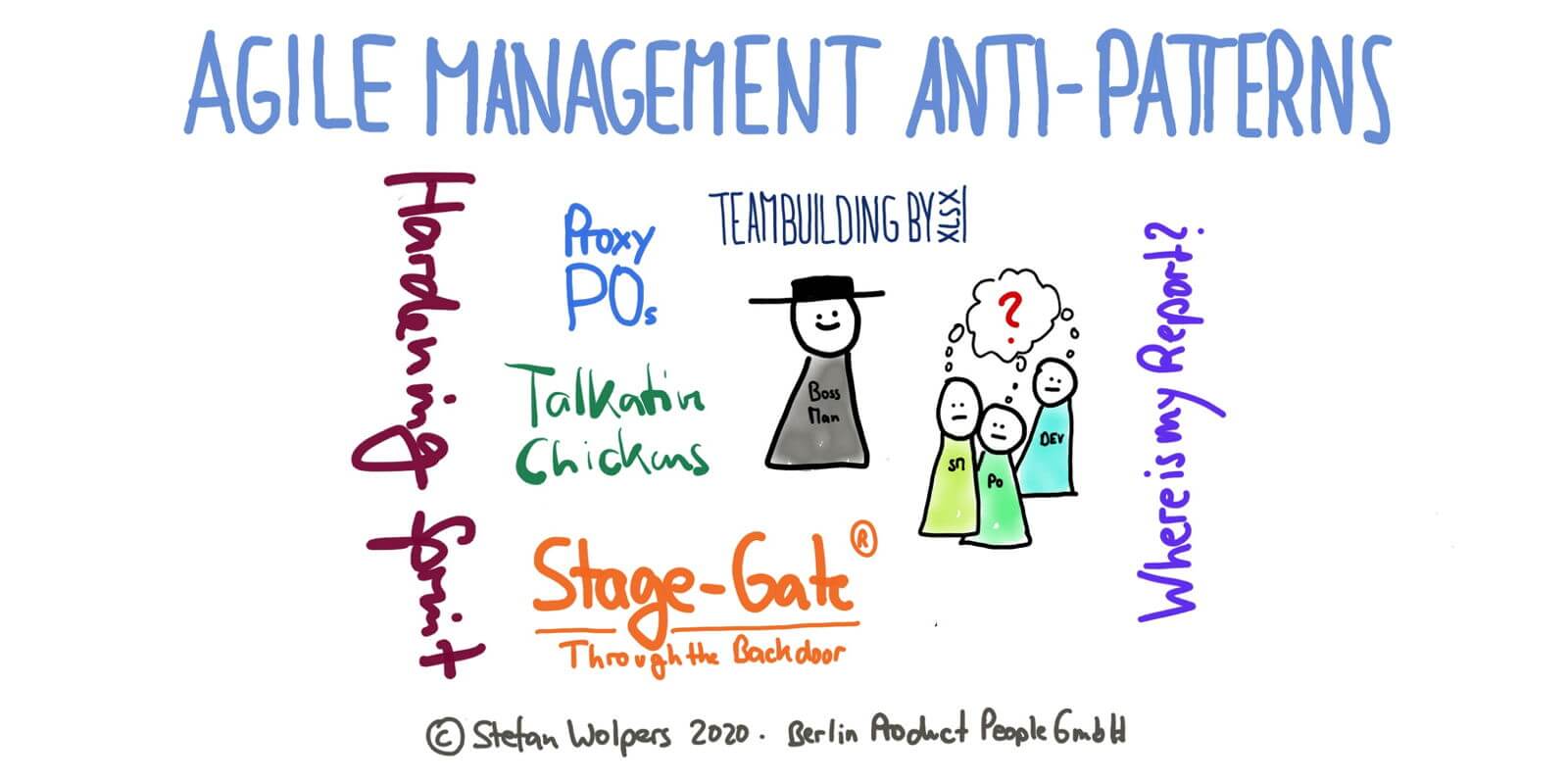
Learn more about agile management anti-patterns the aspiring servant leader should avoid during the organization’s transition: From applying the Stage-Gate® approach through the back door to the ‘where is my report’ attitude to other beloved signs of applied Taylorism.
TL; DR: 20 Questions a New Scrum Master Should Ask
Twenty questions for you — the new Scrum Master — that fit into a 60 minutes time-box. Start learning how your new Scrum Team is currently delivering the product and get up to speed: from Product Backlog forensics to metrics to team challenges and technical debt. Download a printable template for your convenience.
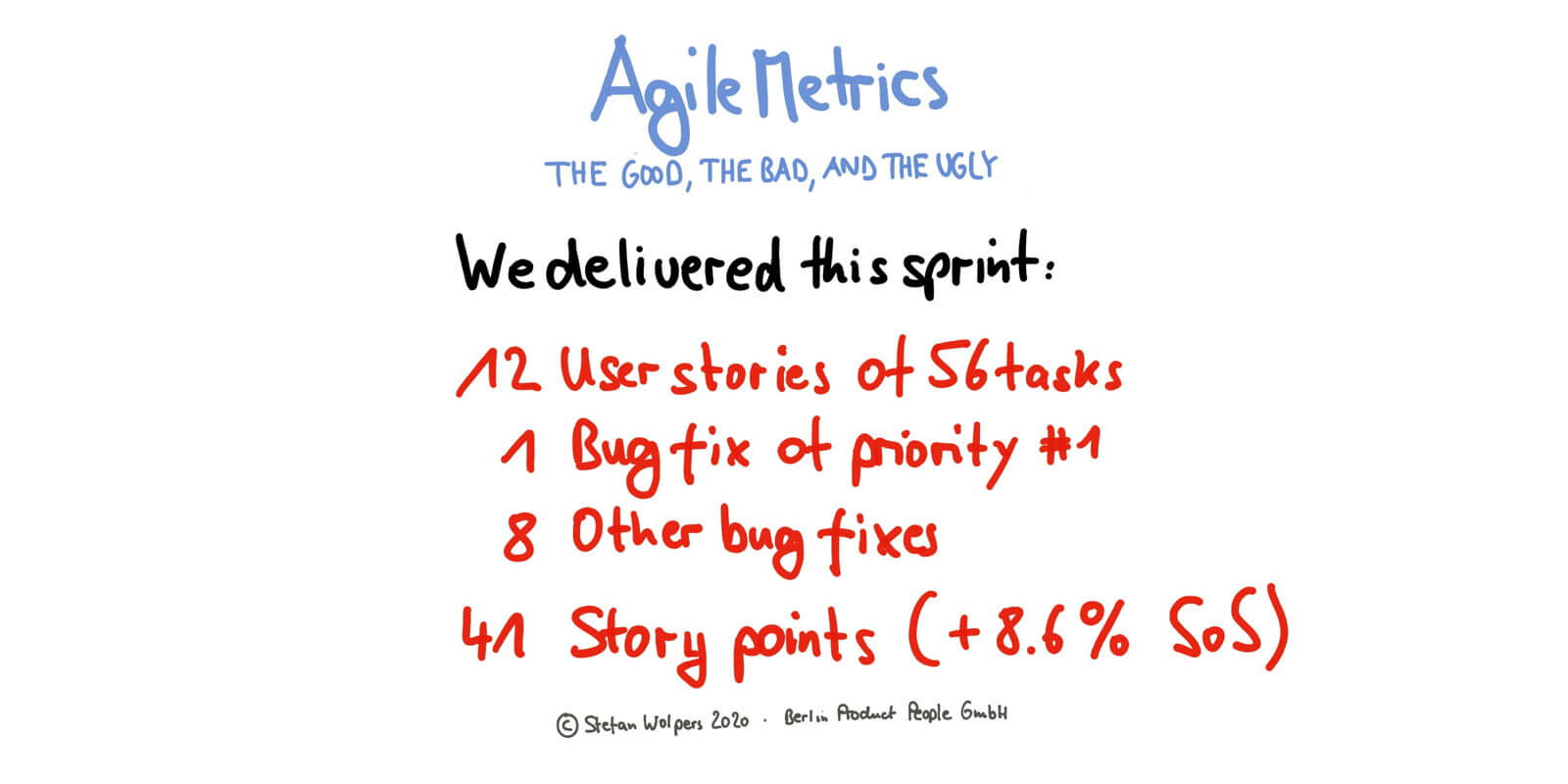
Suitable agile metrics reflect either a team’s progress in becoming agile or your organization’s progress in becoming a learning organization.
At the team level, qualitative agile metrics often work better than quantitative metrics. At the organizational level, this is reversed: quantitative agile metrics provide better insights than qualitative ones.
What looked like a good idea back in the 1990ies—outsourcing software development as a non-essential business area—has meanwhile massively backfired for a lot of legacy organizations. While they try to become more appealing to product and software developers, they still have difficulties understanding what it takes to build an attractive product/engineering culture. Learn more about typical anti-patterns and signs that an organization is causing a toxic team culture, impeding its efforts to become agile.