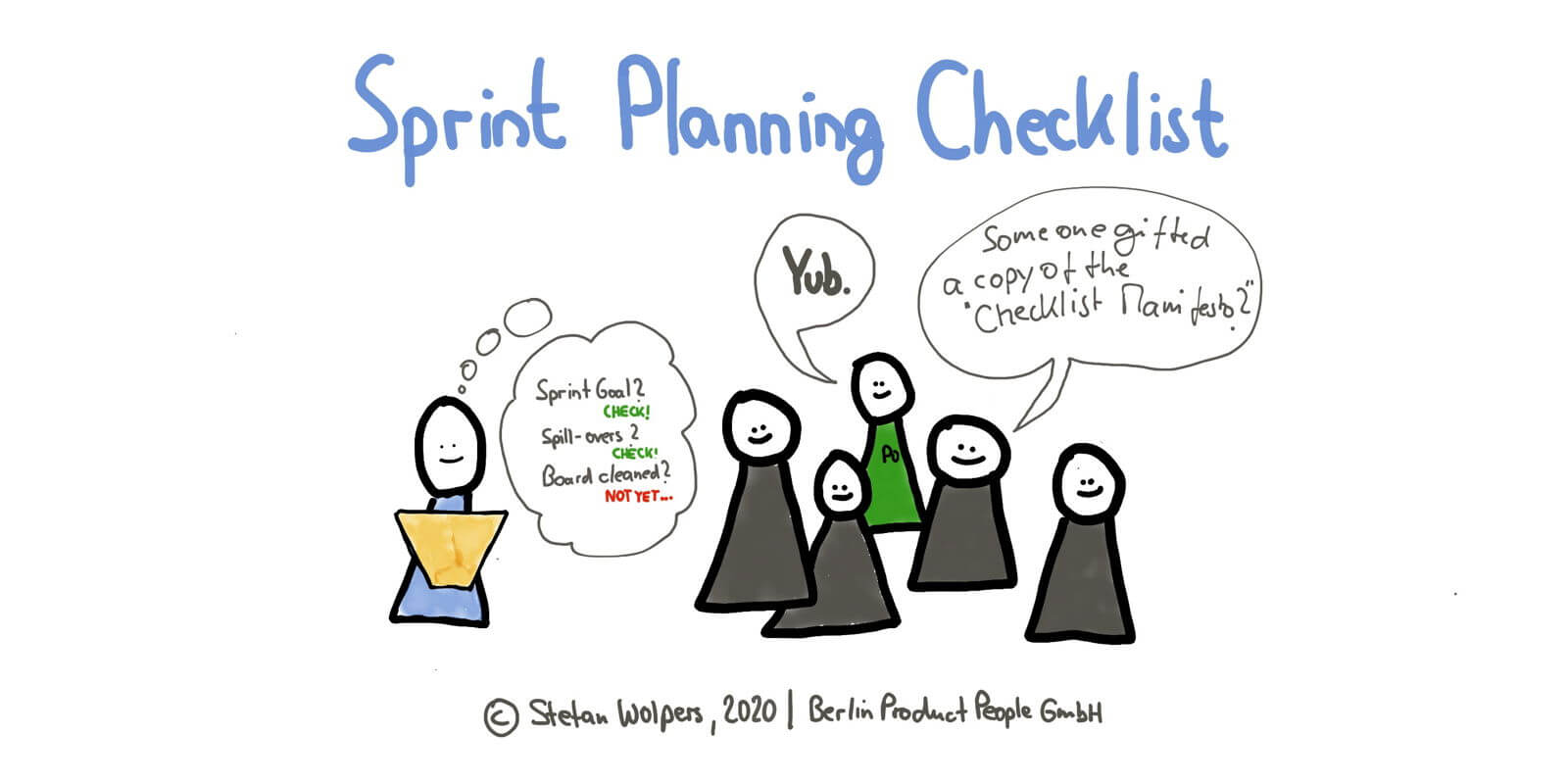
A Sprint Planning checklist? How dare you: Agile is a mindset, not a methodology. It is a journey, not a destination. There is no one-size-fits-all approach, and what else could you possibly cover with a checklist, the mother of all standardized processes?
Well, it always depends on the purpose of a tool’s application. Read more about why Scrum checklists are a handy tool if applied at an operational, hands-on level, reduce your cognitive load, and free up time for more relevant things.
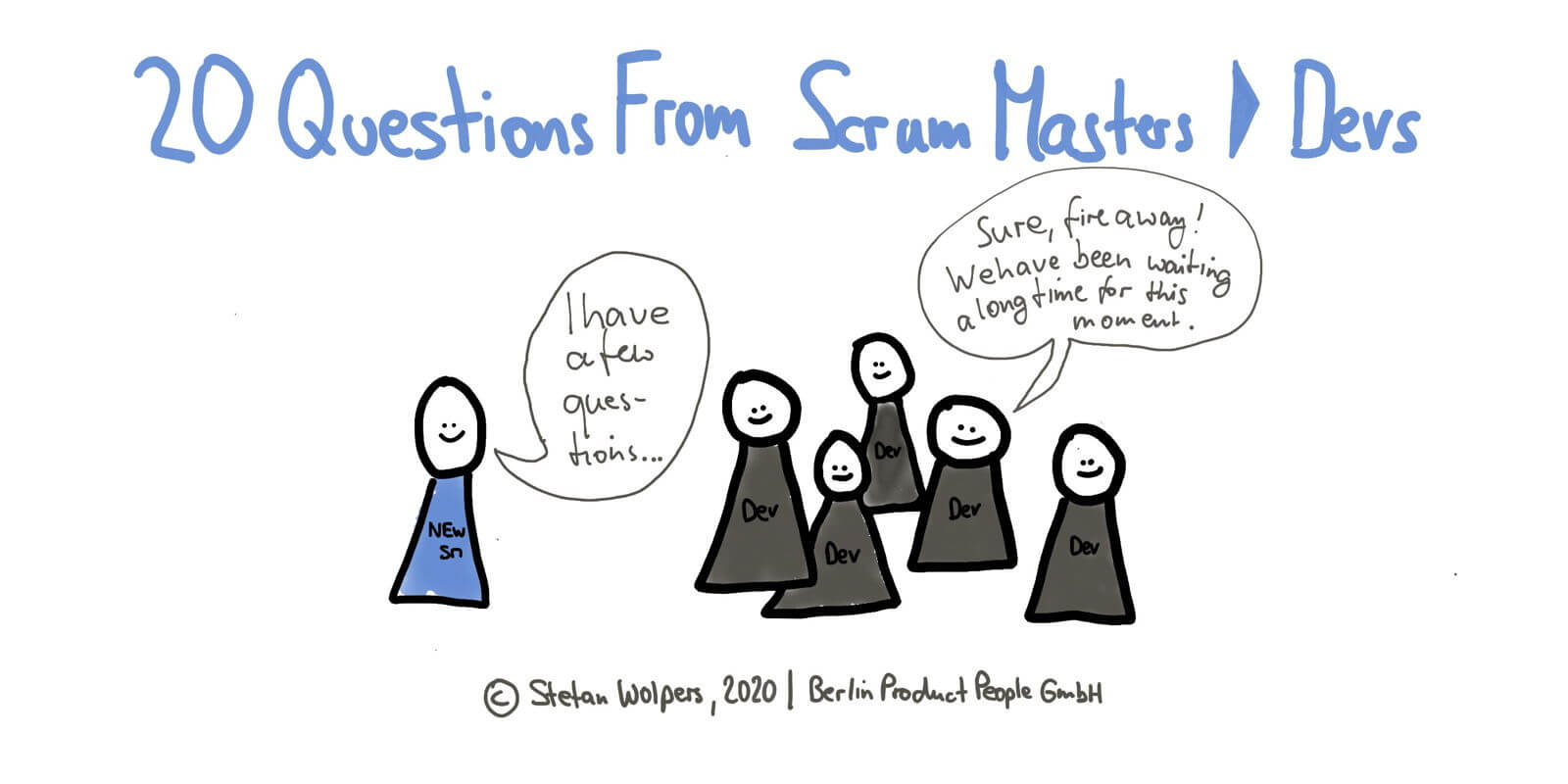
TL; DR: 20 Questions from New Scrum Master to the Development Team
From Scrum Master to Development Team members, this set of questions addresses the foundations of a Scrum Team capability to build valuable products: technical excellence and what it takes to achieve this proficiency level. The questions have been modeled after some basic principles that high performing teams have in common—from keeping technical debt at bay to collaboratively creating a Product Backlog.
Download a printable template for your convenience.
TL; DR: The Cargo Cult Agile Checklist for Download
Do you want to know the state of agility in your organization? Here we go: Download the checklist, distribute it generously among your colleagues, and run a quick poll. It will only take 5 minutes of their time–and then analyze their feedback. If the average number of checkboxes marked is higher than nine, then you are probably practicing cargo cult agile in one form or another.
If running the cargo cult agile survey is the ‘inspection,’ then consider adapting your approach to being agile by kicking-off a discussion among the stakeholders of your organization’s endeavor.
Agile turns into micromanagement as a result of the middle management’s resistance to change. Despite better knowledge, changing an organization into a learning one that embraces experimentation and failure is not in everybody’s best interest. Self-organizing, empowered teams often conflict with the middle management’s drive to execute personal agendas, self-preservation being one of them.
You guessed right: it is time for a rant and short “checklist” to get the discussion going in your organization.
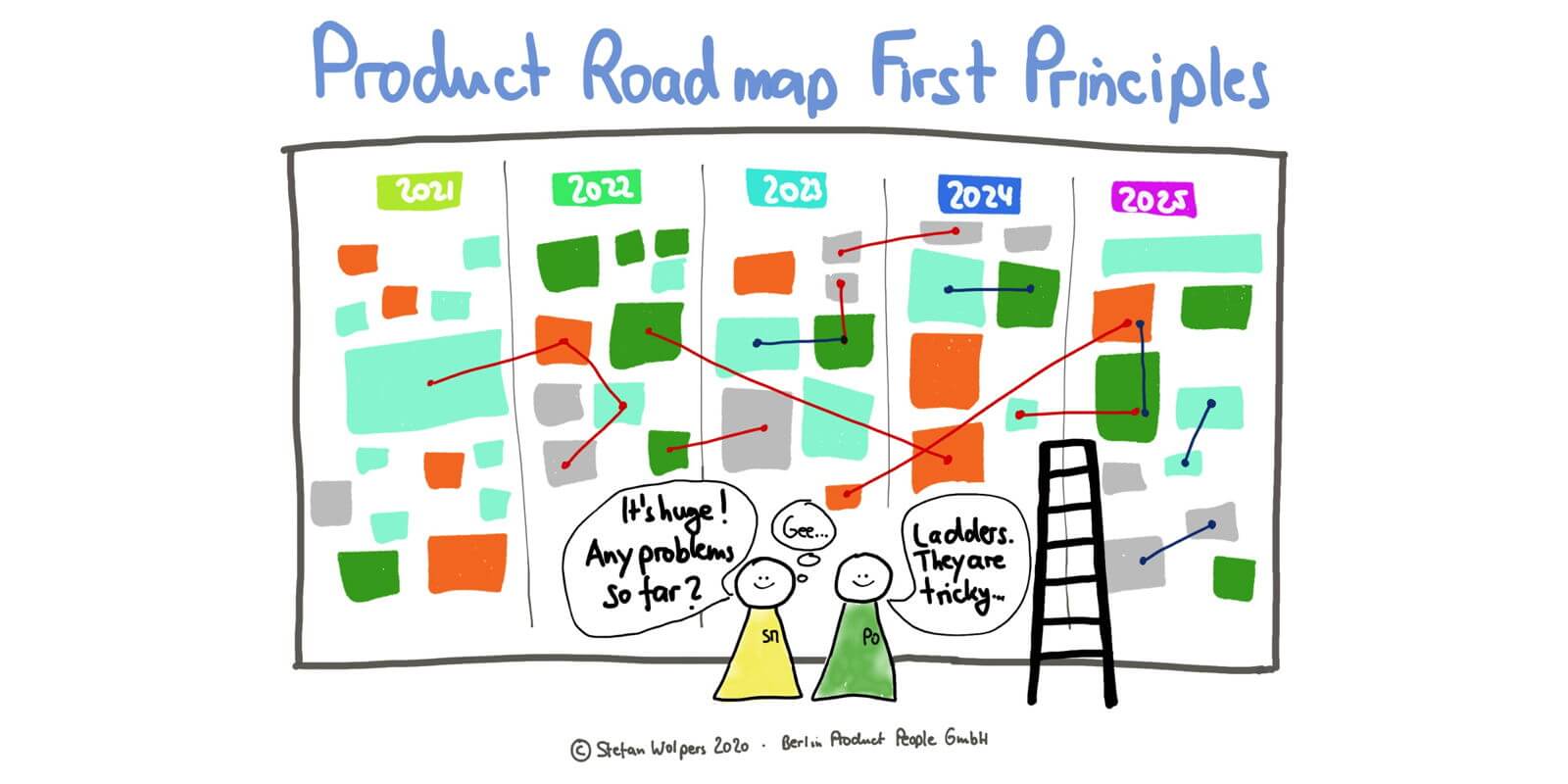
The end of 2020 is nearing, and it’s product roadmap building time again—at least for those companies that are still dedicated to the old command-and-control model. In the next few weeks, executives and (key) stakeholders will come together and define new functionality that they believe will meet business demands in 2021.
While investing in product roadmaps can yield a reasonable return by creating a shared understanding between the “the business” and product teams, I also believe that product roadmaps need to be living artifacts requiring continuous attention by everyone involved. To make that process as worthwhile as possible, adhering to the following seven product roadmap first principles has proven beneficial in my experience.
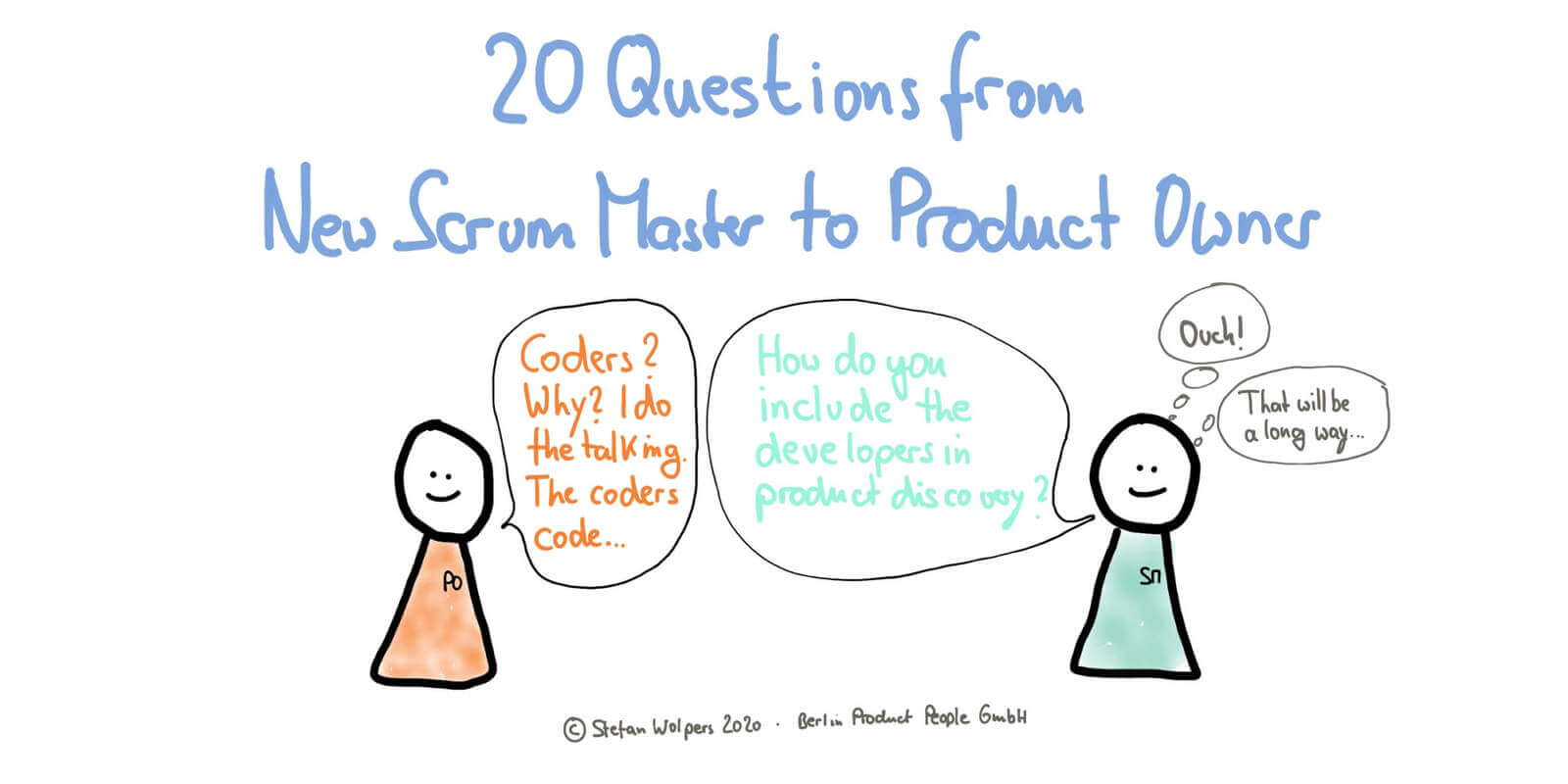
Welcome to the 20 Questions from New Scrum Master to Product Owner Download Page
From Scrum Master to Product Owner, this set of questions addresses the future collaboration between the two individuals and the rest of the Scrum Team. The questions have been modeled after some basic principles, that high performing teams have in common. Download a printable template for your convenience.