TL; DR: Scrum 2021 — Getting You Started as Scrum Master or Product Owner
As 2020 comes to an end, you are probably considering how to further your career as a Scrum Master or Product Owner in 2021. Maybe, I can support you in that regard with a set of six articles that proved to be the most popular in 2020. They range from Product Owner and Scrum Master interview questions to a variety of Scrum anti-patterns and how to deal with them to the Scrum Guide Reordered 2020, the easiest way to understand patterns and concepts of the new Scrum Guide 2020. All articles feature free ebooks that delve into the problems and provide hands-on advice on how to solve them. Good luck with Scrum 2021!
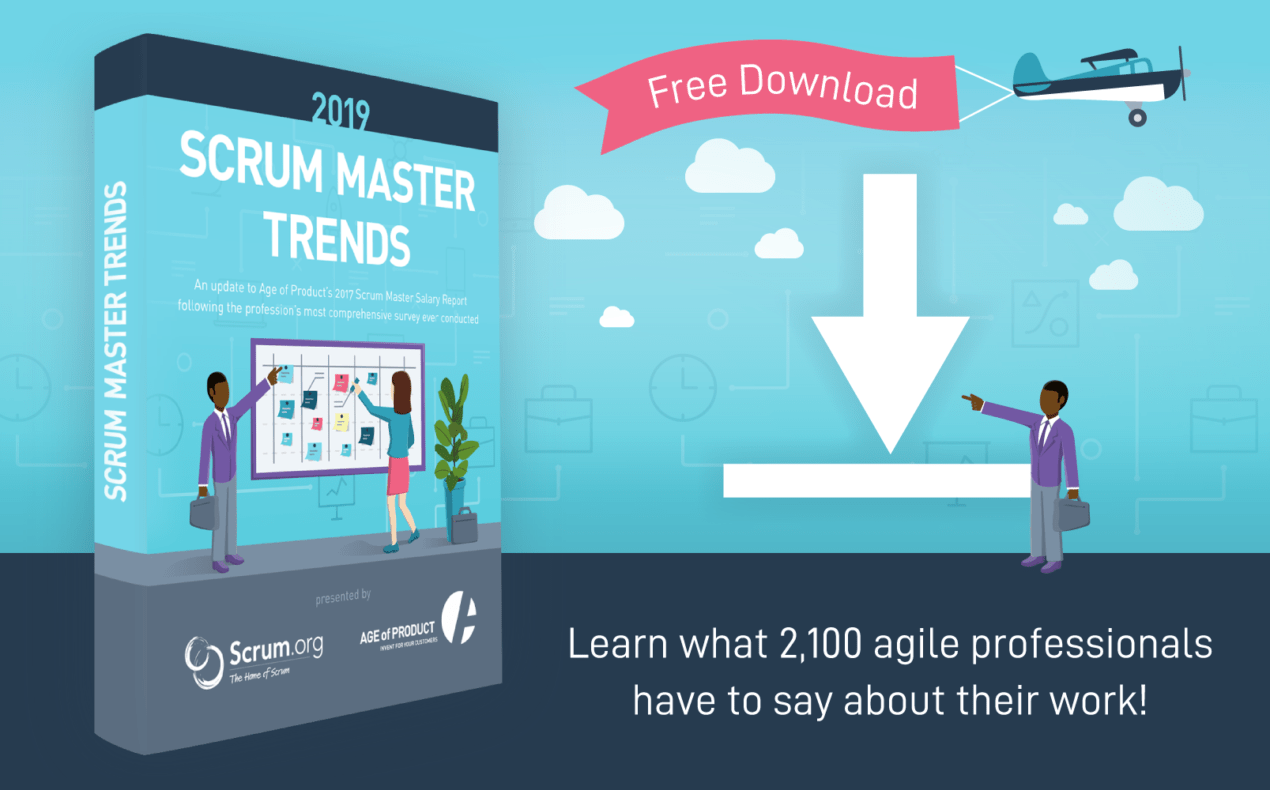
Back in 2017, we started the Scrum Master Salary Report 2017—the first industry report that covered in-depth the educational background, working experience, industries, and organizational details of the companies Scrum Masters or agile coaches work for. In 2019, we partnered with Scrum.org—to create the 2019 edition. Moreover, we plan to continue the collaboration in 2021 with the next edition.
If you have to make a career decision early next year, you will find the industry data the Scrum Master Trends Report 2019 contains still very helpful.
The following 58 Product Owner theses describe the PO role from a holistic product creation perspective.
They cover the concept of the Product Owner role, product discovery, how to deal with external and internal stakeholders, product portfolio and product roadmap planning, and the Product Backlog refinement. The Product Owner theses also address the Product Owner’s part in Scrum events from Sprint Planning to Sprint Review to Sprint Retrospective, and the Daily Scrum.
The following 70 Scrum Master theses describe the role of a holistic product creation perspective.
The theses cover the accountabilities of the Scrum Master from product discovery to product delivery in a hands-on practical manner. On the one side, they address typical Scrum events such as Sprint Planning, Sprint Review, and the Sprint Retrospective. On the other hand, the Scrum Master theses also cover, for example, the relationship with the Product Owner, they deal with agile metrics, and how to kick-off an agile transition, thus moving beyond the original framework of the Scrum Guide.
The Scrum Guide Reordered 2020 is based on about 95 percent of the text of the Scrum Guide 2020, extending its original structure by adding additional categories, for example, on self-management, commitments, or accountability.
The Scrum Guide–Reordered allows you to get an understanding of Scrum-related questions quickly. For example, it is good at relating a specific topis — say “stakeholder” — with Scrum’s first principles such as Scrum Values, or empiricism.
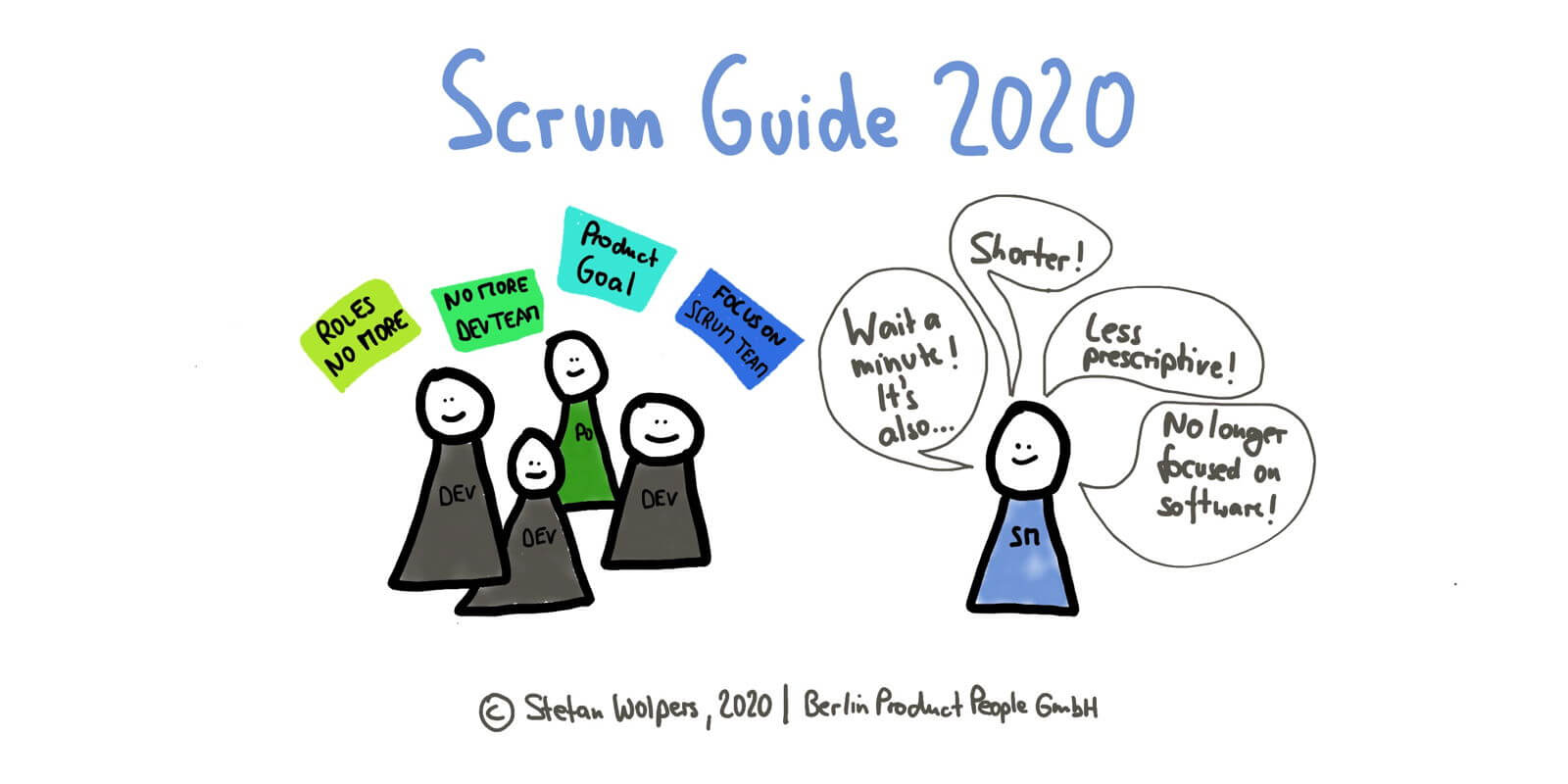
The Scrum Guide 2020 is available now: Change is coming to make Scrum more accessible and inclusive beyond software development. Learn more about the changes, download the brand new and free Scrum Guide 2020 Reordered to spot patterns quickly, and join the Scrum community discussion.