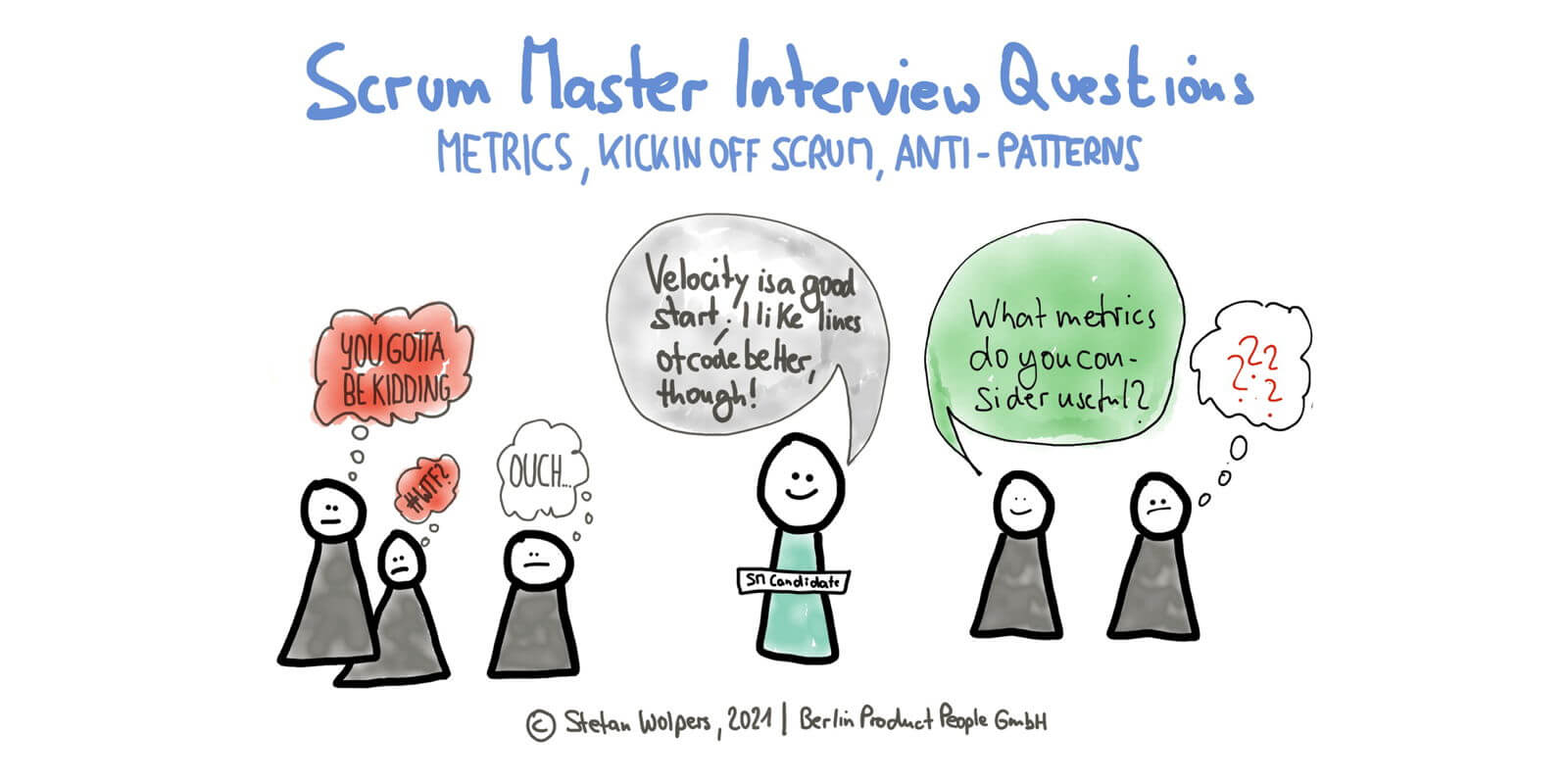
Some time ago, someone on Reddit asked whether there would be any other profession that requires attending a 2-day training class and would then pay as well as a Scrum Master job. This attitude is precisely why the 47 Scrum Master Interview Guide exists: Prevent imposters from slipping through the hiring process and causing damage.
If you are looking to fill a position for a Scrum Master (or agile coach) in your organization, you may find the following 47 interview questions useful to identify the right candidate. They are derived from my fourteen years of practical experience with XP as well as Scrum, serving both as Product Owner and Scrum Master as well as interviewing dozens of Scrum Master candidates on behalf of my clients.
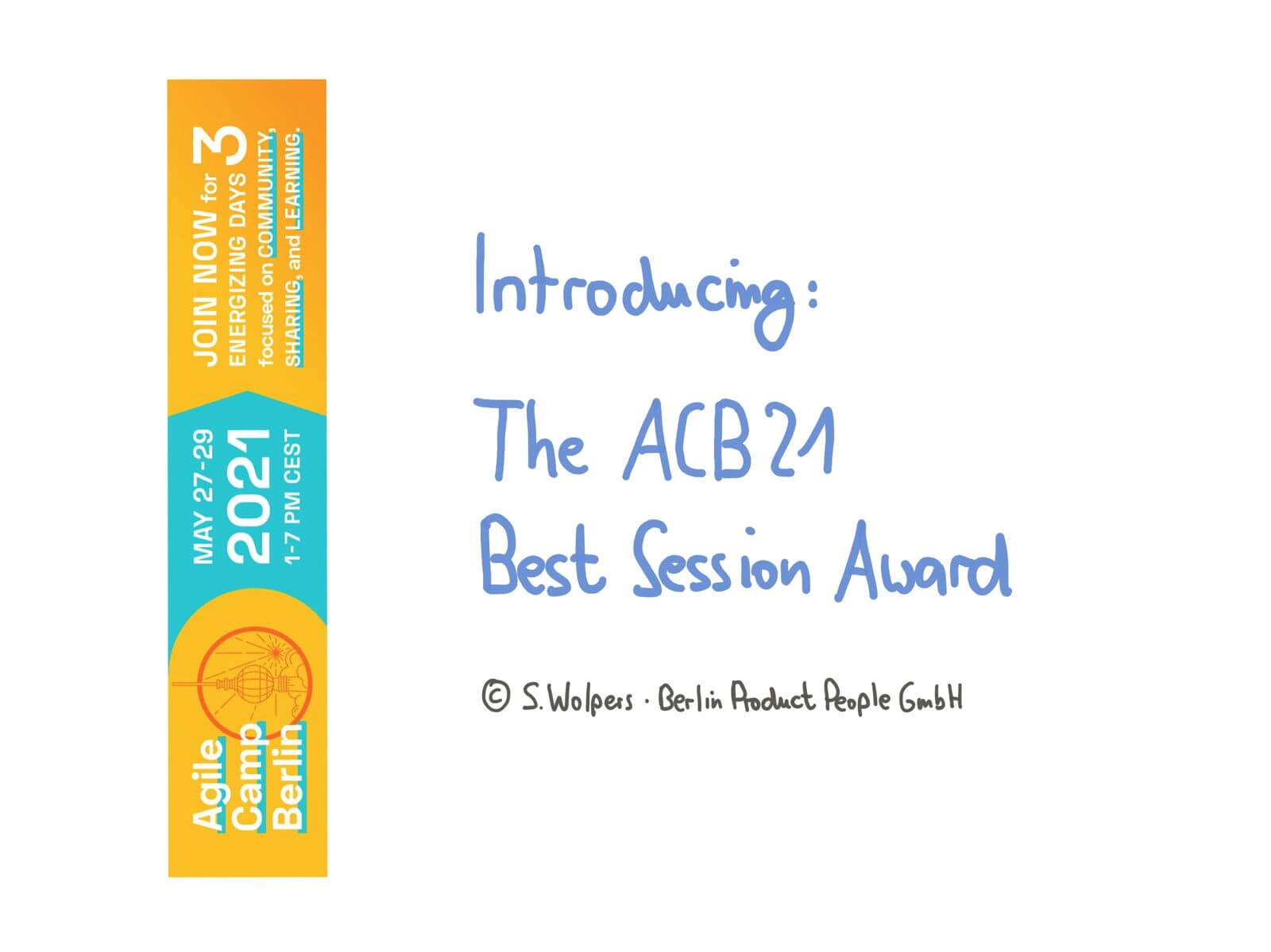
Host the best session on the virtual Agile Camp Berlin 2021 and win a seat in a Professional Scrum Class and other prizes w/ the ACB21 Best Session Award.
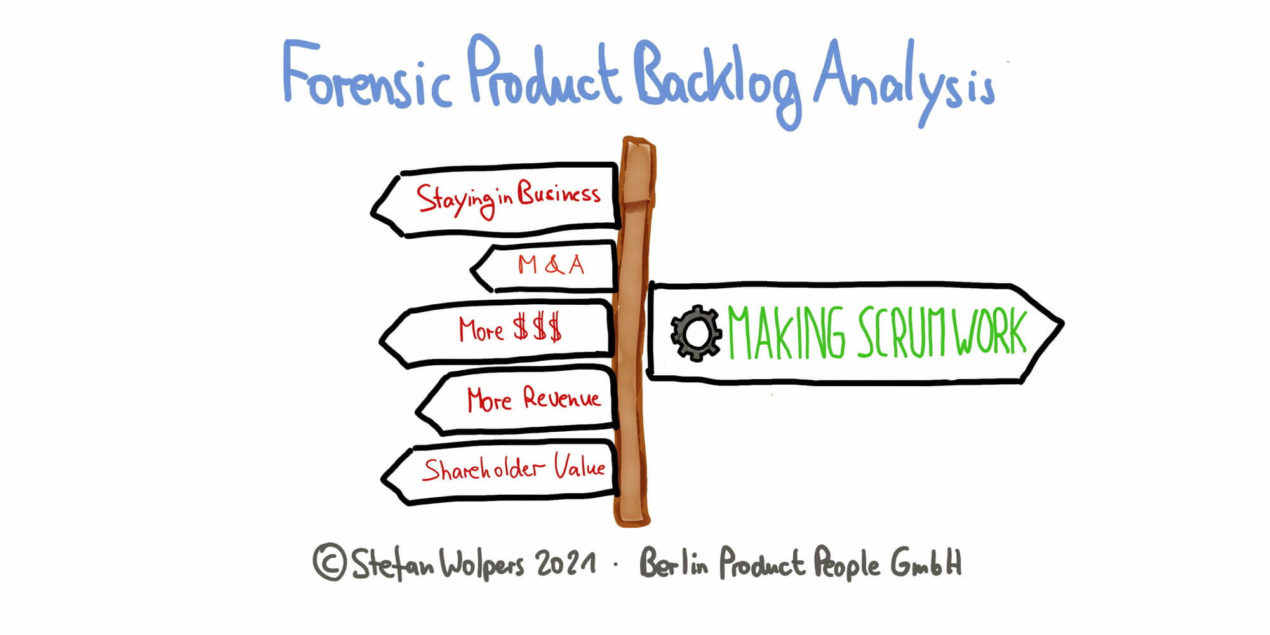
A few weeks, Scrum.org hosted a webinar on Product Backlog anti-patterns with me, which left several questions unanswered as we ran out of time. Hence please find following my answers to the additional 18 questions I could not answer during the webinar Product Backlog anti-patterns Q&A session.
TL; DR: The vACB21’s Schedule, Session Proposals, Technology, and Workshops
The Agile Camp Berlin 2021 will be a virtual event from May 27-29, 2021.
We will spend three energizing days from 1 pm to 7 pm CEST at a live virtual Barcamp using open space technology principles and practices. The general conference language is English; sessions in other languages are welcome!
Read on and learn about the organization of the virtual Agile Camp Berlin 2021, its preliminary schedule, from your session proposals to session planning to the essential technology to enjoy the best possible experience.
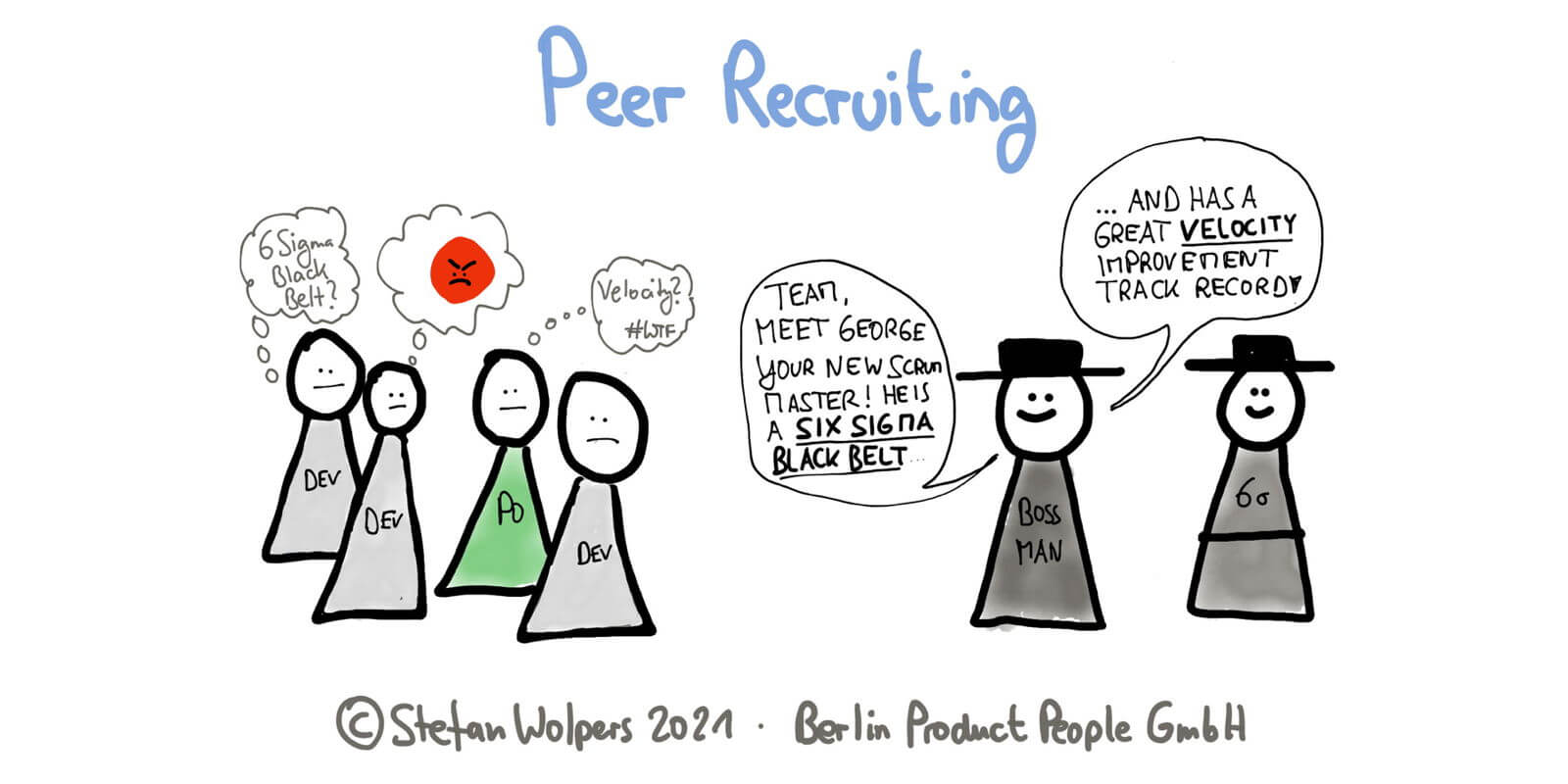
Peer Recruiting is the new hiring: Shortly, all creative, technology-based organizations will need to abandon the command & control structures that served the industrial world of the 20th century so well. Instead, they will reorganize themselves around autonomous teams to deal with the complexity and pace of innovation of the 21st century.
In such an agile world, recruiting will become a team decision, and the “human resources” department’s role will change into a supportive one. Recruiters will need to become servant leaders or facilitators, guiding the peer recruiting process.
The following guide to peer recruiting is based on my experience in participating in recruiting Scrum Team members over the last ten years. This first article will cover the Scrum Master role.
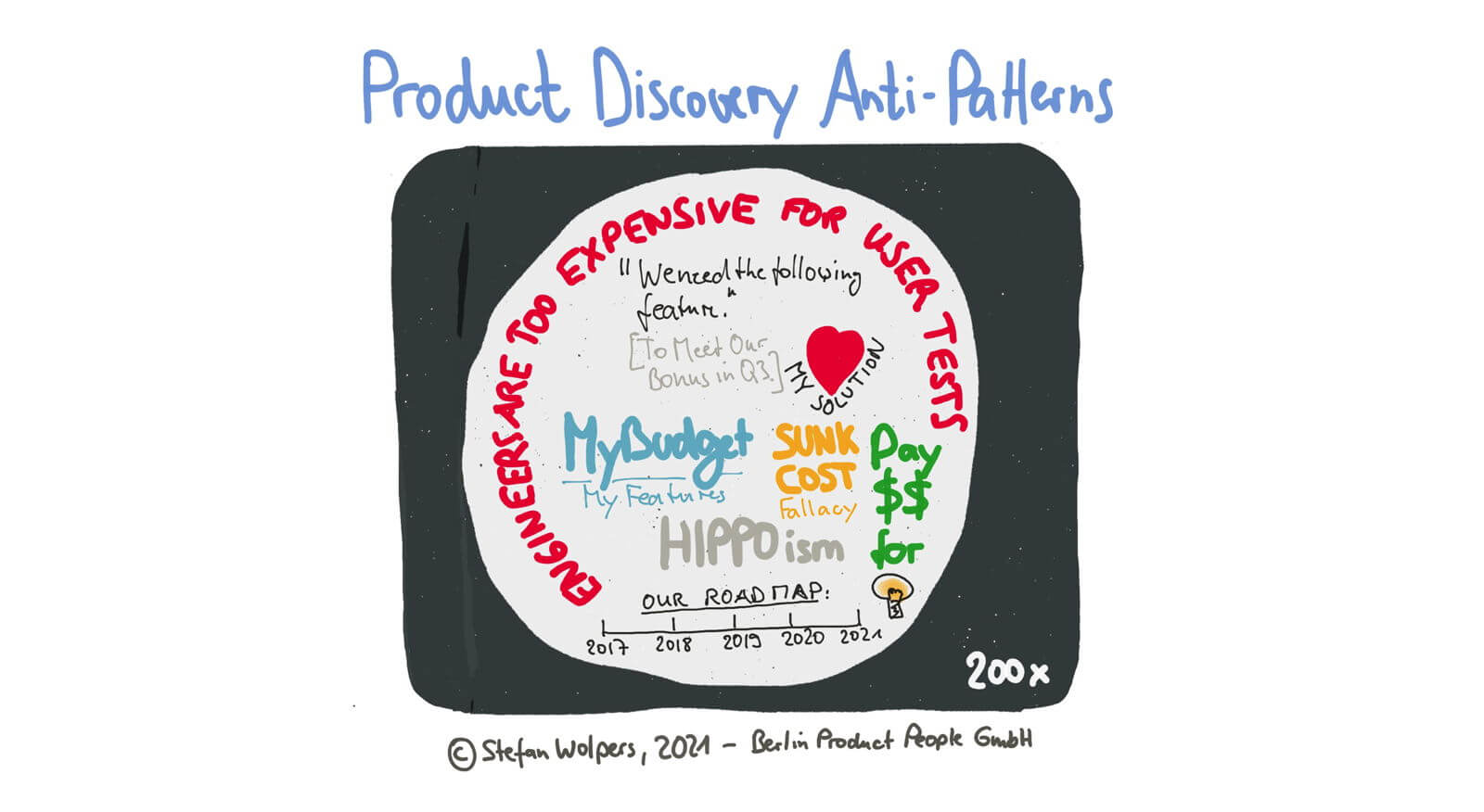
Scrum has proven to be an effective product delivery framework for all sorts of products. However, Scrum is equally well suited to build the wrong product efficiently as its Achilles heel has always been the product discovery part. What product discovery part, you may think now. And this is precisely the point: The Product Owner miraculously identifies what is the best way to proceed as a Scrum Team by managing the Product Backlog. How that is supposed to happen is nowhere described in the Scrum Guide. Consequently, when everyone is for themselves, product discovery anti-patterns emerge.
From sunk costs, HIPPO-ism, my-budget-my-features to self-fulfilling prophecies — learn more about the numerous product discovery anti-patterns that can manifest themselves when you try to fill Scrum’s product discovery void.