TL; DR: The Minimum Viable Library Product Owner Edition
The Minimum Viable Library Product Owner edition is available! Explore a series of carefully curated collections of essential books, newsletters, podcasts, and tools to elevate your agile expertise.
Read on and learn how the recommendations for Product Owners cover a wide range of topics, including product management, product discovery, escaping the feature factory, and aligning with critical stakeholders.
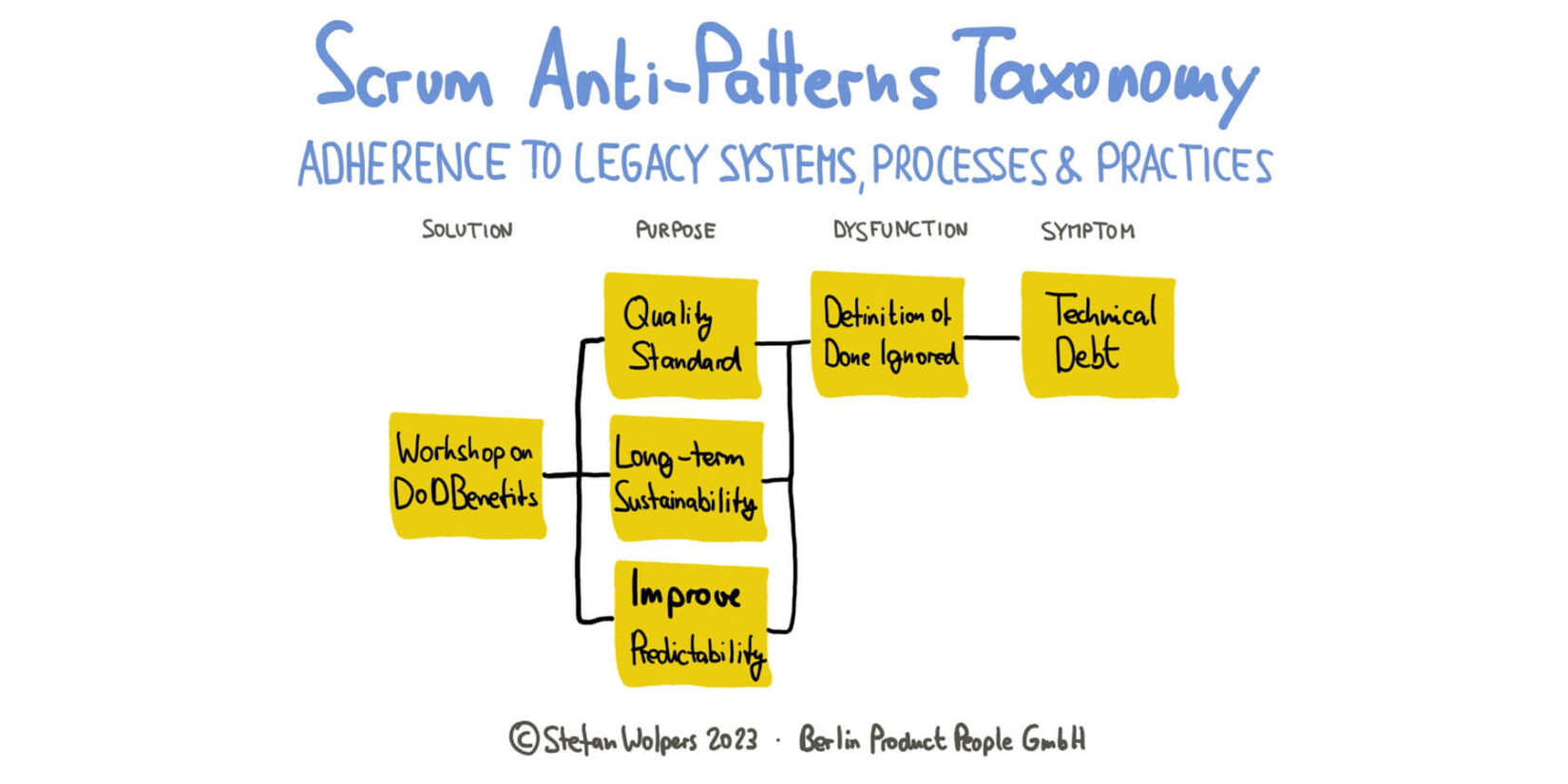
TL; DR: Adherence to Legacy Systems, Processes, and Practices
Administrative overreach and micromanagement in Scrum mainly arise from clinging to legacy systems and traditional (management) practices, leading to rigidity and misapplication of Agile principles. The excessive control by stakeholders and the management level stifles creativity and adaptability, disrupting planning and hindering a Scrum team’s growth. Moreover, these categories from the Scrum anti-patterns taxonomy often emphasize an unbalanced focus on short-term gains, neglecting long-term strategy, value creation, and the essential alignment among all stakeholders to succeed in uncertainty.
Learn how these Scrum anti-patterns categories manifest themselves and how they affect value creation for customers and the long-term sustainability of the organization.
This is the first of three articles analyzing the 183 anti-patterns from the upcoming Scrum Anti-Patterns Guide book. The following article will address communication and collaboration issues at the team and organizational levels.
TL; DR: The Minimum Viable Library for Scrum Masters
The Minimum Viable Library is available! Explore a series of carefully curated collections of essential books, newsletters, podcasts, and tools to elevate your agile expertise.
Read on and learn how the recommendations for Scrum Masters cover a wide range of topics, including Scrum, servant leadership, customer value creation, coaching teams, improving team dynamics through Retrospectives, and navigating agile enterprise transformations.
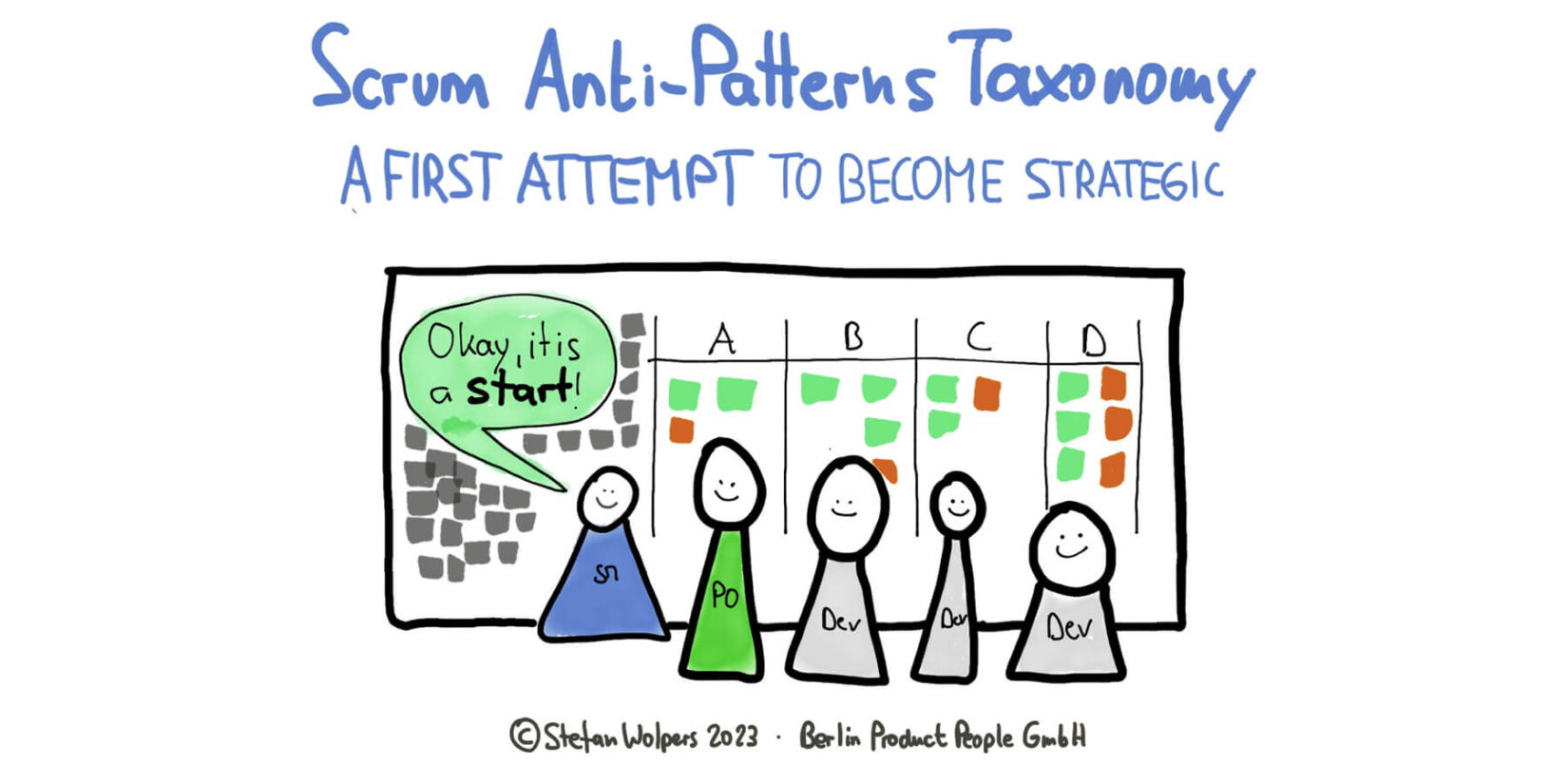
As the editing process of the Scrum Anti-Patterns Guide is nearing its end, it is time to take the next step. The brand new Scrum Anti-Patterns Guide offers 180-plus anti-patterns organized by roles, events, artifacts, and commitments. However, the Guide does not create a meta-level or abstract Scrum anti-patterns taxonomy. Consequently, the Guide does not provide an overall strategy to counter or evade Scrum anti-patterns at a personal, cultural, structural, or organizational level. The question is whether it is possible to create such a taxonomy.
Read on and learn more about the first steps of completing the big picture of Scrum anti-patterns.
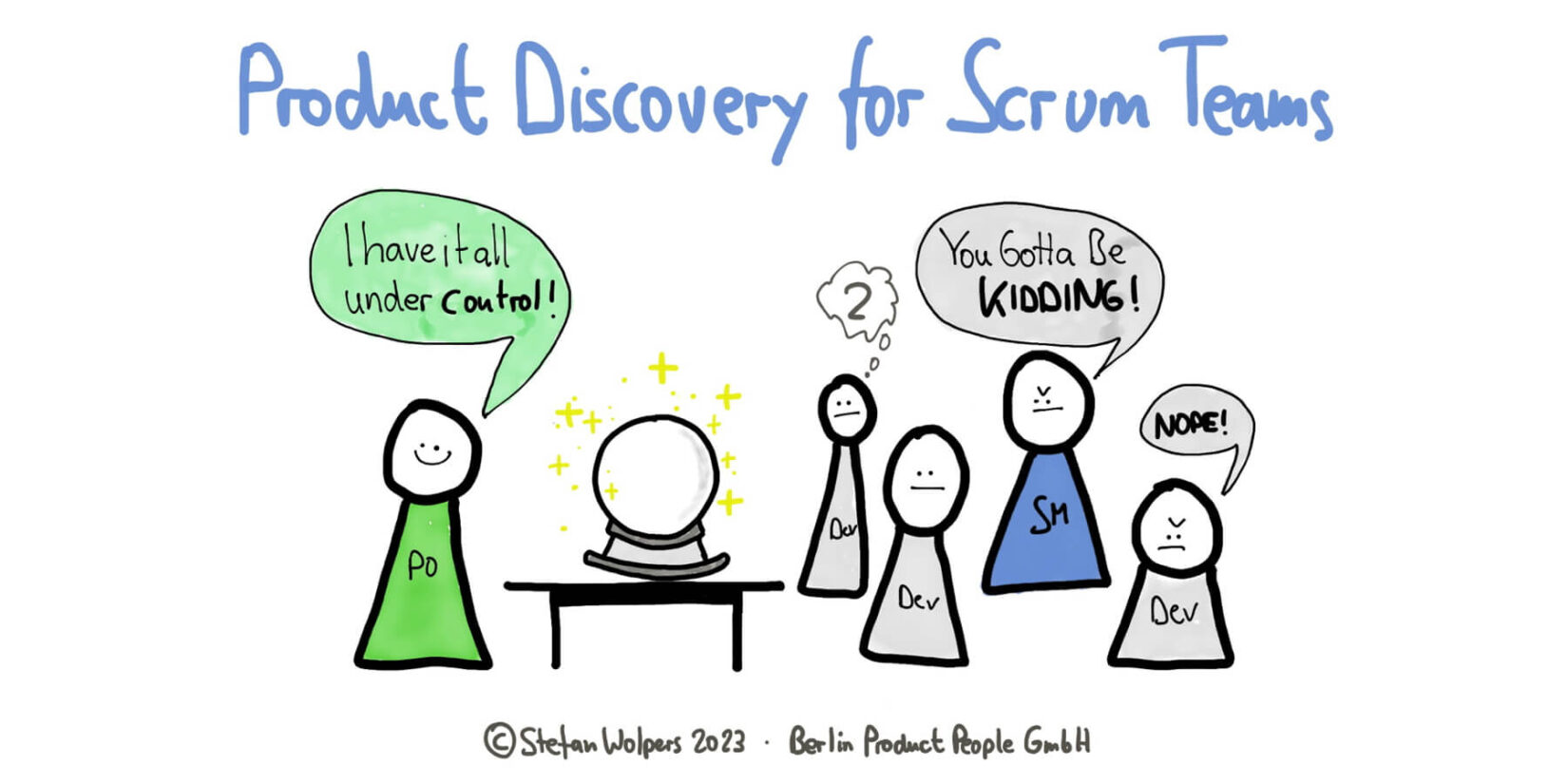
While Scrum excels at building and releasing Increments, it does not guarantee that those are valuable—garbage in, garbage out. Scrum teams can equally make things no one is interested in using at all. The critical artifact to create value is the Product Backlog, “an emergent, ordered list of what is needed to improve the product.” (Source.) However, Scrum does not elaborate on how the Product Owner identifies Product Backlog-worthy work items. That would be the job of the process that feeds into the Product Backlog: product discovery.
Learn more about which frameworks have proven useful to augment Scrum with product discovery practices.
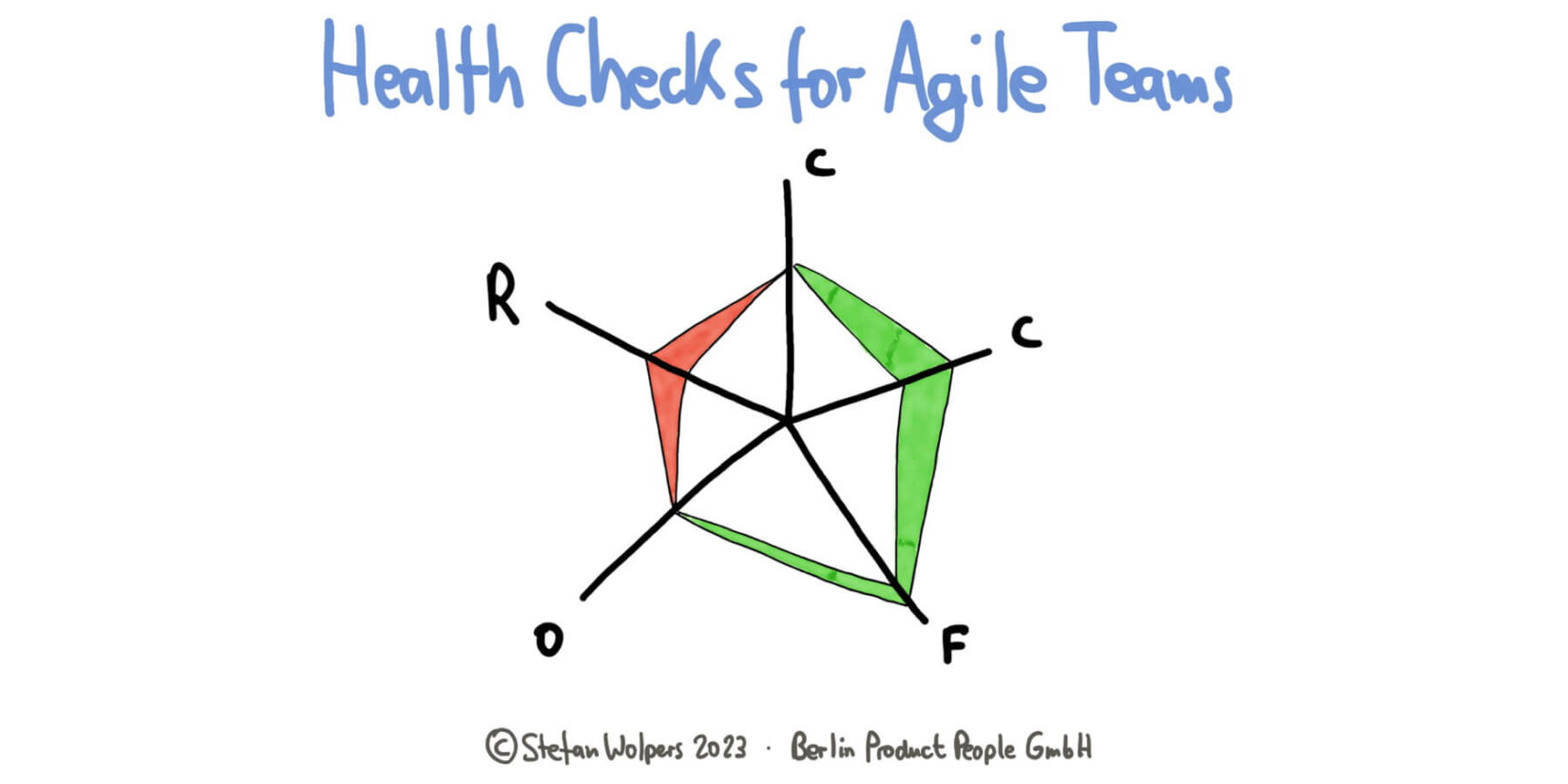
Agile teams thrive on continuous improvement and adaptability. Self-assessment isn’t just a health check measuring tool but a compass guiding teams toward their potential. It enables teams to understand their strengths, identify areas of improvement, and delve deeper into work dynamics beyond mere output.
The true essence of self-assessment in Agile is fostering transparency, collaboration, and relentless improvement. It’s not an audit; it’s a mirror reflecting a better version of your Agile team.
This article comprises a few well-known self-assessment tools; use them or have them inspire you to create your own assessment.