Scrum Team Failure — Scrum Anti-Patterns Taxonomy (3)

TL; DR: Scrum Team Failure

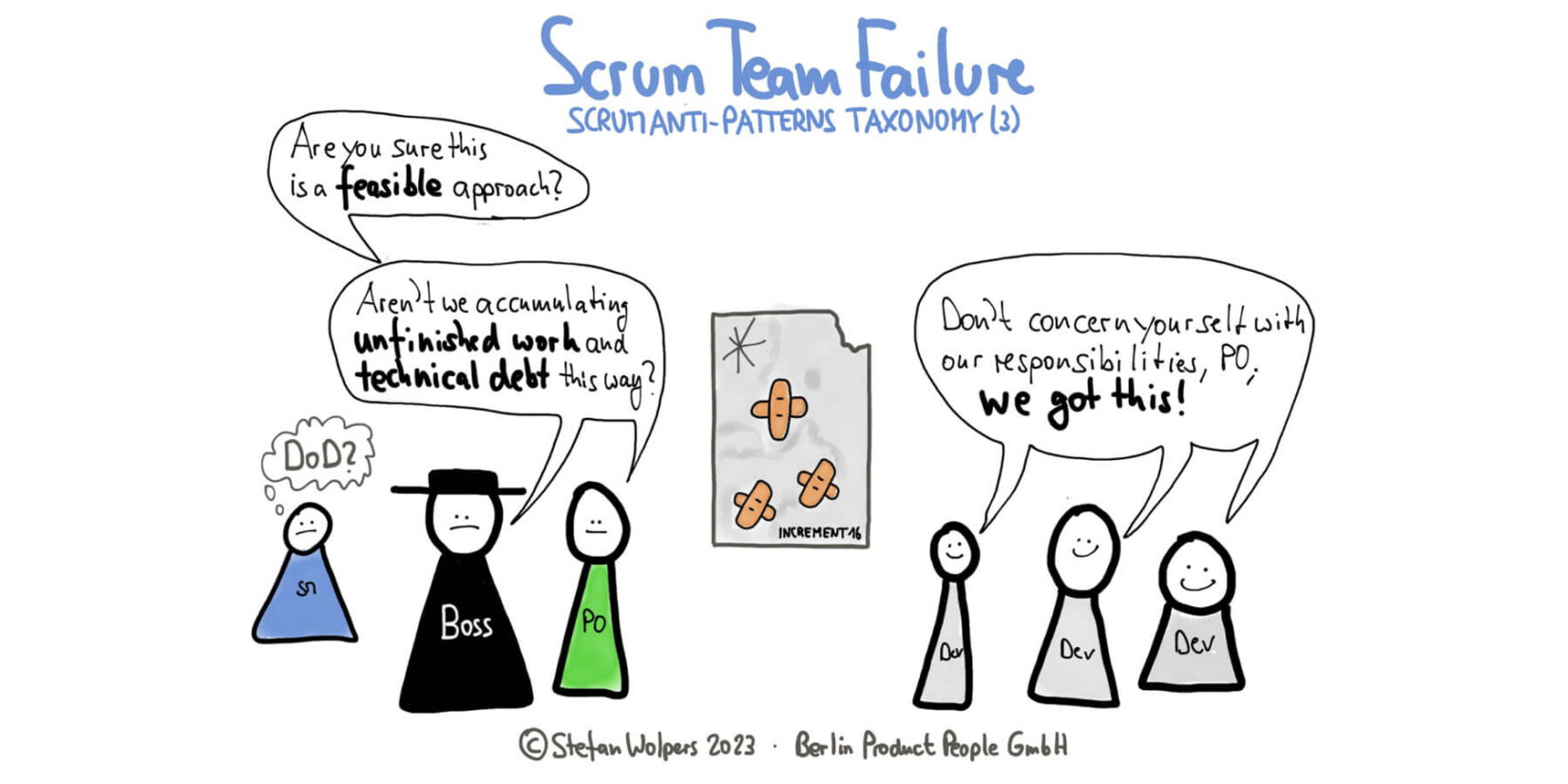
This post on Scrum team failure addresses three categories from the Scrum anti-patterns taxonomy that are closely aligned: Planning and process breakdown, conflict avoidance and miscommunication, and inattention to quality and commitment, often resulting in a Scrum team performing significantly below its potential.

Learn how these Scrum anti-patterns categories manifest themselves and how they affect value creation for customers and the organization’s long-term sustainability.

This is the third of three articles analyzing the 183 anti-patterns from the upcoming Scrum Anti-Patterns Guide book. The other two articles, see below, address adhering to legacy systems, processes, practices, and communication and collaboration issues.

Scrum Team Failure — Scrum Anti-Patterns Taxonomy (3)
Continue reading Scrum Team Failure — Scrum Anti-Patterns Taxonomy (3)

Saying No as a Product Owner or Product Manager

TL, DR: Saying No Without Burning Bridges

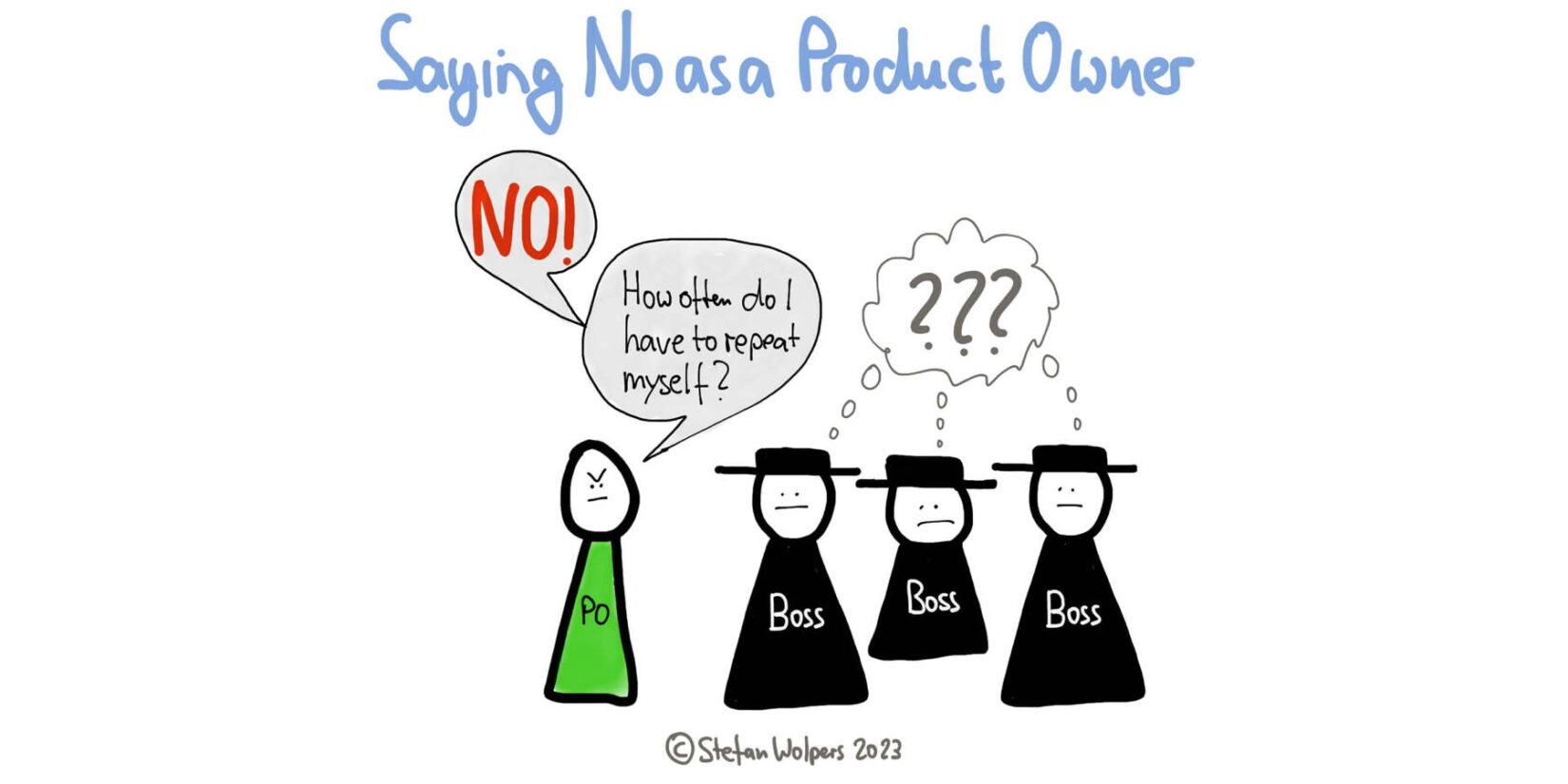
Are you navigating the delicate art of saying No as a Product Owner or product manager? Actually, it’s more of a strategic ‘yes’ to higher priorities, turning down lower-level requests without shutting down communication.

This article will dive into various approaches, from reframing conversations and fostering stakeholder collaboration to being transparent to data-informed rationale and empathetic engagement. Discover how to maintain a harmonious balance between driving Product Goals and nurturing professional relationships with your stakeholders.

Saying No as a Product Owner or Product Manager — Age-of-Product.com
Continue reading Saying No as a Product Owner or Product Manager

An Agile Coaches Guide to Storytelling — Bob Galen at the 53. Hands-on Agile

TL; DR: Hands-on Agile #53: An Agile Coaches Guide to Storytelling with Bob Galen

On September 5, 2023, we had the opportunity to listen to Bob Galen on “An Agile Coaches Guide to Storytelling.” In this session, Bob shared his experience coaching an agile coach struggling to connect with a development manager. He underscored the transformative impact of incorporating personal narratives, lessons learned, teaching stories, and purpose or vision stories into coaching conversations. Moreover, Bob demonstrated the compelling power of storytelling in agile coaching by using stories to share knowledge and wisdom while fostering dialogue.

An Agile Coaches Guide to Storytelling — Bob Galen at the 53. Hands-on Agile

📺 Watch the video now: An Agile Coaches Guide to Storytelling — Bob Galen at the 53. Hands-on Agile.

Continue reading An Agile Coaches Guide to Storytelling — Bob Galen at the 53. Hands-on Agile

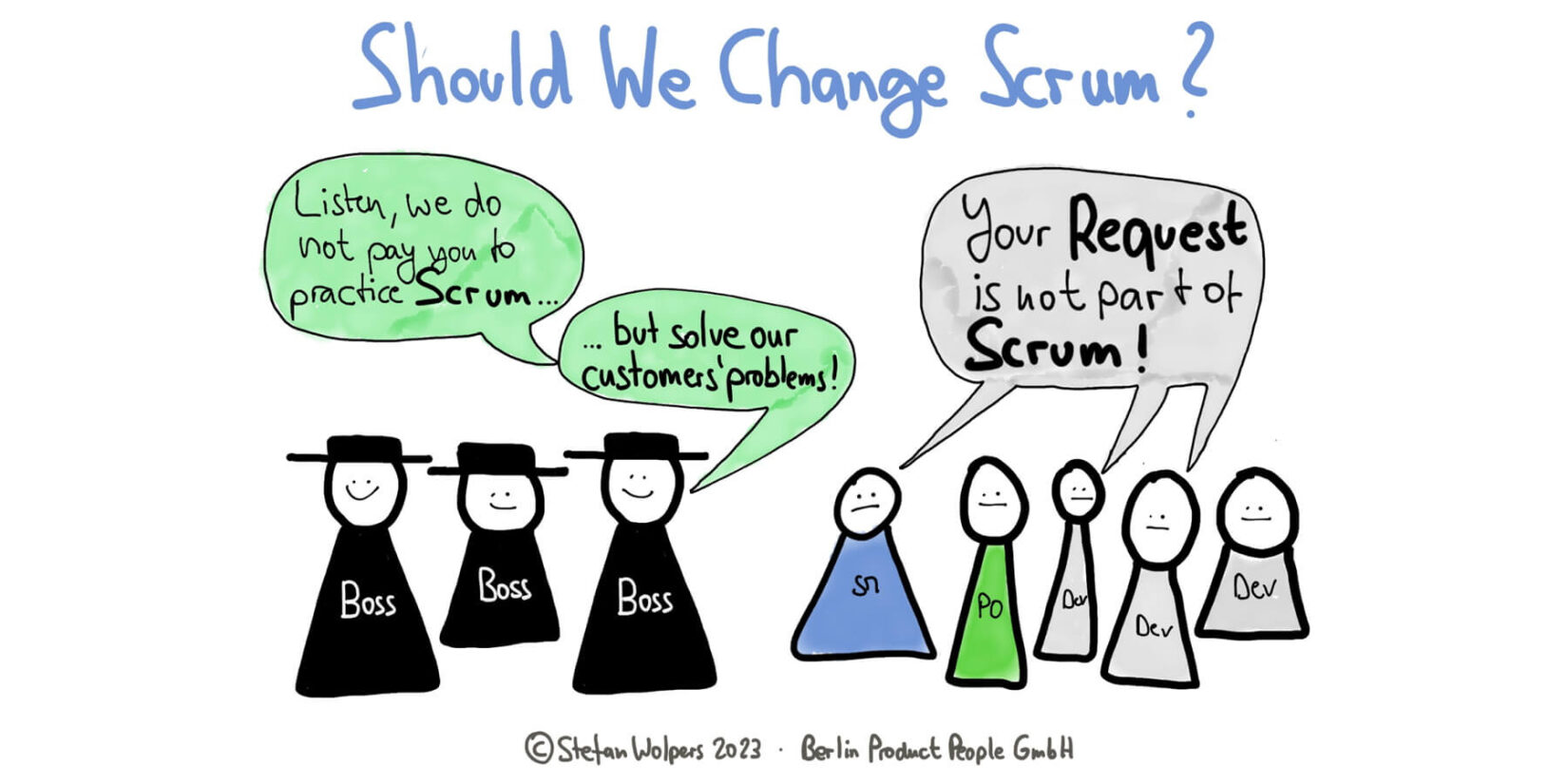
Should We Change Scrum?

TL; DR: Can We Or Should We Change Scrum?

Can we or should we change Scrum, or is it a sacrilege to tweak the ‘immutable’ framework to accommodate our teams’ and organizations’ needs?

Not so fast; don’t just dismiss augmenting Scrum as leaving the path, contributing to the numerous Scrumbut mutations, giving Scrum a bad name. However, in our rapidly evolving business landscape, sticking rigidly to traditional Scrum by the book could be a straightjacket stifling innovation, user focus, and adaptability.

From ensuring cultural compatibility to facing technical debt challenges and emerging technologies, discover ten compelling reasons why augmenting Scrum isn’t just okay—it’s necessary for modern teams.

Read on to discover when and how to adapt Scrum responsibly without diluting its essence.

Should We Change Scrum? Age-of-Product.com
Continue reading Should We Change Scrum?

Minimum Viable Library (3) — Agile Leadership Edition

TL; DR: The Minimum Viable Library for Agile Leaders

A new edition of the Minimum Viable Library on Agile Leadership is available! Explore a series of carefully curated collections of essential books, newsletters, podcasts, and tools to elevate your agile expertise.

Read on and learn how the recommendations for agile leaders cover a wide range of topics, from the importance of self-managing teams and trust-based environments to the crucial roles of accountability and resilience. While “servant leadership” as a term may be fading, its principles of empowerment and collaboration endure. Stories of transformation in traditional settings underscore the value of decentralized leadership and quick communication.

Minimum Viable Library (3) — Agile Leadership Edition — Age-of-Product.com
Continue reading Minimum Viable Library (3) — Agile Leadership Edition

Lost in Communication and Collaboration — Scrum Anti-Patterns Taxonomy (2)

TL; DR: Lost in Communication and Collaboration

Lost in Communication and Collaboration addresses two categories from the Scrum anti-patterns taxonomy that are closely aligned: ineffective collaboration at the stakeholder level, often resulting in an unsuited reporting system based on misaligned metrics.

Learn how these Scrum anti-patterns categories manifest themselves and how they affect value creation for customers and the organization’s long-term sustainability.

This is the second of three articles analyzing the 183 anti-patterns from the upcoming Scrum Anti-Patterns Guide book. The third article will address failures and breakdowns in planning, process, collaboration, and alignment within the Scrum framework.

Lost in Communication and Collaboration — Scrum Anti-Patterns Taxonomy (2) — Age-of-Product.com
Continue reading Lost in Communication and Collaboration — Scrum Anti-Patterns Taxonomy (2)