In this fascinating talk, Maarten introduced the concept of humble planning and why it’s crucial for succeeding with an Agile way of working and building products of exceptional value. During his talk, he covered concepts like friction, the three gaps model of Bungay, intent, intent-based leadership, humble planning, sprint goals, the fog of beforehand, and the fog of speculation. It is a must-see for all agile practitioners!
Having just completed the Scrum Anti-Patterns Guide book, I will turn my focus to 2024 with new projects that build on the foundation laid by the book. I plan to dedicate the upcoming year to empowering agile practitioners through various new tools, workshops, and community events. The tools to help you excel will enhance your skill sets and equip you to thrive amidst professional challenges.
Join your peers for a journey of interactive learning and community engagement in 2024!
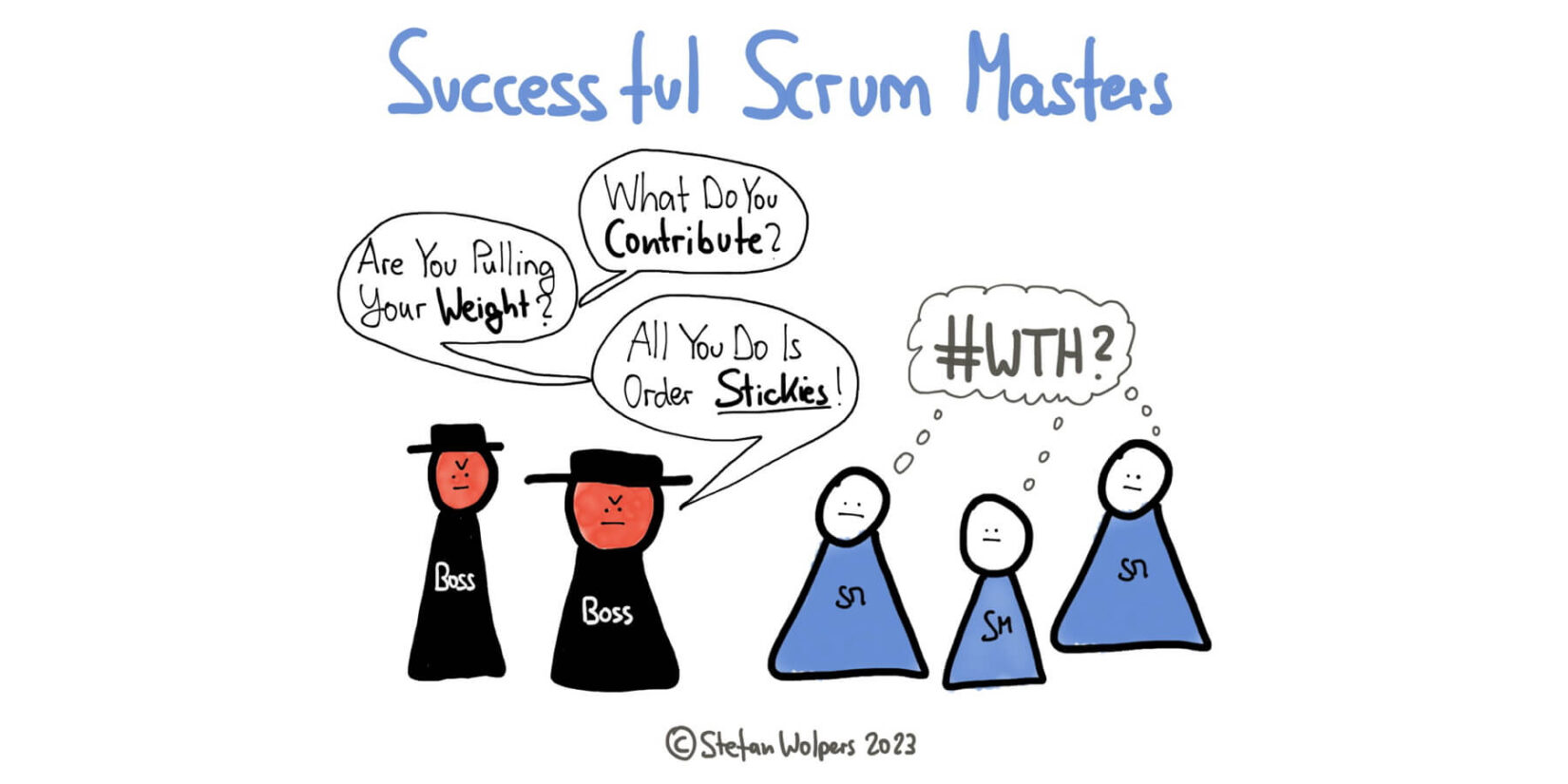
In this article, I unravel the secrets of what makes a Scrum Master not just good but amazingly outstanding. From regularly achieving Sprint Goals, delivering value to customers, and building stakeholder rapport easily, discover the traits that set apart successful Scrum Masters.
Moreover, we also shed light on the pitfalls to avoid if you want to keep the respect of your teammates and probably your job.
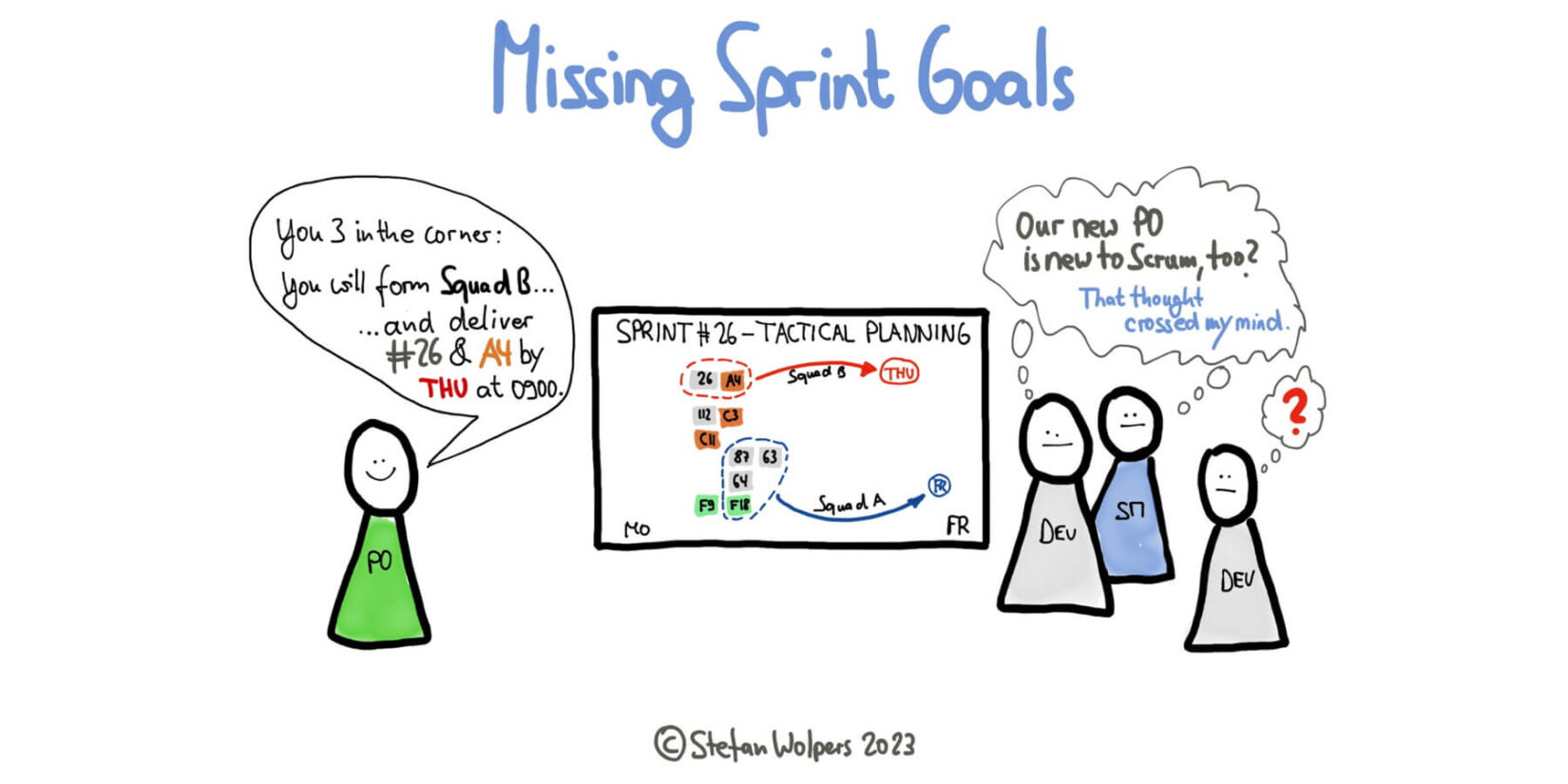
Do you excel in the art of setting unattainable, imposed, or plain non-existing Sprint Goals? In other words, are you good at missing Sprint Goals with regularity? If not, don’t worry; help is on the way!
In this article, we’ll explore how to consistently miss the mark. For example, enjoy the thrill of cherry-picking unrelated backlog items and defining success by sheer output, not outcome. Countless Scrum Teams have thoroughly tested all suggestions. They are ideally suited for teams who love the challenge of aimlessly wandering through Sprints!
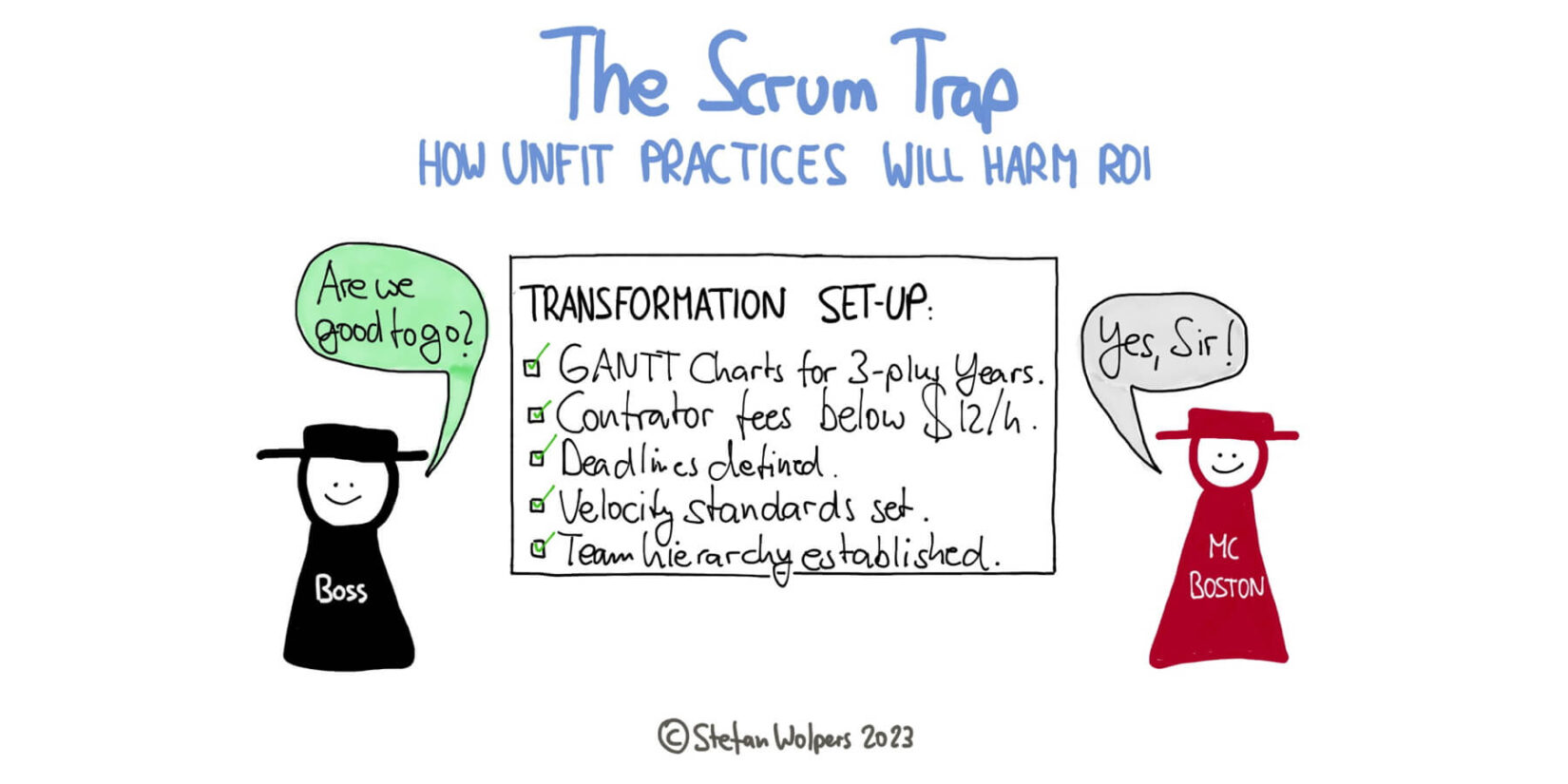
Scrum is a purposefully incomplete framework. Consequently, it needs to be augmented with tools and practices to apply its theoretical foundation to an organization’s business reality: what problems shall be solved for whom in which market? Moreover, there is an organization’s culture to take into account. However, the intentional “gap” is not a free-for-all to accept whatever comes to mind or is convenient. Some tools and practices have proven highly effective in supporting Scrum’s application and reaping its benefits. And then there are others — the Scrum trap.
Let’s look at what practices and tools for collaboration and team building are not helpful when used with Scrum.
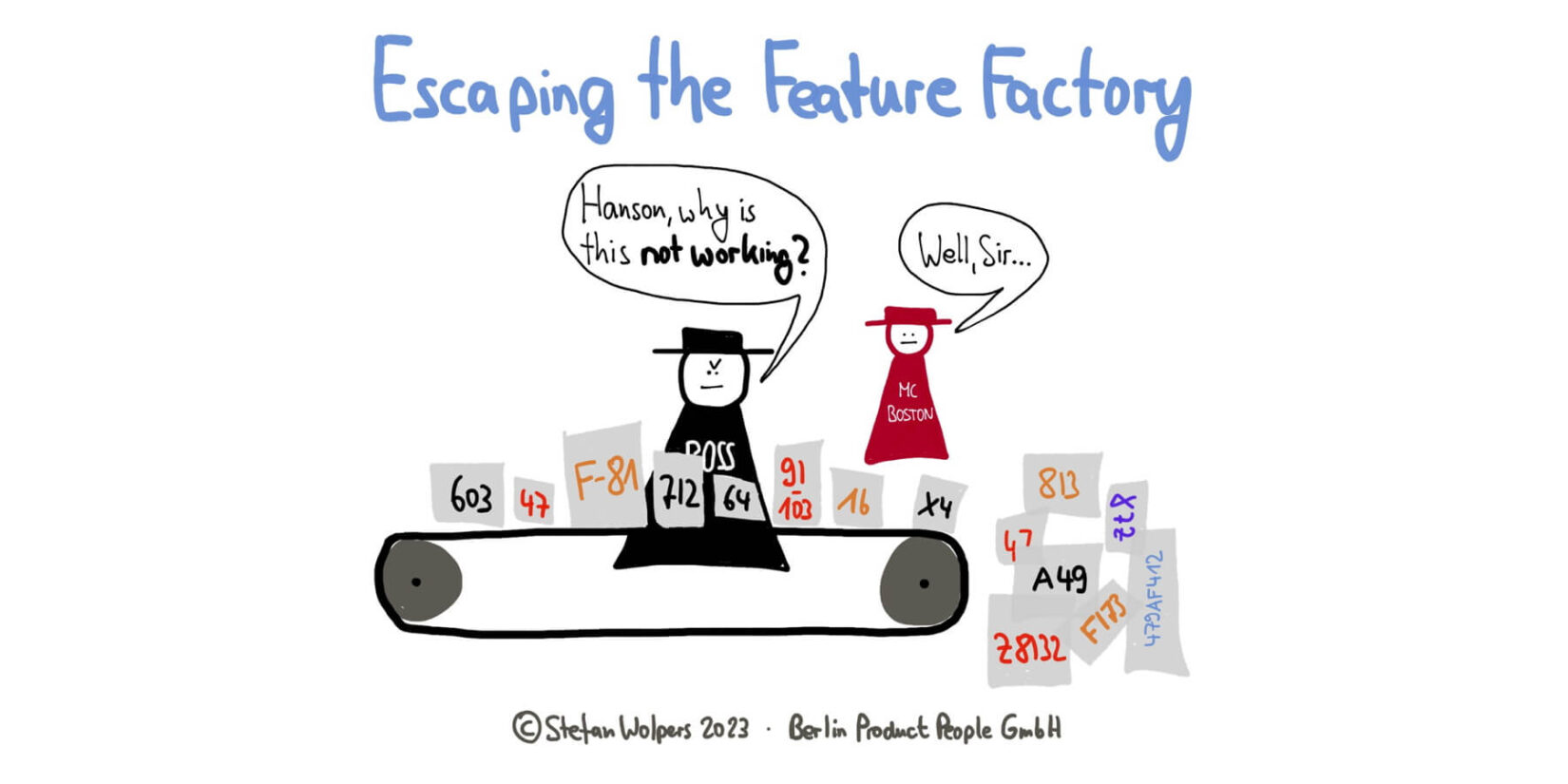
TL; DR: Escaping the Feature Factory — Refocussing From Output to Outcome
The feature factory fate is not inevitable; there is hope to avoid becoming a mere cog in the machinery. Learn how!
In many large organizations, Scrum teams fall into the ‘feature factory’ trap, focusing more on churning out features than creating real value. It’s too bad that this shift undermines Agile principles and hampers long-term success and innovation. Let’s discuss how and why this happens and what we can do to break the chains of the feature factory.