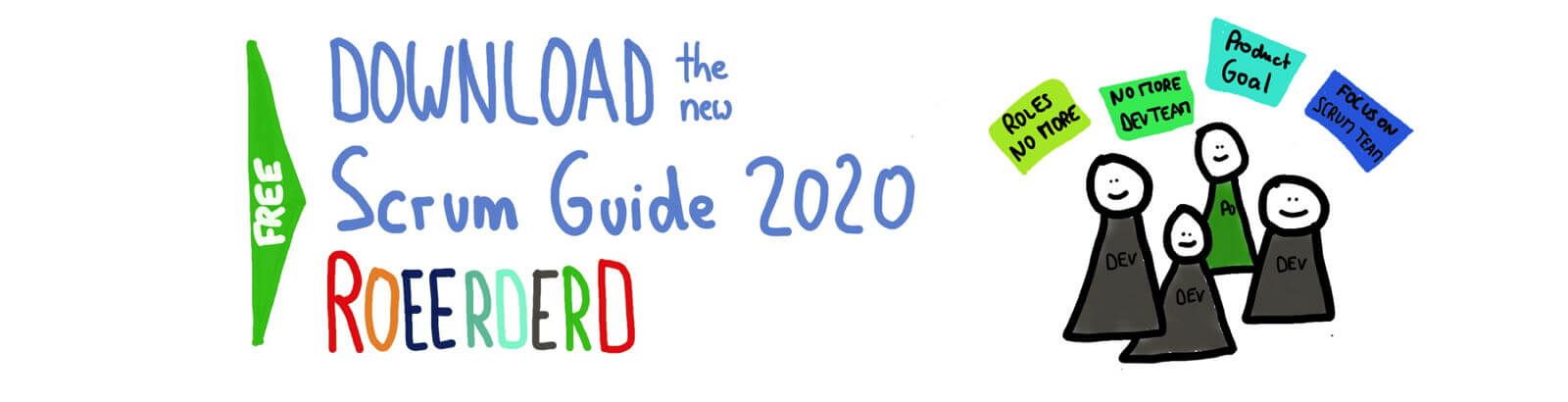
The Scrum Guide Reordered 2020 is based on about 95 percent of the text of the Scrum Guide 2020, extending its original structure by adding additional categories, for example, on self-management, commitments, or accountability.
The Scrum Guide–Reordered allows you to get an understanding of Scrum-related questions quickly. For example, it is good at relating a specific topis — say “stakeholder” — with Scrum’s first principles such as Scrum Values, or empiricism.
TL; DR: Estimating Cost of Delay, Re-Teaming — Food for Agile Thought #269
Welcome to the 269th edition of the Food for Agile Thought newsletter, shared with 28,267 peers. This week, we delve into estimating Cost of Delay; we identify nine signs that your CEO understands Scrum, and we learn that mental models impact the efficiency and accuracy in decision-making.
We then enjoy the essence of product leadership from a new Marty Cagan book; we get into measuring real progress as a product team, and we embrace the canary product launch approach to test the waters with a restricted set of clients.
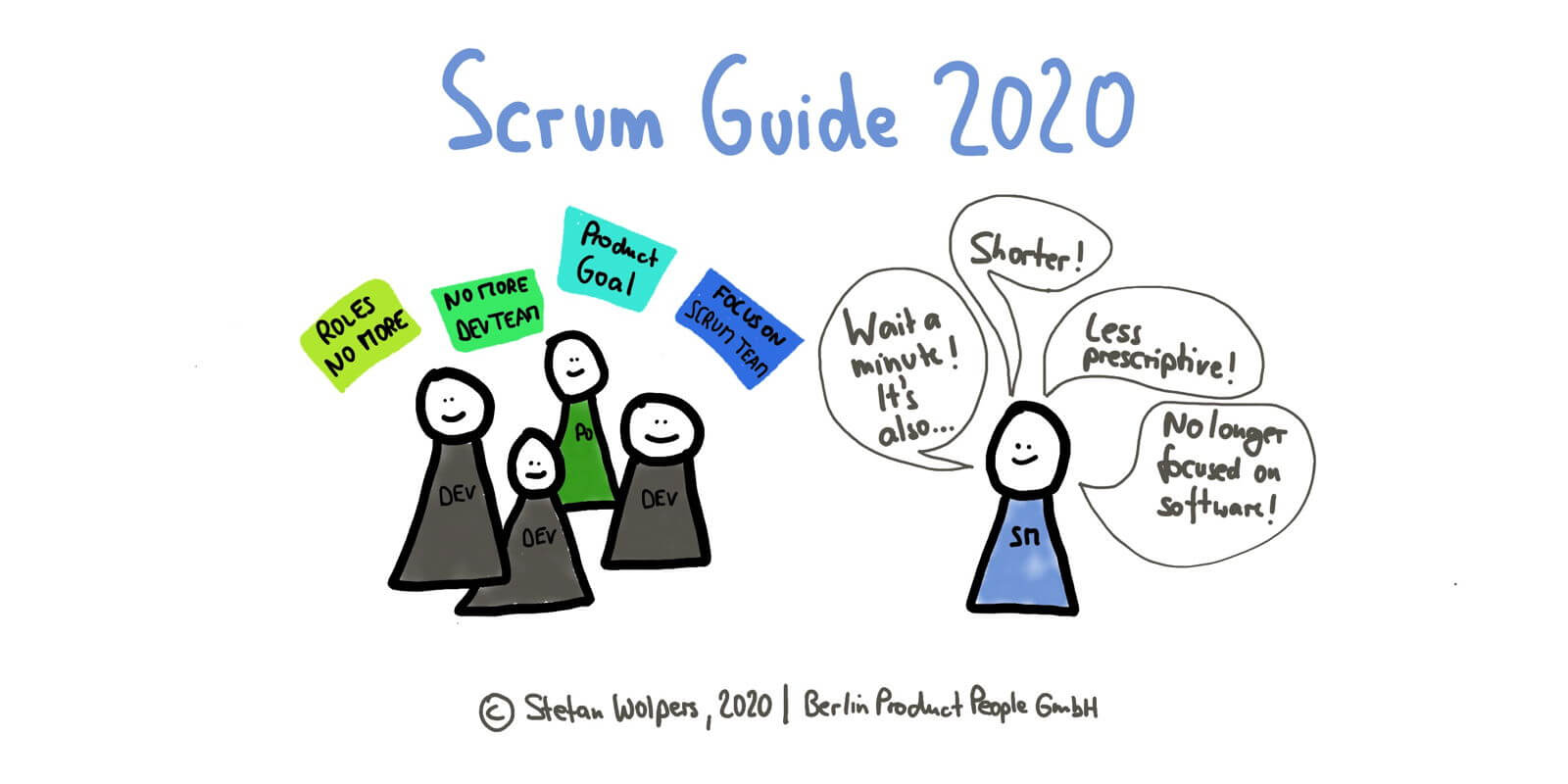
Lastly, we applaud Ken & Jeff for releasing the new Scrum Guide 2020.
The Scrum Guide 2020 is available now: Change is coming to make Scrum more accessible and inclusive beyond software development. Learn more about the changes, download the brand new and free Scrum Guide 2020 Reordered to spot patterns quickly, and join the Scrum community discussion.
TL; DR: Decision Making, Technical Debt Explained — Food for Agile Thought #268
Welcome to the 268th edition of the Food for Agile Thought newsletter, shared with 28,041 peers. This week, we delve into the dirty secrets of decision making; we refresh our memory regarding eight agile estimation practices, and we take appreciation beyond the usual Kudo cards.
We then welcome eleven lessons on how to escape the build trap; we come back Lean’s four phases of a product’s lifecycle, and we learn more about the results of evaluating an app in a real-life context.
Lastly, we embrace another approach to understanding technical debt.
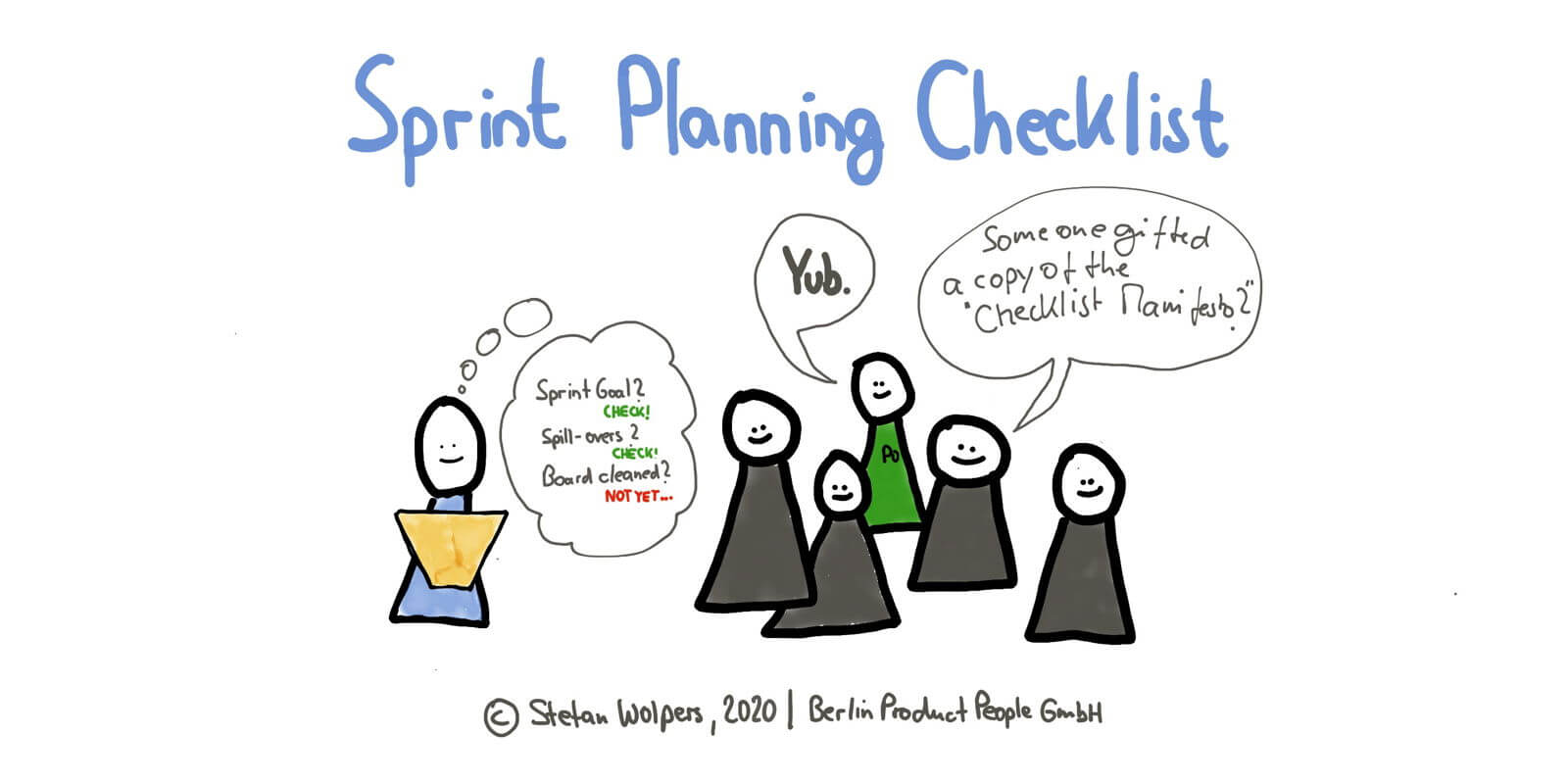
A Sprint Planning checklist? How dare you: Agile is a mindset, not a methodology. It is a journey, not a destination. There is no one-size-fits-all approach, and what else could you possibly cover with a checklist, the mother of all standardized processes?
Well, it always depends on the purpose of a tool’s application. Read more about why Scrum checklists are a handy tool if applied at an operational, hands-on level, reduce your cognitive load, and free up time for more relevant things.
TL; DR: Psychopaths and Narcissists, Get Your Brain Back — Food for Agile Thought #267
Welcome to the 267th edition of the Food for Agile Thought newsletter, shared with 27,937 peers. This week, we learn how to deal with psychopaths and narcissists as a change agent; we move away from command & control to bring back creativity, and we figure out how agile contracting with customers works at an agency.
We then address eighteen product management paradoxes; we learn about eight avoidable mistakes when running experiments, and we get an overview of the results of a recent survey on OKRs and how organizations apply them in practice.
Lastly, we enjoy listening to Mary and Tom Poppendieck, sharing their thoughts on Lean as “a way of thinking that values people.”