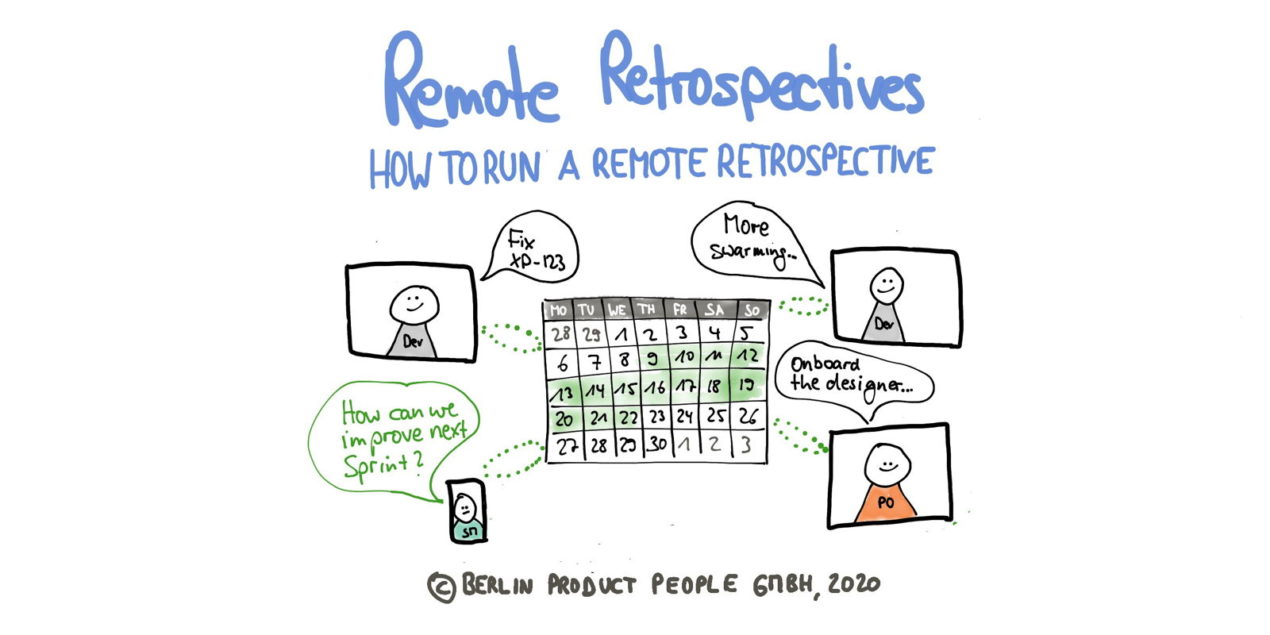
TL; DR: A Remote Retrospective with a Distributed Team
We started this series on remote agile with looking into practices and tools, followed by exploring virtual Liberating Structures, how to master Zoom as well as common remote agile anti-patterns. This fifth article now dives into organizing a remote Retrospective with a distributed team: practices, tools, and lessons learned.
TL; DR: Liberating Structures for Scrum: The Sprint Retrospective
Liberating Structures Sprint Retrospective: A few weeks ago, I started an event series with my Berlin-based Hands-on Agile Meetup group on how to improve Scrum events utilizing Liberating Structures — a set of easy to learn, yet powerful ways to collaborate as a team. The results have been fantastic so far, and I like to share these outcomes with those who cannot participate in person.
In this first post, learn more on how you can use Liberating Structures strings to improve the level of collaboration and engagement at Sprint Retrospectives.
The tenth Hands-on Agile webinar Sprint Retrospective anti-patterns covers twelve anti-patterns of the sprint retrospective—from #NoRetro to the dispensable buffer to UNSMART action items to a missing product owner.
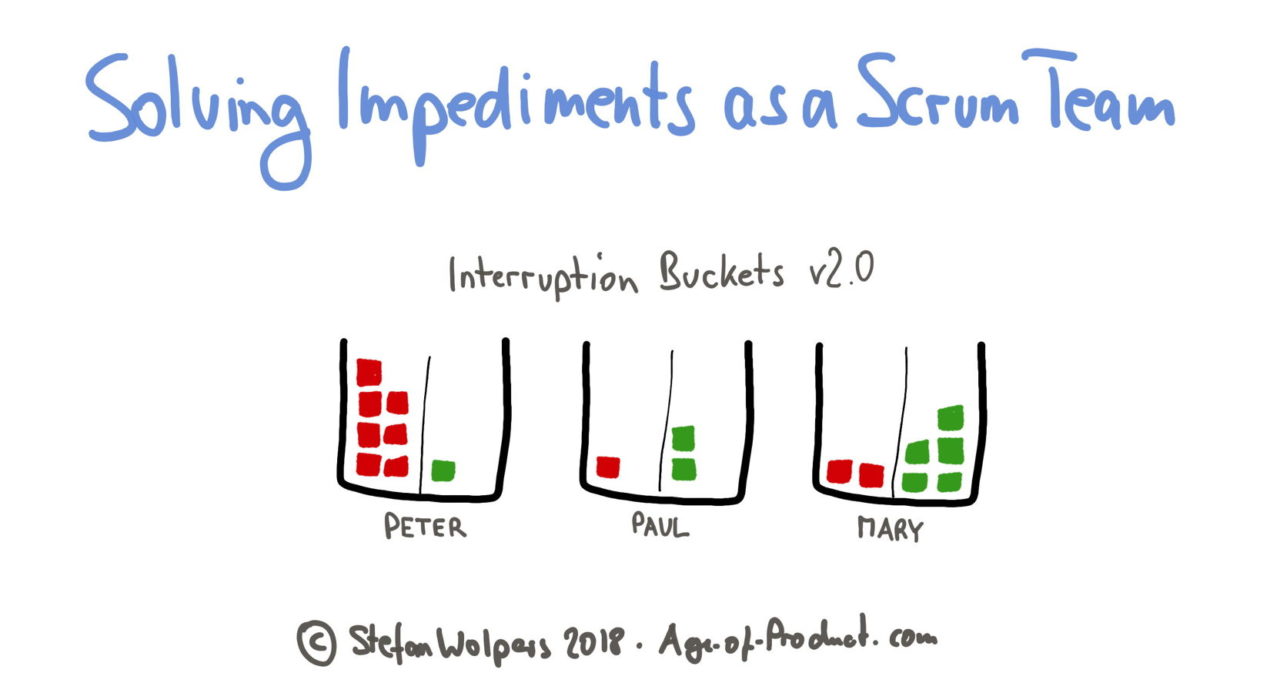
The main message of the retrospective was clear: there are too many interruptions by stakeholders and senior management. The interruptions impeded the flow of work through the team. Consequently, achieving the sprint goal had been at risk several times in the past. Moreover, the team missed the sprint goal twice recently. Solving impediments as a team has become a necessity.
Learn more on how to tackle impediments as a team by running experiments and iterating on the solution.
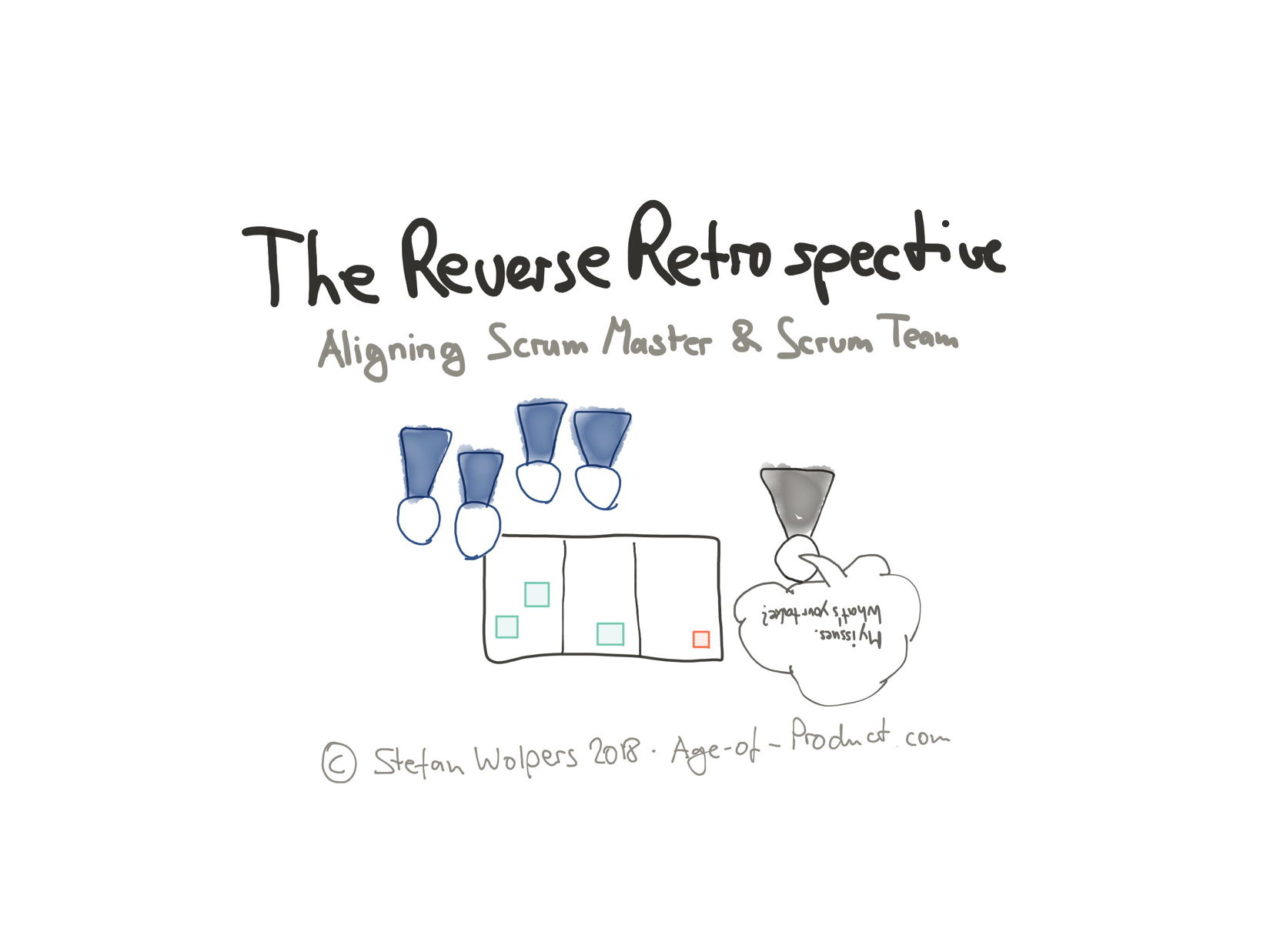
Are you—as a scrum master or agile coach—experiencing more communication kerfuffles with “your” team? Is its speed of improvement stalling? Are you under the impression that the team is slipping back into old habits and patterns? Maybe, it is time to run a reverse retrospective where you share your observations with the team.
Learn how to run a reverse retrospective to realign with your scrum team.
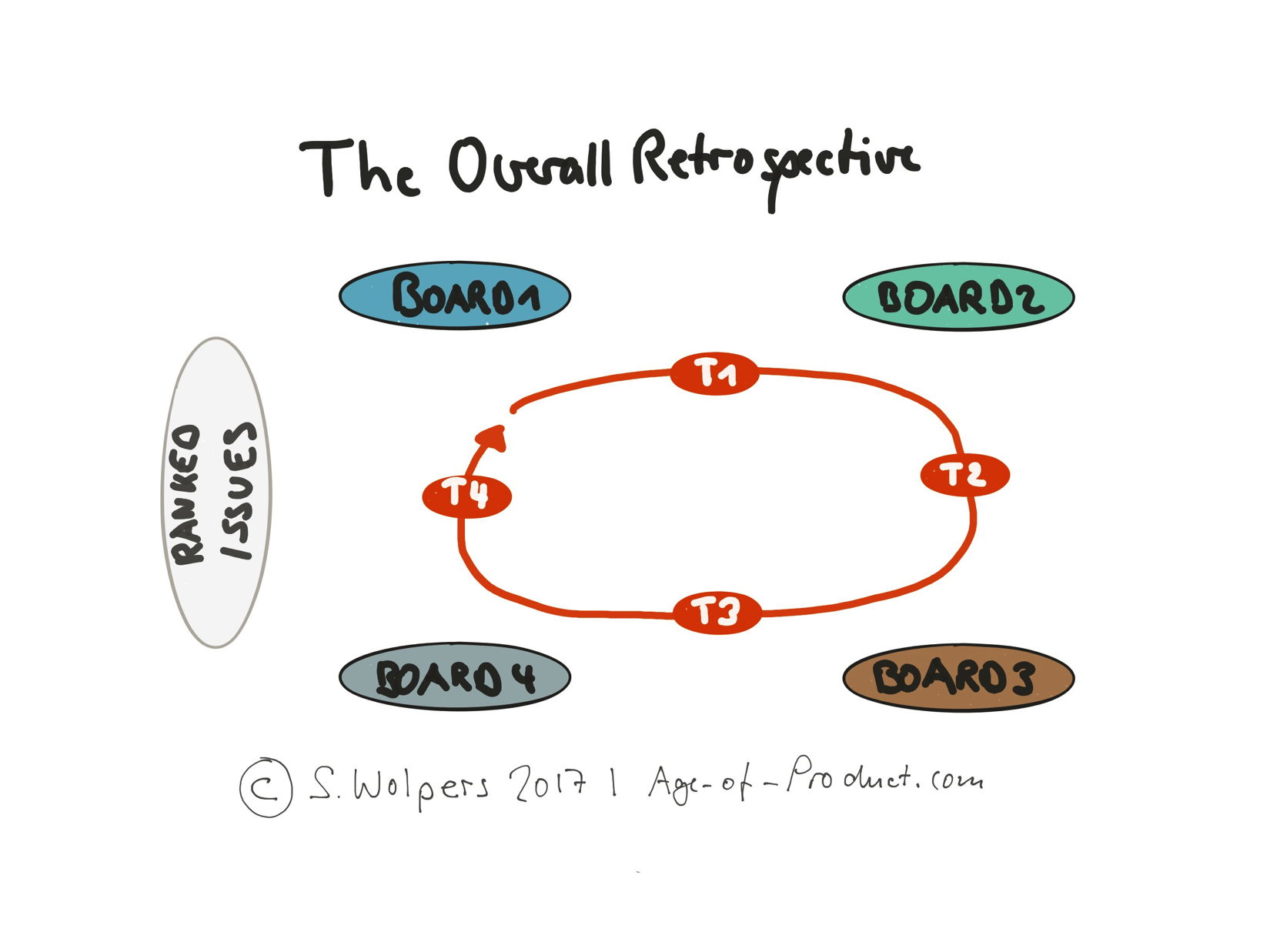
After rebuilding an existing application on a new tech stack within time and under budget our team had an overall retrospective with stakeholders this week to identify systemic issues. We found more than 20 problems in total and derived eight detailed recommendations the organization will need to address when moving forward to the next level of agile product creation.
Read on and learn how we achieved this result in under two hours with an overall retrospective attended by 16 people.