Food for Agile Thought’s issue #215—shared with 23,979 peers—delves into the requirements for the business agility flywheel to work; we reason about transformation failures, and we understand that Liberating Structures allow us to avoid groupthink when working on strategy.
We also learn what failure made LEGO getting serious about agility; we follow an interview on the importance of collaboration in product teams to escape the feature factory, and we get a better understanding of what customer-centricity means for product managers.
Lastly, we enjoy a new infographic comprised of tips & tricks for agile teams.
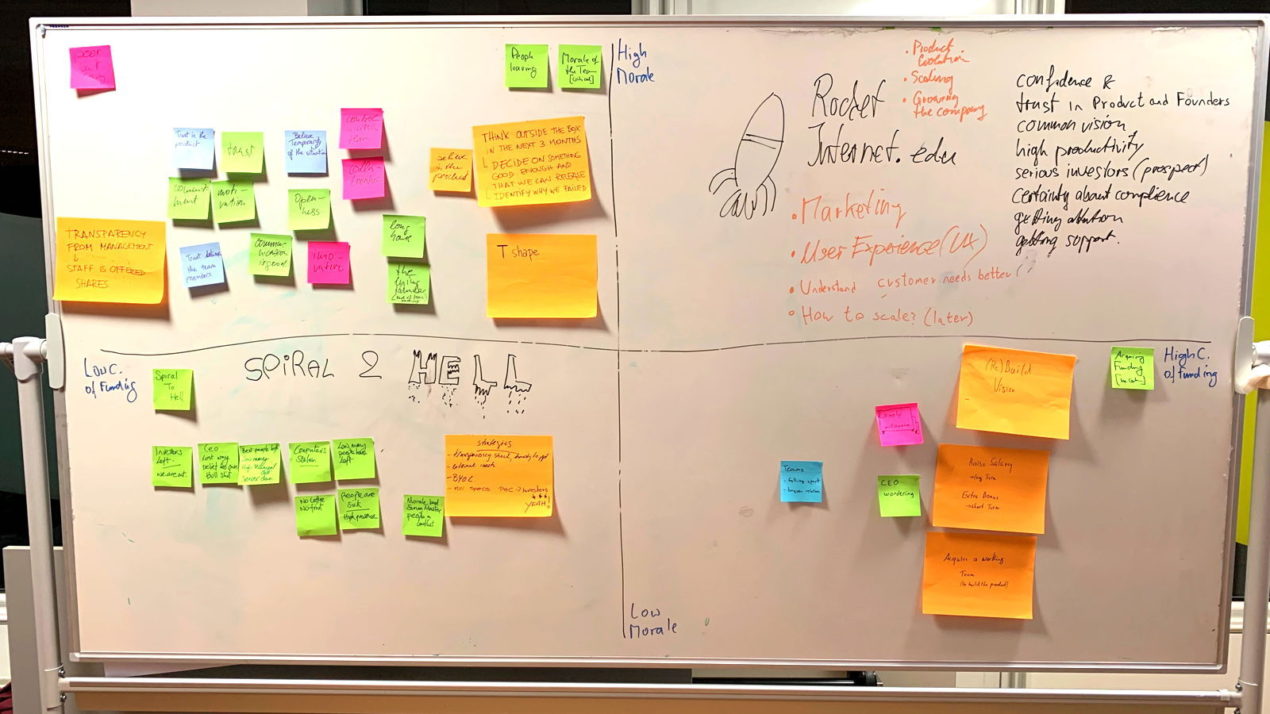
During this Liberating Structures strategy for Scrum meetup we addressed dealing with uncertainty — a particularly useful skill in highly competitive markets. Learn more about how to train and grow the resilience of your team when dealing with the unexpected.
Food for Agile Thought’s issue #214—shared with 23,916 peers—delves into Scrum agility; we follow a notion for time-based estimates, and we learn more about similarities and differences between Cynefin and the Stacey matrix.
We also consider the suggestion to skip standups as those are supposedly the worst breed of time-wasting status update meetings; we appreciate an infographic on output, outcome, and impact, and follow AirBnB to Cuba.
Lastly, we applaud an engineer for sharing his take on the role of the Product Owner.
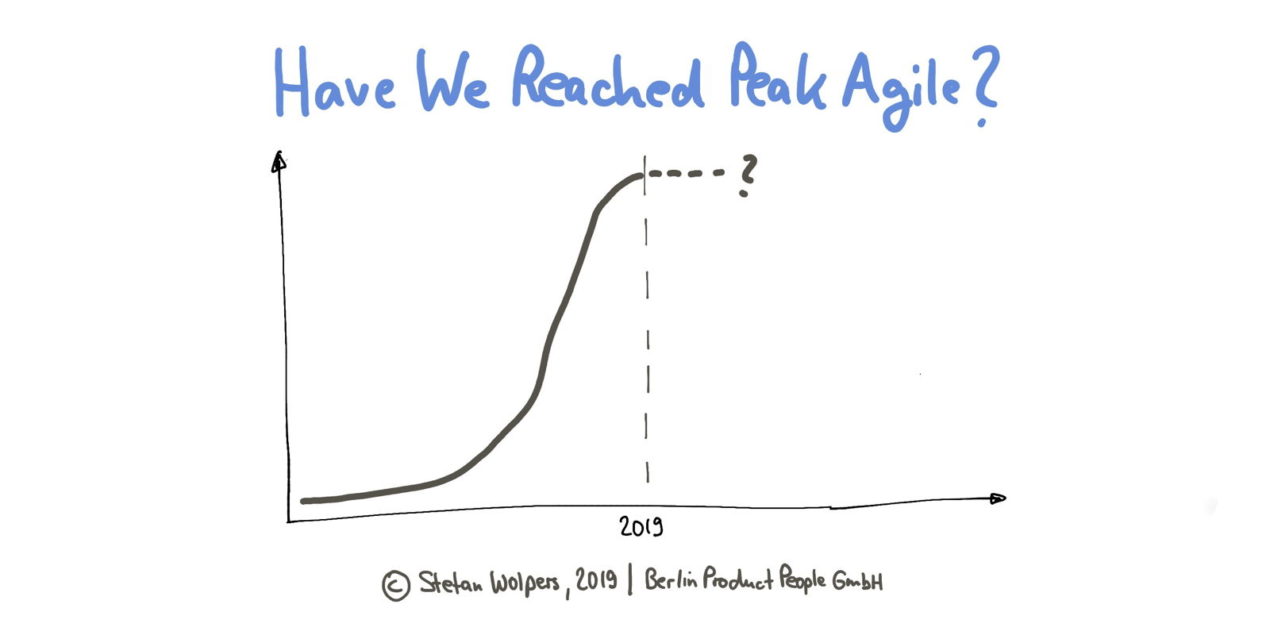
There has never been a shortage of articles claiming that Agile is either dead, failing, disrespectful, or useless, with authors ranging from respected signatories of the Agile Manifesto to click baiters to people who never experienced the real thing in the first thus lacking a standard for comparison. (See the links below.)
The question from my perspective, though, is: Have we finally have reached peak agile?
Food for Agile Thought’s issue #213—shared with 23,845 peers—delves into how Liberating Structures rescue Scrum; we borrow Swedish ideas on agile leadership beyond the so-called ‘Spotify model,’ and we learn to create an environment that is attractive to introverts.
We also consider pair coaching; we learn how to include stakeholders in product decisions while managing their expectations, and we dare to look at some math, namely Cost of Delay.
Lastly, we shed light on Mr. Amazon’s grand plan for the universe.
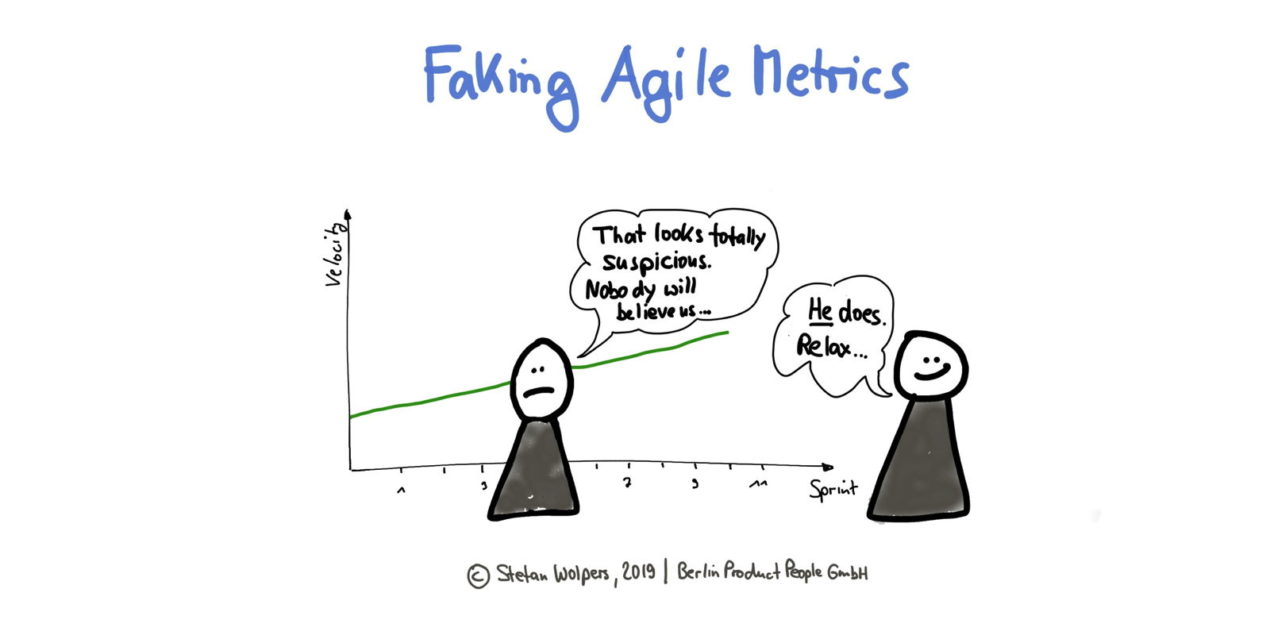
TL; DR: Faking Agile Metrics — An Eye-Opening Exercise
Imagine you’re a Scrum Master and the line manager of your team believes that the best sign for a successful agile transformation is a steady increase in the Scrum Team’s velocity. Moreover, if the team fails to deliver on that metric something is wrong with the Scrum Team. Alternatively, something is wrong with you as you are the Scrum Master and hence responsible for the team’s performance. (Apparently, not faking agile metrics, or being transparent in this case, does not seem to be valued here.)
Learn more about how to coach these kinds of line managers and help them overcome their preference for the industrial past with a simple exercise on how to cook the agile books.