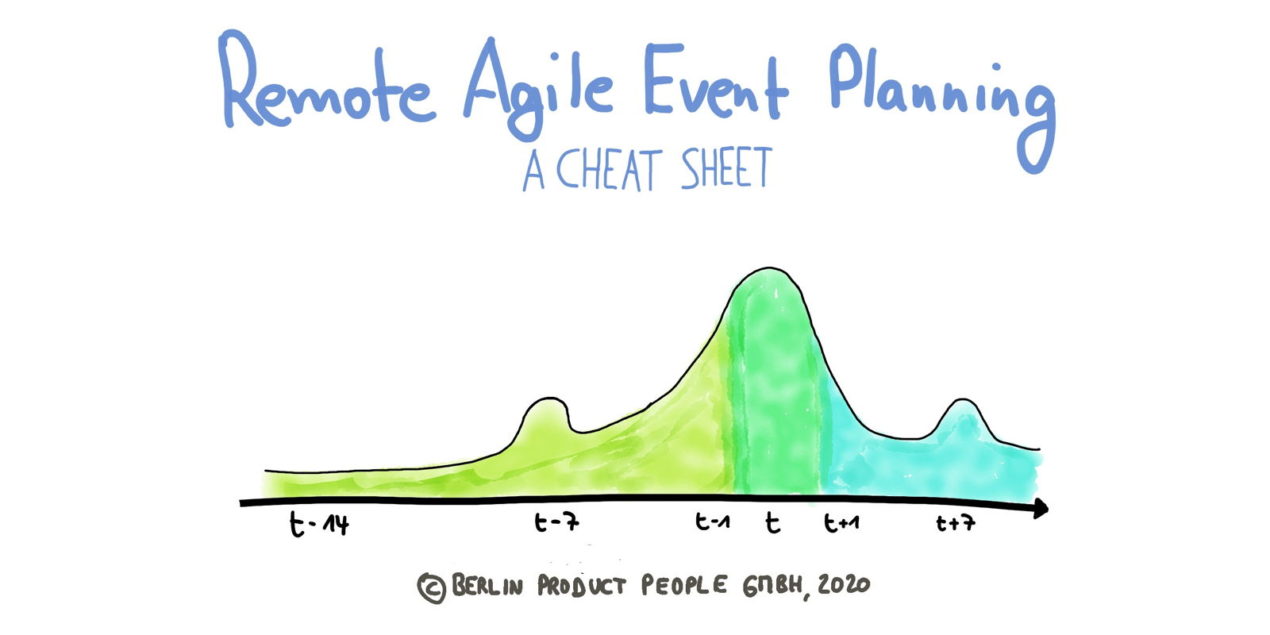
TL; DR: Remote Agile Event Planning — a Cheat Sheet
Imagine, you are supposed to facilitate a remote user-story mapping with 26 people from all over our organization. Or, think about a remote meta-level Retrospective of a recent release of your organization’s cash cow that went sideways. You may ask yourself: How am I planning for this given that participants likely have different levels of experience, and everyone needs to be included fully in the discussion? My solution to this challenge is going the extra mile regarding the remote agile event planning. The concept I describe below is tested, proven, and modeled after my virtual Professional Scrum training classes.
TL; DR: Agile’s State 2020, Tech Radar 2020 — Food for Agile Thought #244
Welcome to the 244th edition of the Food for Agile Thought newsletter, shared with 26,621 peers. This week, we learn more about Agile’s State 2020; we explore the latest technology trends and dig into the performance and happiness surveys of remote workers.
We also compare three frameworks for strategic alignment; we consider a suggestion on how to design a product organization and come back to product requirements.
Lastly, we applaud Cal Newport for suggesting how to fix the numerous issues of remote work for newly distributed organizations.
TL; DR: The Agile Movers & Shakers Interview w/ Christiaan Verwijs & Barry Overeem
Today we welcome Christiaan Verwijs & Barry Overeem. Christiaan and Barry are both Professional Scrum Trainers (PST) with Scrum.org, dedicated early adopters of Liberating Structures, and co-authors of the upcoming Zombie Scrum Survival Guide.
TL; DR: Agile Training Wheels, Adoption & Maturity—Food for Agile Thought #243
Welcome to the 243rd edition of the Food for Agile Thought newsletter, shared with 26,567 peers. This week, we make the case to get the agile training wheels off; we deal with an example of widespread confusion among experienced agilists, and we approve of a comprehensive list of remote team building activities.
We also delve into the nasty evolution of tricky user interfaces; we come back to envisioning the (product) future, resulting probably in feature factories, and we deal with the need for delegation.
Lastly, we get to the bottom of Zoom fatigue and how we can compensate for the effect.
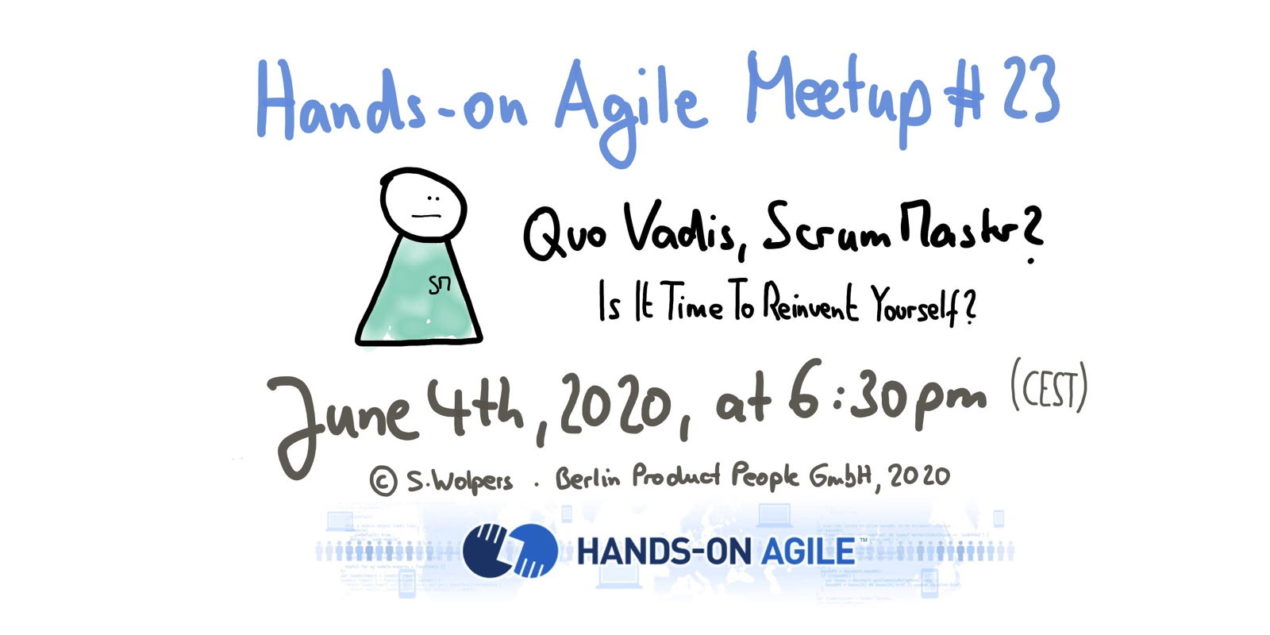
TL; DR: Quo Vadis, Scrum Master? — A Live Virtual Meetup on June 4, 2020
Freelancing Scrum Masters being let go, with no new projects on the horizon. Employed Scrum Masters being furloughed or fired. Moreover, considering remote work as the new normal — where does this development leave the Scrum Master or agile coach? Is the “invisible presences” acquiring a new, unwanted meaning?
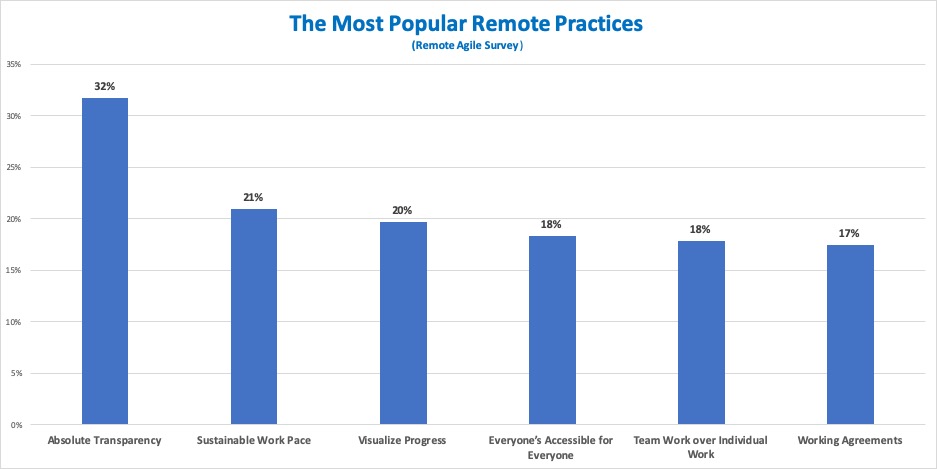
The first insights are available from the Remote Agile Survey: What are good remote agile practices, and what are possible low-hanging fruits that haven’t yet been tried by a majority of participants? Moreover, we learn if new collaboration practices have been tested and if so what those are.