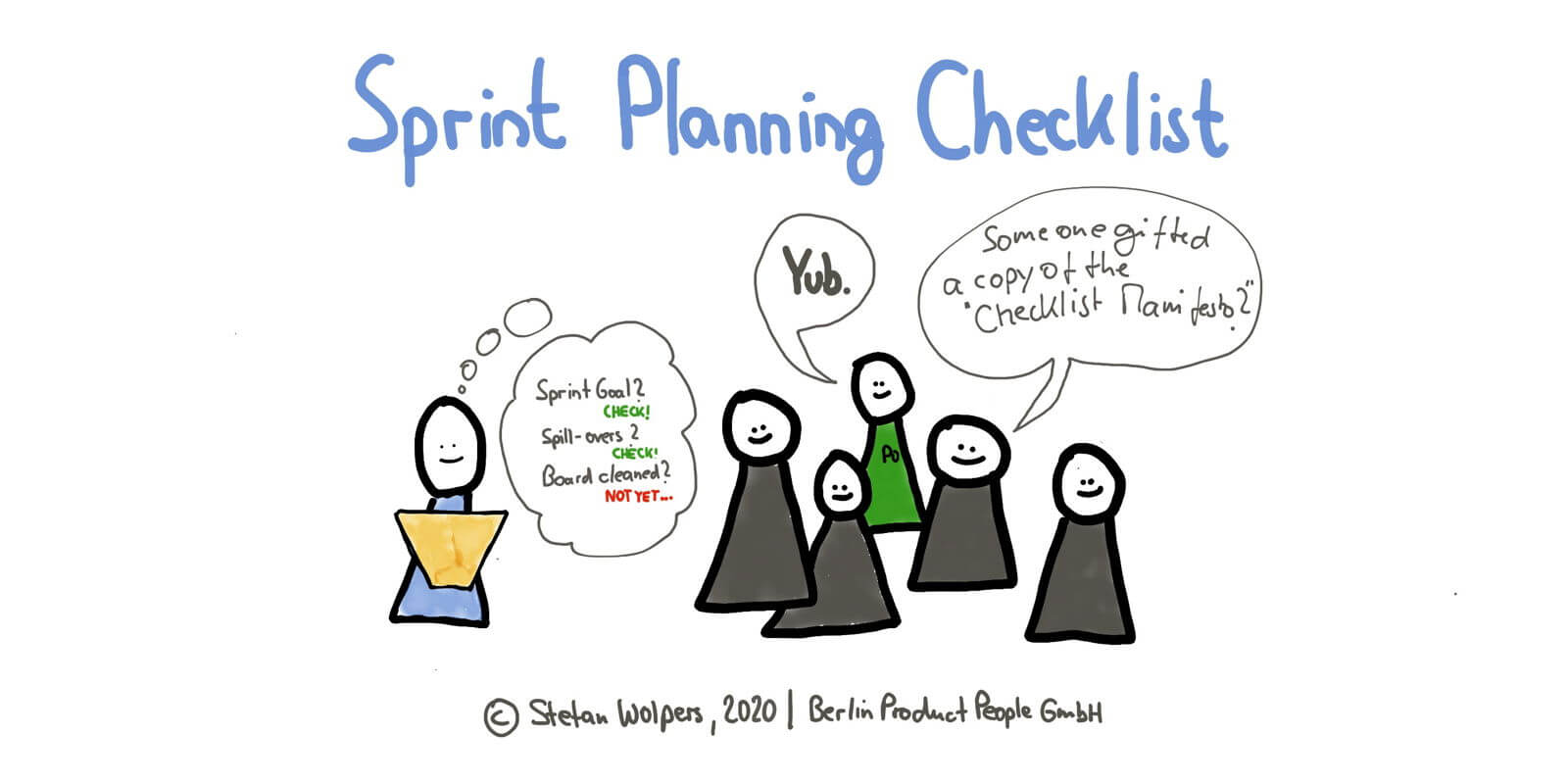
A Sprint Planning checklist? How dare you: Agile is a mindset, not a methodology. It is a journey, not a destination. There is no one-size-fits-all approach, and what else could you possibly cover with a checklist, the mother of all standardized processes?
Well, it always depends on the purpose of a tool’s application. Read more about why Scrum checklists are a handy tool if applied at an operational, hands-on level, reduce your cognitive load, and free up time for more relevant things.
by Stefan Wolpers|Agile and ScrumAgile TransitionLean and Product
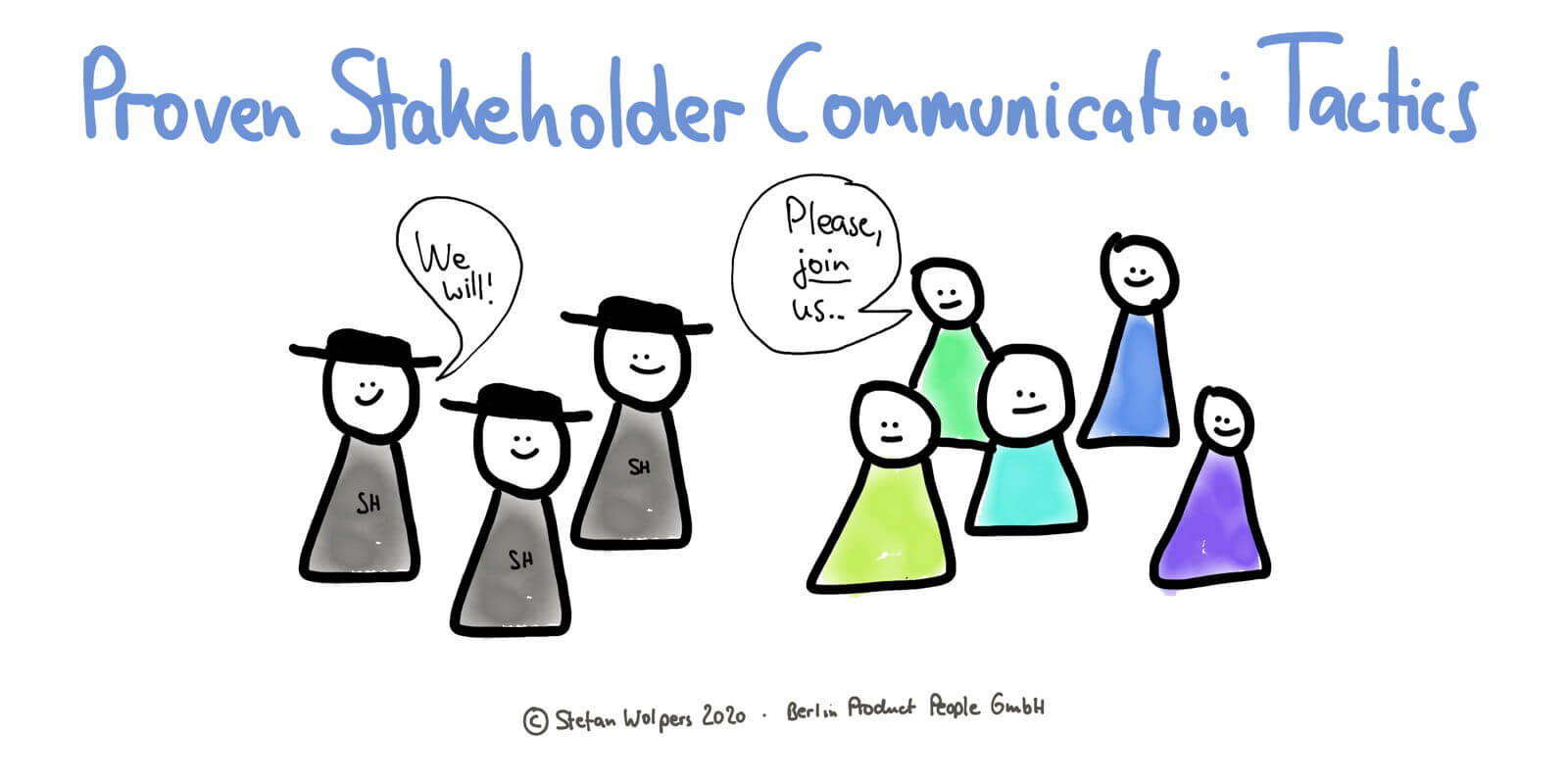
TL; DR: 11 Proven Stakeholder Communication Tactics
Stakeholder communication: It is simply not enough for an agile product development organization to create great code and ship the resulting product like a clockwork. It would help if you also talked about it, particularly at the beginning of your endeavor to becoming a learning organization. Marketing your journey to the rest of the organization—and thus securing their support, collaboration, and buy-in—is a critical success factor to step up the transformation game: You want to become agile, not “do agile.”
Learn more about eleven proven stakeholder communications tactics that contribute to making this happen.
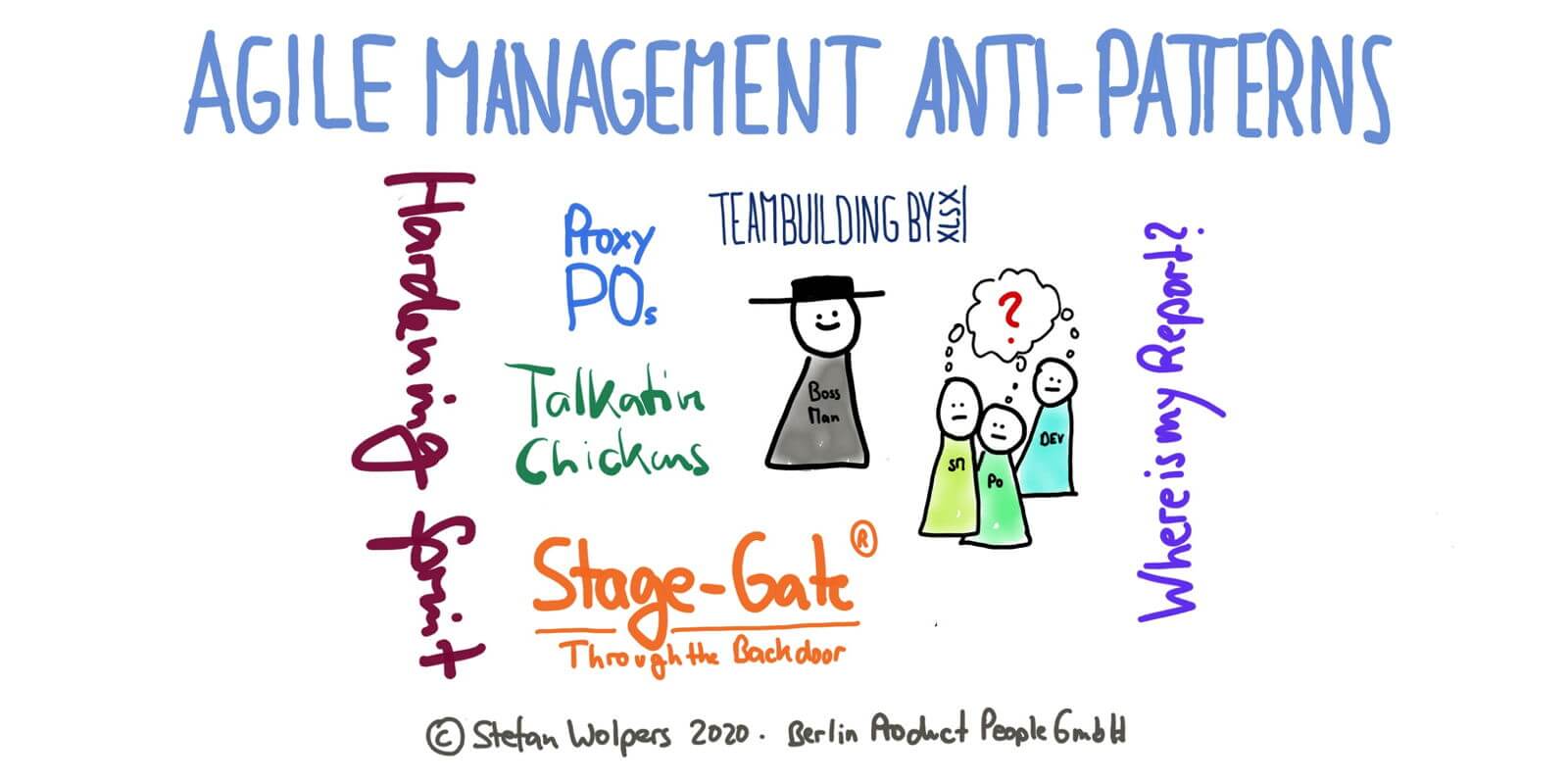
Learn more about agile management anti-patterns the aspiring servant leader should avoid during the organization’s transition: From applying the Stage-Gate® approach through the back door to the ‘where is my report’ attitude to other beloved signs of applied Taylorism.
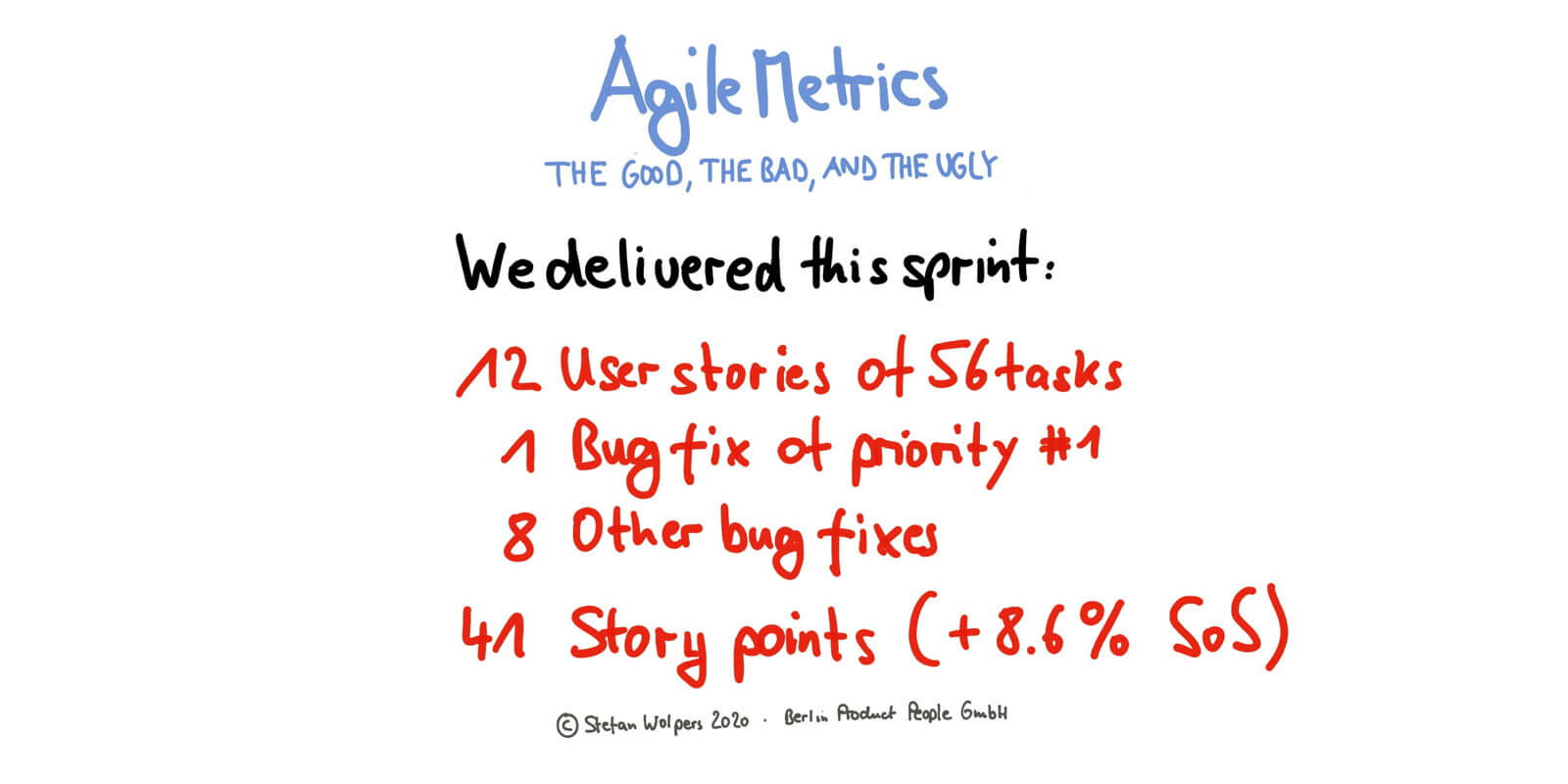
Suitable agile metrics reflect either a team’s progress in becoming agile or your organization’s progress in becoming a learning organization.
At the team level, qualitative agile metrics often work better than quantitative metrics. At the organizational level, this is reversed: quantitative agile metrics provide better insights than qualitative ones.
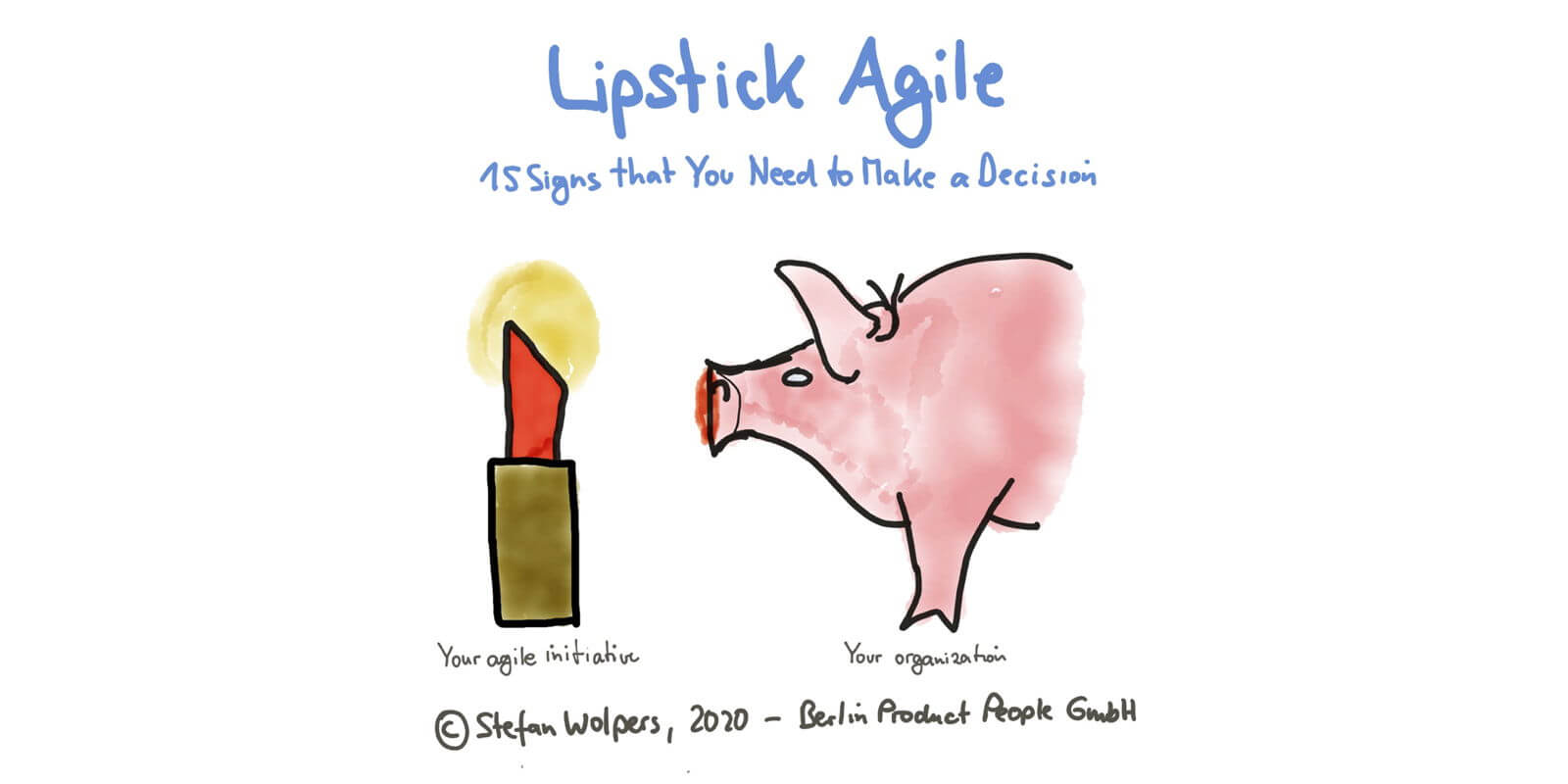
TL; DR: Lipstick Agile — Happiness in the Trenches?
Have you noticed how many people in the agile field are unhappy with their work situation? A situation where an organization already struggles doing agile, not to mention ‘becoming agile?’ This is what I call lipstick Agile.
Scrum Masters and agile coaches are close to either burnout or indifference. Product Owners who “own” the product by name only, and developers questioning why “Agile” is imposed upon them and often turns out to be just another form of micromanagement.
Do you need an emergency fund as a change agent—whether you are acting as Scrum Master, Product Owner, or agile coach—because conflict is inevitable, but change is not? Speaking truth to power probably comes at a price.
In my experience, speaking truth to power, pointing at the emperor’s new clothes and the reality in the trenches, is necessary a trait for every change agent — including Scrum Masters and agile coaches — in organizations that lack strong leadership.
Learn more, how this form of professional honesty can backfire when the incumbents, privileged by the existing system, strike back.