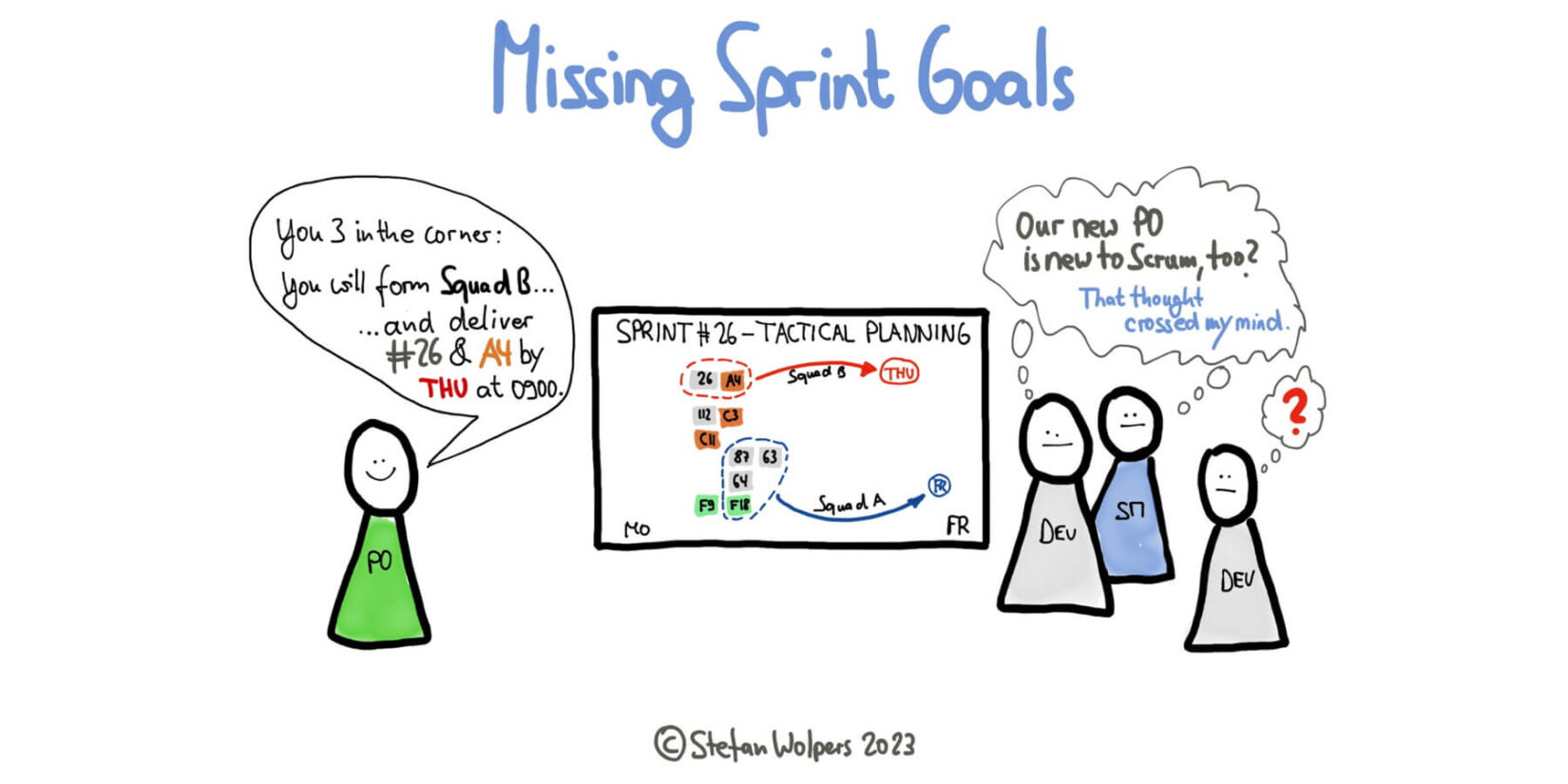
Do you excel in the art of setting unattainable, imposed, or plain non-existing Sprint Goals? In other words, are you good at missing Sprint Goals with regularity? If not, don’t worry; help is on the way!
In this article, we’ll explore how to consistently miss the mark. For example, enjoy the thrill of cherry-picking unrelated backlog items and defining success by sheer output, not outcome. Countless Scrum Teams have thoroughly tested all suggestions. They are ideally suited for teams who love the challenge of aimlessly wandering through Sprints!
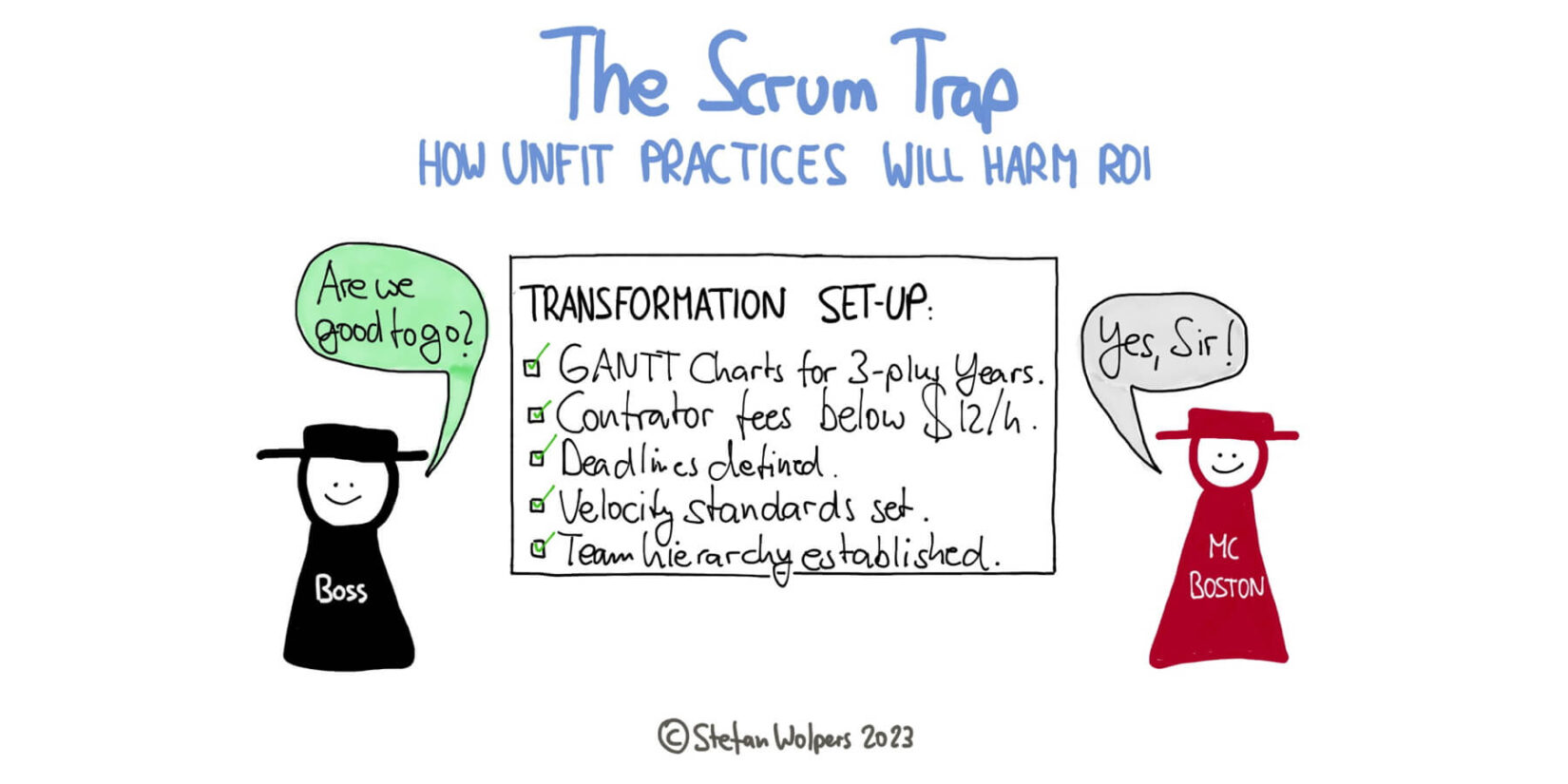
Scrum is a purposefully incomplete framework. Consequently, it needs to be augmented with tools and practices to apply its theoretical foundation to an organization’s business reality: what problems shall be solved for whom in which market? Moreover, there is an organization’s culture to take into account. However, the intentional “gap” is not a free-for-all to accept whatever comes to mind or is convenient. Some tools and practices have proven highly effective in supporting Scrum’s application and reaping its benefits. And then there are others — the Scrum trap.
Let’s look at what practices and tools for collaboration and team building are not helpful when used with Scrum.
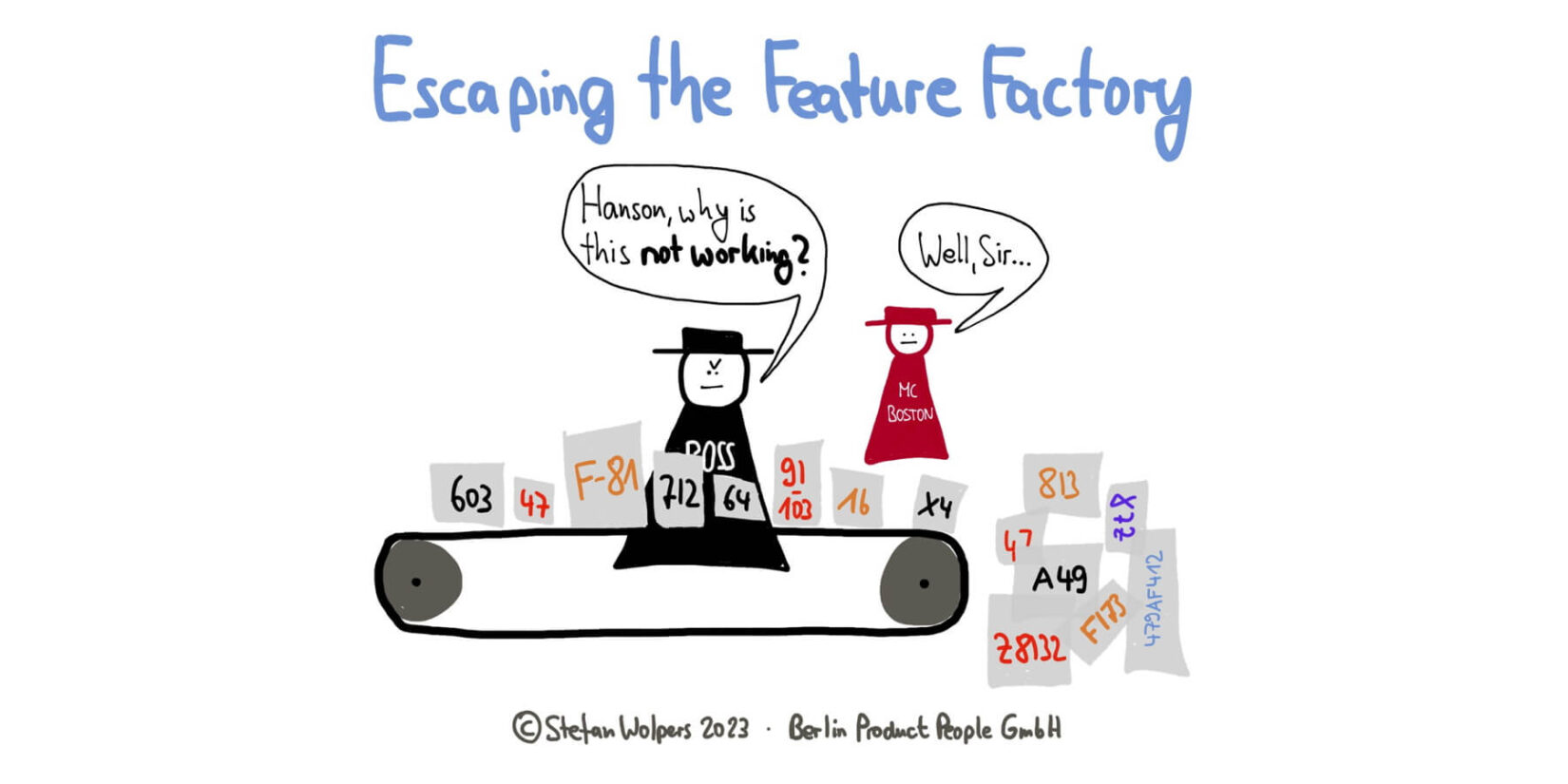
TL; DR: Escaping the Feature Factory — Refocussing From Output to Outcome
The feature factory fate is not inevitable; there is hope to avoid becoming a mere cog in the machinery. Learn how!
In many large organizations, Scrum teams fall into the ‘feature factory’ trap, focusing more on churning out features than creating real value. It’s too bad that this shift undermines Agile principles and hampers long-term success and innovation. Let’s discuss how and why this happens and what we can do to break the chains of the feature factory.
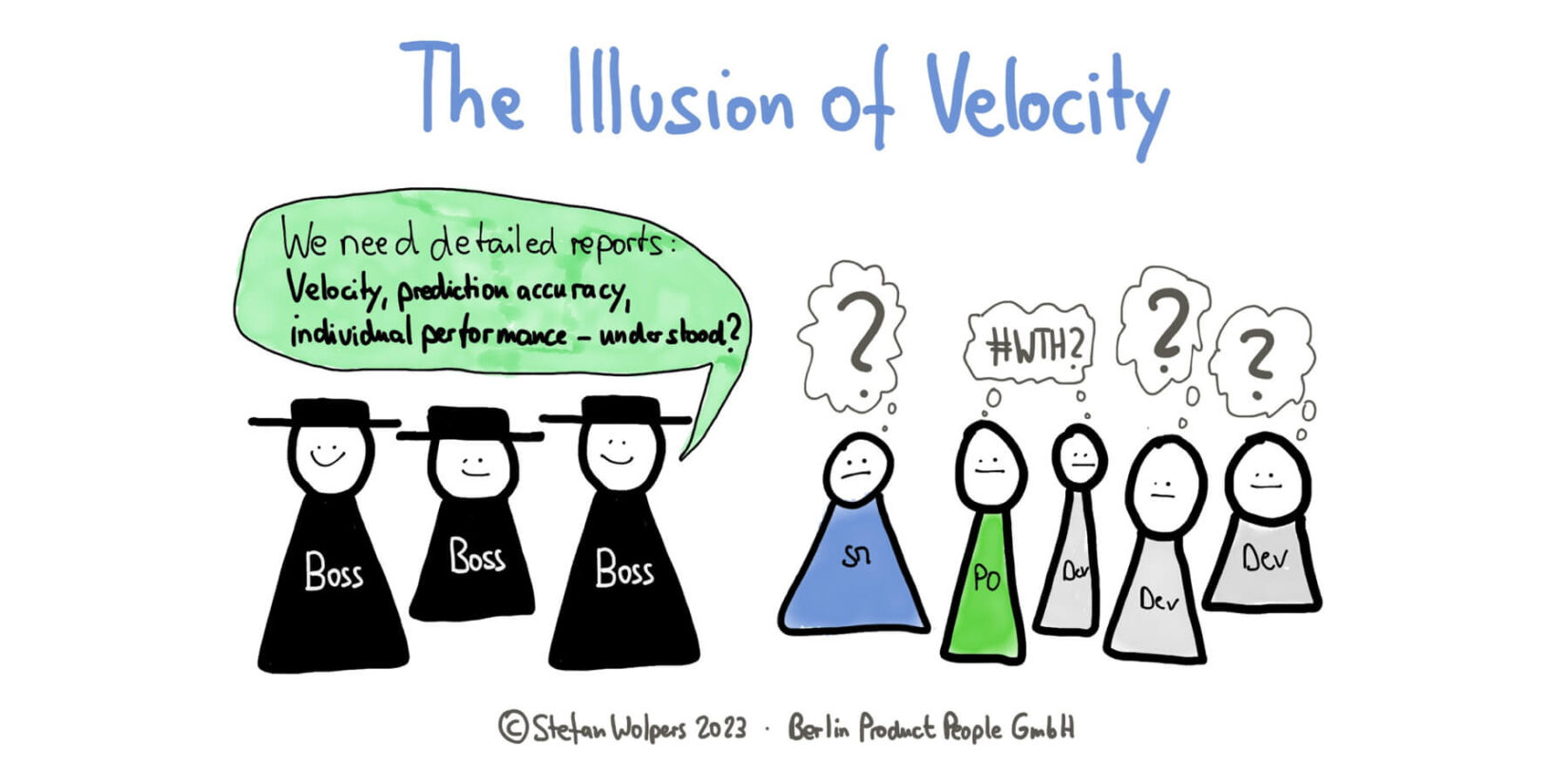
In this article, I explore the pitfalls of ‘The Illusion of Velocity’ in agile contexts, peeling back the layers of traditional metrics as leadership tools. Moreover, I point to the advantages gained from leadership engaging directly with teams.
Understand why servant leadership and practices like the Gemba Walks are crucial for coping with complex, adaptive environments toward actual progress. Moreover, get an idea of how to start flipping outdated hierarchies and embrace the natural rhythm of productivity and innovation.
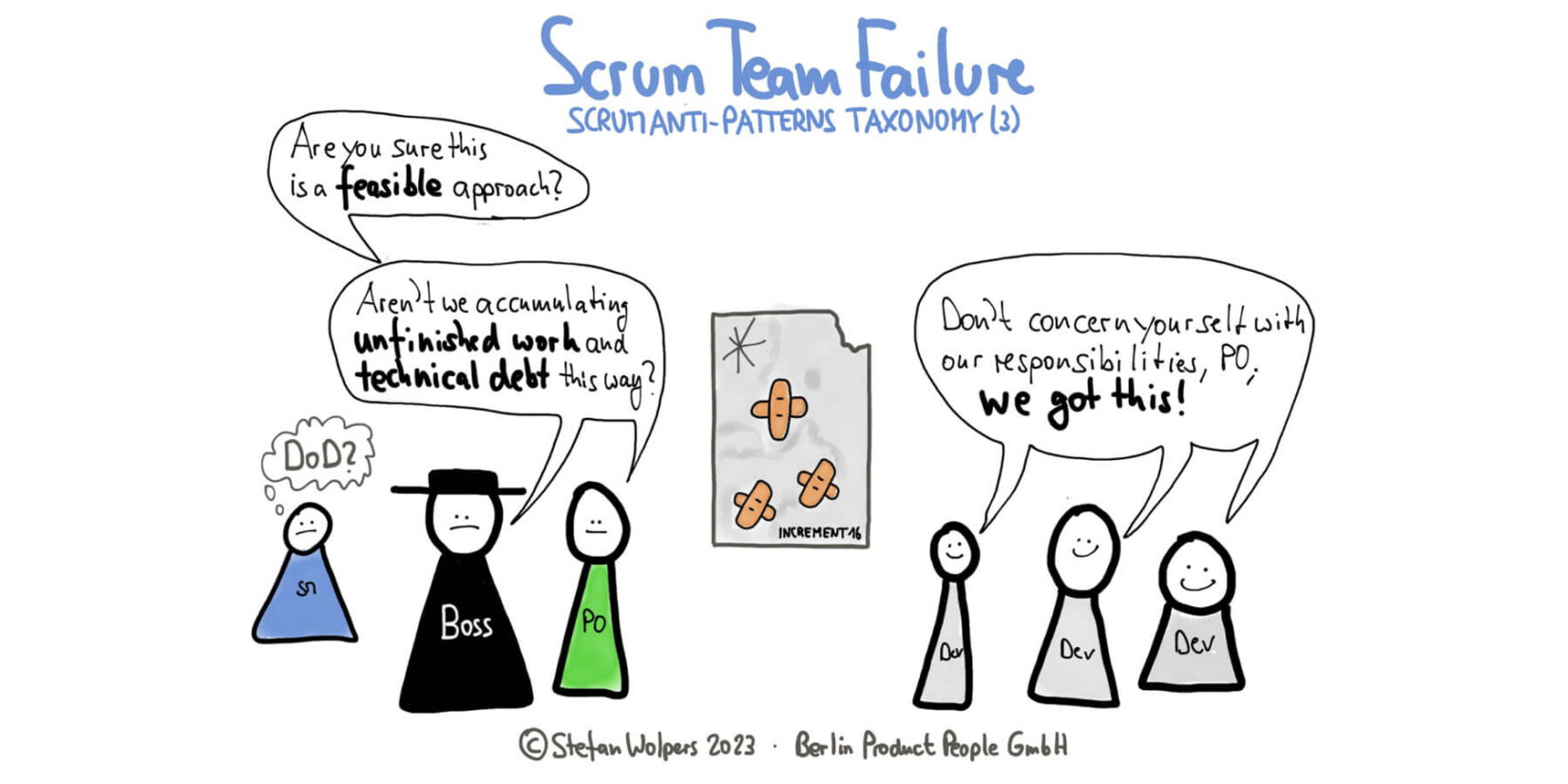
This post on Scrum team failure addresses three categories from the Scrum anti-patterns taxonomy that are closely aligned: Planning and process breakdown, conflict avoidance and miscommunication, and inattention to quality and commitment, often resulting in a Scrum team performing significantly below its potential.
Learn how these Scrum anti-patterns categories manifest themselves and how they affect value creation for customers and the organization’s long-term sustainability.
This is the third of three articles analyzing the 183 anti-patterns from the upcoming Scrum Anti-Patterns Guide book. The other two articles, see below, address adhering to legacy systems, processes, practices, and communication and collaboration issues.
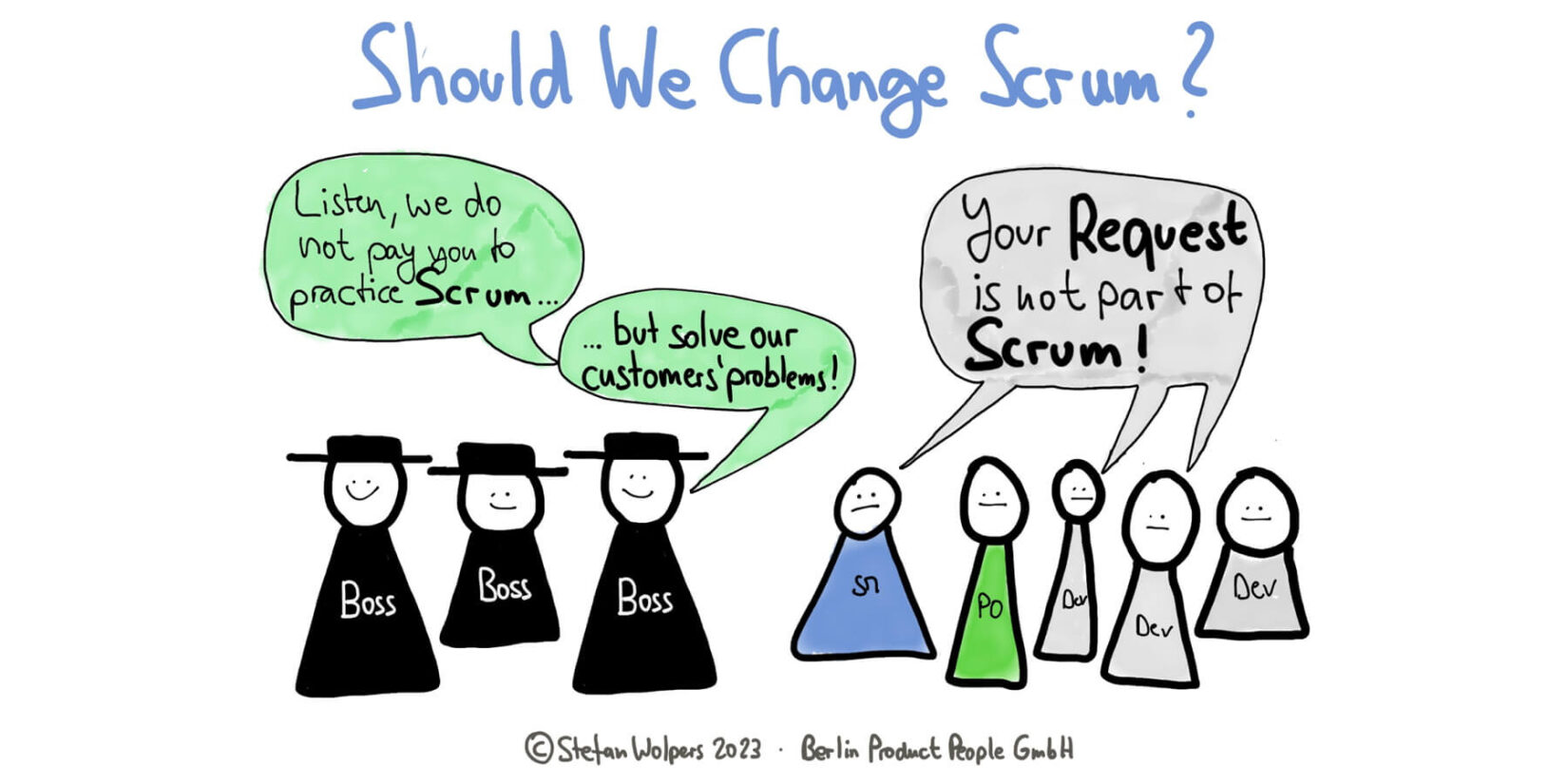
Can we or should we change Scrum, or is it a sacrilege to tweak the ‘immutable’ framework to accommodate our teams’ and organizations’ needs?
Not so fast; don’t just dismiss augmenting Scrum as leaving the path, contributing to the numerous Scrumbut mutations, giving Scrum a bad name. However, in our rapidly evolving business landscape, sticking rigidly to traditional Scrum by the book could be a straightjacket stifling innovation, user focus, and adaptability.
From ensuring cultural compatibility to facing technical debt challenges and emerging technologies, discover ten compelling reasons why augmenting Scrum isn’t just okay—it’s necessary for modern teams.
Read on to discover when and how to adapt Scrum responsibly without diluting its essence.