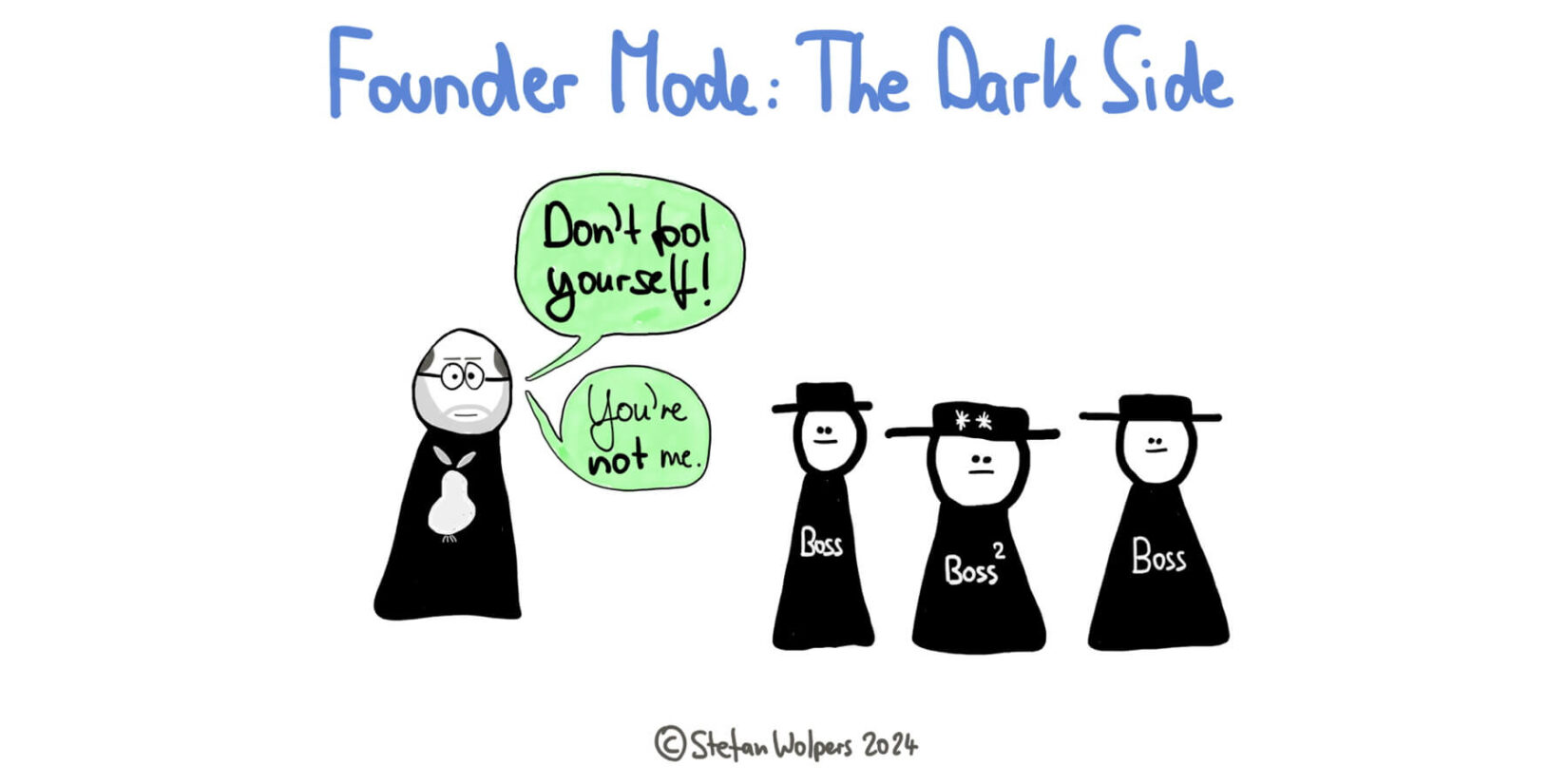
This article delves into the darker aspects of Founder Mode, popularized by Paul Graham and others. It offers a critical perspective for agile practitioners, product leaders, startup founders, and managers who embrace this paradigm and probably fall victim to survivorship bias; the Jobs and the Cheskys are the exception, not the rule.
The article explores how resulting tendencies, such as micromanagement, lack of strategic transparency, team devaluation, and reckless risk-taking, can undermine organizational health, stifle innovation, and conflict with agile principles. These can jeopardize long-term success while making work in organizations with a failed founder mode application miserable for everyone below the immediate leadership level and the founder himself.
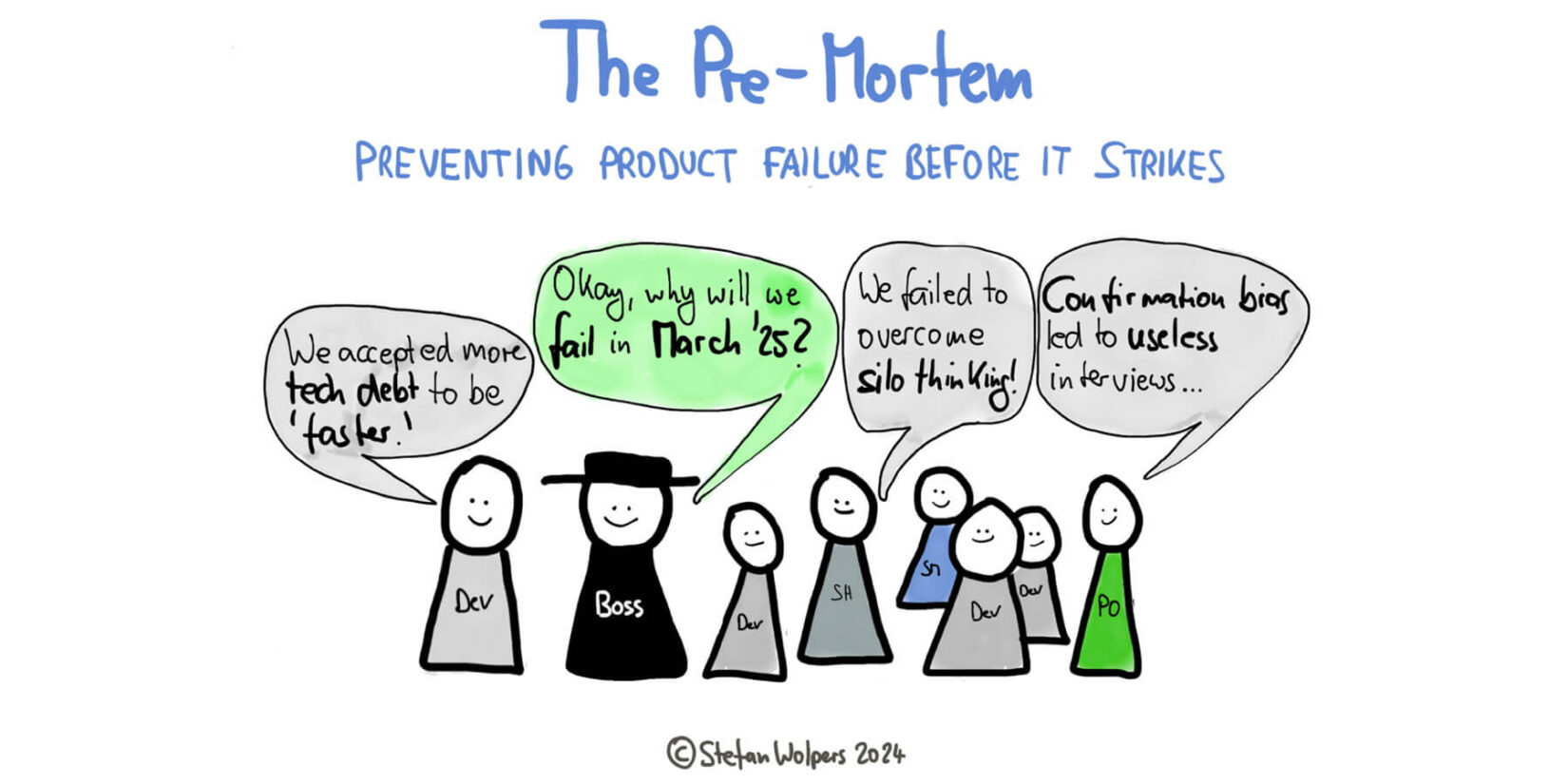
TL; DR: The Pre-Mortem: A Non-negotiable Part of Your Product Development Toolbox
Do you want to build products that avoid costly mistakes, meet customer needs, and drastically enhance your career prospects? Then, the pre-mortem is your secret weapon!
By imagining how a project might fail before it even begins, teams can identify and mitigate hidden risks early, ensuring a more resilient, successful outcome. This article explains why pre-mortems are a brilliant tool for risk mitigation, improving your team’s decision process, and how they can transform your product development process. Learn how to apply this proactive strategy and create bulletproof products.
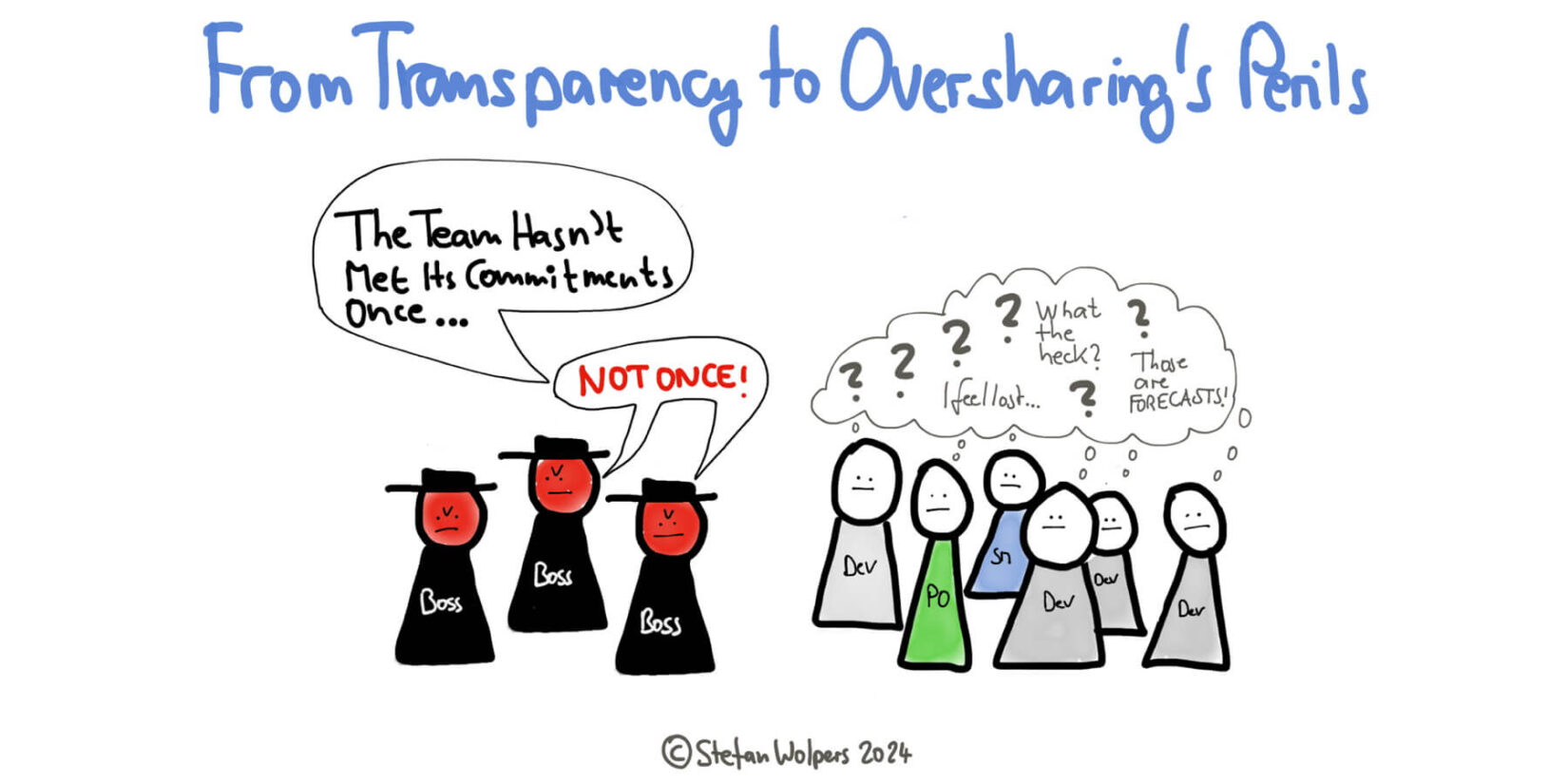
TL; DR: Why Too Much Transparency Can Have a Detrimental Effect
While transparency is often touted as essential in Agile, too much can have negative consequences. Oversharing can lead to micromanagement, misinterpretation, and loss of trust within the team. Examples include excessive scrutiny during Daily Scrums, misreading progress metrics, and creating a blame culture that erodes psychological safety.
Strategic opacity may sometimes be necessary to protect the team’s autonomy and maintain a healthy dynamic. Be transparent, but not at the expense of the team’s independence and well-being.
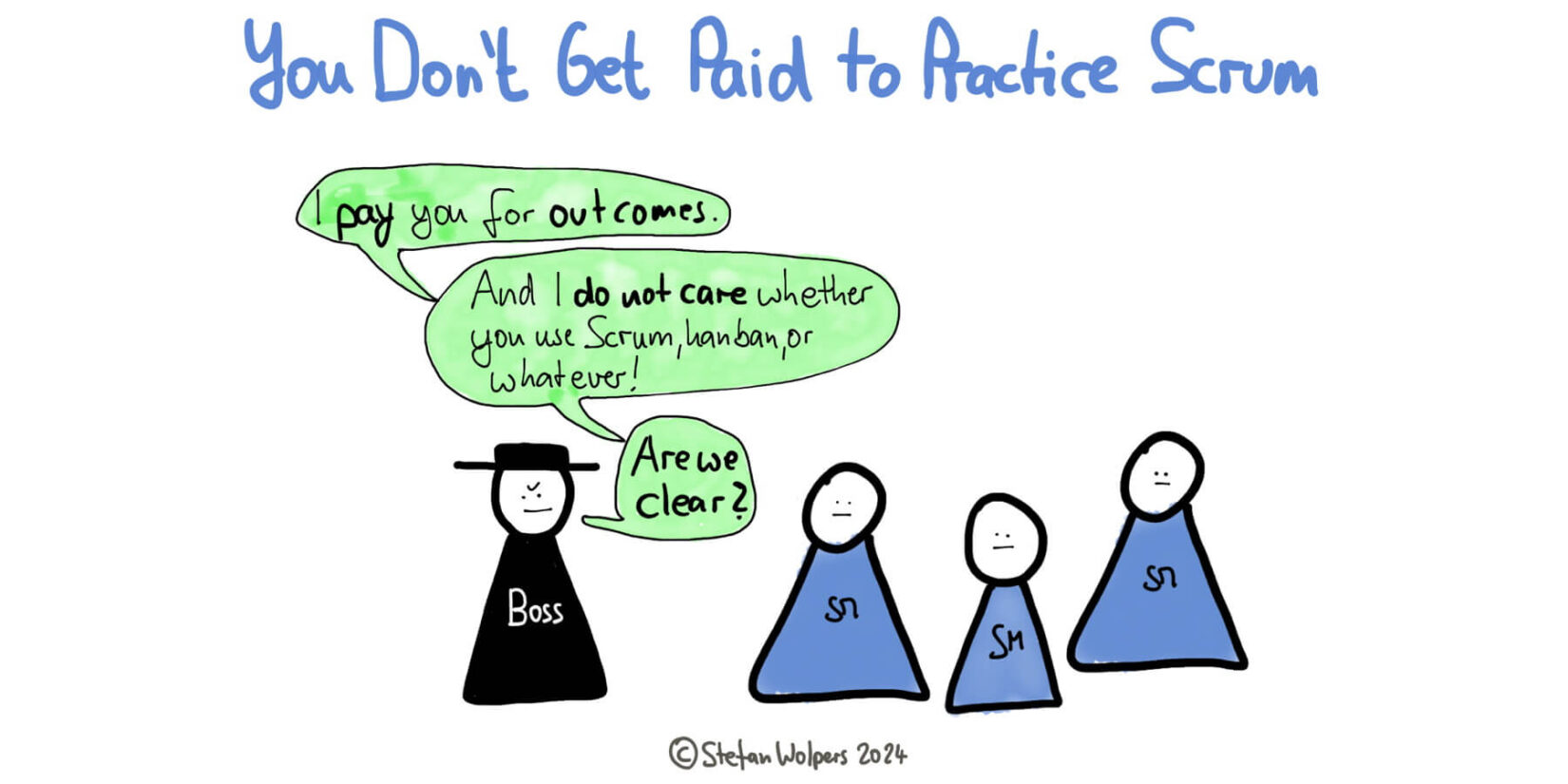
Scrum is just a tool; your job is to solve real customer problems and deliver value. Stop focusing on perfecting frameworks and start prioritizing outcomes that matter. It’s time to reassess what truly drives your success, particularly given the challenging business environment.
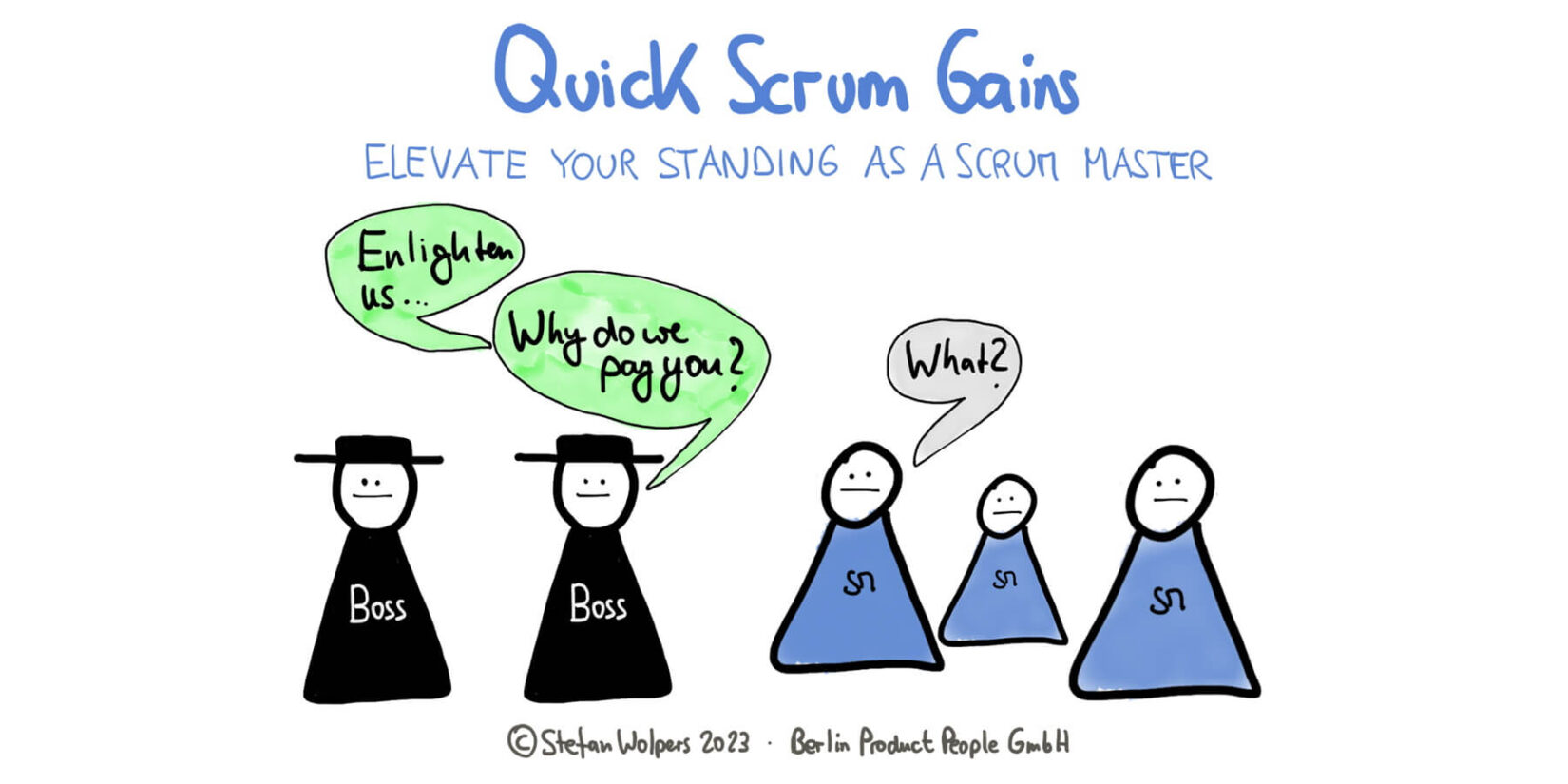
Suppose you are a Scrum Master or Agile Coach. Have you recently been asked to explain your contribution to the organization’s value creation? In other words, does management want to know whether you are pulling your weight or if your salary is an expendable expenditure? This article points to ten quick Scrum gains you can pull off without asking for permission or budget to prove your contribution to your organization’s survival in these challenging times.
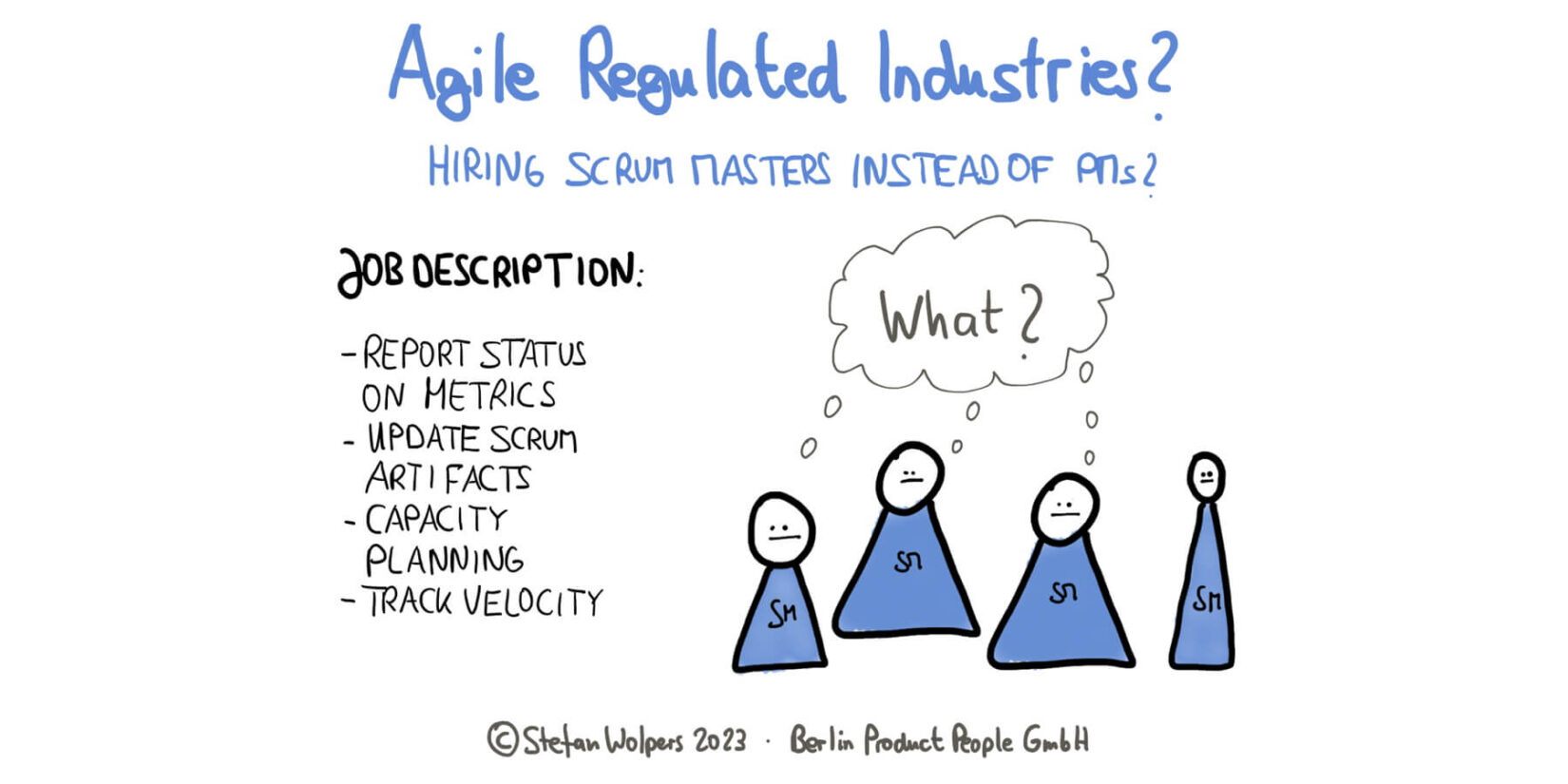
Are there agile regulated industries, or is that an oxymoron?
Recently, I received a project alert from an organization looking for a Scrum Master with “at least two years knowledge of information systems for rail and public transport travelers.”
Now, if you go through the job description, they do not seem to look for a Scrum Master but a project manager and glorified Jira clerk. If that is the case, why don’t they say so but pretend there is such a thing as agile regulated industries?