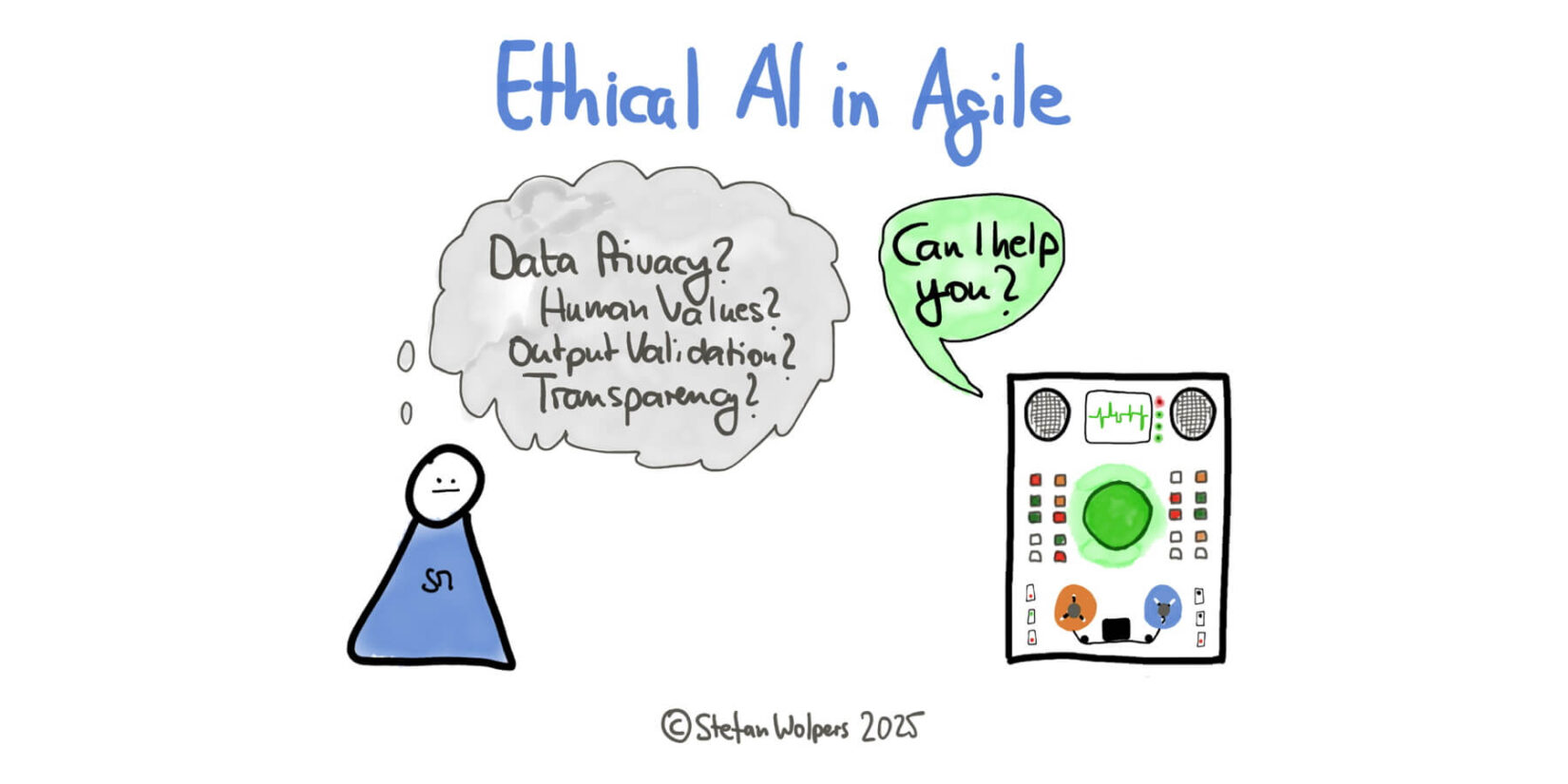
Agile teams face ethical challenges. However, there is a path to ethical AI in Agile by establishing four pragmatic guardrails: Data Privacy (information classification), Human Value Preservation (defining AI vs. human roles), Output Validation (verification protocols), and Transparent Attribution (contribution tracking).
This lightweight framework integrates with existing practices, protecting sensitive data and human expertise while enabling teams to confidently realize AI benefits without creating separate bureaucratic processes.
Stop treating AI as a team member to “onboard.” Instead, give it just enough context for specific tasks, connect it to your existing artifacts, and create clear boundaries through team agreements. This lightweight, modular approach of contextual AI integration delivers immediate value without unrealistic expectations, letting AI enhance your team’s capabilities without pretending it’s human.
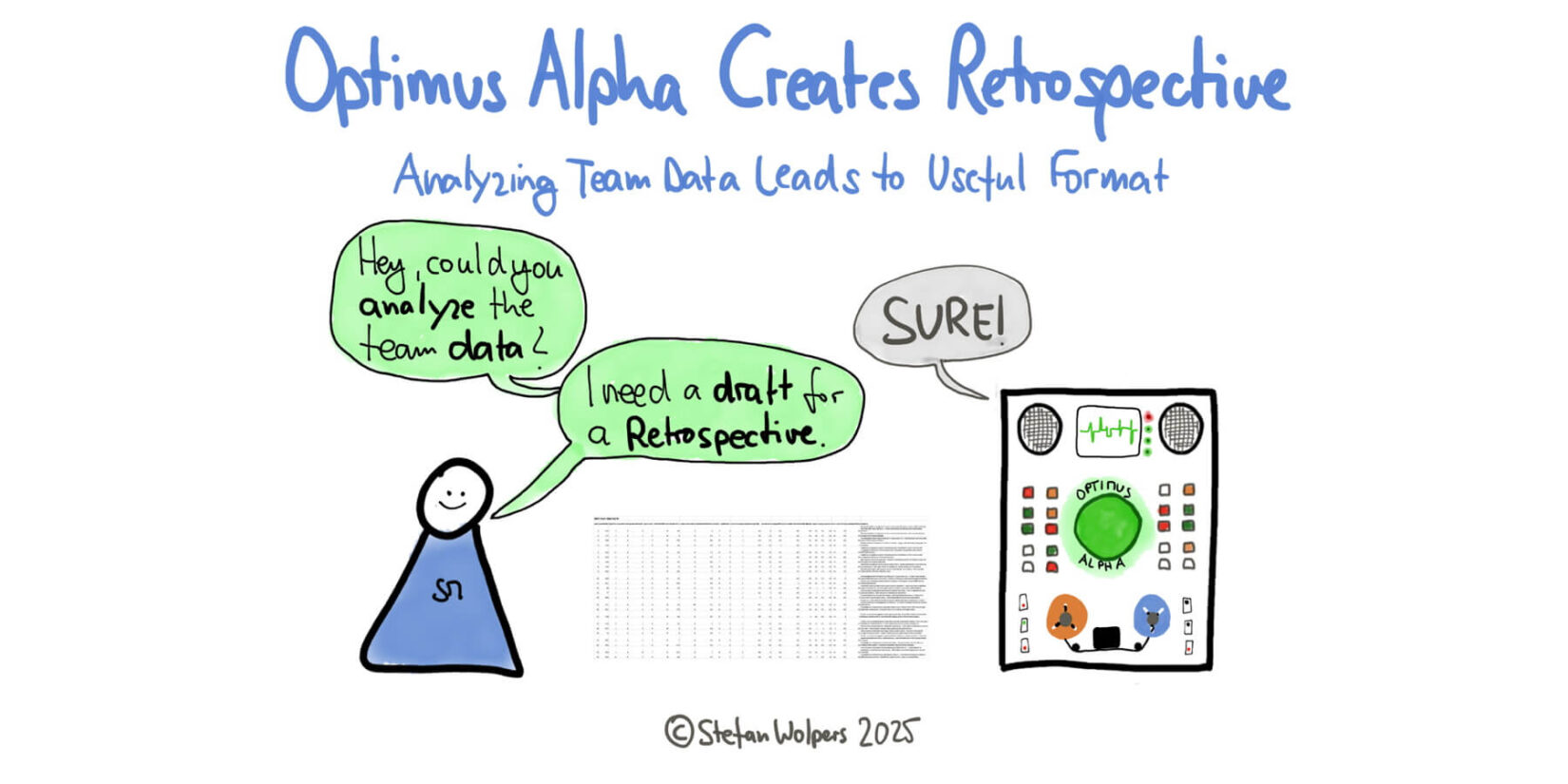
TL; DR: Optimus Alpha Creates Useful Retrospective Format
In this experiment, OpenAI’s new stealthy LLM Optimus Alpha demonstrated exceptional performance in team data analysis, quickly identifying key patterns in complex agile metrics and synthesizing insights about technical debt, value creation, and team dynamics. The model provided a tailored Retrospective format based on real team data.
Its ability to analyze performance metrics and translate them into solid, actionable Retrospective designs represents a significant advancement for agile practitioners.
I have been interested in how artificial intelligence as an emerging technology may shape our work since the advent of ChatGPT; see my various articles on the topic. As you may imagine, when OpenAI’s Deep Research became available to me last week, I had to test-drive it.
I asked it to investigate how AI-driven approaches enable agile product teams to gain deeper customer insights and deliver more innovative solutions. The results were enlightening, and I’m excited to share both my experience with this research approach and the key insights that emerged. (Download the complete report here: AI in Agile Product Teams: Insights from Deep Research and What It Means for Your Practice.)
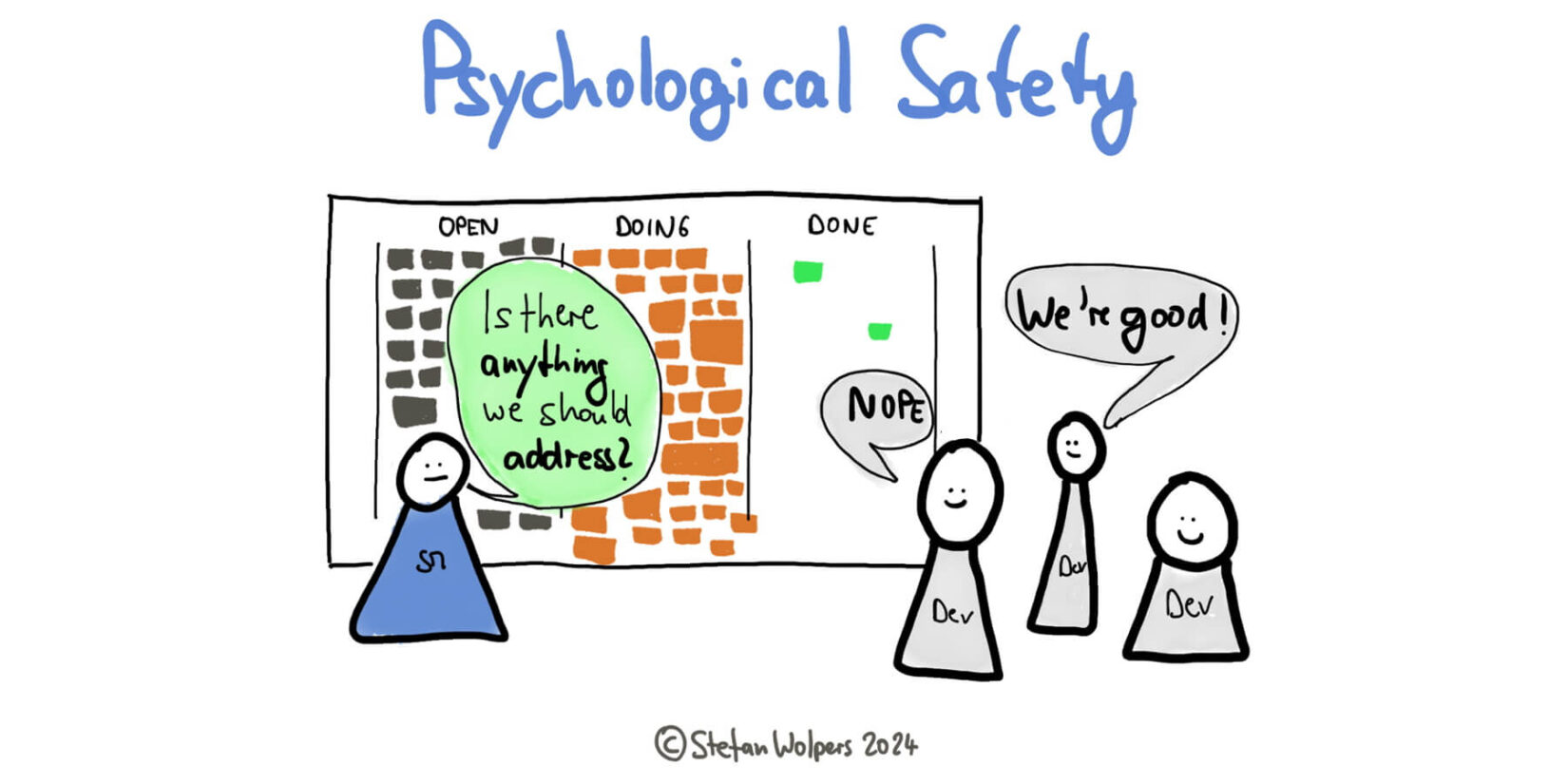
TL; DR: Psychological Safety as a Competitive Edge
Psychological safety isn’t about fluffy “niceness”—it is the foundation of agile teams that innovate, adapt, and deliver.
When teams fearlessly debate ideas, admit mistakes, challenge norms, and find ways to make progress, they can outperform most competitors. Yet, many organizations knowingly or unknowingly sabotage psychological safety—a short-sighted and dangerous attitude in a time when knowledge is no longer the moat it used to be. Read on to learn how to keep your competitive edge.
The Forensic Product Backlog Analysis: A 60-minute team exercise to fix your Backlog. Identify what’s broken, find out why, and agree on practical fixes—all in five quick steps. There is no fluff, just results.
Want technical excellence and solve customer problems? Start with a solid Product Backlog.