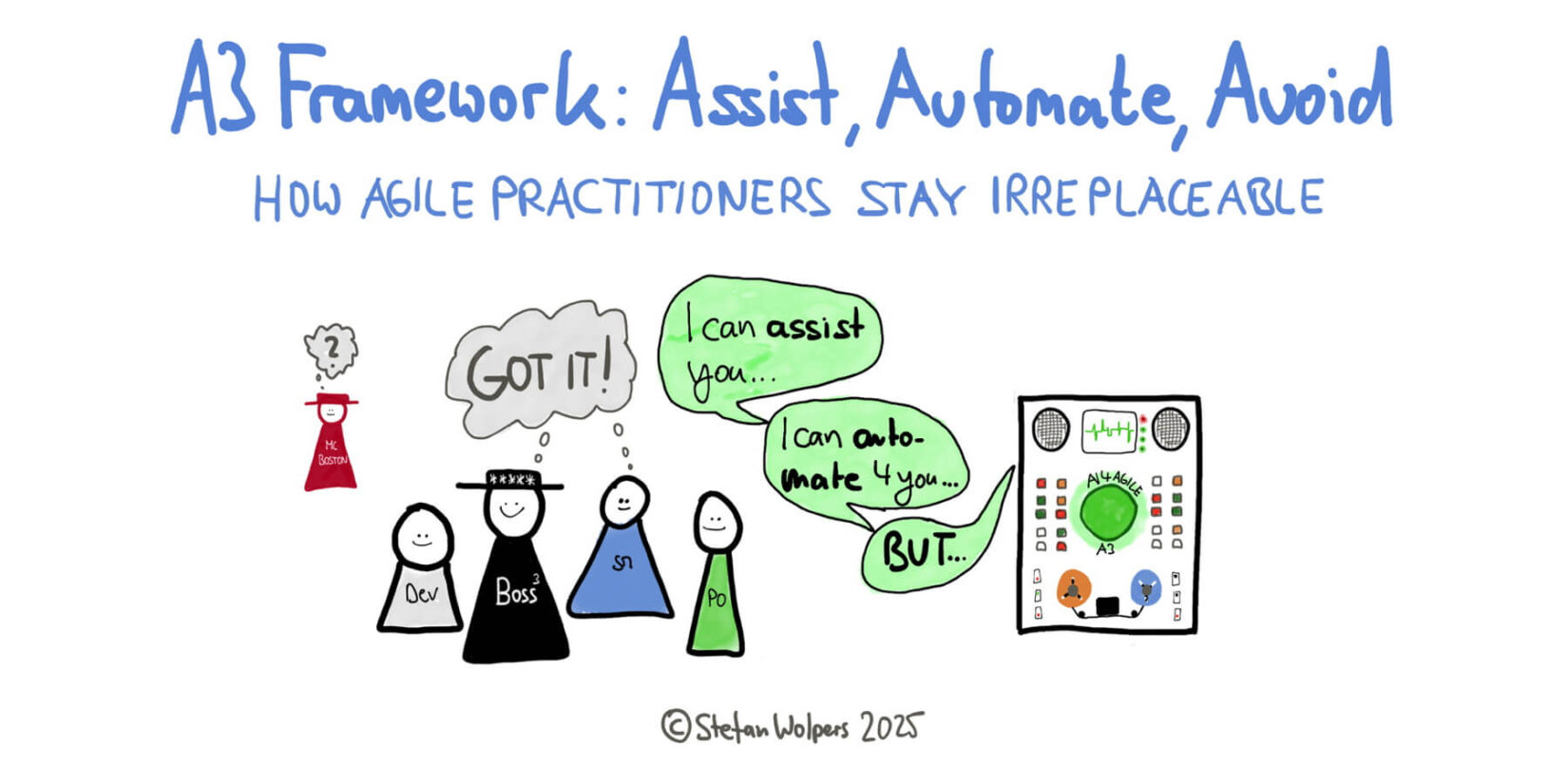
The Immunity Response: How Organizations Neutralize Change

TL; DR: The Immunity Response and How the Principles Spread Anyway

Organizations resist change through immune responses: encapsulation, assimilation, exhaustion, redefinition, and expulsion. But immune systems attack what they recognize. Hence, if you are in the business of change and expect push-back, stop announcing transformations. Instead, to overcome the immunity response, start solving problems: The principles spread through practice, through demonstrations of value, not by proclamation.

This article is Part 3 of a three-part series. In Part 1, Agile Is Dead, Long Live Agility, we saw how the Agile brand became toxic while the principles spread faster than ever under different names. In Part 2, The Reformation That Became the Church, we traced how every disruptive movement hardens into the orthodoxy it opposed.

This final part answers the question we left open: Can you practice the principles without the apparatus? Yes. But only if you understand why organizations reject change and how to stop triggering that rejection.
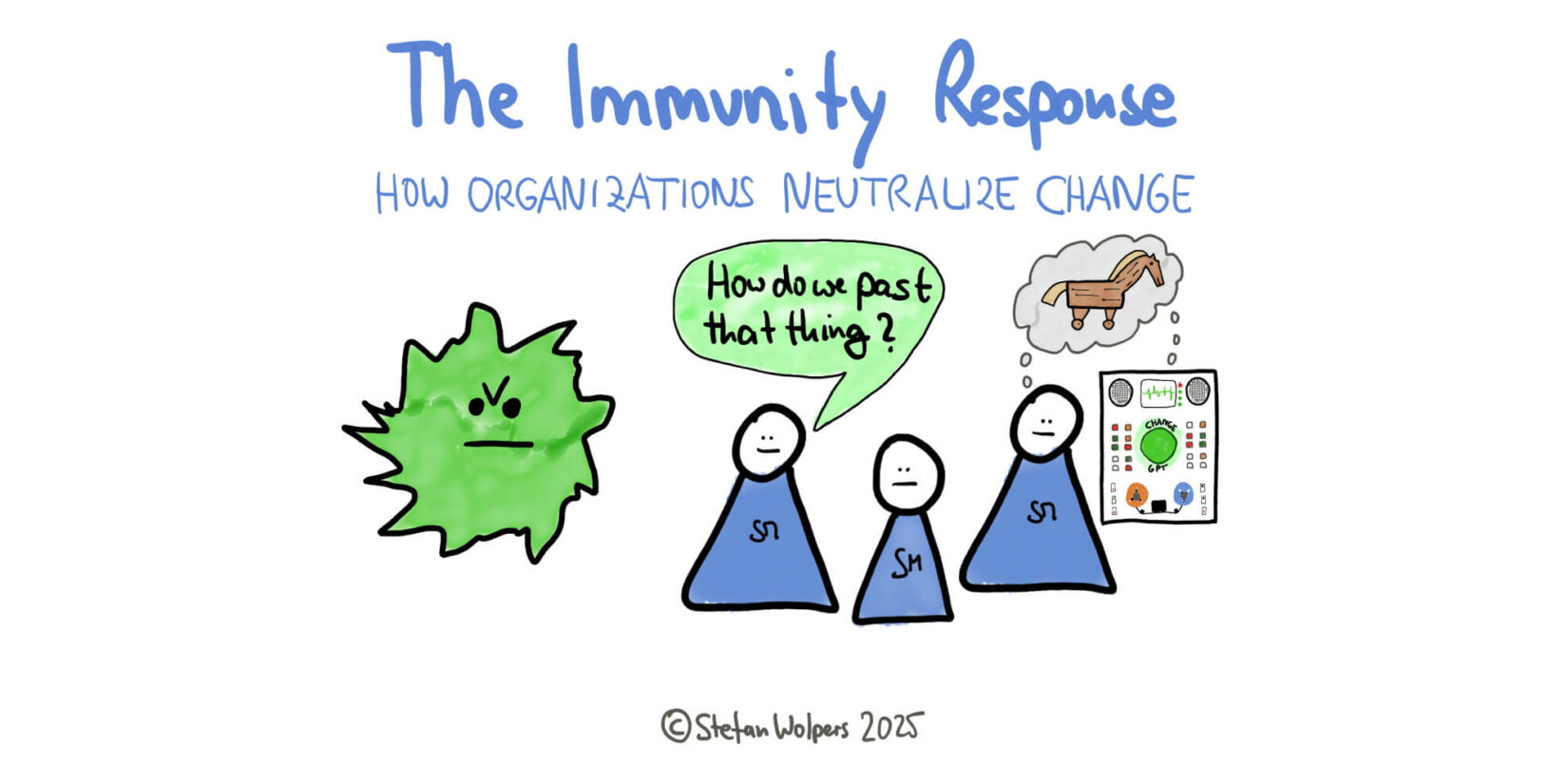
The Immunity Response: How Organizations Neutralize Change And How the Principles Spread Anyway — Age-of-Product.com
Continue reading The Immunity Response: How Organizations Neutralize Change

The Reformation That Became the Church

TL, DR: The Reformation That Became the Church

The Agile Manifesto followed Luther’s Reformation arc: radical simplicity hardened into scaling frameworks, transformation programs, and debates about what counts as “real Agile.” Learn to recognize when you’re inside the orthodoxy and how to practice the principles without the apparatus.

This is Part 2 of a three-part series; check out Part 1: Agile Is Dead, Long Live Agility.

The Reformation That Became the Church: How Every Disruptive Movement Hardens Into the Orthodoxy It Opposed — Age-of-Product.com
Continue reading The Reformation That Became the Church

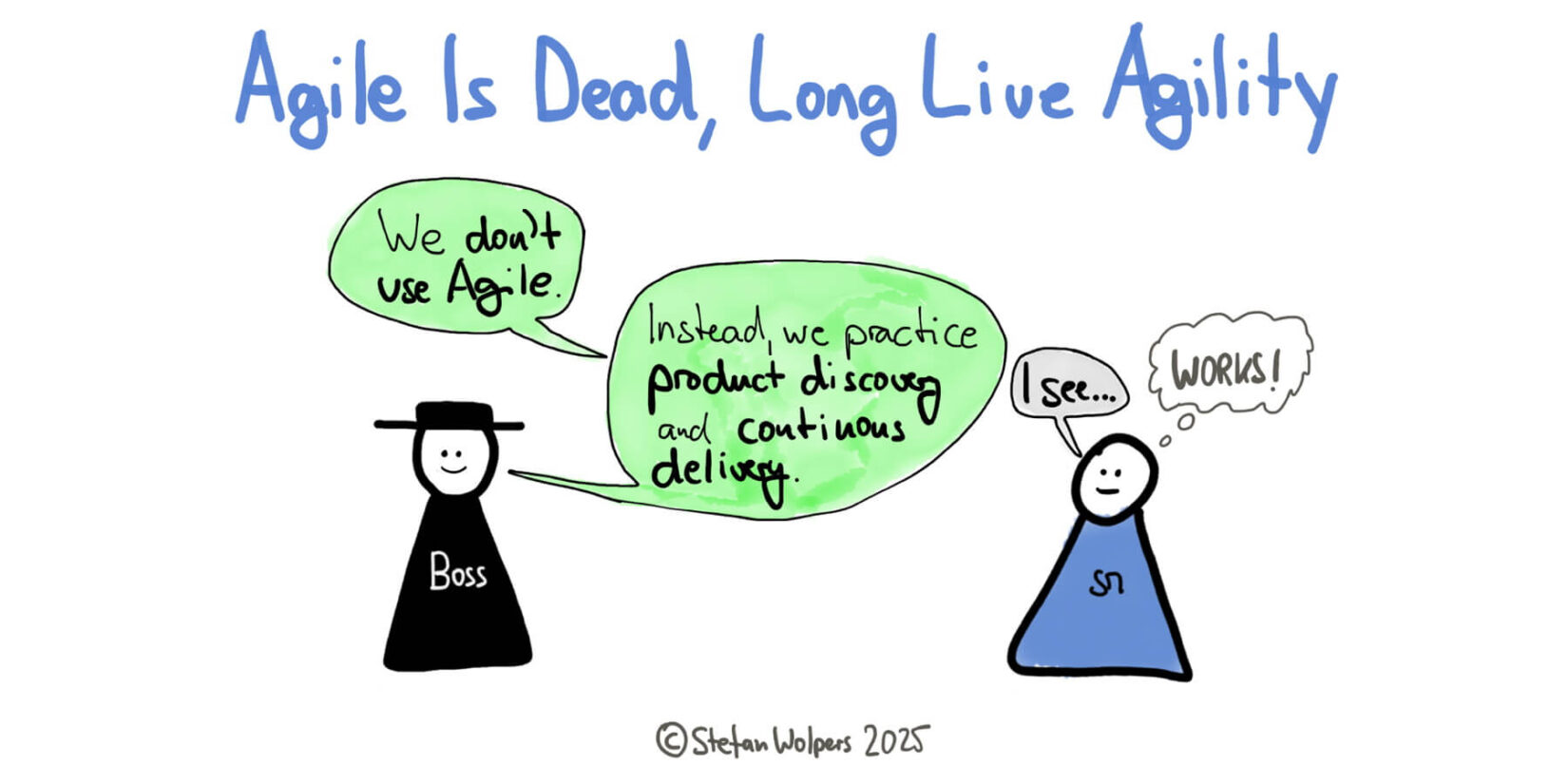
Agile Is Dead, Long Live Agility

TL; DR: Why the Brand Failed While the Ideas Won

Your LinkedIn feed is full of it: Agile is dead. They’re right. And, at the same time, they’re entirely wrong.

The word is dead. The brand is almost toxic in many circles; check the usual subreddits. But the principles? They’re spreading faster than ever. They just dropped the name that became synonymous with consultants, certifications, transformation failures, and the enforcement of rituals.

You all know organizations that loudly rejected “Agile” and now quietly practice its core ideas more effectively than any companies running certified transformation programs. The brand failed. The ideas won.

So why are we still fighting about the label?

Agile Is Dead, Long Live Agility: Why the Brand Failed While the Ideas Won — by Stefan Wolpers of Age-of-Product.com.
Continue reading Agile Is Dead, Long Live Agility

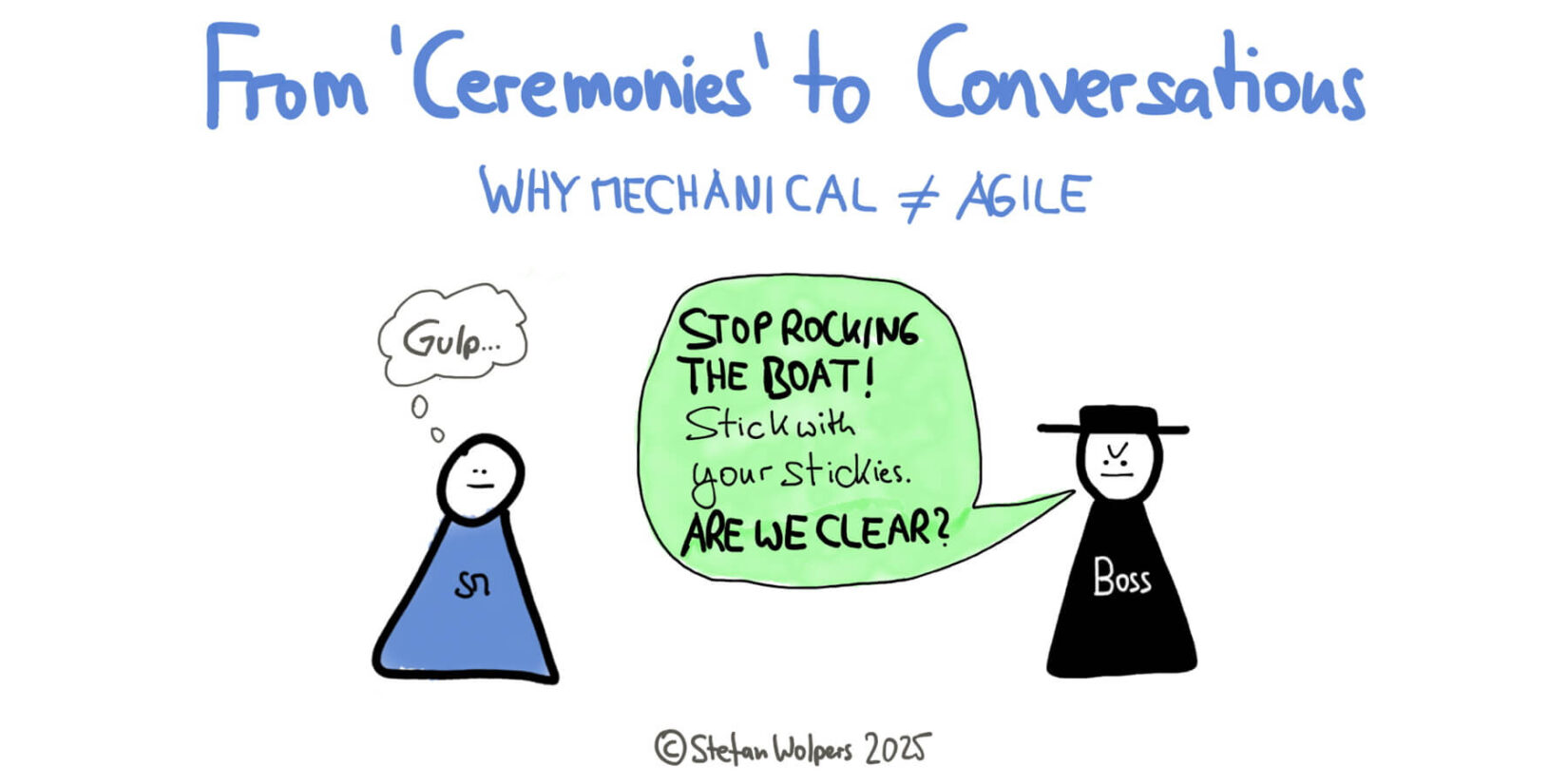
From Mechanical Ceremonies to Agile Conversations

TL; DR: Mechanical Ceremonies to Meaningful Events

Your Agile events aren’t failing because people lack training. They’re failing because your organization adopted the rituals while rejecting the transparency, trust, and adaptation that make them work. And often, the dysfunction of mechanical ceremonies isn’t a bug. It’s a feature.

From Mechanical Ceremonies to Agile Conversations: Why Failure Is Not Always a Bug, But a Feature — Age-of-Product.com
Continue reading From Mechanical Ceremonies to Agile Conversations

Plans for 2026: More Online Courses, Rejuvenating the Agile Camp, and Less Public Scrum Training

TL; DR: Stefan’s Plan for 2026

The public Scrum training market is shrinking, while demand for self-paced AI and Product courses is growing among agile practitioners. Consequently, I will shift toward online courses on AI for Agile and Product Operating Models in 2026. And I will rejuvenate the Agile Camp Berlin in the summer of 2026. Learn more about what is in the pipeline.

Plans for 2026: More Online Courses, Rejuvenating the Agile Camp, and Less Public Scrum Training —  Stefan Wolpers of Age-of-Product.com
Continue reading Plans for 2026: More Online Courses, Rejuvenating the Agile Camp, and Less Public Scrum Training