TL; DR: Business Agility, Scrum and Generative AI’s Take on Getting There
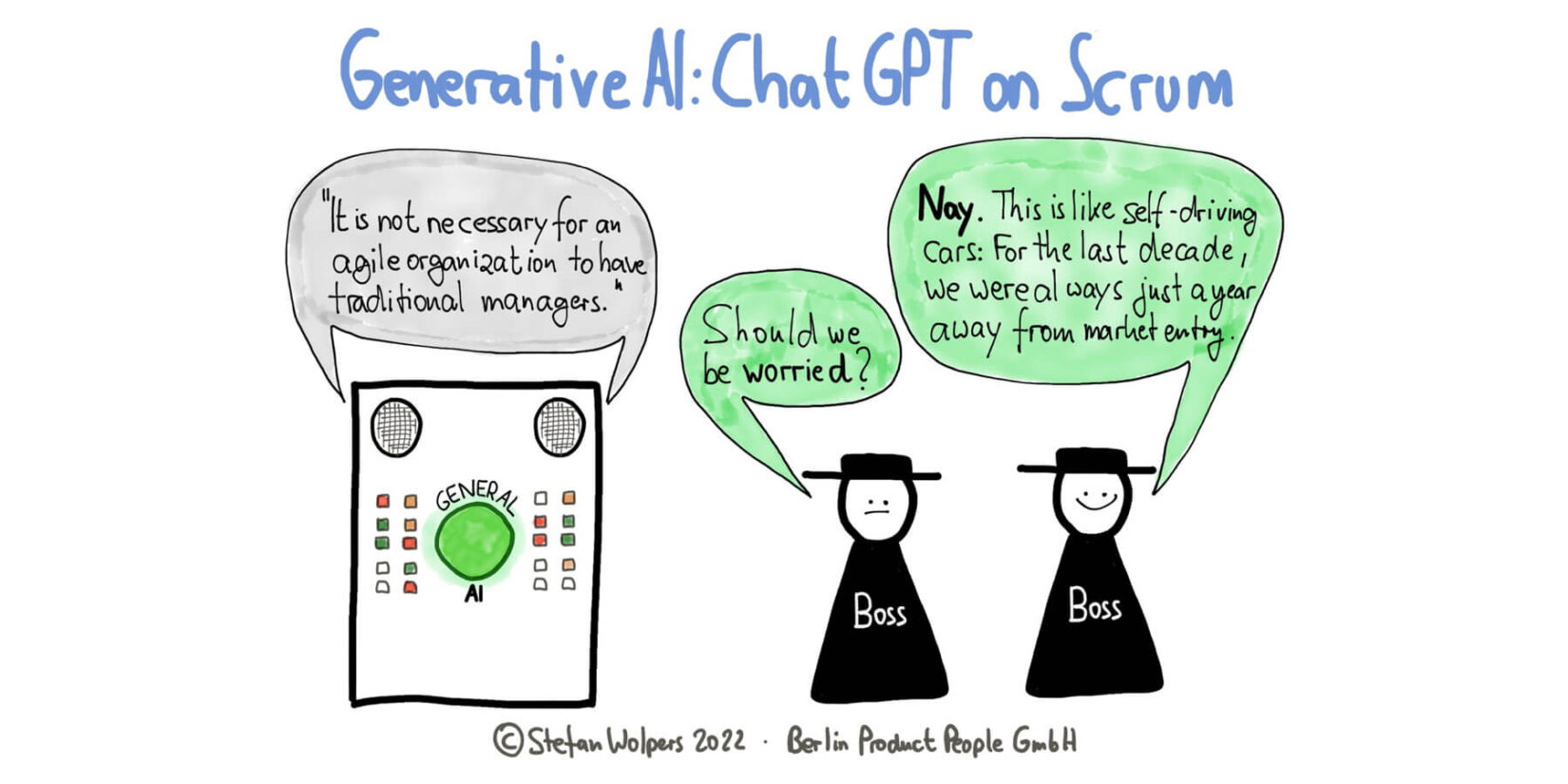
There has been a lot of talking about generative AI recently, mainly fueled by excellent work results in the text and graphics area. A few days ago, OpenAI made a new model available that “interacts in a conversational way. The dialogue format makes it possible for ChatGPT to answer follow-up questions, admit its mistakes, challenge incorrect premises, and reject inappropriate requests.” (Source.)
I thought it might be fun to ask ChatGPT a few questions about business agility in general and Scrum in particular.
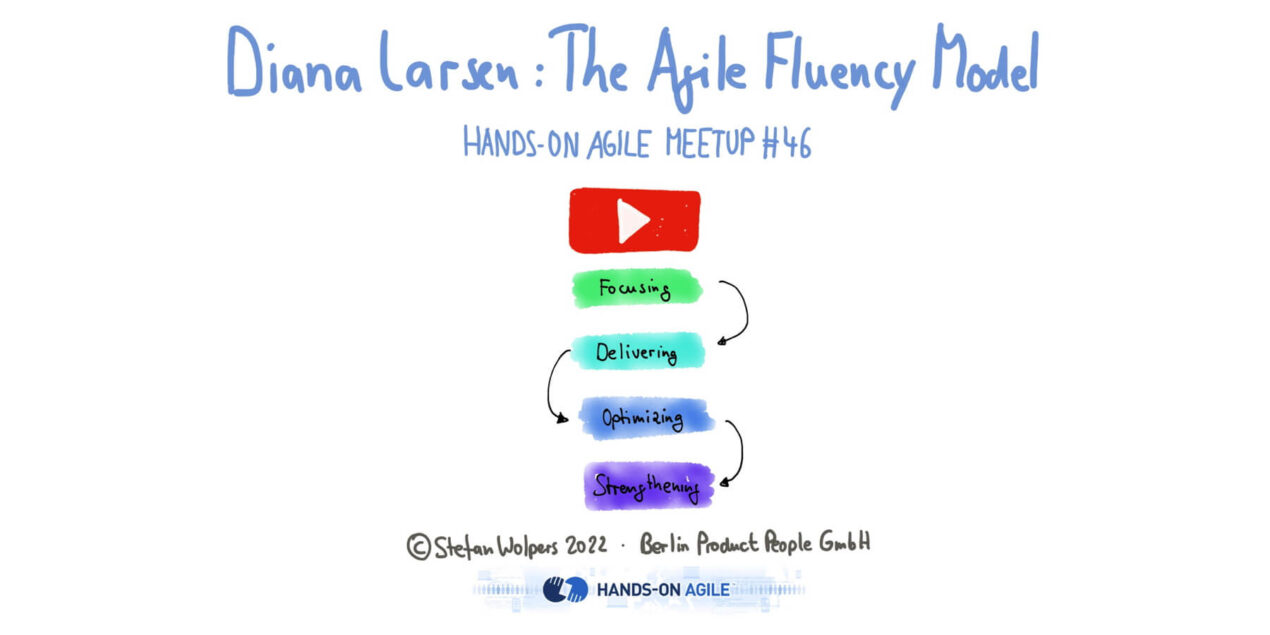
TL; DR: Hands-on Agile #46: Engage the Agile Fluency® Model with Diana Larsen
On October 12, 2022, agile innovator Diana Larsen delved into the Agile Fluency® Model. After a short introduction to the model, we shifted to an ask-me-anything-style discussion of the groundbreaking view of agile and teams.
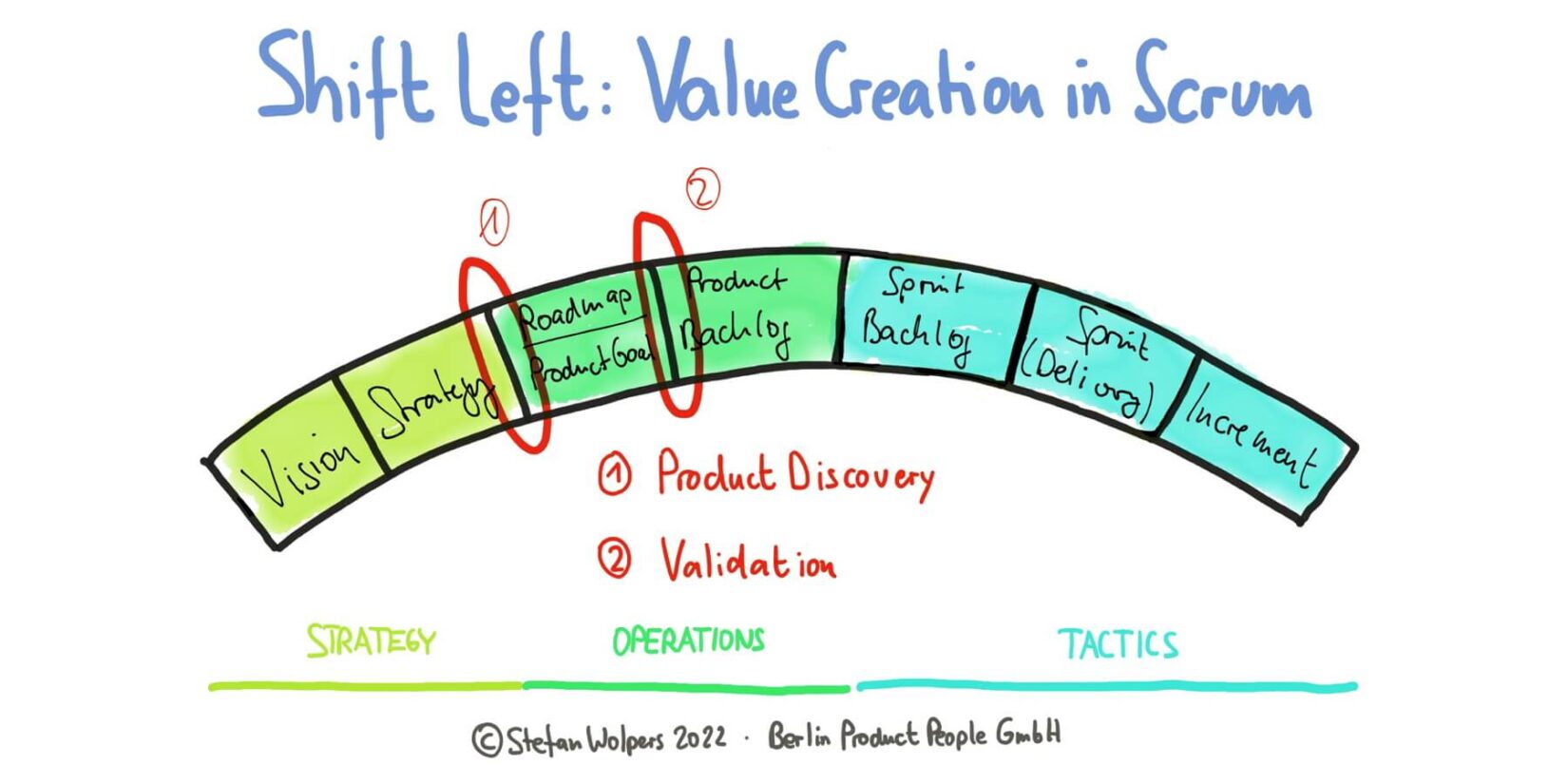
As a tactical framework, Scrum is good at delivering Increments into customers’ hands. As we work in iterations, we probably do that several times per month, mitigating risk by closing feedback loops. Nevertheless, there is a potentially hazardous void in the framework that successful Scrum teams start plugging early: how to figure out what is worth building—product discovery—in the first place. As a result, value creation in Scrum is not as straightforward as you might have thought.
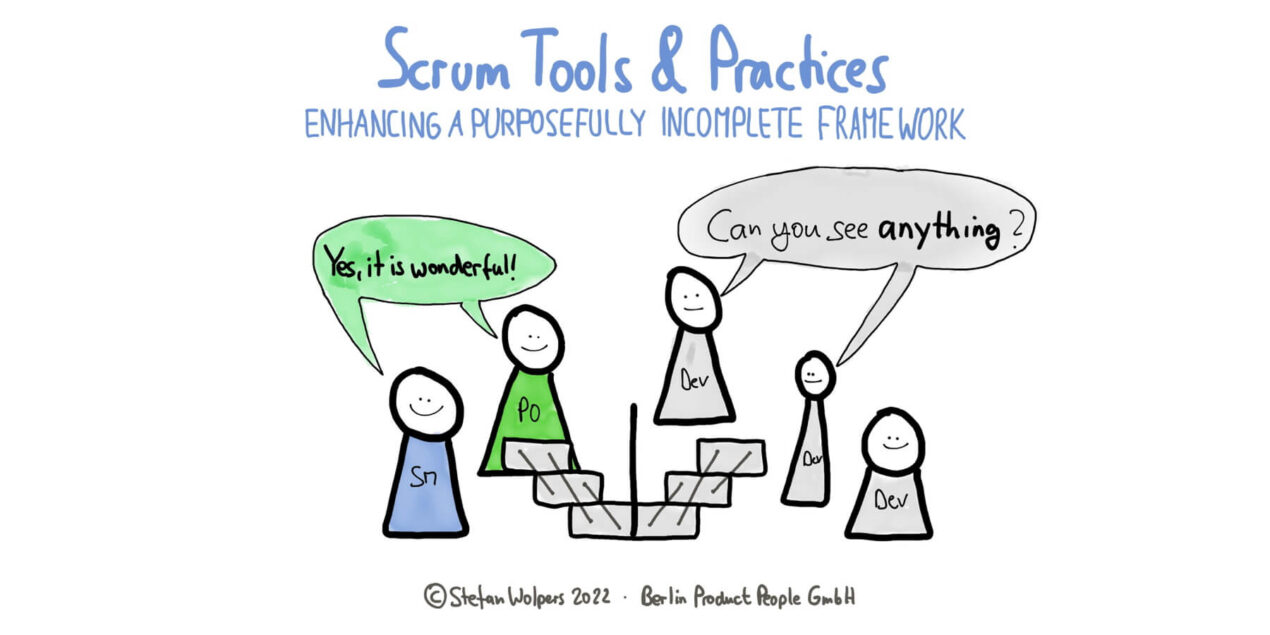
“The Scrum framework is purposefully incomplete, […].” (Source.) This half-sentence is probably one of the more often misinterpreted statements of the Scrum Guide. On the one side, it defines the necessity to enhance Scrum with other practices and tools. On the other side, it is the reason that so many attempts to practice Scrum are simply botched, resulting in ScrumBut versions of epic diversity. So, let’s look at proven Scrum tools and practices enhancing a purposefully incomplete framework without defying or negating its first principles.
Please note that the following Scrum tools and practices list is not complete. Please feel free to add more suggestions by commenting.
How do you compare? The Product Owner and Product Manager Salary Report 2022 is based on 500-plus replies from practitioners gathered globally during the 3rd and 4th quarter of 2022. Learn more about your Product Owner or Product Manager career opportunities for free.
By the way, the average salary of our participants is $91,000, with a standard deviation of roughly $49,400. In the complete report, you will find more detailed information; download your copy below.
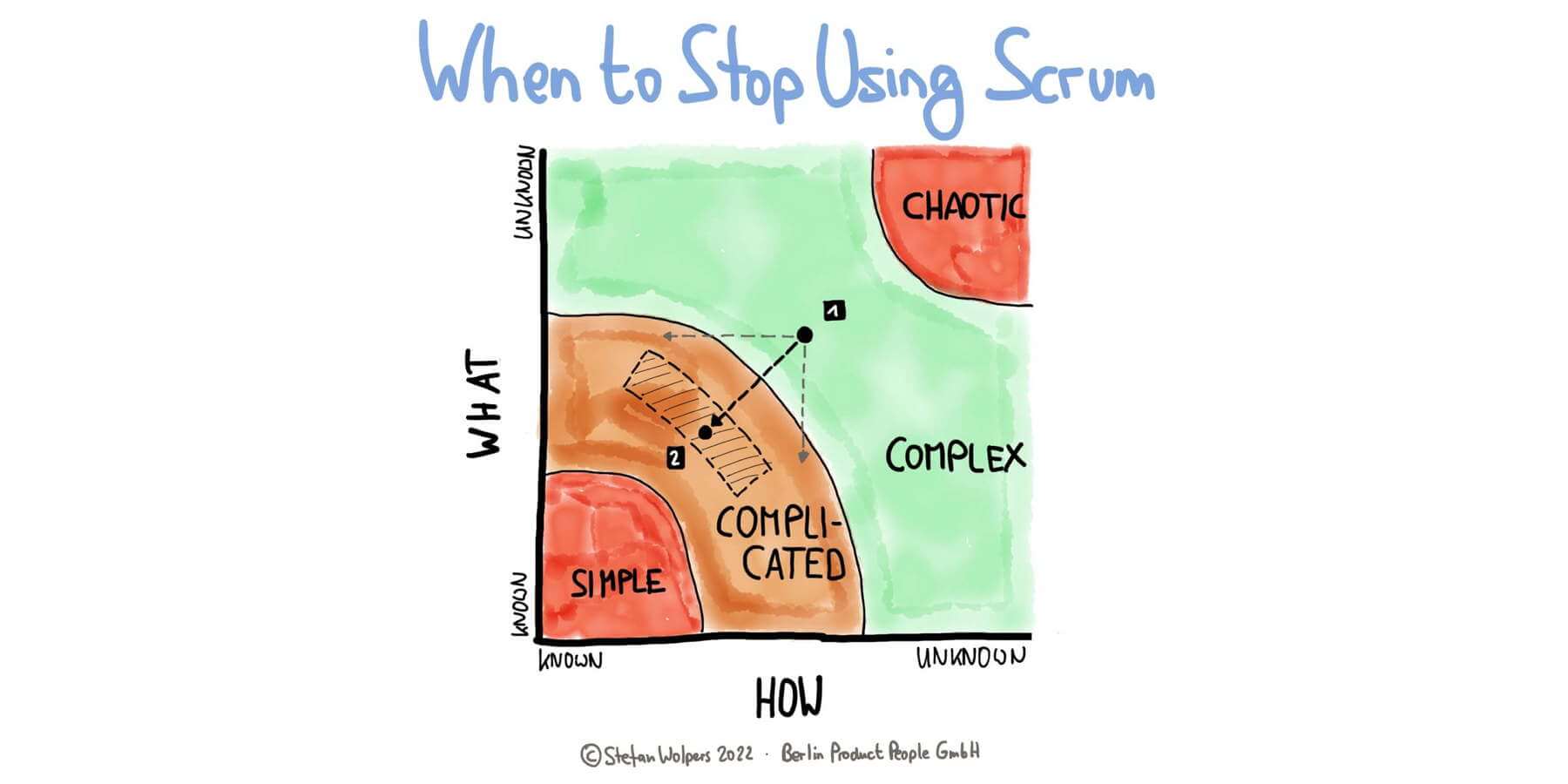
When is the time to look beyond Scrum? After all, many things—ideas, practices, mantras, etc.—outlive their utility sooner or later; why would Scrum be an exception? Moreover, we are not getting paid to practice Scrum but solve our customers’ problems within the given constraints while contributing to the sustainability of our organization. Scrum is a tool, a helpful practice but neither a religion nor a philosophy. Which brings us back to the original question: Is there a moment when a Scrum team should stop using Scrum?