The Inverted MoSCoW Framework: Stop Building What You Do Not Need

TL;DR: Inverted MoSCoW

The inverted MoSCoW framework reverses traditional prioritization, focusing on what a product team won’t build rather than what it will. Deliberately excluding features helps teams streamline development, avoid scope creep, and maximize focus on what truly matters.

While it aligns with Agile principles of simplicity and efficiency, it also requires careful implementation to avoid rigidity, misalignment, or stifling innovation. Used thoughtfully, it’s a powerful tool for managing product scope and driving strategic clarity.

Read on and learn how to make the inverted MoSCoW framework work for your team.
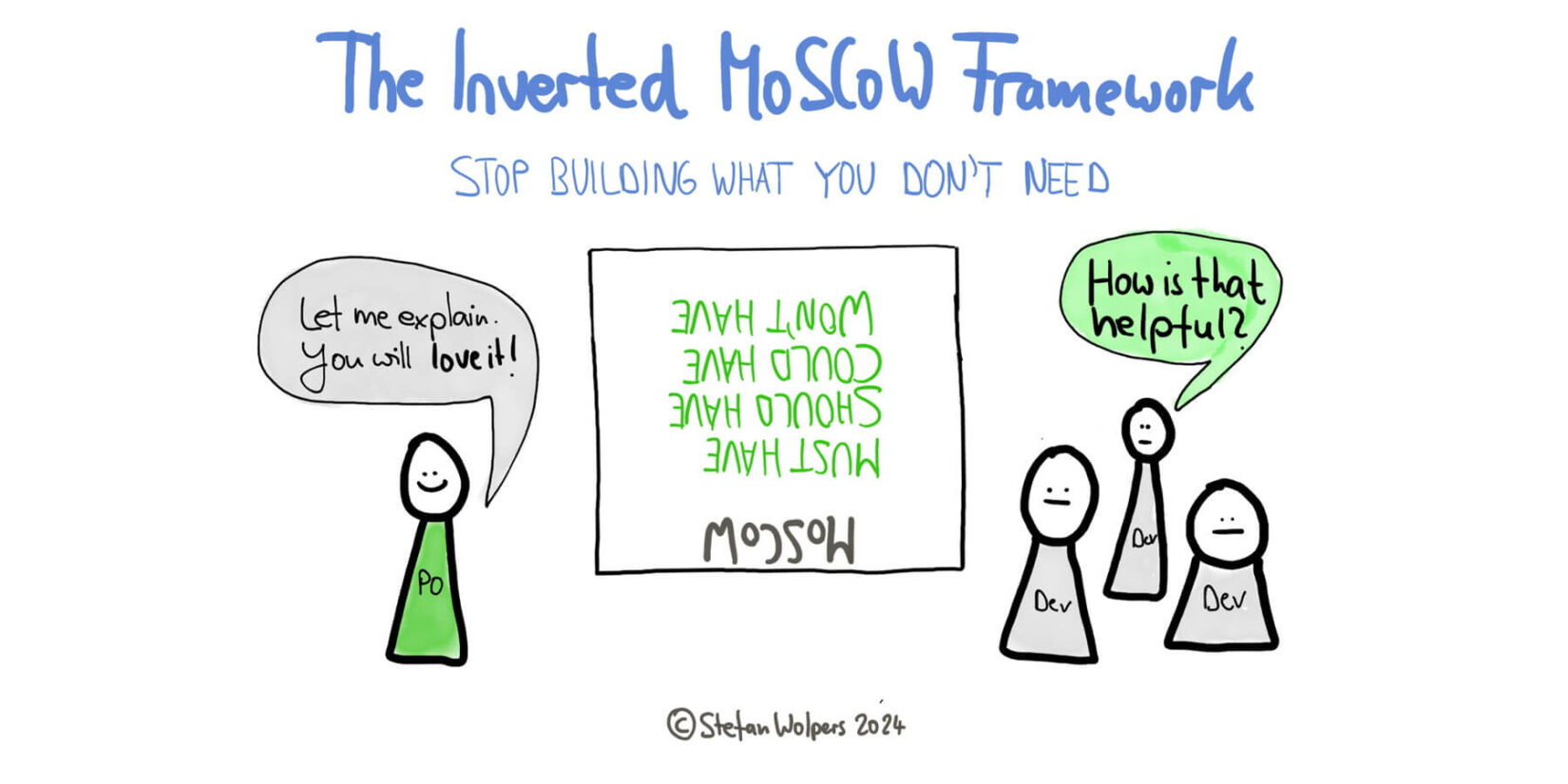
The Inverted MoSCoW Framework: Stop Building What You Do Not Need and Focus on Creating Value — Age-of-Product.com
Continue reading The Inverted MoSCoW Framework: Stop Building What You Do Not Need

Why Leaders Believe the Product Operating Model Will Succeed Where Agile Initiatives Failed

TL; DR: Why Leaders Support the Product Operating Model Despite Agile’s Failure

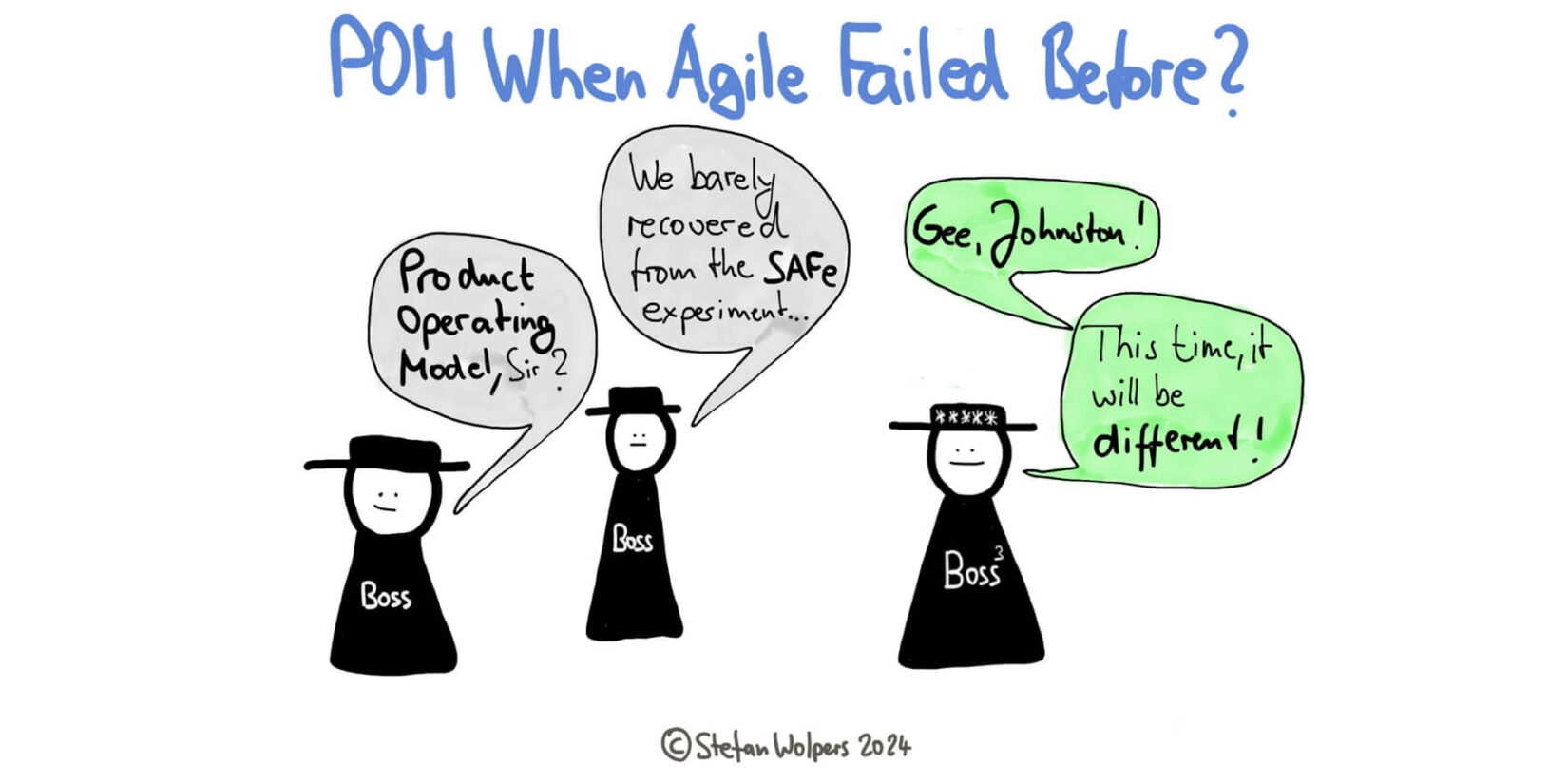
Why might leaders turn to the Product Operating Model (POM) after a previous Agile transformation, for example, based on SAFe, failed?

This article uncovers the psychological, organizational, and strategic reasons behind this seeming contradiction, exploring what motivates leaders to believe that a new approach will succeed where others have not.

Why Leaders Believe the Product Operating Model Will Succeed Where Agile Initiatives Failed — Age-of-Product.com
Continue reading Why Leaders Believe the Product Operating Model Will Succeed Where Agile Initiatives Failed

Product Washing: The Pitfalls of a Superficial Product Operating Model Transformation

TL; DR: Product Washing

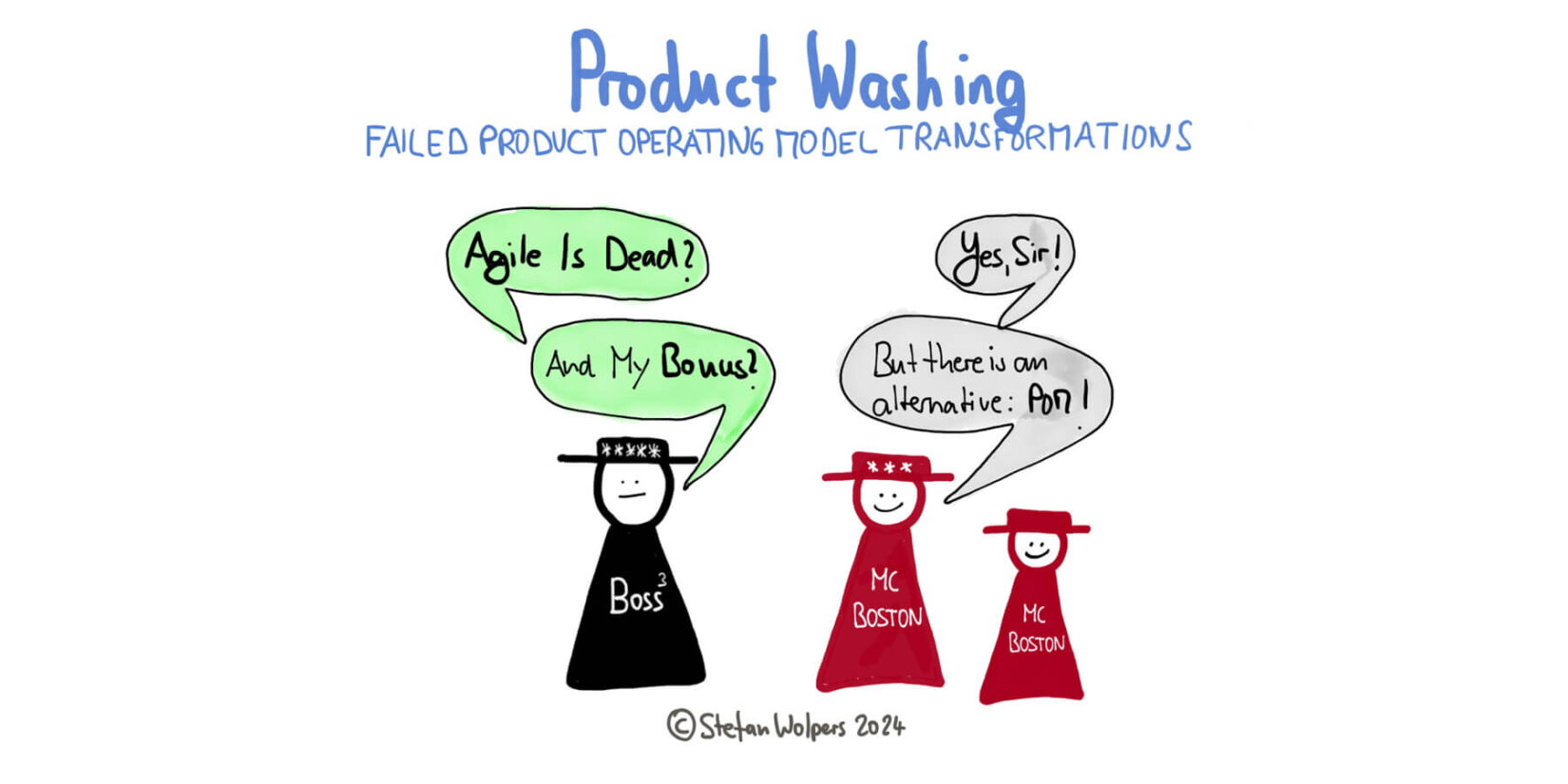
By all means, the “Product Operating Model” (POM) has surged in popularity, especially among traditional organizations keen to prove their adaptability. (And, of course, among the McBostonians who, now that ”Agile” is dead, need a substitute to bill their junior consultants.) Which brings us to the problem of Product Washing.

On the surface, the product operating model promises a more customer-focused, outcome-driven approach. Empowered teams create value iteratively rather than following rigid, output-focused roadmaps. Best of all, they do so autonomously, well-aligned with the organization’s overall strategy and the possibly myriad other teams working on different initiatives. Think of SAFe done right.

Yet, for all its promise, the product operating model risks becoming another buzzword rather than an actual driver of transformation. Organizations that tout a “product-led” philosophy often do so without making the profound changes needed to live by it. This hollow adoption of product practices, or what we might call “Product Washing,” leaves companies stuck in the same old dynamics but with a new vocabulary: transformation by reprinting business cards. (Does this sound familiar?)

Product Washing: The Pitfalls of a Superficial Product Operating Model Transformation — Age-of-Product.com
Continue reading Product Washing: The Pitfalls of a Superficial Product Operating Model Transformation

Hands-on Agile #64: Mastering Work Intake w/ Jeremy Willets and Tom Cagley

TL; DR: Mastering Work Intake: The Key to Sustainability and Flow — Hands-on Agile #64

How do you deal with prioritization of the flood of new requirements, requests, and ideas? Let’s talk about the challenges of mastering work intake to achieve sustainable productivity and flow. Expect new ideas from authors Jeremy Willets and Tom Cagley on a classic challenge for every team in this fantastic recording of the 64th Hands-on Agile Meetup. (The video was recorded in English.)

📺 Watch the video now: Mastering Work Intake w/ Jeremy Willets and Tom Cagley — Hands-on Agile #64.

Hands-on Agile #64: Mastering Work Intake w/ Jeremy Willets and Tom Cagley — Age-of-Product.com
Continue reading Hands-on Agile #64: Mastering Work Intake w/ Jeremy Willets and Tom Cagley

Product Owner Anti-Patterns — 33 Ways to Improve as a PO

TL; DR: Product Owner Anti-Patterns

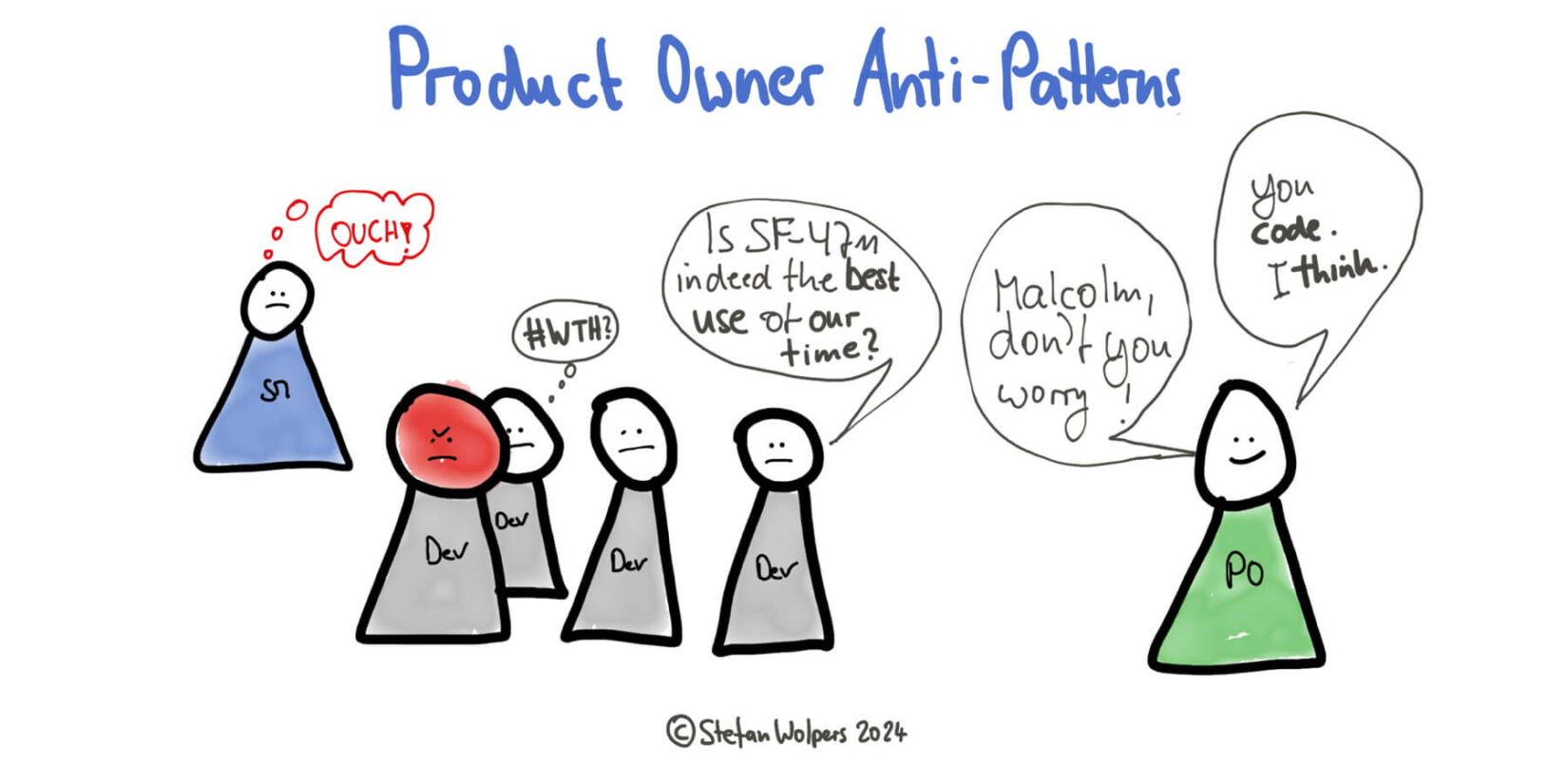
No other role in Scrum can contribute to mediocre outcomes like the Product Owner—garbage in, garbage out—and it does not matter whether that’s due to incompetence, neglect, disinterest, or failure to collaborate. Moreover, no Product Owner is the “Mini-CEO” of the product, entitled to make lone decisions. Scrum is a team sport; there are no loners in a successful Scrum Team where collaboration and alignment are prerequisites for success.

A Product Owner prone to making lone decisions is in danger of loving their solution over the customers’ problems. Consequently, collaborating and aligning with their teammates on the Product Goal and the Product Backlog is a proven risk-mitigation strategy for Product Owners. This is a testament to Scrum’s built-in checks and balances, particularly now that the product operating model receives more attention.

Product Owner Anti-Patterns — 33 Ways to Improve as a PO — Age-of-Product.com
Continue reading Product Owner Anti-Patterns — 33 Ways to Improve as a PO

Ditch the Unfinished Action Items: How to Make Retrospectives Lead to Real Change

TL; DR: Unfinished Action Items: How to Make Retrospectives Useful

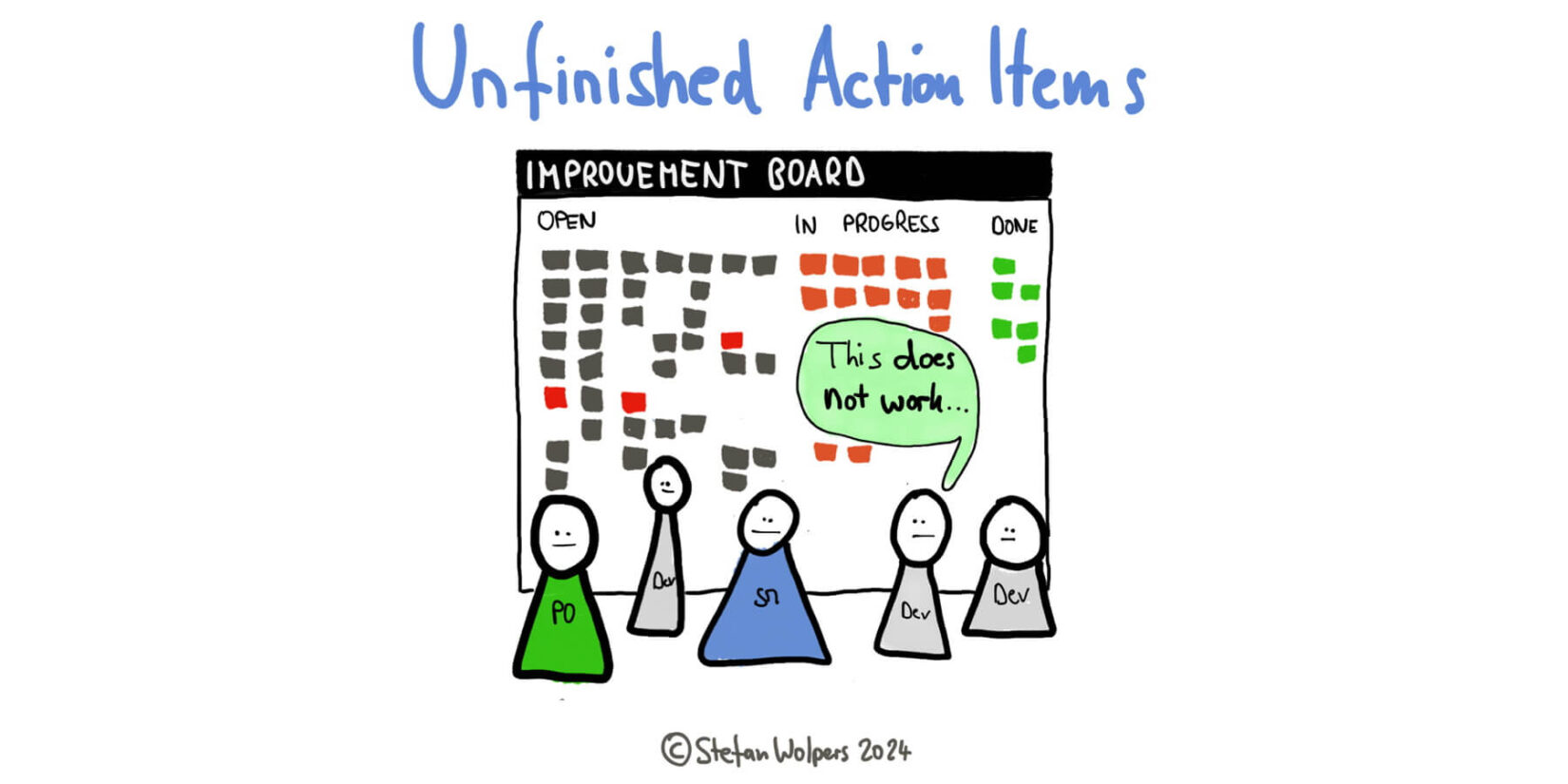
If your team consistently creates action items during Retrospectives but rarely completes them, you’re not alone. Unfinished action items are a major productivity killer and lead to stalled progress. This article highlights five actionable practices to ensure Retrospective tasks get done, including limiting action items in progress, assigning clear ownership, and adding a review of the progress in every Retrospective.

The key to real improvement isn’t in creating long lists—it’s in following through. By treating Retrospective action items with the same importance as other Sprint tasks, your team can finally break the cycle of unfinished improvements and see real, beneficial change, individually and at the team level.

Ditch the Unfinished Action Items: How to Make Retrospectives Lead to Real Change and Stop Spinning Wheels — Age-of-Product.com.
Continue reading Ditch the Unfinished Action Items: How to Make Retrospectives Lead to Real Change