If you weren’t at the virtual Hands-on Agile 2025 conference earlier this month, you missed an incredible opportunity to explore the shift from concept-based to context-based agility with nearly 800 fellow agilists. But don’t worry – I’m here to share some of the key takeaways and insights!
Check out the slides from the Live Stream speakers below; I will keep you posted on the availability of the recordings.
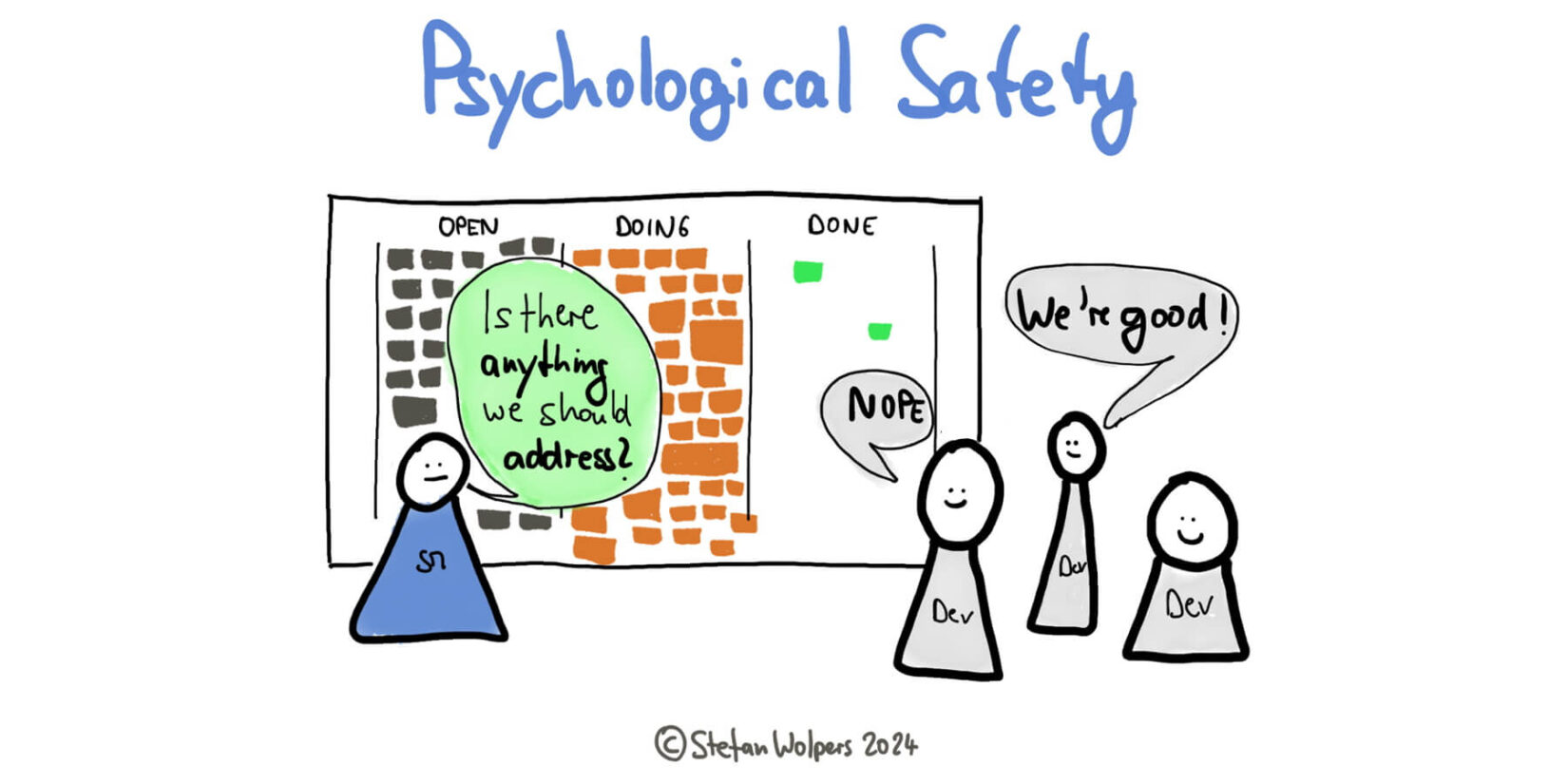
TL; DR: Psychological Safety as a Competitive Edge
Psychological safety isn’t about fluffy “niceness”—it is the foundation of agile teams that innovate, adapt, and deliver.
When teams fearlessly debate ideas, admit mistakes, challenge norms, and find ways to make progress, they can outperform most competitors. Yet, many organizations knowingly or unknowingly sabotage psychological safety—a short-sighted and dangerous attitude in a time when knowledge is no longer the moat it used to be. Read on to learn how to keep your competitive edge.
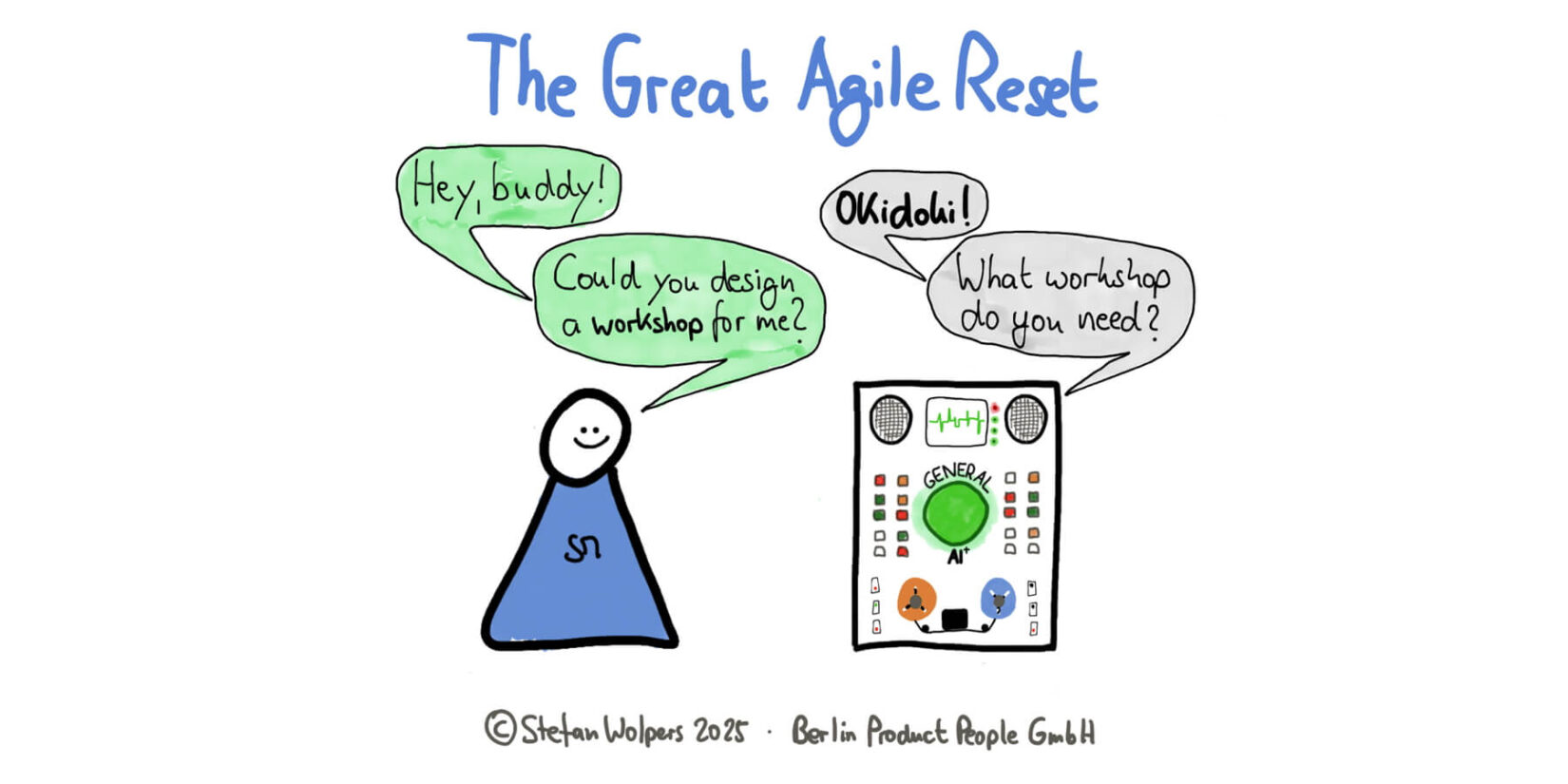
TL; DR: Moving Beyond Agile Frameworks in the Agile Reset
Remember my article from six months ago about reinventing Hands-on Agile to counter the great agile reset? (Just kidding; of course, you don’t.) Back then, I reflected on how to adapt my business model best, given the massive changes in the marketplace for “Agile.” (See the link below.)
Well, it’s time for an honest update, and it is not pretty.
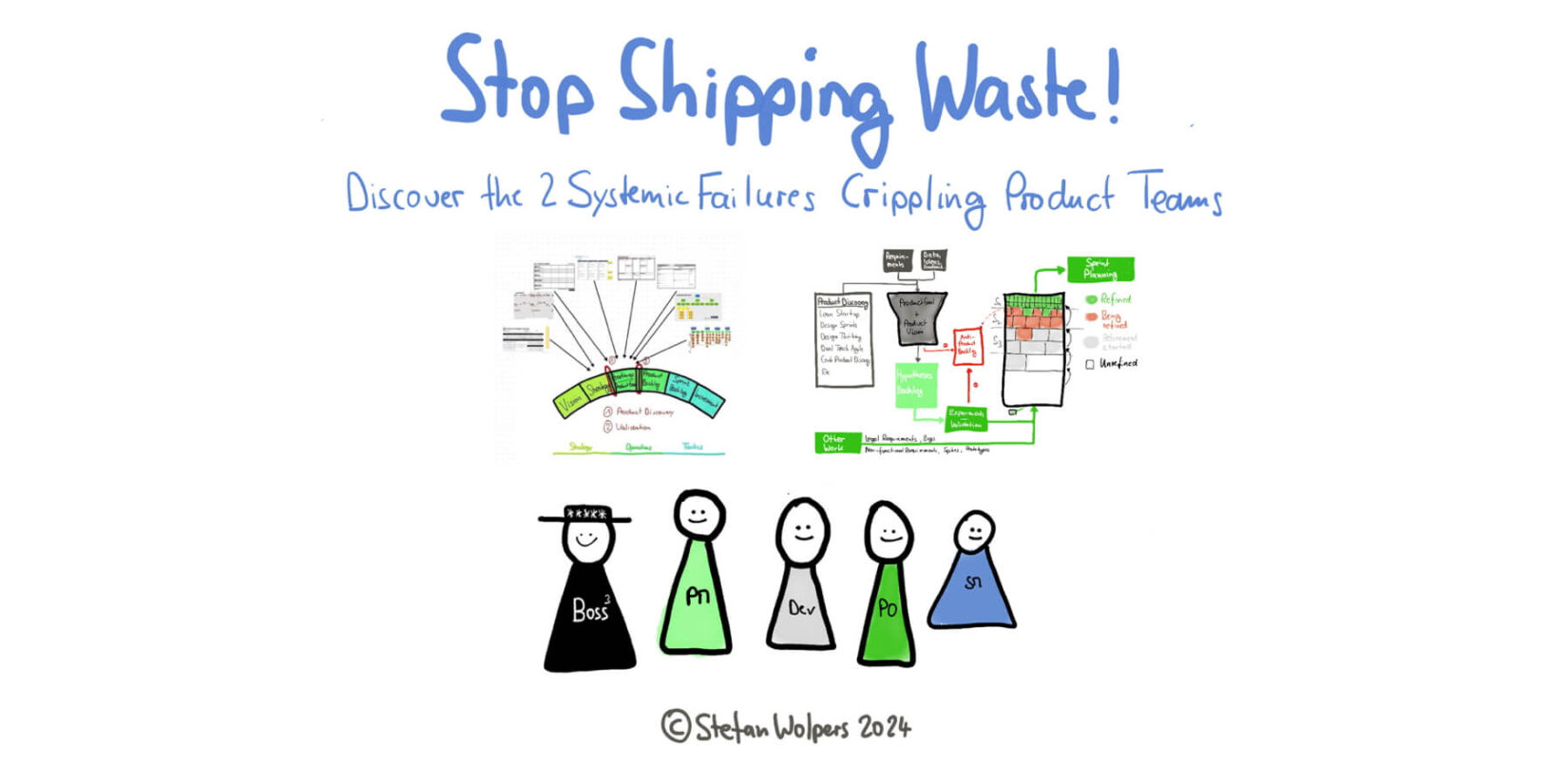
When product teams fail to establish stakeholder alignment and implement rigorous Product Backlog management, they get caught in an endless cycle of competing priorities, reactive delivery, and shipping waste.
The result? Wasted resources, frustrated teams, and missed business opportunities. Success in 2025 requires turning your Product Backlog from a chaotic wish list into a strategic tool that connects vision to value delivery. Learn how to do so.
The Forensic Product Backlog Analysis: A 60-minute team exercise to fix your Backlog. Identify what’s broken, find out why, and agree on practical fixes—all in five quick steps. There is no fluff, just results.
Want technical excellence and solve customer problems? Start with a solid Product Backlog.
TL; DR: Three Data Points Pointing to the Decline of the Scrum Master’s Role
If you hang out in the “Agile” bubble on LinkedIn, the dice have already been cast: Scrum is out (and the Scrum Master), and the new kid on the block is [insert your preferred successor framework choice here.] I’m not entirely certain about that, but several data points on my side suggest a decline in the role of the Scrum Master.
Read on and learn more about whether the Scrum Master is a role at risk.