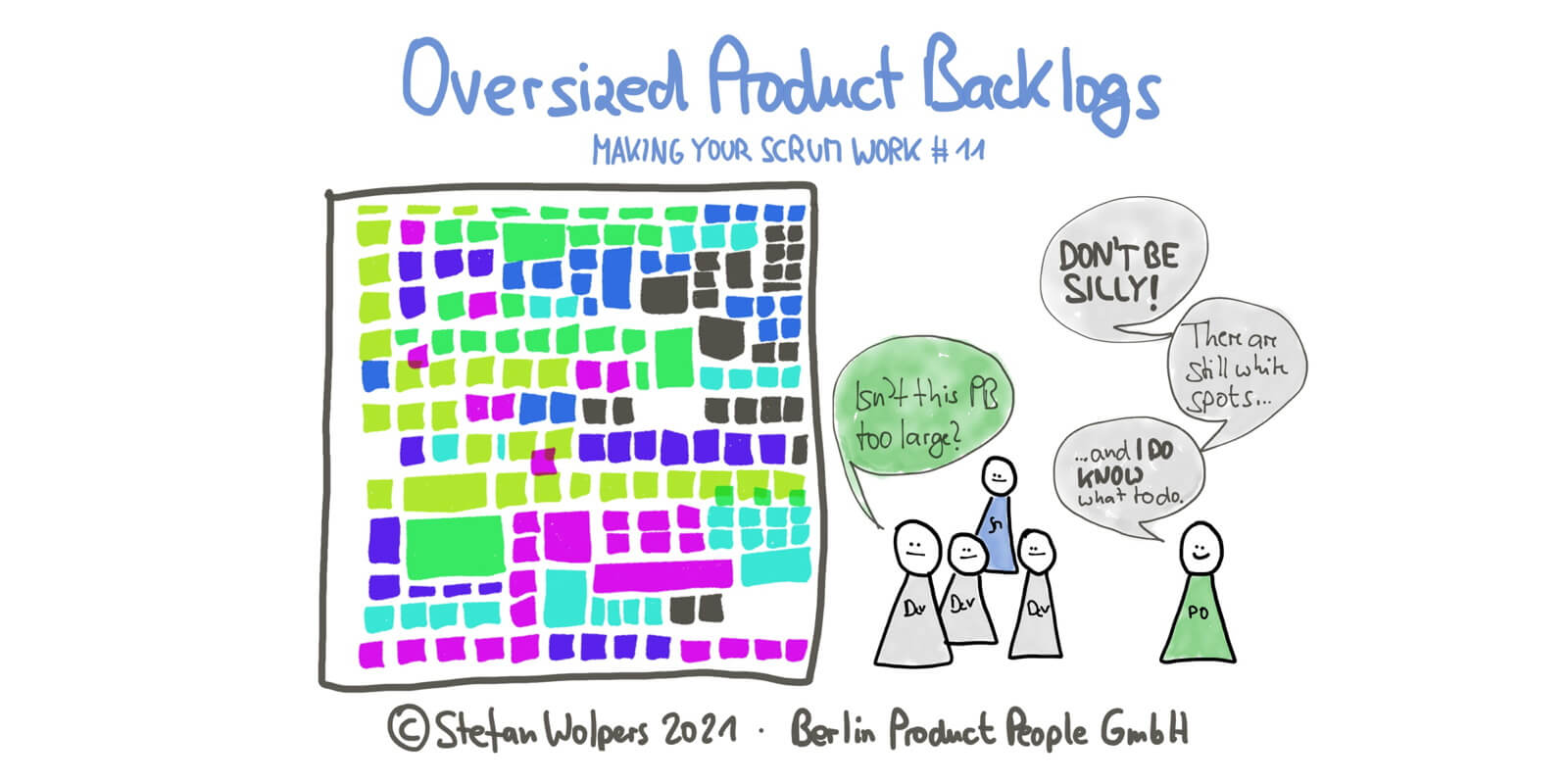
TL; DR: The Oversized Product Backlog Problem — When Noise Interferes with Signal
There are plenty of failure possibilities with Scrum. Given that Scrum is a framework with a reasonable yet short “manual,” this effect should not surprise anyone. Neglecting the critical Scrum artifact for continuous value creation is one of the common Scrum anti-patterns. If your Scrum Team strives to make your customers’ lives easier Sprint after Sprint, beware of the oversized Product Backlog.
📺 Join me and explore the consequences of inadequate Product Backlog management in less than three minutes.
Update: I am running a poll on LinkedIn—join the voting: “What reasons have you observed why Scrum Teams stuff their Product Backlogs — a very costly pattern that diminishes ROI and value creation?”
TL; DR: Spotify Model Fallacy, Pirates & Leadership—Food for Agile Thought #294
Welcome to the 294th edition of the Food for Agile Thought newsletter, shared with 31,412 peers. This week, we dissect the Spotify model fallacy. (By the way, Spotify is no longer using product squads.) We also point at the forward-thinking approach of pirates regarding governance and self-management and why some people have difficulties embracing the idea of autonomous action by self-directed individuals.
We then learn the two only ways of pushing back requests to build features to close deals. Moreover, we list core principles that come with experimentation and what it takes to drive the change; finally, we analyze the popular leadership fallacy to mandate creating ‘innovative feature,’ probably, with a timeline, incentivized by OKRs.
Lastly, we delve into the origins of feature creep, adding on top of the usual suspects—such as gold-plating—the difficulties that distributed teams face. (See also Gold-Plating Beyond Done — Making Your Scrum Work #7.)
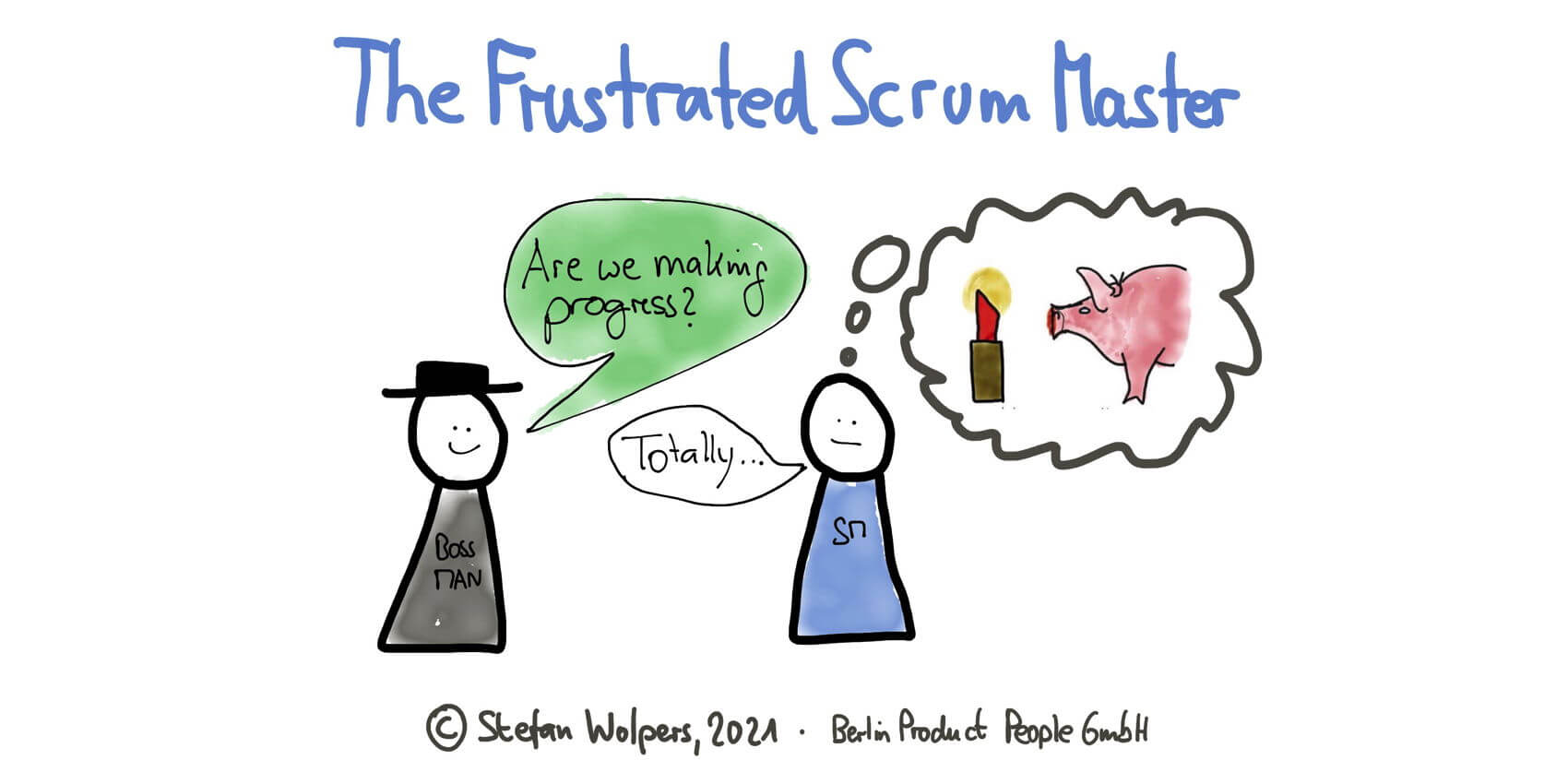
TL; DR: The Frustrated Scrum Master — When all the Effort Leads Nowhere
There are plenty of failure possibilities with Scrum. Given that Scrum is a framework with a reasonable yet short “manual,” this effect should not surprise anyone. One failure symptom of a botched agile transformation is the frustrated Scrum Master.
📺 Join me and explore the consequences of a Scrum Master who has thrown in the towel in 92 seconds.
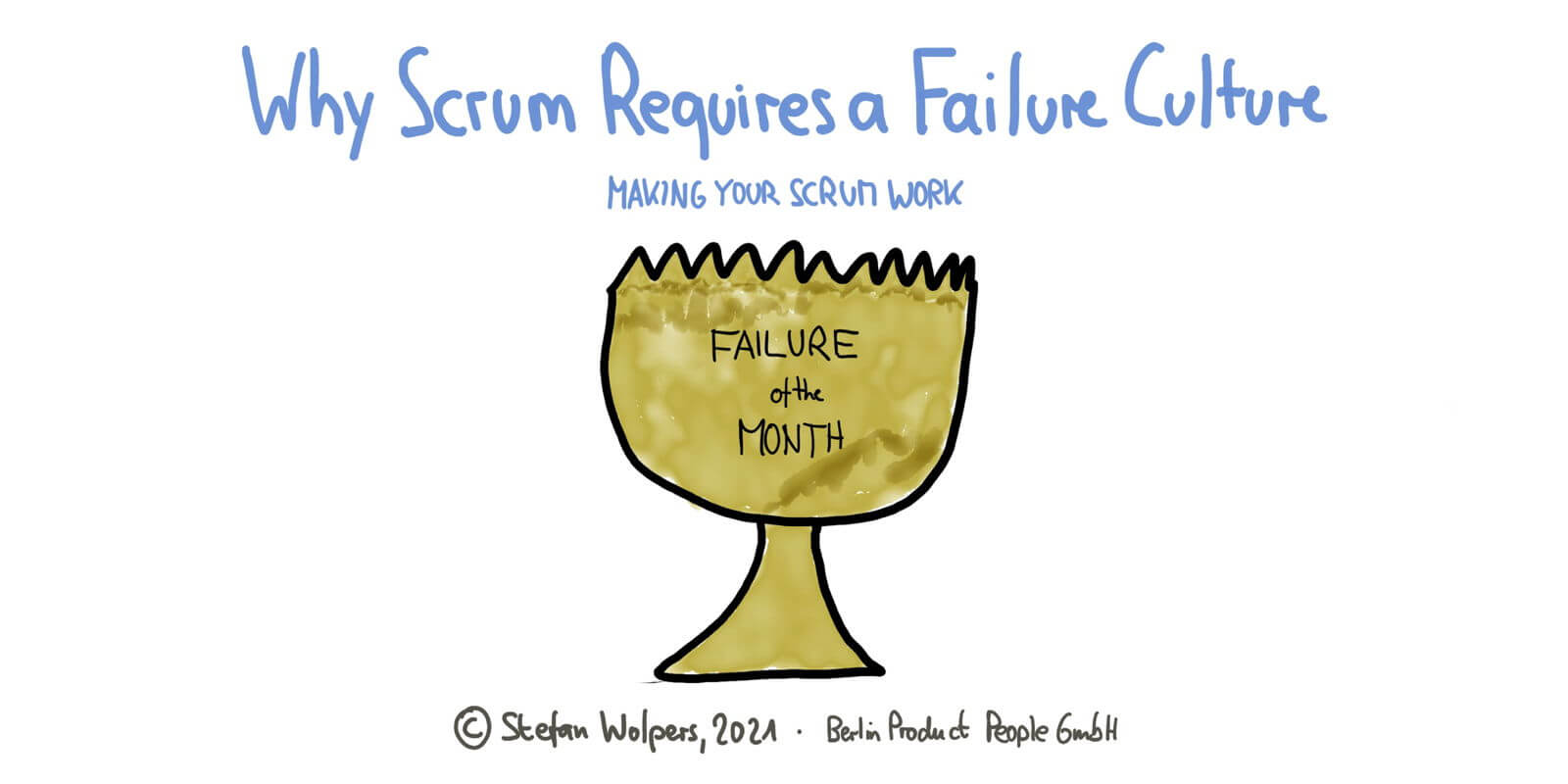
TL; DR: Scrum Failure Culture: A Requirement to Be Successful
There are plenty of failure possibilities with Scrum. Given that Scrum is a framework with a reasonable yet short “manual,” this effect should not surprise anyone. To make things worse, a crucial success factor of every Scrum team is not even mentioned in the Scrum Guide: Any organization that wants to employ Scrum to learn faster than its competitors needs to have a solid failure culture.
📺 Join me and explore the consequences of not living a failure culture in less than three minutes.
TL; DR: Success Metrics, Maker-User-Gap—Food for Agile Thought #293
Welcome to the 293rd edition of the Food for Agile Thought newsletter, shared with 31,307 peers. This week, we delve into why picking success metrics is so challenging yet critical, and Henrik Kniberg shares some vital insights after years of working with Spotify, LEGO, and Minecraft development. Also, we point at how sociotechnical architecture and systems thinking are key to enabling product thinking in organizations.
We then share an eight-step strategy workshop; we understand why ‘going deep’ is Stripe’s core product principle, and we wonder why some product managers hold on to timeline-based planning while product roadmaps have evolved so rapidly in recent years.
Lastly, we analyze the idea of ‘autonomy’ in the workplace, particularly regarding two challenges: the air sandwich and politics.
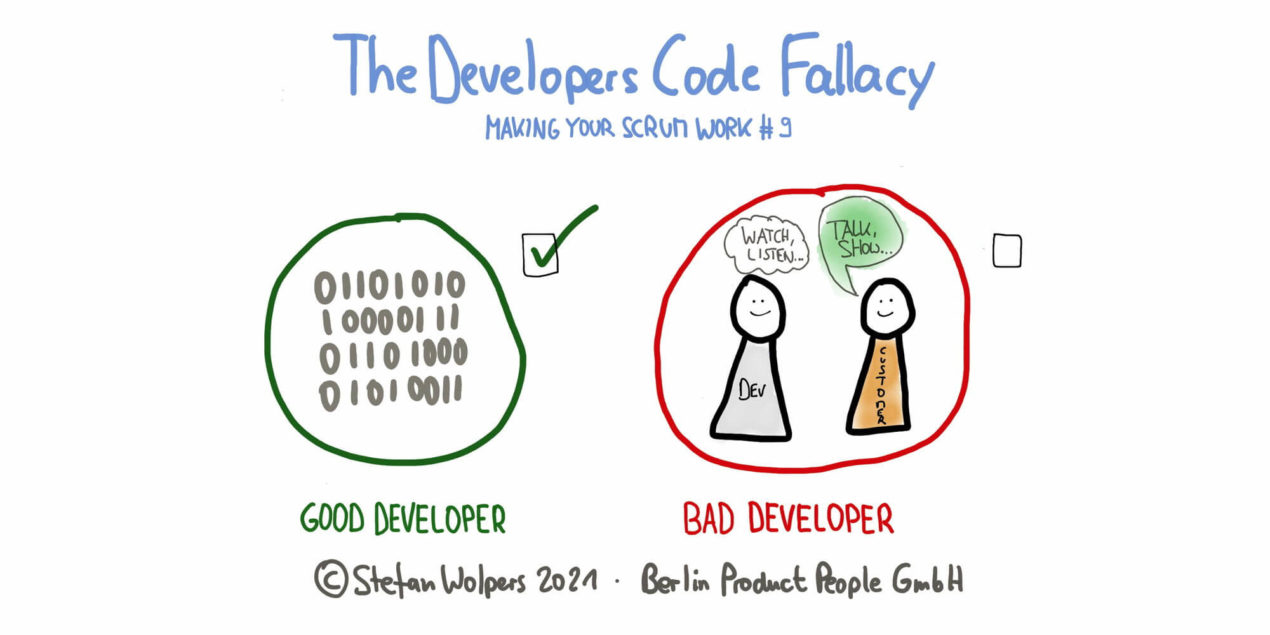
TL; DR: The Developers Code Fallacy — They Should Talk to Customers, Too, Though
There are plenty of failure possibilities with Scrum. Given that Scrum is a framework with a reasonable yet short “manual,” this effect should not surprise anyone. The Developers Code Fallacy starts with the idea that Developers are rare and expensive and should focus on creating code. Business analysts or customer care agents can talk to customers instead. However, in practice, it has a diminishing effect on a Scrum team’s productivity and creativity. It is a sign for an organization still profoundly stuck in industrial paradigm thinking.
Join me and explore the reasons and the consequences of this Scrum anti-pattern in 110 seconds.