by Stefan Wolpers|Agile and ScrumWebinarsWorkshops
TL; DR: The Zones of Value Framework w/ Valerio Zanini & Zeina Zeitouni
During this workshop, Valerio Zanini and Zeina Zeitouni explored the Zones of Value Framework that Agile and Product teams can use to build better products. We recorded this video at the 31st Hands-on Agile meetup of April 20, 2021.
TL; DR: Improve Learning, Failing Experiments — Food for Agile Thought #327
Welcome to the 327th edition of the Food for Agile Thought newsletter, shared with 34,305 peers. This week, we explore the most critical meta-skill a knowledge worker can acquire: Learning how to learn by improving learning itself. Also, we ask: How do you assess the value of an agile coach, and we delve into the first principles of leadership in complex environments.
We then pursue the thought that a lack of domain knowledge forces a product manager to improve product discovery to compensate, thus contributing to value creation, or not? Moreover, we detail seven pitfalls of experimentation and validation and how to avoid them, and we explore UX designers’ many difficulties and challenges in SAFe®-driven organizations.
Lastly, we appreciate Jeff Gothelf sharing a ‘box-by-box breakdown of how to use the [Business Model Canvas and Lean UX Canvas ] as complementary tools in your business and product development process,’ and we suggest a formula to help you account for your team’s innovation efforts.
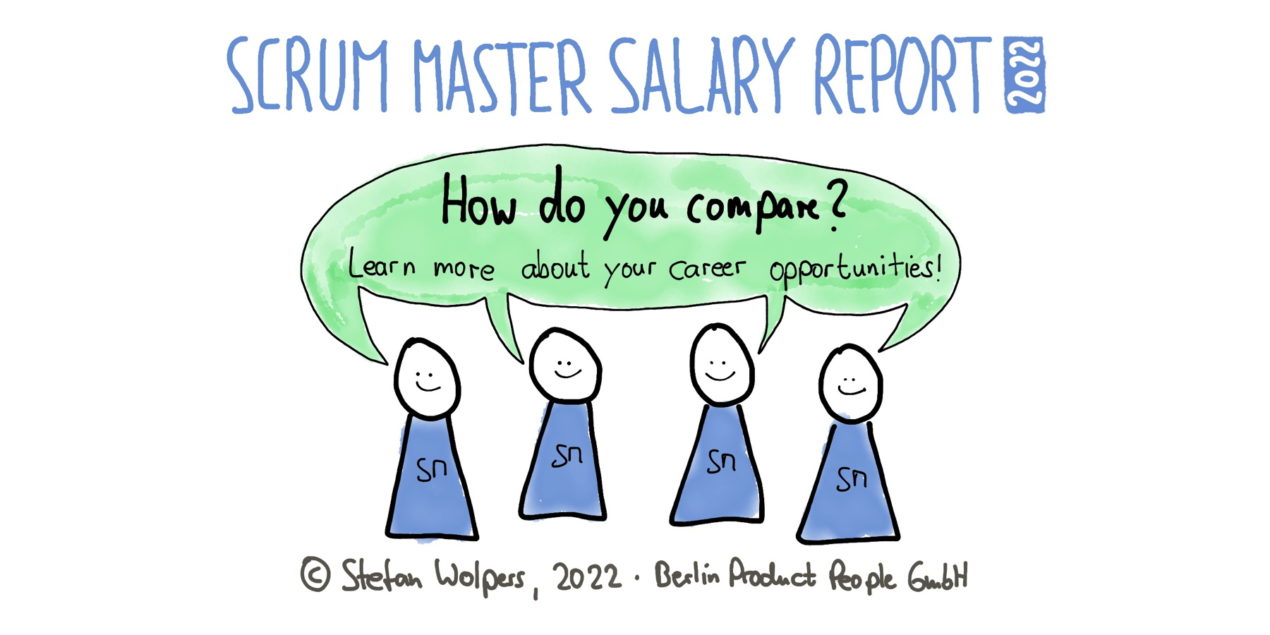
TL; DR: The Scrum Master Salary Report 2022 — How Do You Compare?
The Scrum Master Salary Report 2022 is the third edition of the industry survey after 2017 and 2019. This free report is based on the answers of 1,113 participants globally. If you are considering a career decision this year, maybe, whether you should join the industry as a junior Scrum Master or move to a new organization or go independent, you will find the report’s information beneficial.
By the way, the average salary of the participants in the survey is $83,687, with a standard deviation of about $48,700. In the complete report, you will find more detailed information; download your copy below.
Moreover, we are considering creating a statistical model to suggest further career steps: The “Scrum Master Salary Toolkit.”
TL; DR: Enabling Great Work, The Better Listener — Food for Agile Thought #326
Welcome to the 326th edition of the Food for Agile Thought newsletter, shared with 34,017 peers. This week, we point out the patterns enabling great work. We also reflect on the essential pre-requisite of a high-performing team: Team members ‘feel free to express their questions, concerns, ideas, and mistakes,’ and we suggest building our listening mindset to escape the ‘surface listening’ trap.
We then delve into the need to balance discovery & delivery while establishing strong ethics of testing business ideas and share an approach to creating an experimentation mindset when the target organization values structure and process. Moreover, we have an interesting look at the top-down world of product management, where the team is just executing what’s put in front of them.
Lastly, we explain why product roadmaps may be roads; however, they are no road maps, and we try a simple quiz to get the self-management discussion going: Where do we stand as a team?
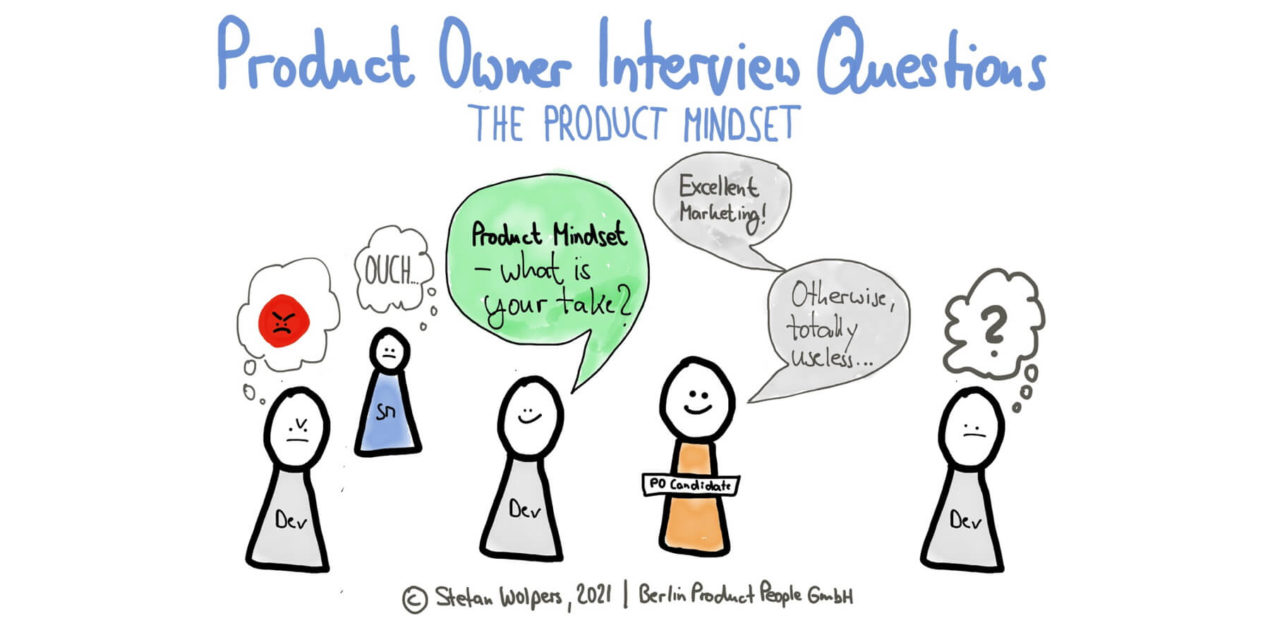
TL; DR: Product Owner Interview Questions: The Product Mindset
If you are looking to fill a position for a Product Owner in your organization, you may find the following 82 interview questions useful to identify the right candidate. This 8th set of Product Owner interview questions addresses the product mindset.
The questions are derived from my sixteen years of practical experience with XP and Scrum, serving both as Product Owner and Scrum Master and interviewing dozens of Product Owner candidates on behalf of my clients. So far, this Product Owner interview guide has been downloaded more than 10,000 times.