AI on Top of a Dysfunctional System: The Product Backlog

TL;DR: Polished Artifacts, Unchanged Decisions, Or Ten Backlog Anti-Patterns AI Makes Worse

Add AI to a Product Backlog process that already struggles, and everything seems to improve within an afternoon. The problem is that polishing artifacts with AI doesn’t fix the root cause: the basis for the team’s decisions doesn’t change; AI only removes the visible discomfort that used to signal something was broken, along with some of the pressure to fix it. AI applied to a dysfunctional system – here, the Product Backlog process – makes the dysfunction look like progress.

This is the first article of a new series that explains the uselessness of bolting AI onto a dysfunctional system. It explains why generative AI worsens ten Product Backlog anti-patterns, how polished AI artifacts can hide missing evidence and authority, and how teams can check whether their process is fit for AI.

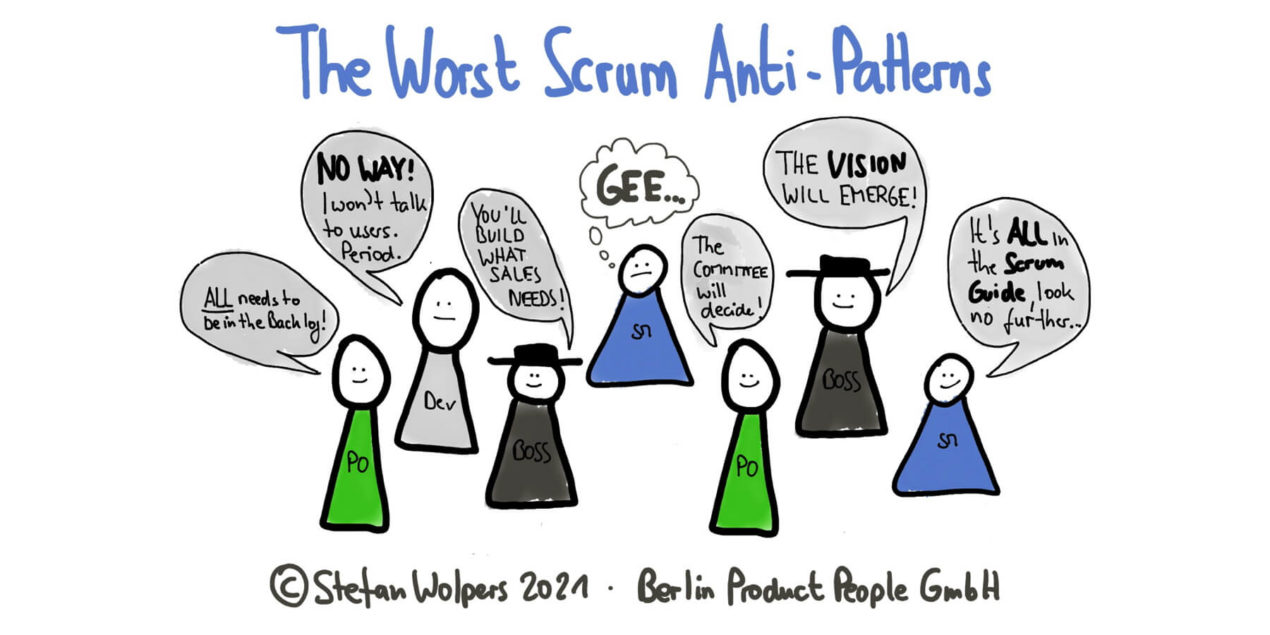
The example anti-patterns accelerated by AI are from my Scrum Anti-Patterns Guide book.
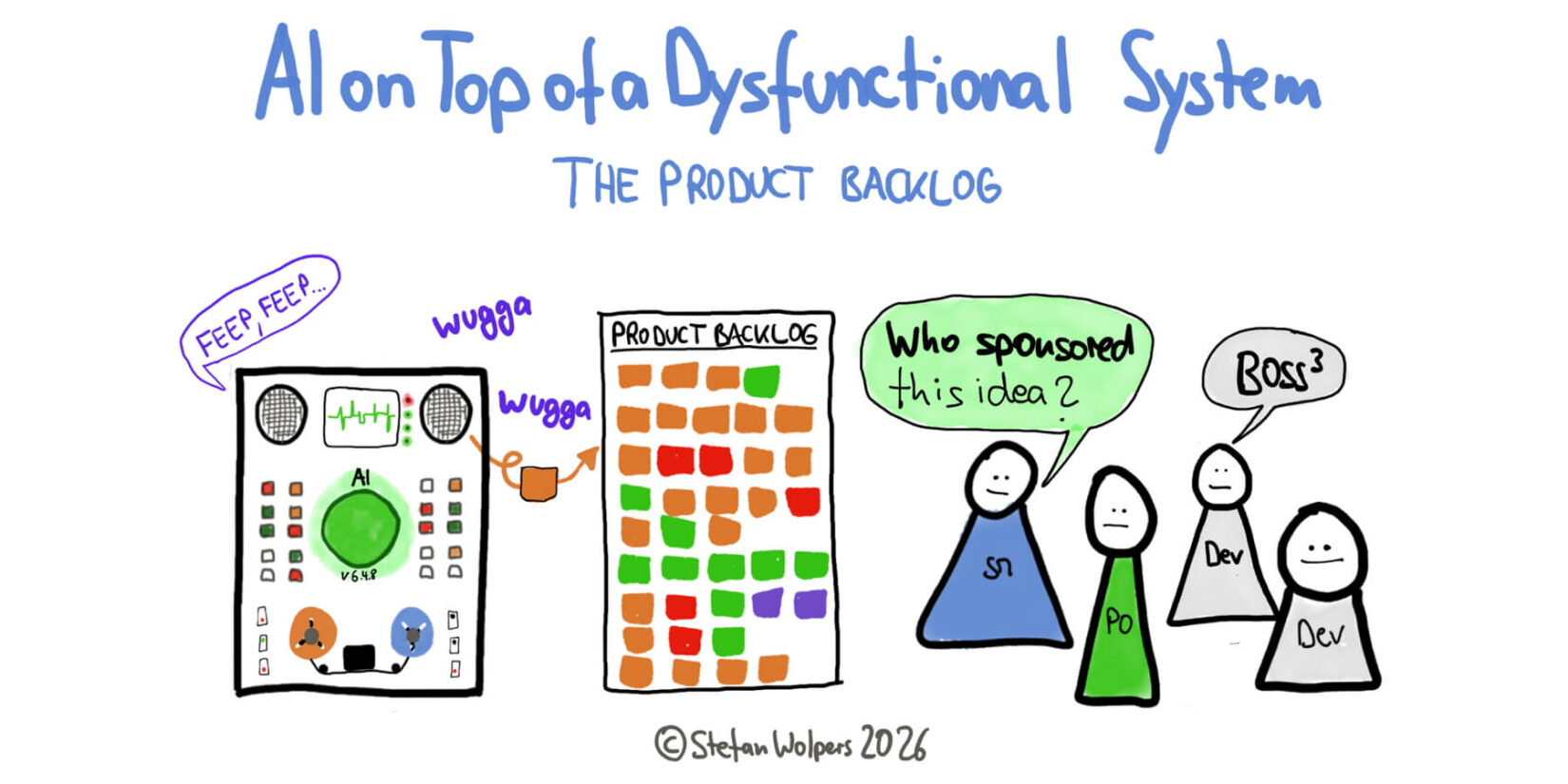
AI on Top of a Dysfunctional System: 10 Product Backlog Anti-Patterns AI Makes Worse – by Stefan Wolpers of Age-of-Product.com

Thesis: Adding AI onto a dysfunctional system, for example, the Product Backlog, makes ten typical backlog anti-patterns worse, because polished AI artifacts hide missing customer evidence, decision authority, and feedback; the article explains these mechanisms, their costs, and how teams test whether their process is ready for AI.
Continue reading AI on Top of a Dysfunctional System: The Product Backlog

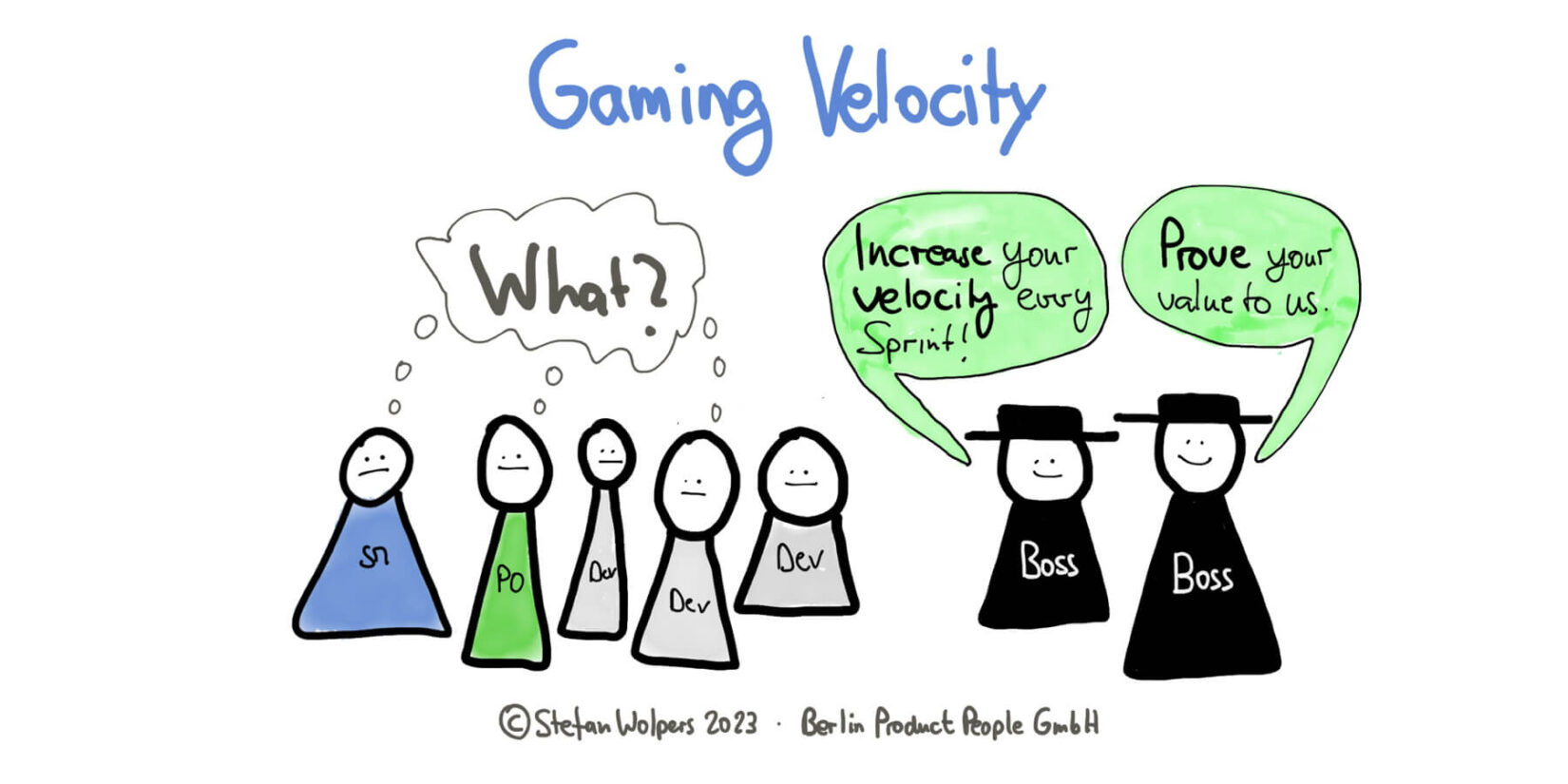
Gaming Velocity

TL; DR: Gaming Velocity

Imagine your team’s line manager insists that a successful team improves velocity regularly. How could you, as a team, satisfy this strange, unsuitable demand without working more? How can you make gaming velocity a reality?

I run this exercise with my students of entry-level Scrum Master and Product Owner classes to help them reflect on the tricky nature of measuring success, metrics, and, of course, Goodhart’s Law: “When a measure becomes a target, it ceases to be a good measure.”

For the following article, I aggregated suggestions from more than 50 classes on how to “best” game velocity.

Gaming Velocity – Age-of-Product.com
Continue reading Gaming Velocity

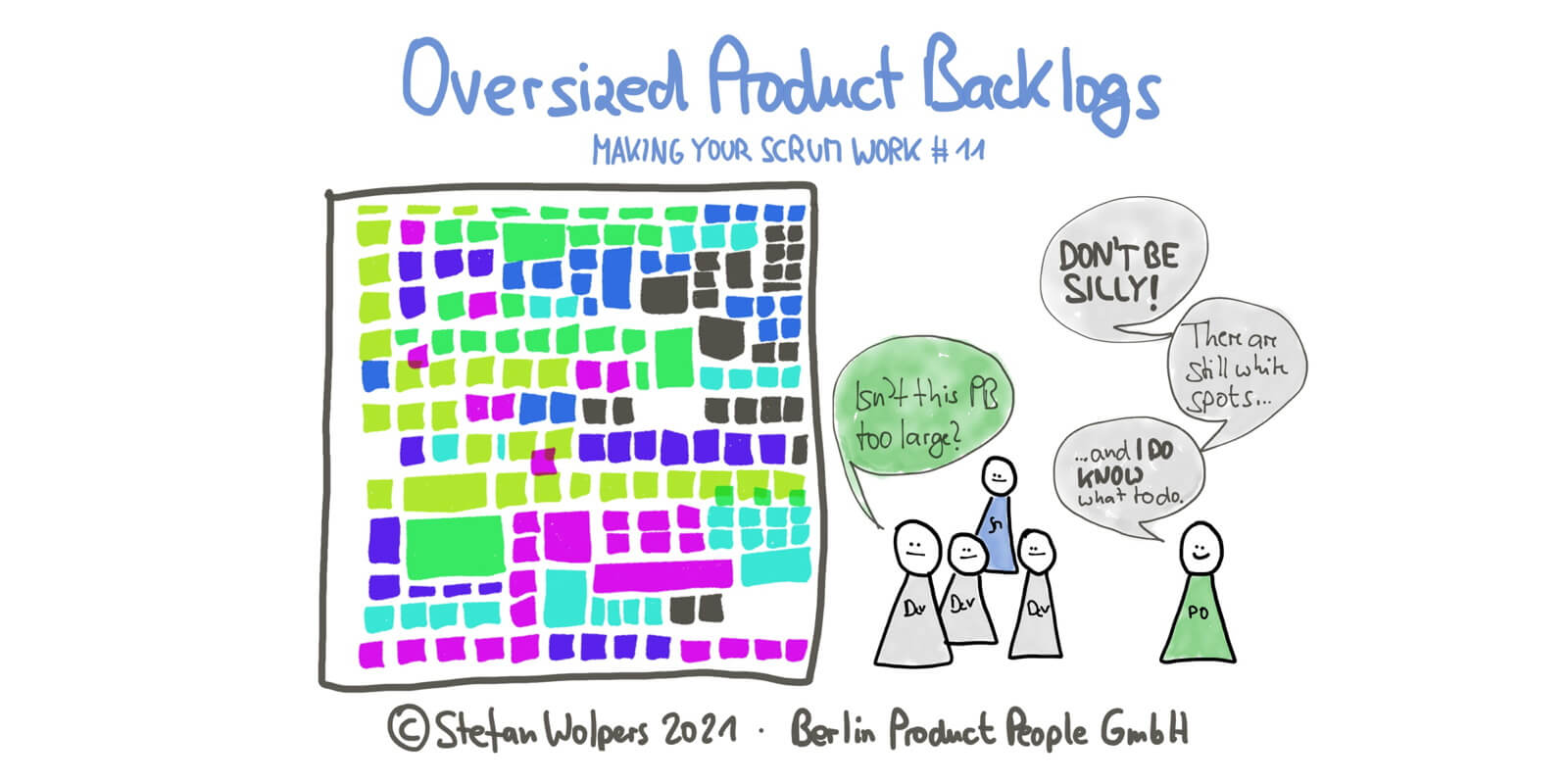
The Expensive Folly of the Oversized Product Backlog

TL; DR: The Costs of an Oversized Product Backlog

Some Product Owners believe that a comprehensive Product Backlog is the best way to accomplish the Product Goal and be fully transparent simultaneously—never let a possibly valuable idea slip away. However, a comprehensive backlog may quickly become an oversized Product Backlog with unintended side effects.

Learn more about an oversized Product Backlog’s negative impact on innovation, your Scrum team’s ability to create value, and your relationship with stakeholders.

The Oversized Product Backlog Problem — Making Your Scrum Work #11 — Age-of-Product.com
Continue reading The Expensive Folly of the Oversized Product Backlog

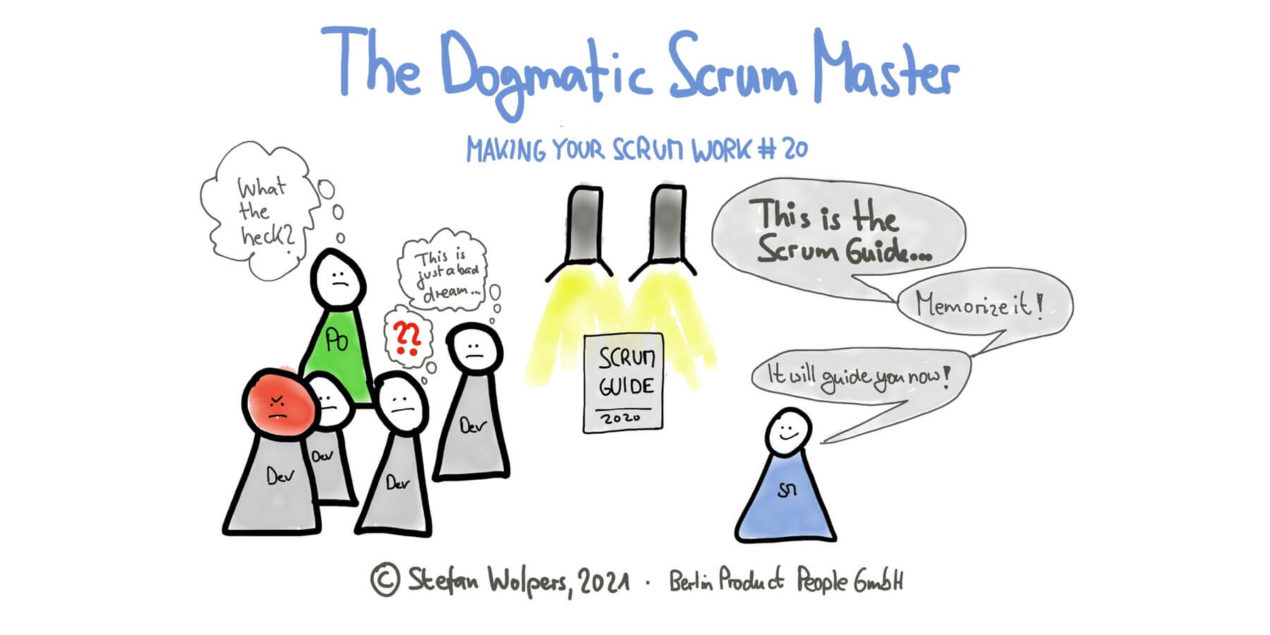
The Dogmatic Scrum Master Anti-Pattern — Making Your Scrum Work #20

TL; DR: The Dogmatic Scrum Master Anti-Pattern

There are plenty of failure possibilities with Scrum. Since Scrum is an intentionally incomplete framework with a reasonable yet short “manual,” this effect should not surprise anyone. For example, how do we communicate with members of the Scrum team that take the Scrum Guide literally? What about a dogmatic Scrum Master?

Join me and delve into the effects of Scrum dogmatism in less than 120 seconds.

The Dogmatic Scrum Master? — Making Your Scrum Work #20 — Age-of-Product.com
Continue reading The Dogmatic Scrum Master Anti-Pattern — Making Your Scrum Work #20