TL; DR: Jim Highsmith, Fabrice Bernhard, and Sandrine Olivencia speaking at Hands-on Agile 2025
The fourth and last batch of videos of Hands-on Agile 2025 is in—and it’s a fitting finale. Jim Highsmith explores the future of Agility in an AI-driven world, challenging us to rethink productivity, leadership, and the meaning of adaptability. Sandrine Olivencia takes us back to Lean’s roots, calling for a return to craftsmanship and purpose in Agile practice. Fabrice Bernhard introduces the Lean Tech Manifesto, bridging Agile principles with the realities of large-scale organizations. Together, these sessions confront Agile’s growing pains and point toward a more courageous, contextual, and enduring form of Agility.
These industry veterans bring decades of enterprise transformation experience, providing actionable insights you can implement immediately. Watch the session recordings to transform how you approach agility.
Many companies adopt Agile practices like Scrum but fail to achieve true transformation. This “Agile Paradox” occurs because they implement tactical processes without changing their underlying command-and-control structure, culture, and leadership style.
True agility requires profound systemic changes to organizational design, leadership, and technical practices, not just performing rituals. Without this fundamental shift from “doing” to “being” agile, transformations stall, and the promised benefits remain unrealized.
The data couldn’t be more supportive: Despite 25 years of the Agile Manifesto, countless books, a certification industry, conferences, and armies of consultants, we’re collectively struggling to make Agile work. My recent survey, although not targeting Agile failure, still reveals systemic dysfunctions that persist across organizations attempting to implement Agile practices:
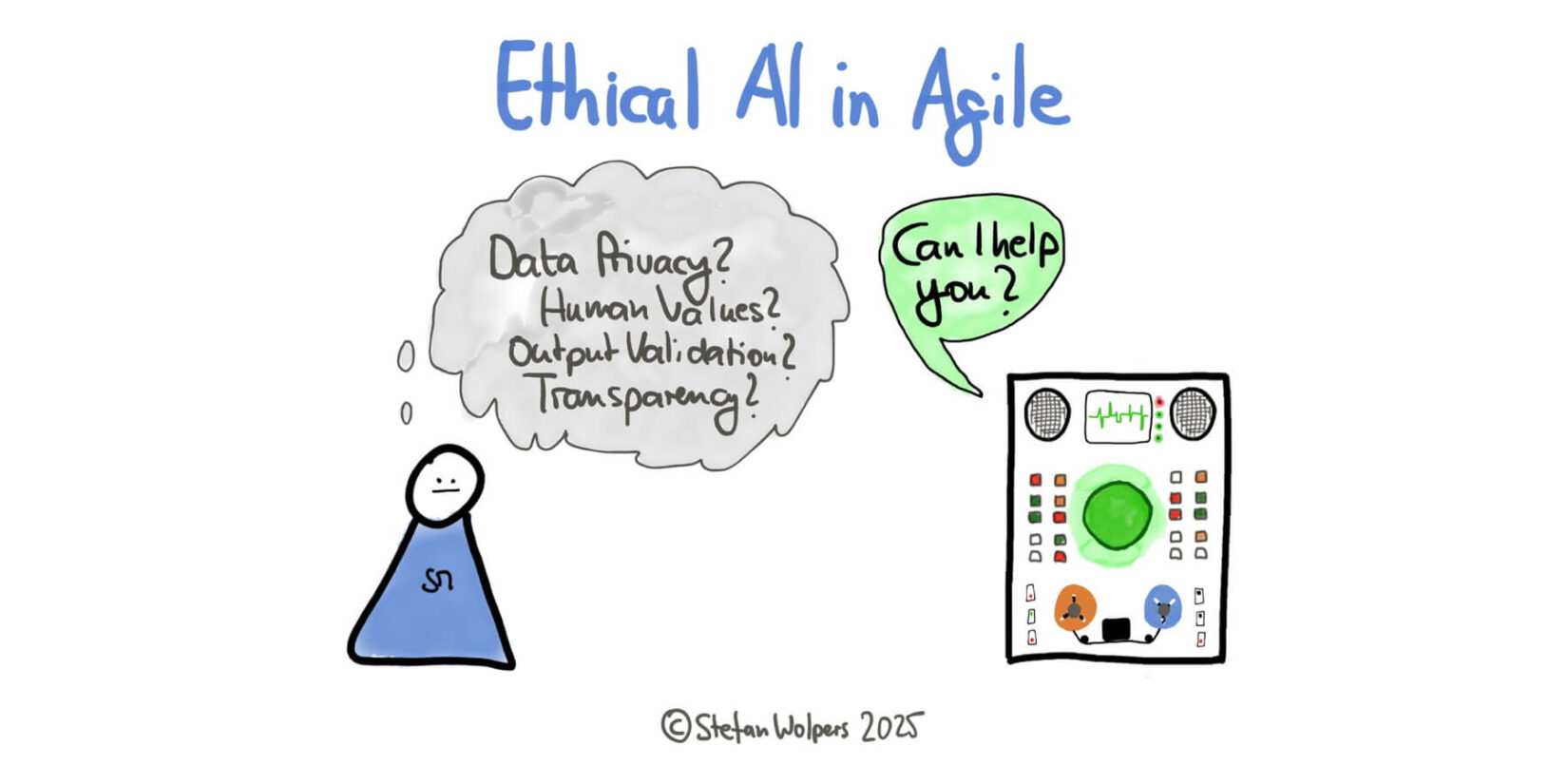
Agile teams face ethical challenges. However, there is a path to ethical AI in Agile by establishing four pragmatic guardrails: Data Privacy (information classification), Human Value Preservation (defining AI vs. human roles), Output Validation (verification protocols), and Transparent Attribution (contribution tracking).
This lightweight framework integrates with existing practices, protecting sensitive data and human expertise while enabling teams to confidently realize AI benefits without creating separate bureaucratic processes.
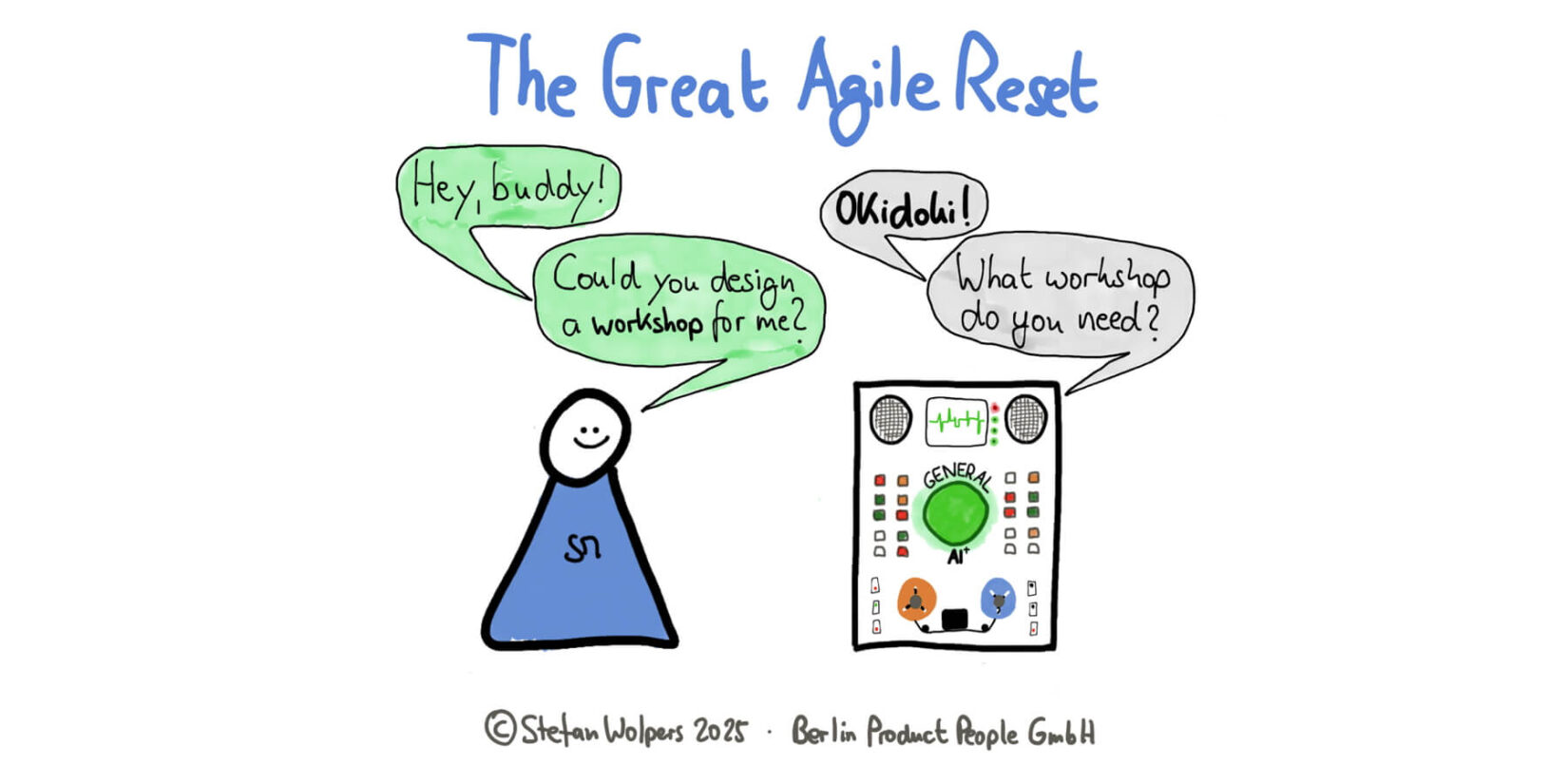
TL; DR: Moving Beyond Agile Frameworks in the Agile Reset
Remember my article from six months ago about reinventing Hands-on Agile to counter the great agile reset? (Just kidding; of course, you don’t.) Back then, I reflected on how to adapt my business model best, given the massive changes in the marketplace for “Agile.” (See the link below.)
Well, it’s time for an honest update, and it is not pretty.