Food for Agile Thought #284: Agile Camp Berlin 2021, Estimating Complexity, Dangers of Groupthink, Healthy Goals

TL; DR: Estimating Complexity, Healthy Goals—Food for Agile Thought #284

Welcome to the 284th edition of the Food for Agile Thought newsletter, shared with 30,648 peers. This week, we learn how to excel in the dark art of ‘estimating’ in general and estimating complexity in particular. We enjoy a conversation on imposter syndrome, deciding under uncertainty, psychological safety, and the Dunning-Kruger effect, and we point at the disadvantages of group work, how to spot if those are taking hold of your group, and how to counter resulting anti-patterns.

We then suggest steps to improve stakeholder engagement with Sprint Reviews and overcome typical anti-patterns, and we dive into AirBnB’s product culture, ranging from storytelling and the Disney influence to experimentation guardrails to what makes a product manager thrive there. Moreover, we explore a product design process leading from ‘I have no clue what to do’ to ‘we should do this,’ using the Circles method to make final recommendations.

Lastly, we embrace the idea that no amount of RACI, SMART, INVEST, OKRs, OGSM, or any other framework designed to create meaningful goals could outweigh proper team support by the leadership. Speaking of OKRs, we also ask: Can OKRs and JTBD co-exist?

Food for Agile Thought #284: Agile Camp Berlin 2021, Estimating Complexity, Dangers of Groupthink, Healthy Goals — Age-of-Product.com
Continue reading Food for Agile Thought #284: Agile Camp Berlin 2021, Estimating Complexity, Dangers of Groupthink, Healthy Goals

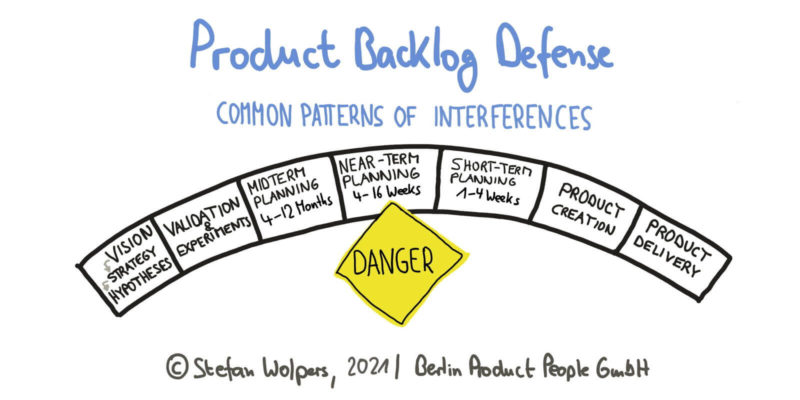
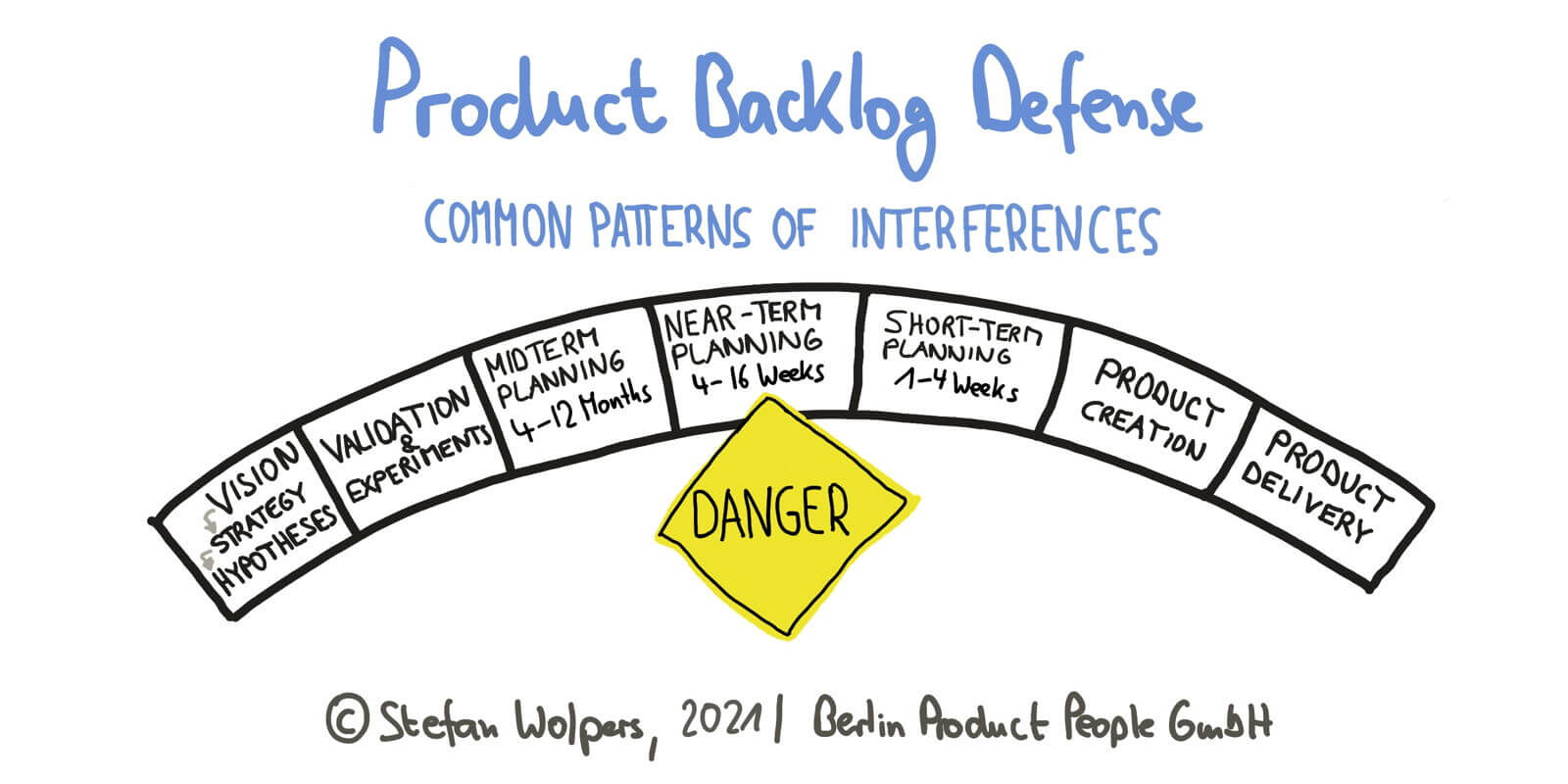
Product Backlog Anti-Patterns Q&A

TL; DR: Product Backlog Anti-Patterns Q&A

A few weeks, Scrum.org hosted a webinar on Product Backlog anti-patterns with me, which left several questions unanswered as we ran out of time. Hence please find following my answers to the additional 18 questions I could not answer during the webinar Product Backlog anti-patterns Q&A session.

Making Your Scrum Work: Product Backlog Anti-Patterns Q&A — Age-of-Product.com
Continue reading Product Backlog Anti-Patterns Q&A

📅 🖥 Virtual Agile Camp Berlin 2021 — May 27-29, 2021

TL; DR: The vACB21’s Schedule, Session Proposals, Technology, and Workshops

The Agile Camp Berlin 2021 will be a virtual event from May 27-29, 2021.

We will spend three energizing days from 1 pm to 7 pm CEST at a live virtual Barcamp using open space technology principles and practices. The general conference language is English; sessions in other languages are welcome!

📅 🖥 Virtual Agile Camp Berlin 2021 — May 27-29, 2021 — vACB21 — Hosted by Berlin Product People GmbH

Read on and learn about the organization of the virtual Agile Camp Berlin 2021, its preliminary schedule, from your session proposals to session planning to the essential technology to enjoy the best possible experience.

Continue reading 📅 🖥 Virtual Agile Camp Berlin 2021 — May 27-29, 2021

Food for Agile Thought #283: Is Agile a Trojan Horse, Culture & Methods Trends 2021, Product Strategy Stack, Metrics of Transformations

TL; DR: Is Agile a Trojan Horse, Product Strategy Stack—Food for Agile Thought #283

Welcome to the 283rd edition of the Food for Agile Thought newsletter, shared with 30,593 peers. This week, we ask: Is Agile a Trojan Horse for change? We also enjoy the March 2021 edition of the Culture & Methods Trends Report, learning that COVID-19 was the biggest driver of culture change and that there are dramatic differences between good and bad remote work cultures. Moreover, we introduce a framework on strategic interventions when coaching agile teams.

We then introduce a product strategy stack, including product leadership experiences from Tinder, Facebook, TripAdvisor, and Airbnb. We summarize suggestions on setting practical Product Goals, and we discover an approach to Design Sprints that reduces its original time requirement from five days by 50 percent without sacrificing the outcome’s quality.

Lastly, we address wheel-spinning during transformations and how to overcome transformation theater and start delivering more value faster.

Food for Agile Thought #283: Is Agile a Trojan Horse, Culture & Methods Trends 2021, Product Strategy Stack, Metrics of Transformations — Age-of-Product.com
Continue reading Food for Agile Thought #283: Is Agile a Trojan Horse, Culture & Methods Trends 2021, Product Strategy Stack, Metrics of Transformations

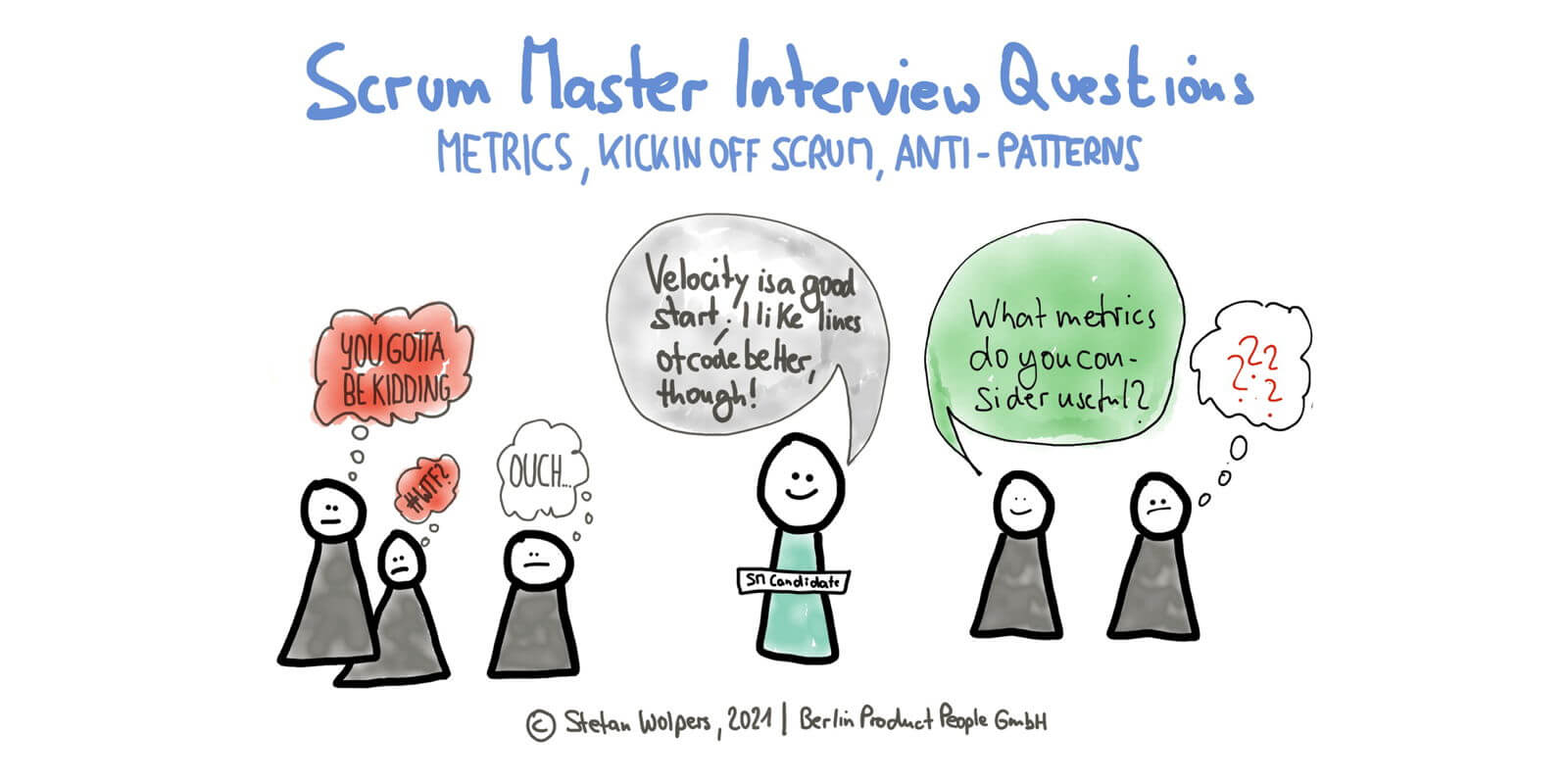
Peer Recruiting: How to Hire a Scrum Master in Agile Times

TL; DR: Peer Recruiting

Peer Recruiting is the new hiring: Shortly, all creative, technology-based organizations will need to abandon the command & control structures that served the industrial world of the 20th century so well. Instead, they will reorganize themselves around autonomous teams to deal with the complexity and pace of innovation of the 21st century.

In such an agile world, recruiting will become a team decision, and the “human resources” department’s role will change into a supportive one. Recruiters will need to become servant leaders or facilitators, guiding the peer recruiting process.

The following guide to peer recruiting is based on my experience in participating in recruiting Scrum Team members over the last ten years. This first article will cover the Scrum Master role.

Peer Recruiting: How to Hire a Scrum Master in Agile Times — Age-of-Product.com
Continue reading Peer Recruiting: How to Hire a Scrum Master in Agile Times

Food for Agile Thought #282: Self-Organization Does Not Work, Tools Don’t Matter, Projects to Products (Ebook), 3 Ways to Agile Product Creation

TL; DR: Self-Organization Does Not Work, Tools Don’t Matter—Food for Agile Thought #282

Welcome to the 282nd edition of the Food for Agile Thought newsletter, shared with 30,507 peers. This week, we learn why self-organization does not work when your goal is creating a high-performance organization. We receive a free ebook on how to shift an organization’s focus from projects to products, and we ask: How much lean is in today’s “Agile?”

We then figure out how to breathe life into your Product (Development) Backlog by removing all ideas from it; we get advice on dealing with the executor, the manager, and the visionary among founders, and we address product managers’ obsession with tools.

Lastly, we discuss pragmatic, proven, and sometimes counter-intuitive approaches to develop faster.

Food for Agile Thought #282: Self-Organization Does Not Work, Tools Don’t Matter, Projects to Products (Ebook), 3 Ways to Agile Product Creation — Age-of-Product.com
Continue reading Food for Agile Thought #282: Self-Organization Does Not Work, Tools Don’t Matter, Projects to Products (Ebook), 3 Ways to Agile Product Creation