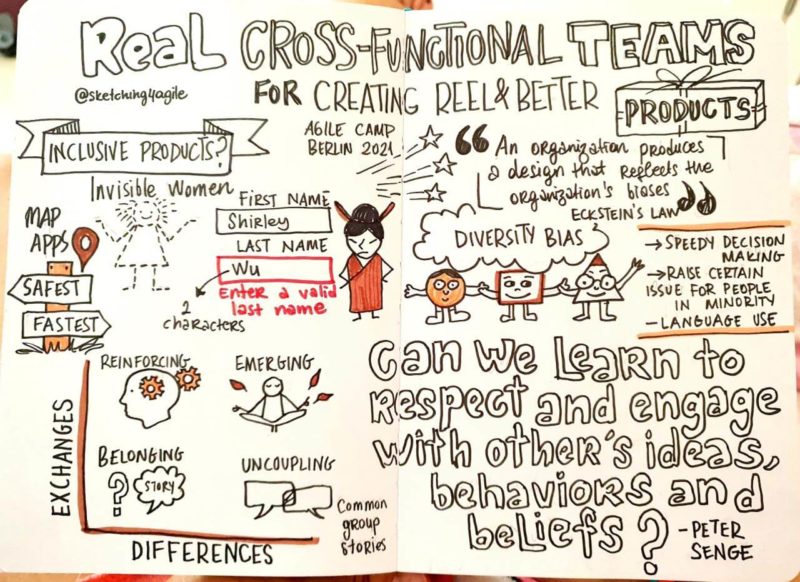
Real Cross-functional Teams for Creating Real and Better Products — Agile Camp Berlin 2021

TL; DR: Real Cross-functional Teams for Creating Real and Better Products — ACB21

In this highly engaging speaker session from the Agile Camp Berlin 2021, Jutta Eckstein and Maryse Meinen point out the advantages of creating diverse, cross-functional teams to benefit your customers and your organization.

Real Cross-functional Teams for Creating Real and Better Products—Agile Camp Berlin 2021
Continue reading Real Cross-functional Teams for Creating Real and Better Products — Agile Camp Berlin 2021

Three Common Developer Blunders in 5:05 Minutes—Making Your Scrum Work #14

TL; DR: Common Developer Blunders — When Your Scrum Team Lacks Alignment

There are plenty of failure possibilities with Scrum. Given that Scrum is a framework with a reasonable yet short “manual,” this effect should not surprise anyone. While it is common to first look outside our team for impediments, such as dysfunctional processes or other systemic issues, I would advise starting with the Scrum team’s way of collaboration: Are we aligned on the why, what, and how? Otherwise, the three following Developer blunders may diminish the team effectiveness.

📺 Join me and explore the consequences of these Scrum Developer blunders and what you can do about them in a little more than five minutes.

Three Common Developer Blunders in 5:05 Minutes—Making Your Scrum Work #14 — Age-of-Product.com

Update: I am running a poll on LinkedIn—join the voting: “What common ways have you observed how Developers diminish the value creation of their own work?”

Continue reading Three Common Developer Blunders in 5:05 Minutes—Making Your Scrum Work #14

Food for Agile Thought #296: Rebels Spark Ideas, Agile Rituals for Hyper-Growth, CSPO Pathology, Collaborative Product Decisions

TL; DR: Rebels Spark Ideas, CSPO Pathology—Food for Agile Thought #296

Welcome to the 296th edition of the Food for Agile Thought newsletter, shared with 31,704 peers. This week, we acknowledge that rebels spark ideas, and we consider whether OKRs can restore purpose to agile teams and free them from the tyranny of the Product Backlog. Moreover, we get an inside view of how Youtube managed its early hyper-growth, and we point at the advantages of using low-code tooling to build software: Iterating faster.

We then address why the tech industry has such a high proportion of weak product managers and product leaders. We pitch the advantages of collaborative decision-making, leveraging both stakeholders’ and developers’ expertise while creating a shared understanding. Also, we share three tactics that have proven to impact getting buy-in from team members significantly.

Lastly, we enjoy an interview with Christina Wodtke on how OKR can help product managers accomplish more, and we get curious about a new Scrum software: “HappyStack is a Scrum project software tool for developers: Backlog, Sprint Planning, Standups, Reviews, and Retros done the right way.”


Food for Agile Thought #296: Rebels Spark Ideas, Agile Rituals for Hyper-Growth, CSPO Pathology, Collaborative Product Decisions — Age-of-Product.com
Continue reading Food for Agile Thought #296: Rebels Spark Ideas, Agile Rituals for Hyper-Growth, CSPO Pathology, Collaborative Product Decisions

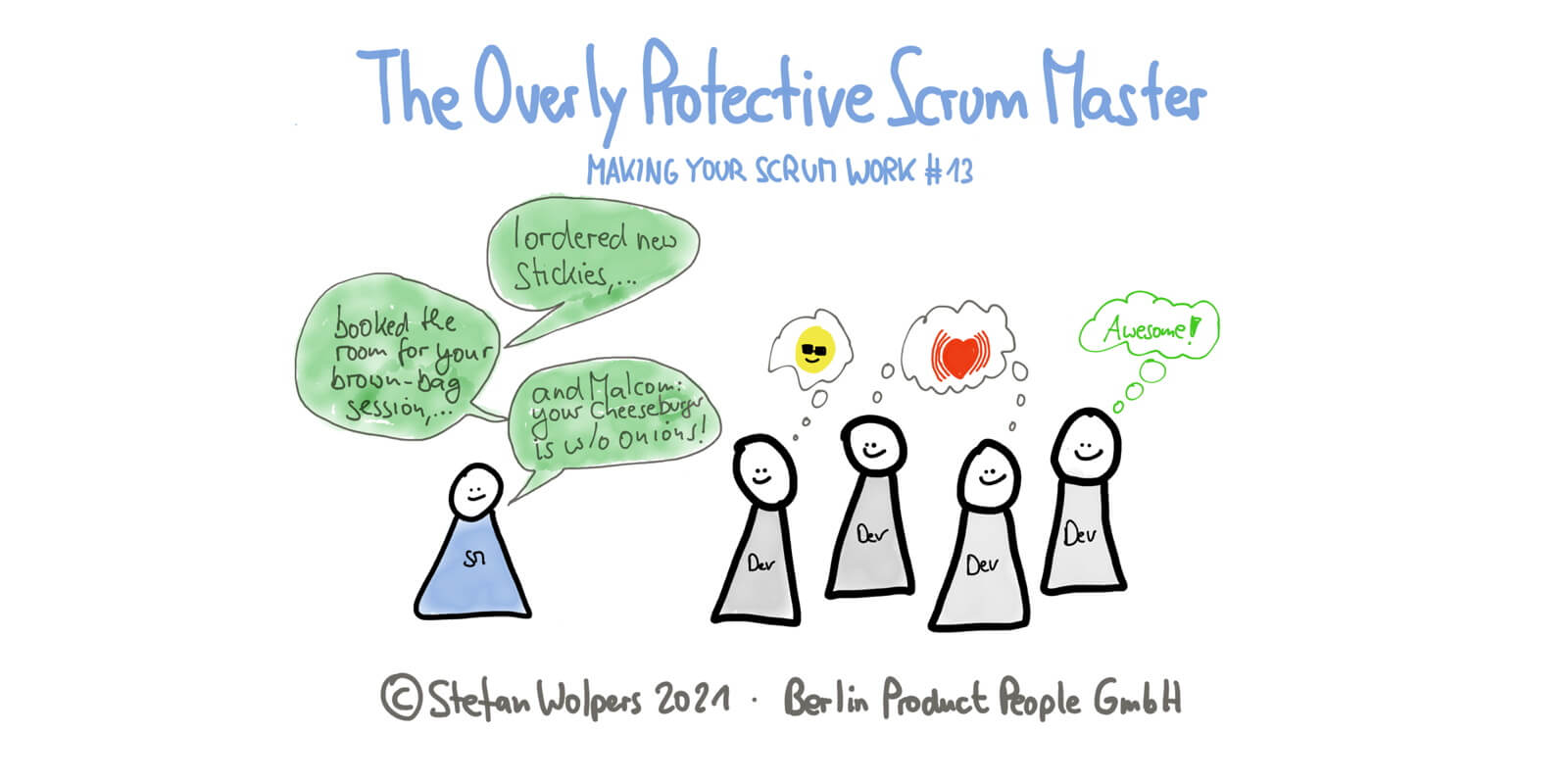
When the Scrum Master Fails by Being Overly Protective — Making Your Scrum Work #13

TL; DR: When Scrum Masters Fail — Making Your Scrum Work #13

There are plenty of failure possibilities with Scrum. Given that Scrum is a framework with a reasonable yet short “manual,” this effect should not surprise anyone. Scrum thrives when the Scrum teams are self-managing while Scrum Masters embrace their role as servant-leaders. However, this also implies that Scrum Masters fail when they are overly protective.

📺 Join me and explore the consequences of the overly protective Scrum Master and what you can do about it in less than three minutes.

When the Scrum Master Fails by Being Overly Protective  — Making Your Scrum Work #13 — Age-of-Product.com

Update: I am running a poll on LinkedIn—join the voting: “How can Scrum Masters fail their team by being overly protective or supportive?”

Continue reading When the Scrum Master Fails by Being Overly Protective — Making Your Scrum Work #13

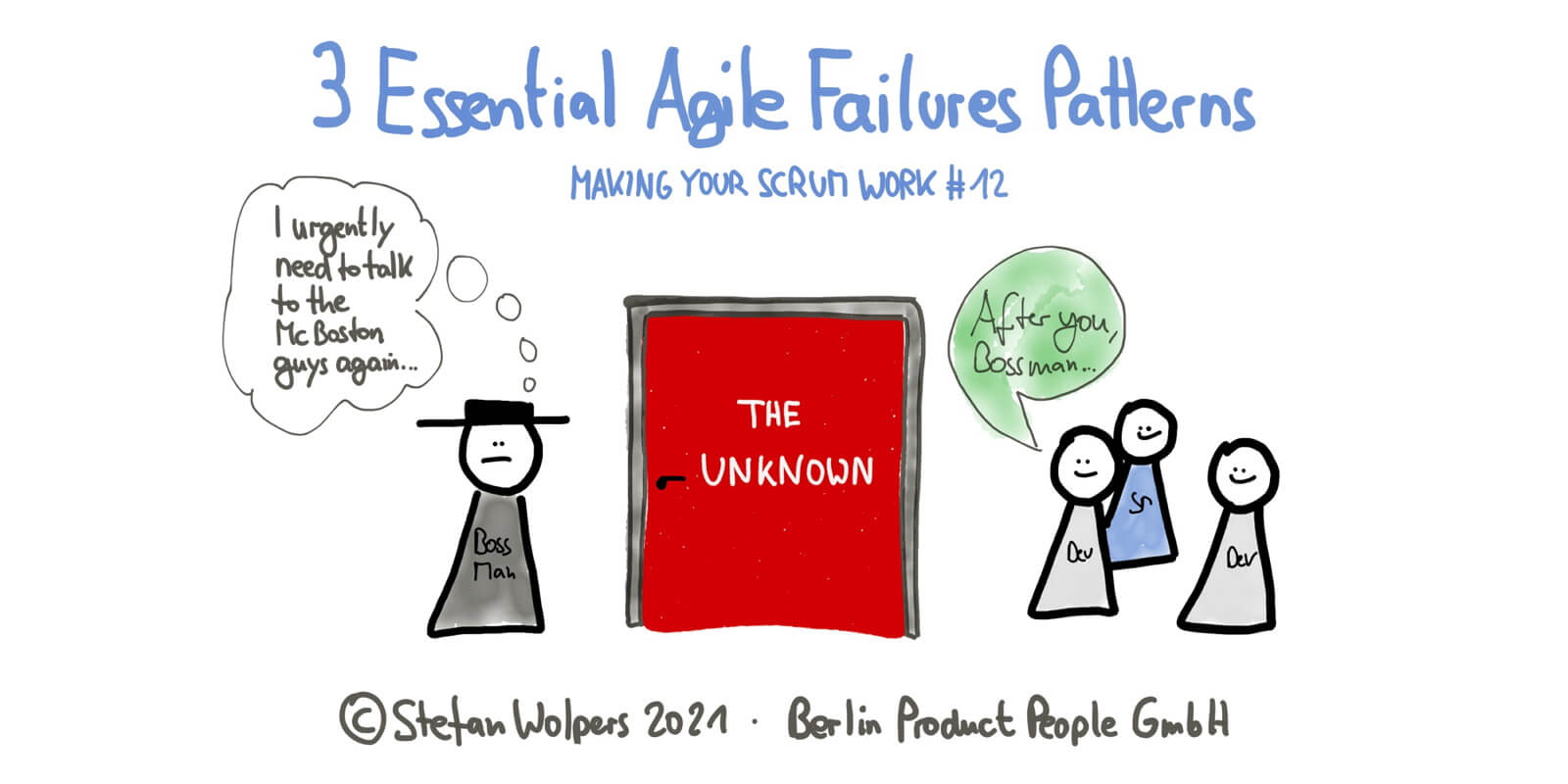
Three Essential Agile Failure Patterns in 7:31 Minutes—Making Your Scrum Work #12

TL; DR: Essential Agile Failure Patterns — When Noise Interferes with Signal

There are plenty of failure possibilities with Scrum. Given that Scrum is a framework with a reasonable yet short “manual,” this effect should not surprise anyone. When Scrum becomes an element of an agile transformation, the following three common essential agile failure patterns prove to be an exceptionally tough nut to crack for any Scrum Master.

📺 Join me and explore the consequences of foreseeable failure patterns and what you can do about them in a little more than seven minutes.

Three Essential Agile Failure Patterns in 7:31 Minutes—Making Your Scrum Work #12 — Age-of-Product.com

Update: I am running a poll on LinkedIn—join the voting: “What is your top agile failure pattern in organizations?”

Continue reading Three Essential Agile Failure Patterns in 7:31 Minutes—Making Your Scrum Work #12

Food for Agile Thought #295: Overcoming Team Limits, Pharma Success Story w/ Scrum, The Mediocrity Trap, Your Product is Not Their Problem

TL; DR: Overcoming Team Limits, The Mediocrity Trap—Food for Agile Thought #295

Welcome to the 295th edition of the Food for Agile Thought newsletter, shared with 31,527 peers. This week, we delve into overcoming team limits with Jeff Sutherland, the co-creator of Scrum. We also dive into an adjacent topic: Team-building in organizations that double the employee count at least yearly, and we analyze some psychological issues that might interfere with the core of agility.

We then share ten compelling reasons why to stay out of meh work. Moreover, we reflect on the necessity of loving your customer’s problem, not your solution, and we embrace a comprehensive primer on how innovators can use the JTBD framework to create successful products.

Lastly, we appreciate a new academic paper on the effectiveness of Scrum teams.

Food for Agile Thought #295: Overcoming Team Limits, Pharma Success Story w/ Scrum, The Mediocrity Trap, Your Product is Not Their Problem — Age-of-Product.com
Continue reading Food for Agile Thought #295: Overcoming Team Limits, Pharma Success Story w/ Scrum, The Mediocrity Trap, Your Product is Not Their Problem