Food for Agile Thought #449: Lean Mindset, Building Product Sense, Trust Unveils Reality, When Will It Be Ready?

TL; DR: Lean Mindset — Food for Agile Thought #449

Welcome to the 449th edition of the Food for Agile Thought newsletter, shared with 42,561 peers. This week, David Pereira and Ash Maurya discuss the benefits of a lean mindset in product development, focusing on value creation and customer needs. John Cutler examines the negative impact of low trust and high pressure in organizations, stressing the importance of psychological safety, while Jurriaan Kamer advocates for using consent over consensus in decision-making to enhance organizational agility and reduce delays. Maarten Dalmijn criticizes the reliance on detailed sprint capacity spreadsheets, which he argues hampers flexibility and obscures real planning challenges. Finally, McKinsey outlines critical strategies for successful organizational transformation, emphasizing actionable steps from ambition to execution, and we detail how you can stand out as a Scrum Master or Agile Coach during job interviews.

Next, Ant Murphy discusses the importance of building product sense through deliberate practices like engaging with customers and conducting product teardowns. Michael H. Goitein advises against merely asking users what they want, instead emphasizing the need to understand and anticipate user needs deeply. For that reason, Teresa Torres cautions against using generative AI to replace human-led discovery, stressing that while AI can assist, it cannot replace the deep insights from real interactions. Also, Kareem Amin shares insights on achieving product-market fit at Clay, underlining the significance of narrowing focus and understanding psychological factors in entrepreneurial success.

Lastly, Christiaan Verwijs emphasizes the importance of social cohesion in enhancing team performance and satisfaction, detailing strategies like establishing a solid team identity and shared norms. Shane Hastie and Neil Vass discuss strategies for making organizational changes stick, and Indu Alagarsamy highlights the critical role of documenting product and software architecture decisions for future clarity and project continuity. Finally, Sam Higham offers advice on handling the common query “When will it be ready?” by advocating for realistic planning and continuous updates on potential delays and changes in project confidence.
Food for Agile Thought #449: Lean Mindset, Building Product Sense, Trust Unveils Reality, When Will It Be Ready? Age-of-Product.com
Continue reading Food for Agile Thought #449: Lean Mindset, Building Product Sense, Trust Unveils Reality, When Will It Be Ready?

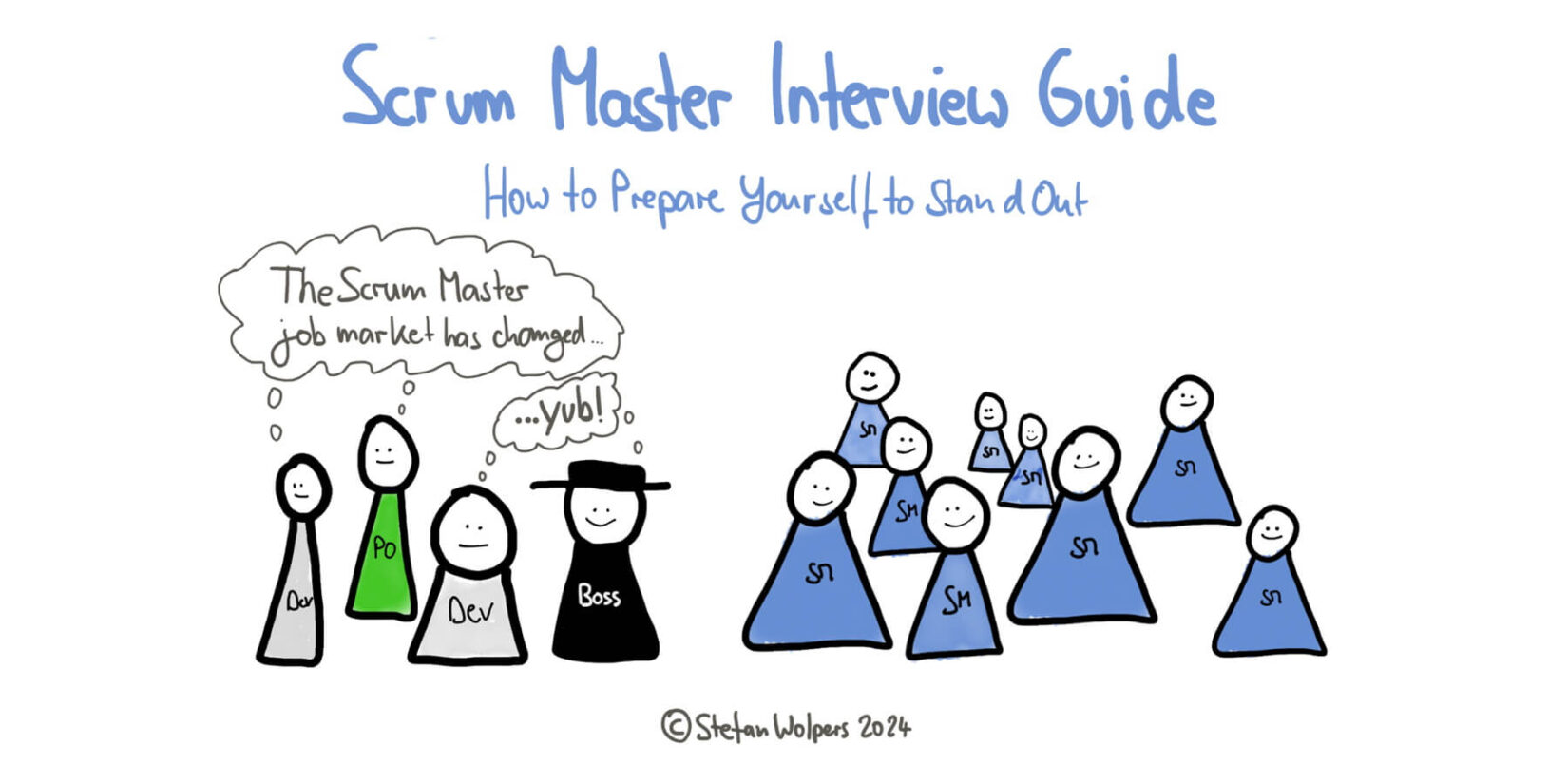
Scrum Master Interview 2024: How to Prepare Yourself to Stand Out as a Candidate

TL; DR: Scrum Master Interview 2024

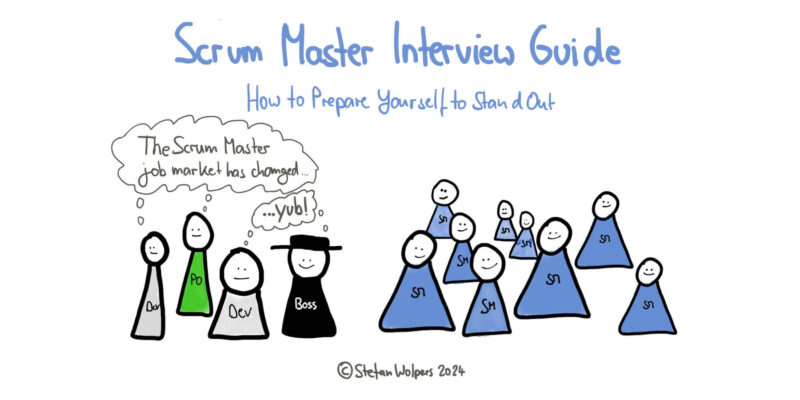
In today’s tight job market, standing out as a genuine Scrum Master is crucial amidst a sea of imposters. Shining during the Scrum Master interview is an essential first step: Elevate your candidacy by detailing how you successfully applied Scrum in challenging environments, showcasing advanced practices and techniques, and sharing your engagement with the agile community.

The following post will support your effort to demonstrate your pivotal role in agile transformations and strategic contributions, proving your indispensable value in driving organizational success.

The Scrum Master Interview — How to Prepare Yourself to Stand Out — Age-of-Product.com
Continue reading Scrum Master Interview 2024: How to Prepare Yourself to Stand Out as a Candidate

Food for Agile Thought #448: Reclaiming Agile’s Core Values, Product Pitfalls, Splitting User Stories, Dealing w/ System Bottlenecks

TL; DR: Agile’s Core Values — Food for Agile Thought #448

Welcome to the 448th edition of the Food for Agile Thought newsletter, shared with 42,549 peers. This week, Jim Highsmith calls for reclaiming Agile’s core values to reclaim its original spirit. Our Lemon introduces Water-Scrum-Fall, which ironically embodies the very constraints Scrum aims to avoid. John Cutler highlights how great teams achieve effectiveness through proactive processes, and Maarten Dalmijn critiques SCREAM!, pointing out its creative strengths but practical inefficiencies in timely delivery. Moreover, Joost Minnaar discusses Kazuo Inamori’s “Amoeba Management,” which champions recruiting inherently motivated individuals to drive team success, and we explore the free Scrum Master JobGPT to help those who look for new jobs.

Next, Richard Mironov discusses the ongoing challenge of addressing one software bottleneck to discover another, advocating for resilience in a seemingly endless cycle. On a podcast, David Pereira highlights typical pitfalls in product strategy and how to evade them, and Dan Shipper reveals how Claire Vo leveraged AI to create ChatPRD, enhancing product management despite her hectic schedule. Lastly, Aatir Abdul Rauf identifies six friction points between Product Managers and Product Marketers, suggesting strategies to improve communication and collaboration for better outcomes.

Lastly, Mike Cohn presents SPIDR, five techniques for efficiently splitting user stories and simplifying complex tasks into manageable actions. Johanna Rothman discusses preemptive strategies to identify and mitigate common project failures, such as resource scarcity and poor teamwork, while Mike Belsito advocates an evidence-based approach to product decision-making using the GIST framework and ICE scoring to navigate complex decisions. Finally, Andrew Chen challenges the productivity norms of routine work, promoting randomness and strategic choices to achieve impactful “10x work” that significantly alters professional outcomes.

Food for Agile Thought #448: Reclaiming Agile’s Core Values, Product Pitfalls, Splitting User Stories, System Bottlenecks—Age-of-Product.com
Continue reading Food for Agile Thought #448: Reclaiming Agile’s Core Values, Product Pitfalls, Splitting User Stories, Dealing w/ System Bottlenecks

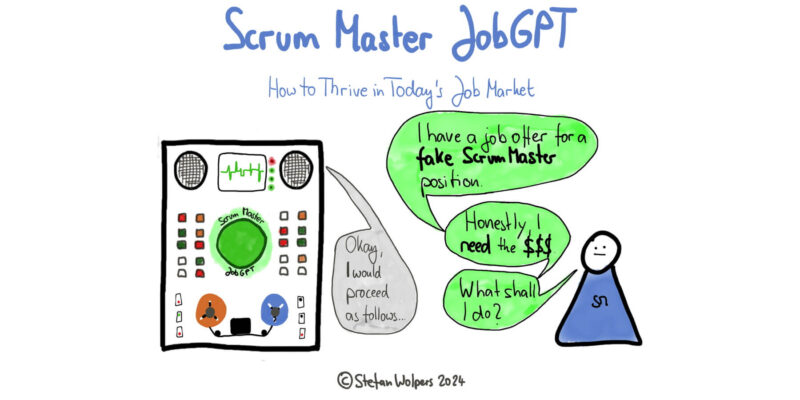
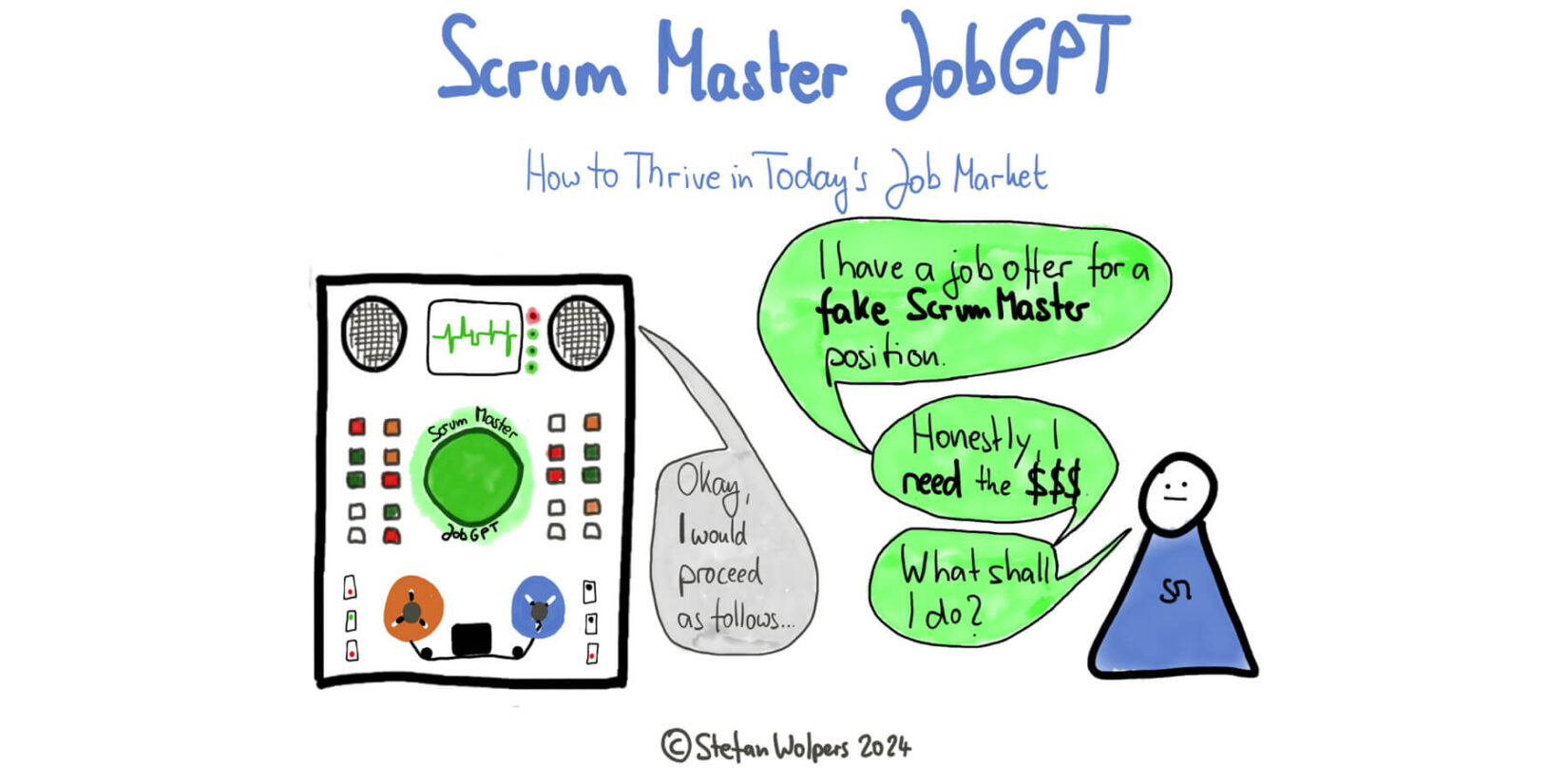
Scrum Master JobGPT: Your New Tool for Thriving in the Current Job Market

TL; DR: Scrum Master JobGPT — Learn to Thrive in Today’s Job Market

Given the current turbulent times for Scrum Masters and Agile Coaches, our community must stand united. This brings me to the Scrum Master JobGPT, your new ally in navigating the job market. This free tool, available with a paid ChatGPT account, delivers actionable insights on job hunting, interview prep, and evaluating Agile maturity in potential employers, based on my years-long writing on identifying suitable employers and clients, passing job interviews with flying colors, and hiring team members while respecting Scrum’s principles.

With Scrum Master JobGPT, you’ll get practical guidance—from deciphering job ads to excelling in interviews and ensuring the right cultural fit. Let’s weather this storm together—leverage Scrum Master JobGPT to secure your next Scrum Master or Agile Coach role and advance your career.

👉 Check out the free Scrum Master JobGPT now! (Please note that accessing GPTs requires a ChatGPT subscription.)

Scrum Master JobGPT: Your Essential Tool for Thriving in the Current Job Market — Age-of-Product.com
Continue reading Scrum Master JobGPT: Your New Tool for Thriving in the Current Job Market

Food for Agile Thought #447: Effective Product Teams, Coaching Mastery, Fixing the Double Diamond, Athletic Agile

TL; DR: Effective Product Teams, Coaching Mastery — Food for Agile Thought #447

Welcome to the 447th edition of the Food for Agile Thought newsletter, shared with 42,561 peers. This week, John Cutler explores how effective product teams prioritize customer interactions, data-driven decisions, and collaboration over estimations and internal requests. Shreyas Doshi clarifies that mastery-level coaching focuses on self-awareness and transformative leadership, and Sjoerd Nijland shares strategies for transforming teams through self-management and accountability. Also, Francis Laleman examines the crucial Scrum values that build trust and support empirical pillars, and Ari Tikka emphasizes creating a culture of Trust, Care, and Love for team success and psychological safety in diverse environments.

Next, Arne Kittler underscores the necessity of clarity for product managers, offering practical steps for vision, strategy, and priority alignment. At the same time, Lenny Rachitsky presents 27 examples of using the AI-powered search engine Perplexity to enhance growth strategies and market research, and Roman Pichler details a four-step process for adopting outcome-based product roadmaps. Moreover, Janna Bastow highlights the importance of feedback analysis and AI tools for transforming user interactions into strategic insights.

Lastly, Paweł Huryn critiques the Double Diamond of Design Thinking, suggesting a more flexible, iterative approach that separates discovery from delivery. Ivar Jacobson explores the evolution of use cases in Agile practices, emphasizing their complementarity with user stories, and Emily Webber introduces a framework for maintaining team memory and fostering connections in hybrid organizations through intentional communication. Finally, Gareth Edwards chronicles Don Estridge’s transformative journey in building the IBM PC, showcasing his rebellious approach that defied corporate norms.

Food for Agile Thought #447: Effective Product Teams, Coaching Mastery, Fixing the Double Diamond, Athletic Agile — Age-of-Product.com
Continue reading Food for Agile Thought #447: Effective Product Teams, Coaching Mastery, Fixing the Double Diamond, Athletic Agile

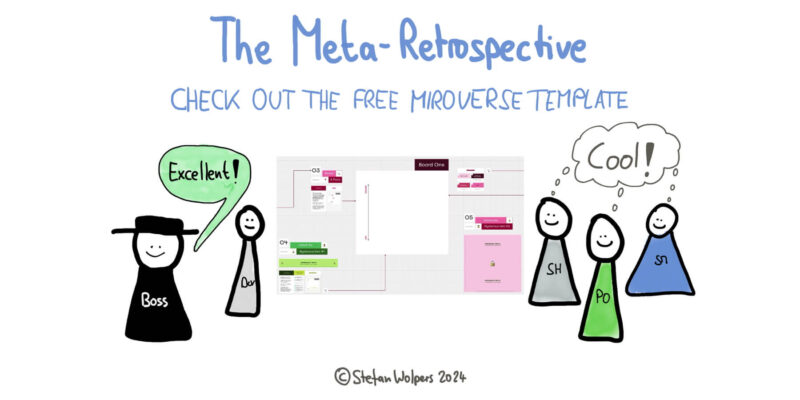
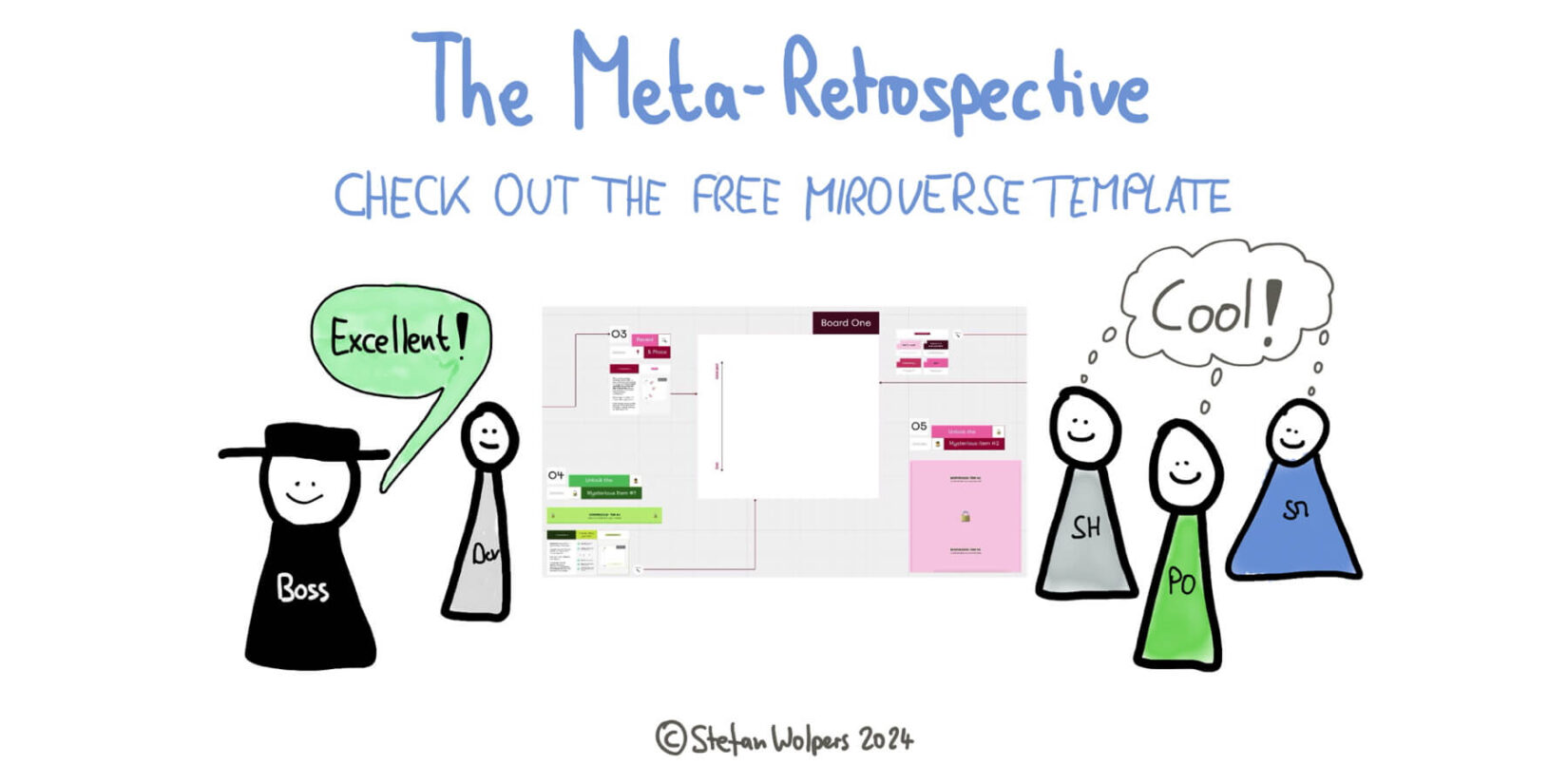
The Meta-Retrospective — Check Out the Free Miroverse Template

TL; DR: The Meta-Retrospective

The Meta-Retrospective is an excellent exercise to foster collaboration within the extended team, create a shared understanding of the big picture, and immediately create valuable action items. It comprises team members of one or several product teams—or a representative from those—and stakeholders. Participants from the stakeholder side are people from the business as well as customers. Meta-Retrospectives are useful both as a regular event, say once a quarter, or after achieving a particular milestone, for example, a specific release of the product.

Read more on how to organize such a Meta-Retrospective and do not forget to check out the free Miro Meta-Retrospective template.

The Meta-Retrospective — Check Out the Free Miroverse Template — Age-of-Product.com
Continue reading The Meta-Retrospective — Check Out the Free Miroverse Template