Food for Agile Thought #467: Messy Product Management, Agile Goldrush, PM’s Untimely Death, Toyota Kata A-Z

TL; DR: Messy Product Management — Food for Agile Thought #467

Welcome to the 467th edition of the Food for Agile Thought newsletter, shared with 42,944 peers. This week, John Cutler explores the adaptive nature of messy product management, emphasizing real-world learning over fixed roles, while Scott Ambler critiques Agile’s “gold rush,” urging a move away from certifications and frameworks toward genuine improvement. Allan Kelly reflects on Art Kleiner’s Age of Heretics, highlighting Agile’s enduring influence despite early transformation failures. Research from Aaron De Smet, Gemma D’Auria, et al. underscores the value of trust and collaboration over “superstar” individuals for team success, and Andy Cleff shares Bob Anderson’s insights on advancing leadership beyond reactive mindsets as essential for true Agile transformation.

Next, Joe Procopio cautions against AI-driven standardization, arguing that real product managers are needed to revive customer-centered innovation, and Noa Ganot offers a three-step approach for maintaining strategic alignment in bottom-up planning, ensuring initiatives align with larger goals. In a podcast, Jason Knight and Jas Shah challenge the “CEO of the product” myth, describing product management as unglamorous and marked by coordination challenges and limited authority. Also, Thijs Morlion and Bart Schroyen introduce a seven-layer model to bridge silos, promoting a collaborative, purpose-driven approach to product development.

Lastly, Jonatan Kruszewski debunks the myth of “zero tech debt,” advocating for manageable debt to enhance delivery and business alignment. Douglas Squirrel and Jeffrey Fredrick delve into Toyota Kata, illustrating how Improvement and Coaching Kata elevate team quality and delivery. Paul Grew introduces a Monte Carlo tool to refine Scrum forecasting, though he emphasizes that data quality and judgment are key. Moreover, Deirdre Cerminaro unpacks systems thinking, presenting mindsets for reframing complex problems. Finally, Dan Shipper suggests that product creation thrives on dynamic, sequence-based thinking over fixed needs, fostering genuine customer engagement through experimentation.
Food for Agile Thought #467: Messy Product Management, Agile Goldrush, PM’s Untimely Death, Toyota Kata A-Z — Age-of-Product.com
Continue reading Food for Agile Thought #467: Messy Product Management, Agile Goldrush, PM’s Untimely Death, Toyota Kata A-Z

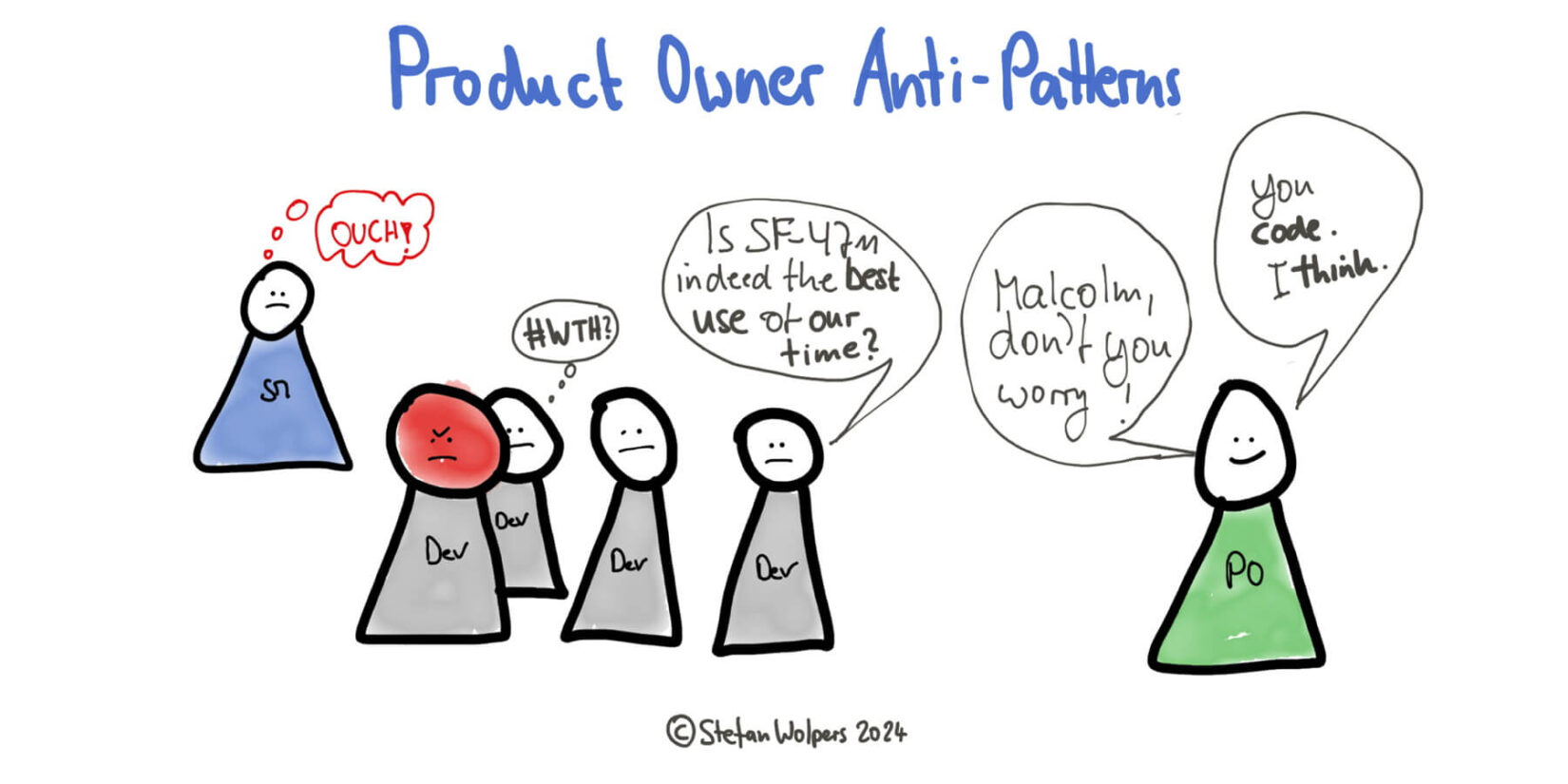
Product Owner Anti-Patterns — 33 Ways to Improve as a PO

TL; DR: Product Owner Anti-Patterns

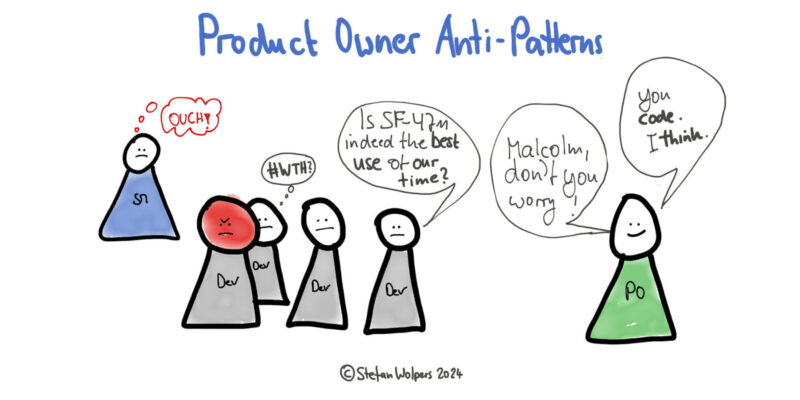
No other role in Scrum can contribute to mediocre outcomes like the Product Owner—garbage in, garbage out—and it does not matter whether that’s due to incompetence, neglect, disinterest, or failure to collaborate. Moreover, no Product Owner is the “Mini-CEO” of the product, entitled to make lone decisions. Scrum is a team sport; there are no loners in a successful Scrum Team where collaboration and alignment are prerequisites for success.

A Product Owner prone to making lone decisions is in danger of loving their solution over the customers’ problems. Consequently, collaborating and aligning with their teammates on the Product Goal and the Product Backlog is a proven risk-mitigation strategy for Product Owners. This is a testament to Scrum’s built-in checks and balances, particularly now that the product operating model receives more attention.

Product Owner Anti-Patterns — 33 Ways to Improve as a PO — Age-of-Product.com
Continue reading Product Owner Anti-Patterns — 33 Ways to Improve as a PO

Food for Agile Thought #466: Product Discovery Guide, Competitive Research Guide, Agile Fatigue, Fuzzy Product Strategy

TL; DR: Product Discovery Guide — Food for Agile Thought #466

Welcome to the 466th edition of the Food for Agile Thought newsletter, shared with 42,928 peers. This week’s issue features Afonso Franco in a masterclass with Teresa Torres and Petra Wille, sharing a great product discovery guide, while James Morgan dissects Agile’s limitations, promoting critical thinking over rigidity. John Cutler and Tom Kerwin satirically tackle extreme leadership in “Ultra Founder Mode,” and Lisa Gill highlights self-managing teams’ struggles with autonomy. Also, Wes Kao delves into understanding bureaucrats’ mindsets to foster better collaboration.

Next, David Pereira advocates using AI as a co-pilot to elevate PM effectiveness, while Aatir Abdul Rauf offers a detailed guide to competitive research for B2B SaaS. In an interview with Aakash Gupta, George Harter shares his approach to understanding users, and Melissa Perri provides strategies for achieving clarity amid ambiguous company visions.

Lastly, Itamar Gilad shares practical techniques for fostering a strong decision-making culture using clear roles and evidence-based approaches. Moreover, Ant Murphy shares his observations about John Cutler’s prioritization course, which is focused on urgency. Gregor Ojstersek discusses the importance of metrics like DORA and SPACE, and Evan Armstrong emphasizes storytelling and psychology in influencing leadership. Finally, Cedric Chin explores how business frameworks intersect with human nature through lessons from Sam Zemurray’s banana trade success.

Food for Agile Thought #466: Product Discovery Guide, Competitive Research Guide, Agile Fatigue, Fuzzy Product Strategy - Age-of-Product.com
Continue reading Food for Agile Thought #466: Product Discovery Guide, Competitive Research Guide, Agile Fatigue, Fuzzy Product Strategy

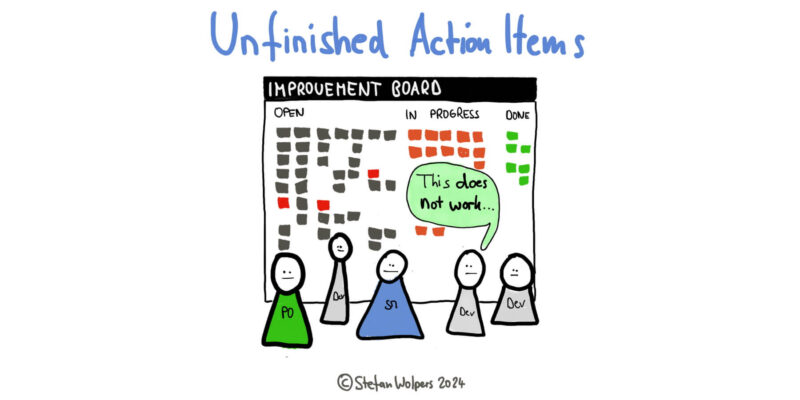
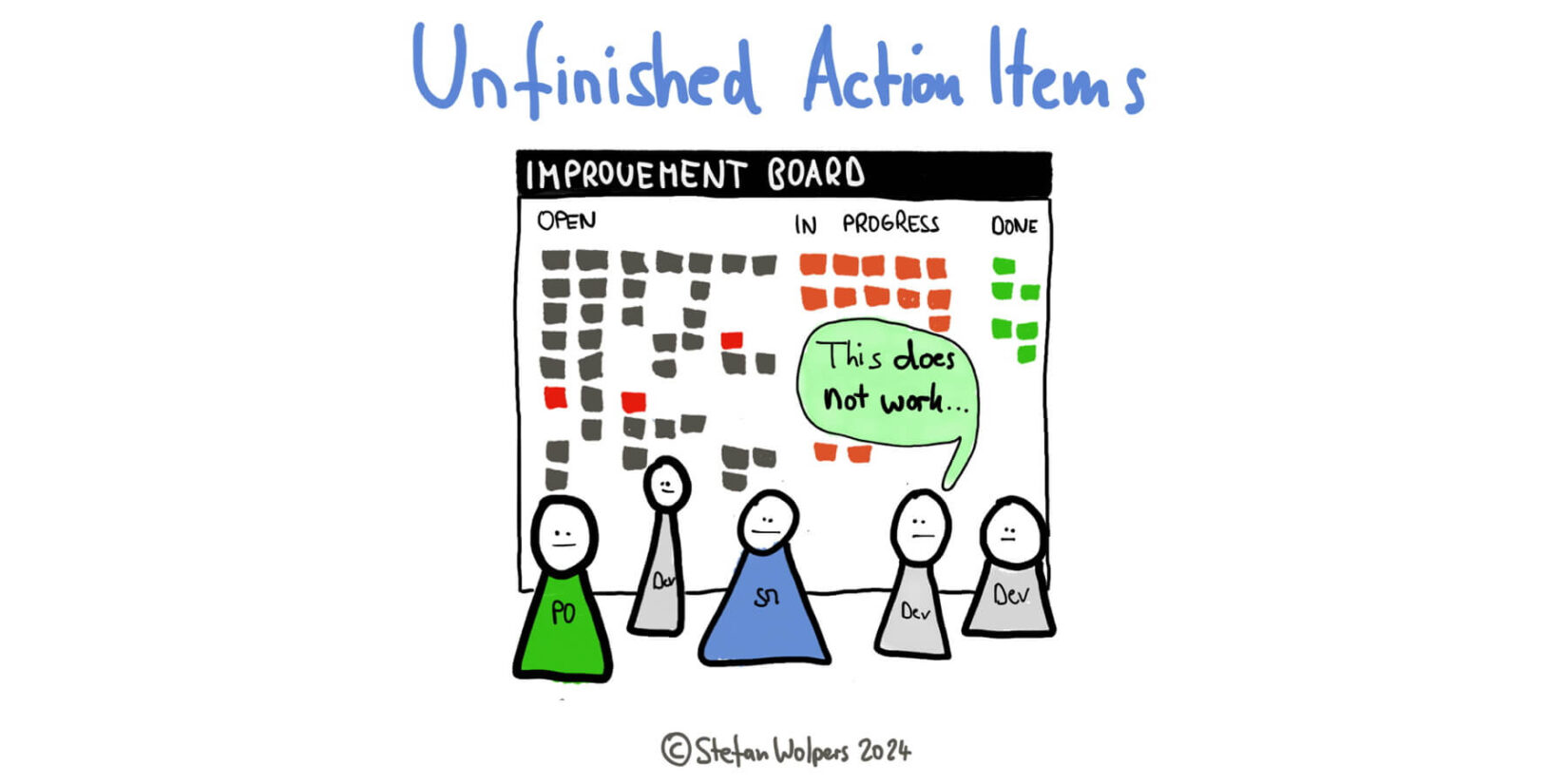
Ditch the Unfinished Action Items: How to Make Retrospectives Lead to Real Change

TL; DR: Unfinished Action Items: How to Make Retrospectives Useful

If your team consistently creates action items during Retrospectives but rarely completes them, you’re not alone. Unfinished action items are a major productivity killer and lead to stalled progress. This article highlights five actionable practices to ensure Retrospective tasks get done, including limiting action items in progress, assigning clear ownership, and adding a review of the progress in every Retrospective.

The key to real improvement isn’t in creating long lists—it’s in following through. By treating Retrospective action items with the same importance as other Sprint tasks, your team can finally break the cycle of unfinished improvements and see real, beneficial change, individually and at the team level.

Ditch the Unfinished Action Items: How to Make Retrospectives Lead to Real Change and Stop Spinning Wheels — Age-of-Product.com.
Continue reading Ditch the Unfinished Action Items: How to Make Retrospectives Lead to Real Change

Food for Agile Thought #465: Reverse Product Roadmap, Productwashing, Bossless Organizations, Framework Fever

TL; DR: Reverse Product Roadmap — Food for Agile Thought #465

Welcome to the 465th edition of the Food for Agile Thought newsletter, shared with 42,913 peers. This week, John Utz promotes a “reverse product roadmap” approach, focusing on feature elimination to simplify products. Mark Graban critiques command-and-control leadership for sabotaging Lean transformations by prioritizing cost-cutting, while Maarten Dalmijn warns against blindly adopting frameworks like SAFe without context. Also, Pim de Morree shares lessons from transforming Indaero into a bossless organization, and Ula Ojiaku highlights the dangers of “framework fever,” advocating for tailored, context-aware methodologies to prevent costly misalignments.

Next, Paolo Lacche introduces “product washing,” where companies falsely claim to implement product management, reducing PMs to powerless roles. Todd Lankford emphasizes delivering value over managing backlogs, offering actionable tips for Product Owners, and Warren Schirtzinger demystifies the misunderstood “crossing the chasm” concept, highlighting critical misapplications. Moreover, Aakash Gupta and Gagan Biyani delve into Maven’s cohort-based learning model, its scalability, the value of Product Management in startups, and long-term career strategies for job seekers.

Lastly, Viktor Cessan outlines how Viafree leveraged a remote Self-Selection process to transition disbanded teams, ensuring smooth integration and maintaining motivation, and Jock Busuttil addresses the backlash against the Spotify Model, emphasizing its evolution and enduring lessons. Eric Brechner shares strategies to avoid knowledge loss when key employees leave, while Soren Kaplan offers actionable steps to manage team conflict. Finally, Jerry Neumann challenges the belief in accelerating technology adoption, exploring the factors that truly influence adoption speed and societal impact.

Food for Agile Thought #465: Reverse Product Roadmap, Productwashing, Bossless Organizations, Framework Fever — Age-of-Product.com
Continue reading Food for Agile Thought #465: Reverse Product Roadmap, Productwashing, Bossless Organizations, Framework Fever

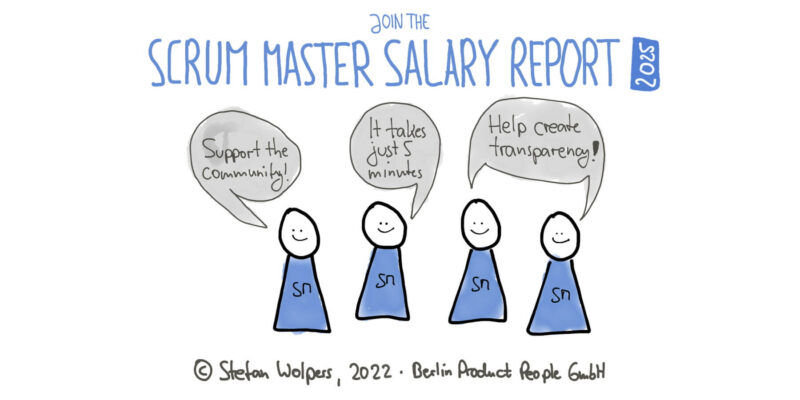
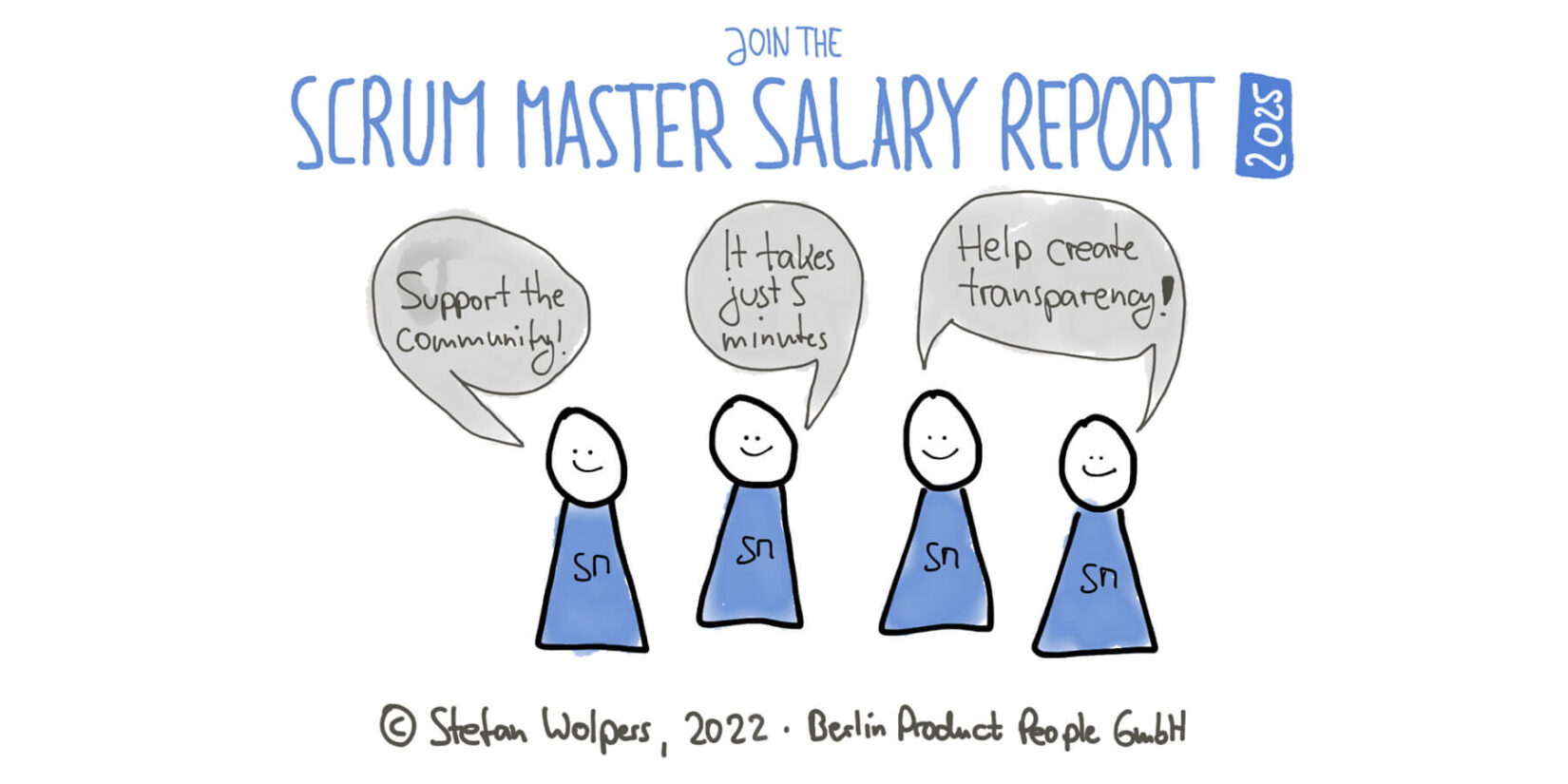
Join the Scrum Master Salary Report 2025 — Let Us Create Transparency

TL;DR: Scrum Master Salary Report 2025 — An Anonymous Poll by the Community for the Community

The purpose of this anonymous Scrum Master salary report is to create a clear, data-backed benchmark that allows everyone in the Agile community to understand whether their compensation is adequate. The report will cover Scrum Masters and Agile Coaches, both employed and freelancing.

The goal is to have at least 1,000 replies by the end of December 2024 to create the report in time for February 2025. The report will be available for free.

Join the Scrum Master Salary Report 2025 — Let Us Create Transparency — Age-of-Product.com

📈 Join the Anonymous Poll for the Upcoming Free Scrum Master Salary Report 2025.

Continue reading Join the Scrum Master Salary Report 2025 — Let Us Create Transparency