TL; DR: Spotify Model Fallacy, Remote Discovery—Food for Agile Thought #239
Welcome to the 239th edition of the Food for Agile Thought newsletter, shared with 26,242 peers. This week, we point again at the Spotify Model fallacy; we understand the importance of empowered engineers to break out of the feature factory paradigm, and we put the org chart into the spotlight, the gateway to realizing change.
We also learn how to continue our product discovery efforts in today’s world of virtual communication; we look at the roots of innovation, and we are relieved that design sprints are open again for business—with a remote working guide from the maestro himself.
Lastly, we embrace an epic list of remote working resources, courtesy of InfoQ.
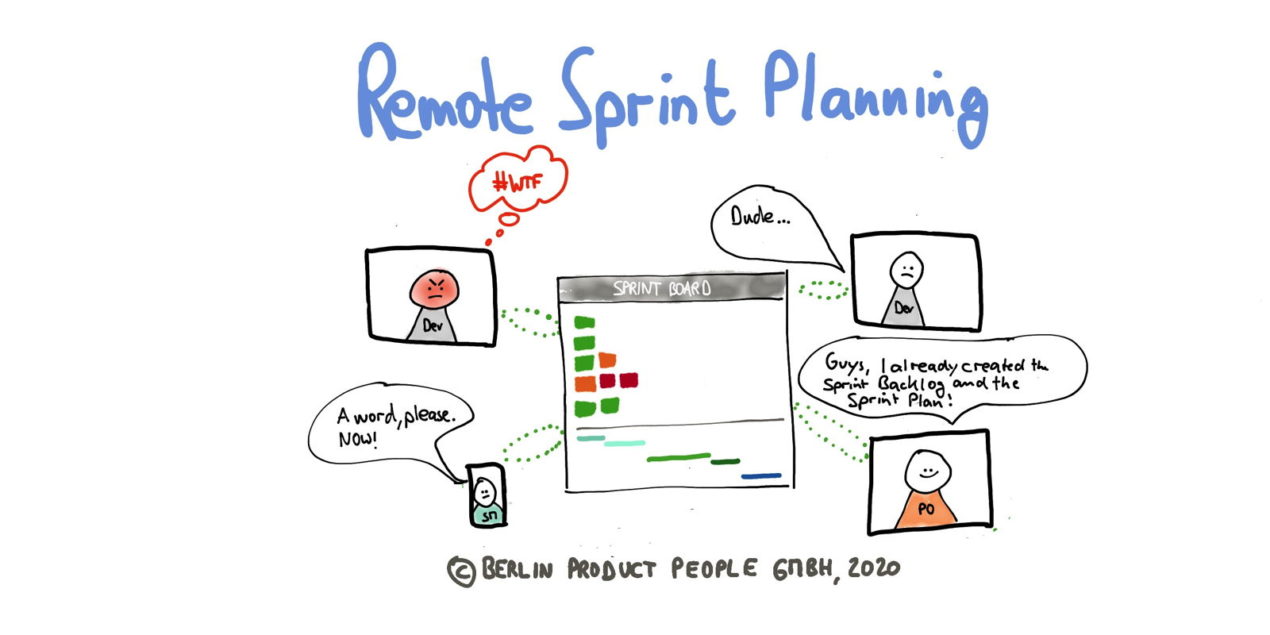
TL; DR: A Remote Sprint Planning with a Distributed Team
We started this series on remote agile with looking into practices and tools, followed by exploring virtual Liberating Structures, and how to master Zoom. We had a look at common remote agile anti-patterns, and we analyzed remote Retrospectives based on Liberating Structures. This sixth article now dives into organizing a remote Sprint Planning with a distributed team: practices, virtual Liberating Structures, and lessons learned.
TL; DR: Development Culture, Levels of Autonomy—Food for Agile Thought #238
Welcome to the 238th edition of the Food for Agile Thought newsletter, shared with 26,169 peers. This week, we delve into the findings of the latest Software Development Culture and Methods Report—spoiler alert: Liberating Structures are becoming something big—; we differentiate between different development levels of distributed organizations, and we learn that Zoom is safe to use despite all of the fear-mongering.
We also explore the differences between Impact Mapping and various other product frameworks; we embrace the idea that product discovery does not require a product team to be co-located, and we revisit the shift of product planning to customer-centricity.
Lastly, we applaud Dave Dame for sharing with us how he navigates the struggles of Cerebral Palsy.
The Remote Agile Guide comprises practices, tools, tips & tricks, and lessons learned on how Scrum Masters, agile coaches, Product Owners, and project managers can create a meaningful virtual work environment for distributed agile teams.
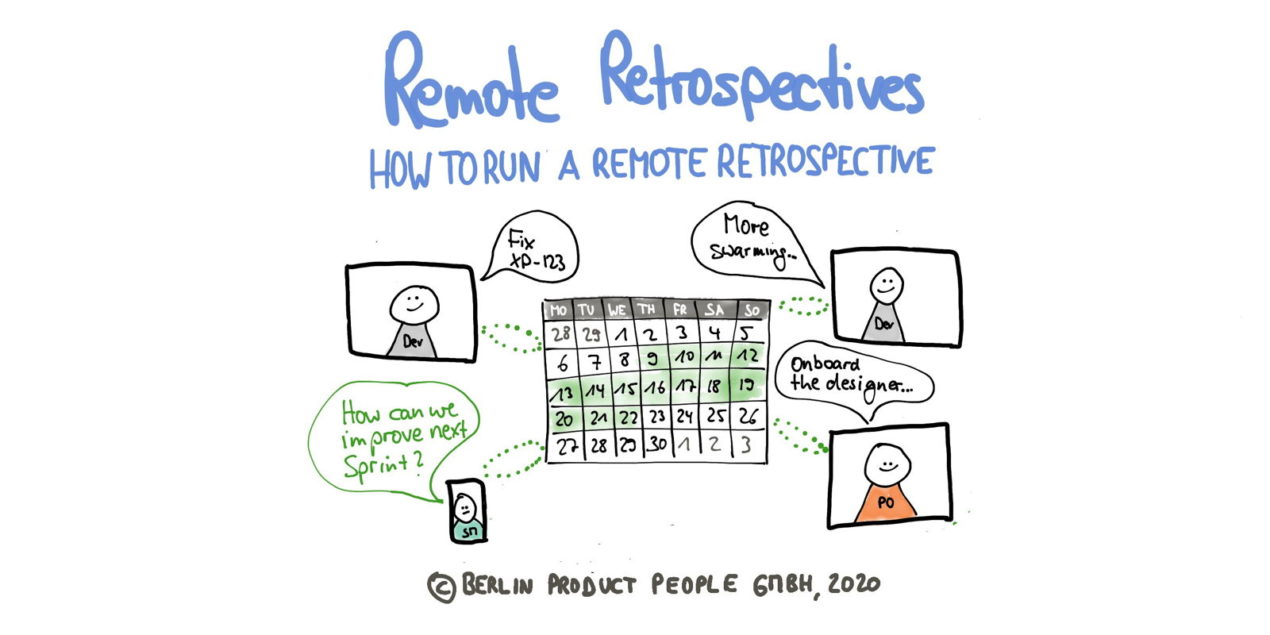
TL; DR: A Remote Retrospective with a Distributed Team
We started this series on remote agile with looking into practices and tools, followed by exploring virtual Liberating Structures, how to master Zoom as well as common remote agile anti-patterns. This fifth article now dives into organizing a remote Retrospective with a distributed team: practices, tools, and lessons learned.
The Agile Movers & Shakers Interview with Author Mark Kilby
Today’s guest is Mark Kilby. Mark is coaching, teaching and writing books on successful distributed agile teams. (Mark co-authored “From Chaos to Successful Distributed Agile Teams: Collaborate to Deliver” with Johanna Rothman.)