Overruling the Product Owner? — Making Your Scrum Work #21

TL; DR: Overruling the Product Owner

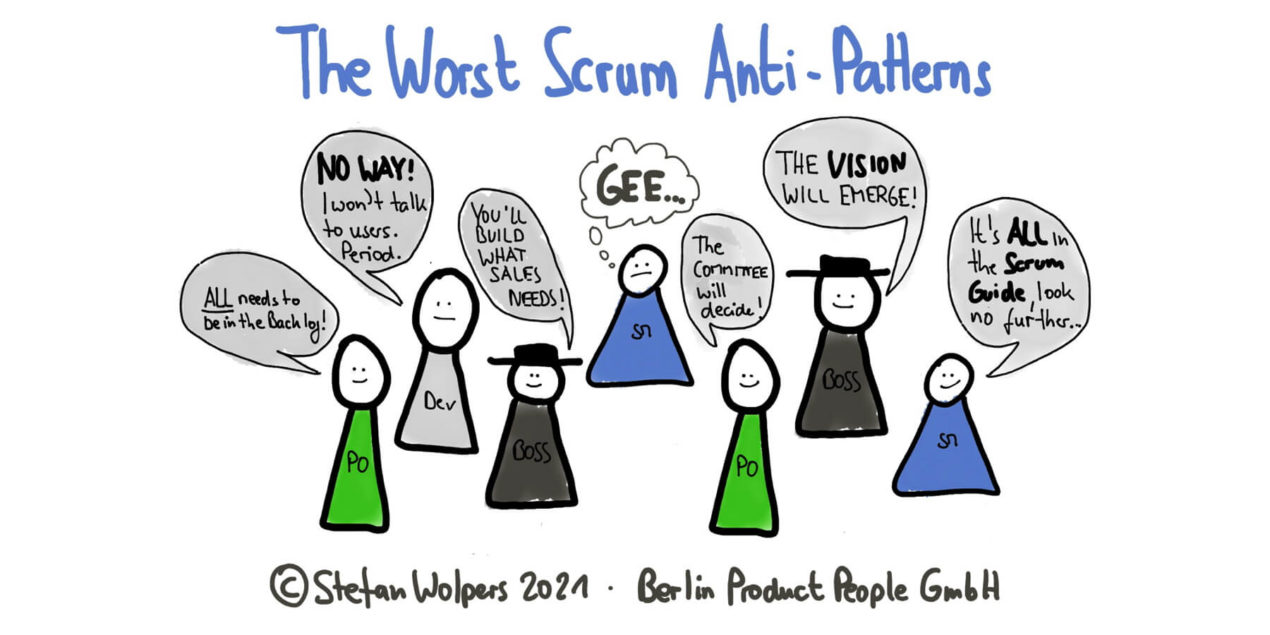
There are plenty of failure possibilities with Scrum. Since Scrum is an intentionally incomplete framework with a reasonable yet short “manual,” this effect should not surprise anyone. For example, what if the stakeholders—who bring the budget that is funding your Scrum team—insist on calling the shots by overruling the Product Owner’s prerogative to define the composition and the ordering the Product Backlog? What if your stakeholders suffer from the “my budget, my feature” syndrome?

Join me and delve into the effects of overruling the Product Owner in less than 140 seconds.

Overruling the Product Owner? — Making Your Scrum Work #21 — Age-of-Product.com
Continue reading Overruling the Product Owner? — Making Your Scrum Work #21

Scrum Questions: Seven Simple Issues and Complex Answers from LinkedIn Polls

TL; DR: Scrum Questions: Seven Simple Issues and Complex Answers

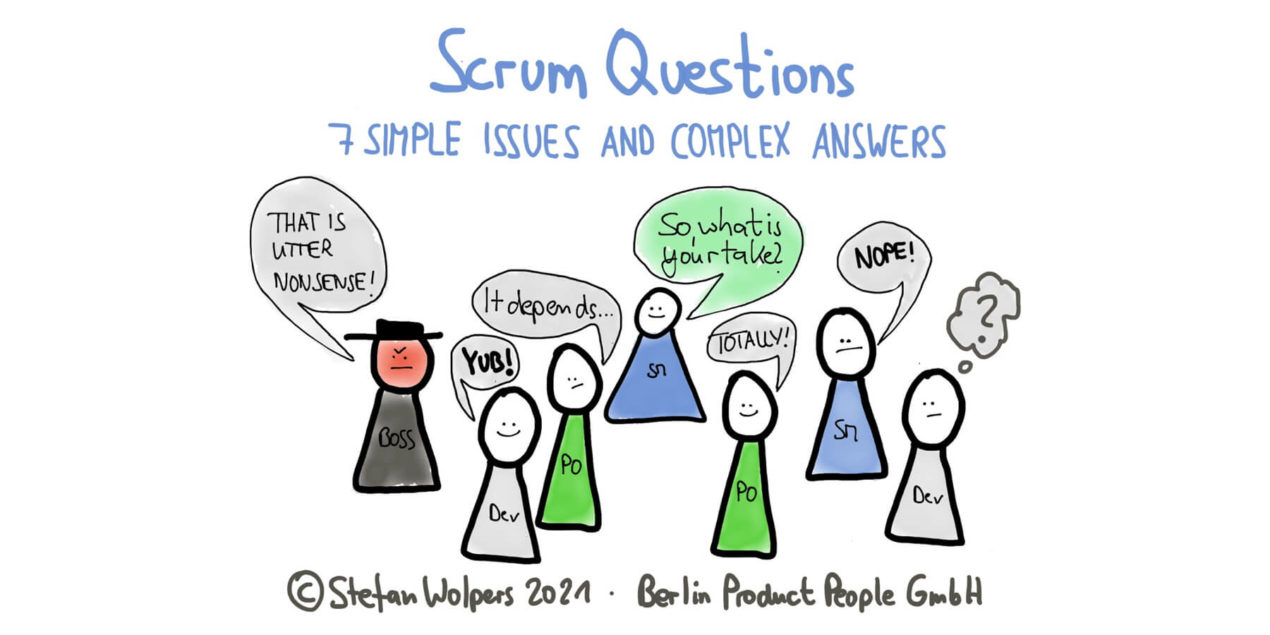
How hard can Scrum be; the manual has 13 pages? You may have heard something along this line from skeptics in the past, dismissing the complex nature of an intentionally incomplete framework. The point is that exciting discussions happen when you start digging a bit deeper. Supposedly simple Scrum questions often return a broad spectrum of answers, ideas, and opinions.

Therefore, for some months now, I have run polls on LinkedIn. The polls address topics like the implications of self-management, how the management or corporate hierarchy fits into the picture, and the relationship between Scrum and agile coaching.

Let me share some of the controversial findings and discussions with you. As always, there are no simple answers in complex environments.

Scrum Questions: Seven Simple Issues and Complex Answers from LinkedIn Polls — Age-of-Product.com
Continue reading Scrum Questions: Seven Simple Issues and Complex Answers from LinkedIn Polls

Scrum: The Obsession with Commitment Matching Velocity

TL; DR: The Obsession with Commitment Matching Velocity

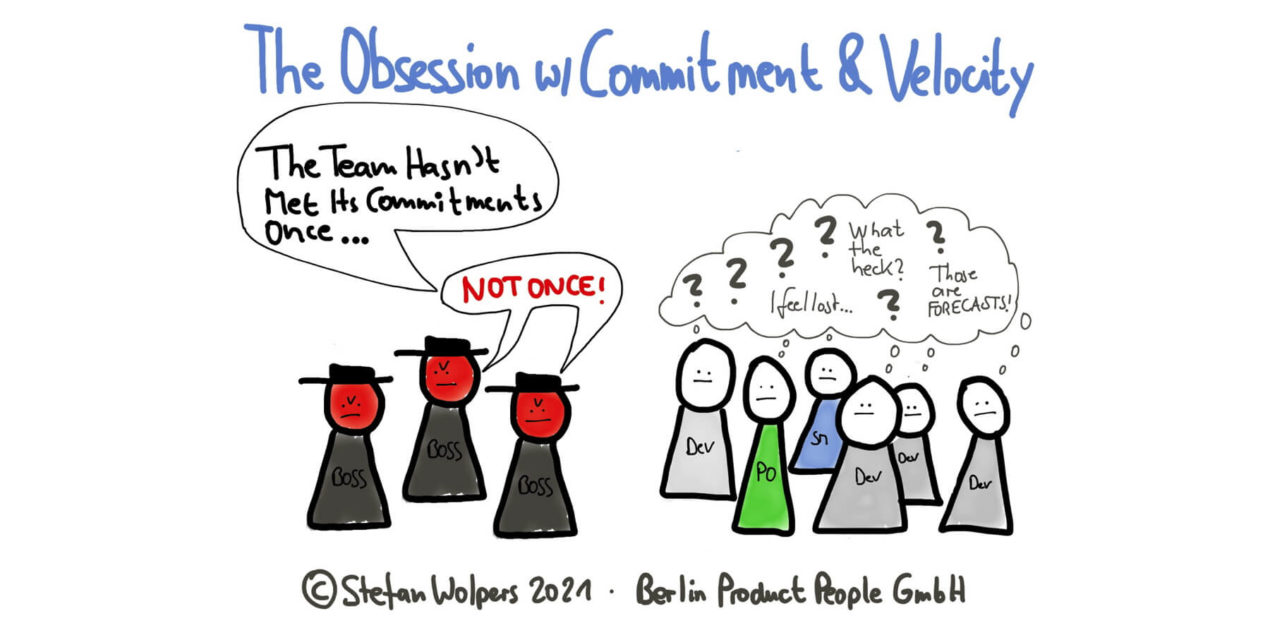
Despite decades-long efforts of the whole agile community—books, blogs, conferences, webinars, videos, meetups; you name it—we are still confronted in many supposedly agile organizations with output-metric driven reporting systems. At the heart of these reporting systems, stuck in the industrial age when the management believed it needed to protect the organization from slacking workers, there is typically a performance metric: velocity.

In the hands of an experienced team, velocity might be useful a team-internal metric. But, when combined with some managers’ wrong interpretation of commitment, it becomes a tool of oppression. So when did it all go so wrong?

Scrum: The Obsession with Commitment Matching Velocity — Age-of-Product.com
Continue reading Scrum: The Obsession with Commitment Matching Velocity

Hiring: 92 Scrum Product Owner Interview Questions to Avoid Agile Imposters

TL; DR: 92 Product Owner Interview Questions to Avoid Imposters

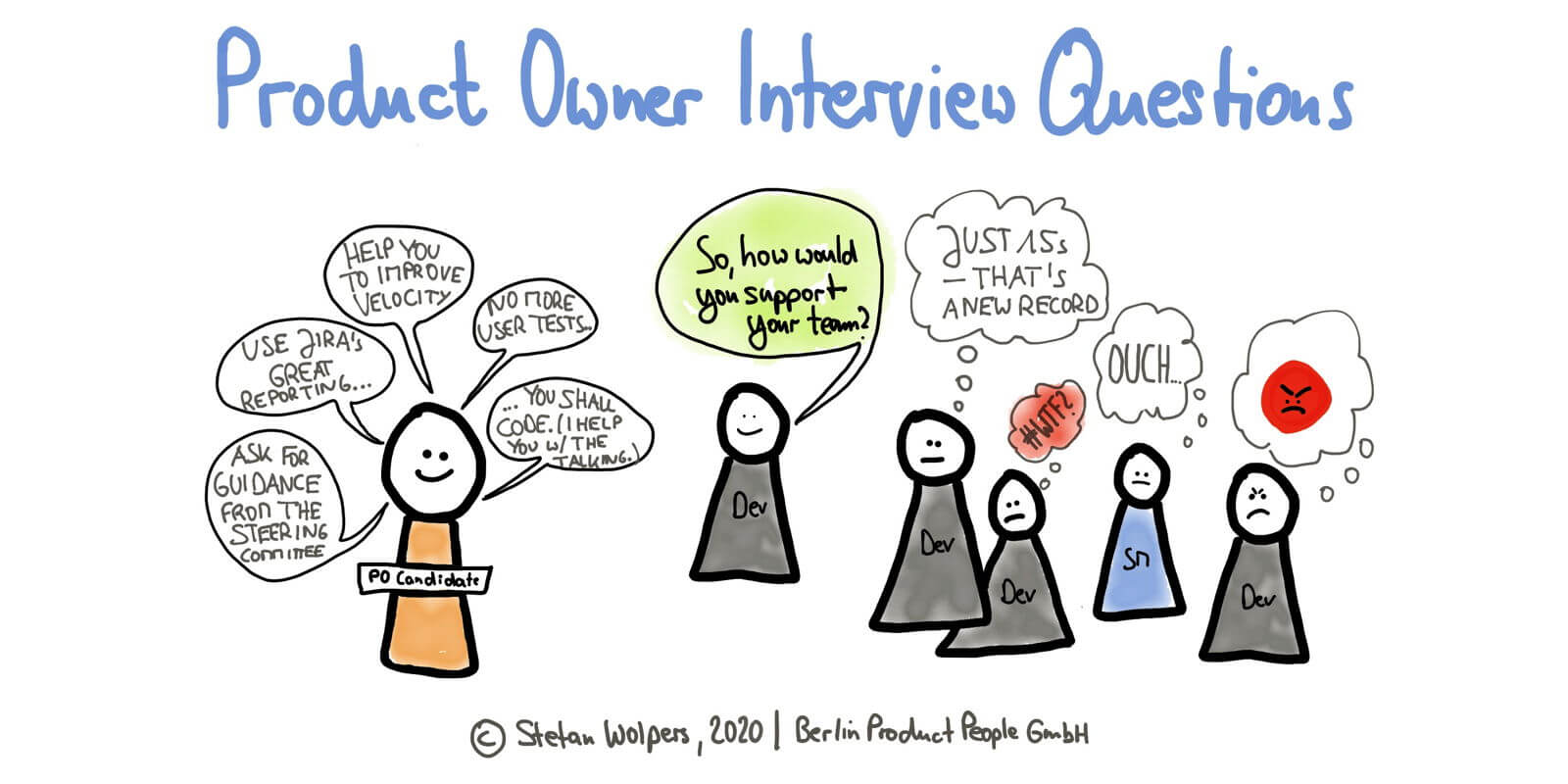
If you are looking to fill a position for a Product Owner in your organization, you may find the following 92 interview questions useful to identify the right candidate. They are derived from my sixteen years of practical experience with XP and Scrum, serving both as Product Owner and Scrum Master and interviewing dozens of Product Owner candidates on behalf of my clients.

So far, this Product Owner interview guide has been downloaded more than 10,000 times.

82 Product Owner Interview Questions to Avoid Imposters — Age-of-Product.com
Continue reading Hiring: 92 Scrum Product Owner Interview Questions to Avoid Agile Imposters

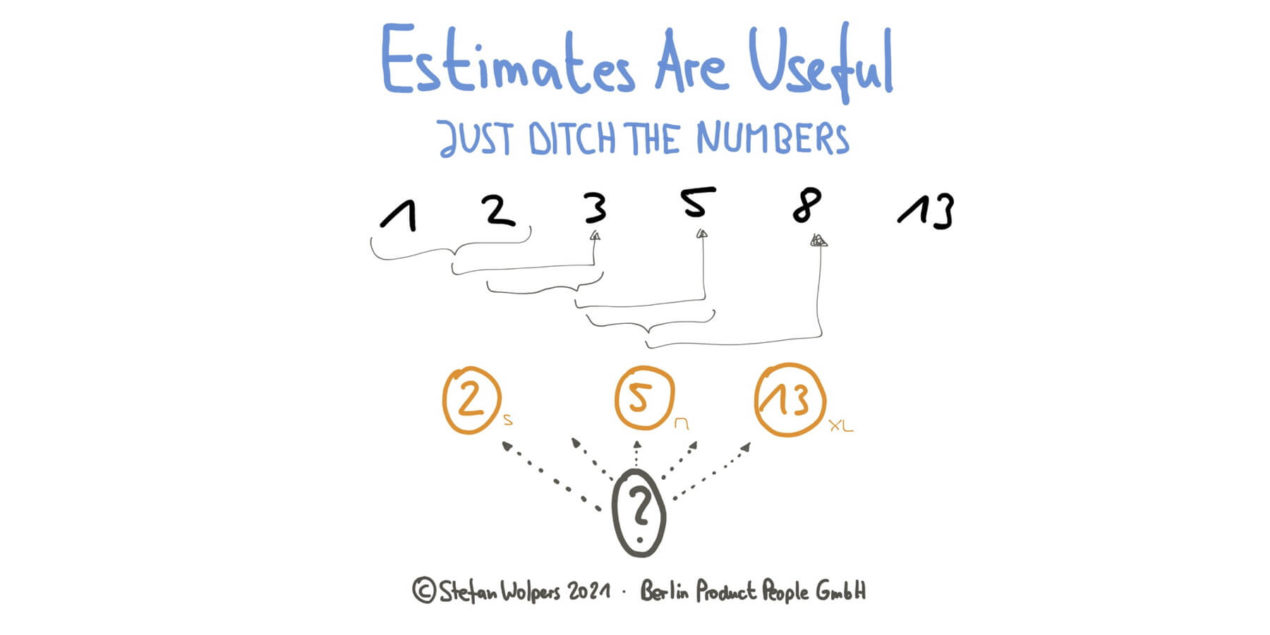
Estimates Are Useful, Just Ditch the Numbers

TL; DR: Estimates Are Useful, Just Ditch the Numbers

Many people dislike estimating work items as estimates supposedly open the path to the misuse of velocity by the managers, reintroducing Taylorism, micro-management, and excessive reporting through the backdoor. To them, for example, the proponents of #noestimates, estimates conflict with basic ideas of agile product development such as self-management, becoming outcome-focused, or leaving the feature factory for good.

I like to suggest a different, less ideological approach: estimates are useful at the team level, just ditch the numbers. How so? Estimation of work items is a fast way for a Scrum team to figure out whether all team members are on the same page regarding the why, the what, and the how of the upcoming work. The numbers are a mere side-effect, probably still valid to inform the team, though. (Indeed, the numbers are not intended to be used beyond the team level.)

Estimates Are Useful, Just Ditch the Numbers — Scrum Master Survival Guide — Age-of-Product.com

By the way, similar to the fact that you cannot “not communicate,” I am convinced that people will always “estimate,” whether they talk about it or not.

Continue reading Estimates Are Useful, Just Ditch the Numbers