TL; DR: Scrum Master Interview Questions on How to Make Your Scrum Master Fail
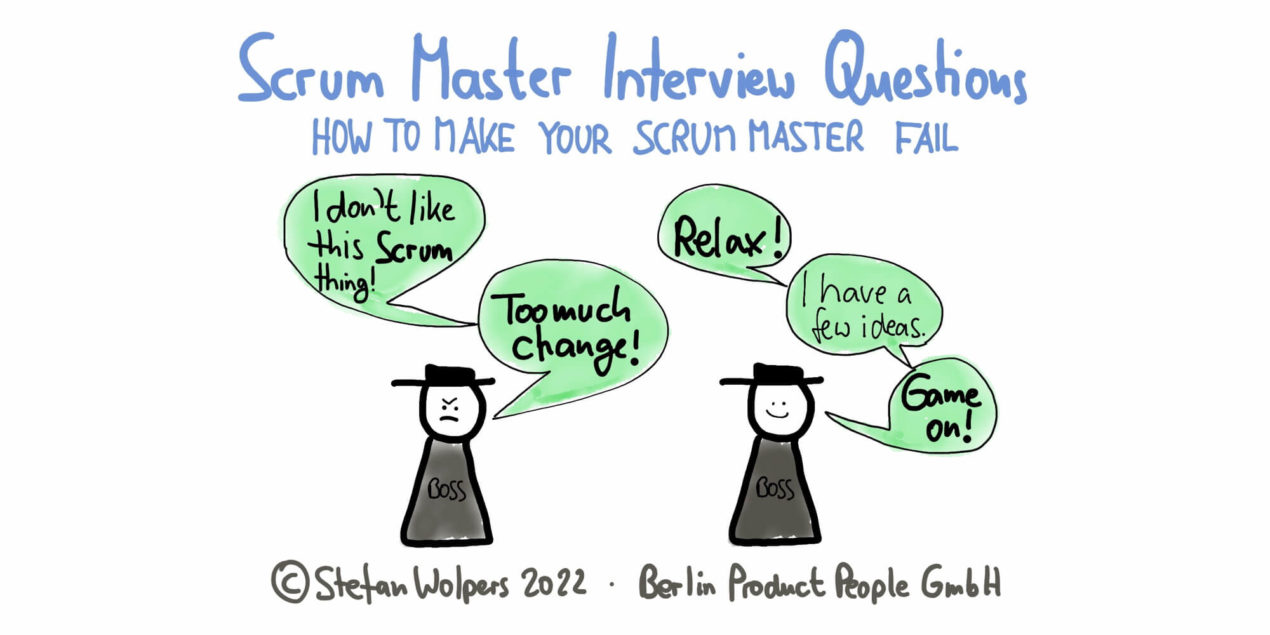
Scrum has proven time and again to be the most popular framework for software development. Given that software is eating the world, a seasoned Scrum Master is nowadays in high demand. And that demand causes the market entry of new professionals from other project management branches, probably believing that reading one or two Scrum books will be sufficient. Which makes any Scrum Master interview a challenging task. A good starting point, though, is to ask a candidate to walk in the shoes of an imaginary opponent trying to make the Scrum Master fail by culturally accepted means.
Suppose you are looking to fill a Scrum Master (or agile coach) position in your organization. In that case, you may find the following interview questions helpful to identify the right candidate. They are derived from my sixteen years of practical experience with XP and Scrum, serving both as Product Owner and Scrum Master, and my training experience as a Professional Scrum Trainer with Scrum.org. Also, I have interviewed dozens of Scrum Master candidates on behalf of my clients.
So far, this Scrum Master interview guide has been downloaded more than 22,000 times.
TL; DR: Scrum 2022 — Getting You Started as Scrum Master or Product Owner
Probably, you are considering how to further your Scrum Master career or Product Owner career in 2022. Maybe, I can support you in that regard with a set of articles, documents, and LinkedIn polls I authored that proved to be the most popular in 2021. They range from Product Owner and Scrum Master interview questions to a variety of Scrum anti-patterns to the most engaging polls on seemingly simple questions on “agile” in general and Scrum in particular. All articles feature free ebooks that delve into the problems and provide hands-on advice on how to solve them. Good luck with Scrum 2022—just stick to first principles!
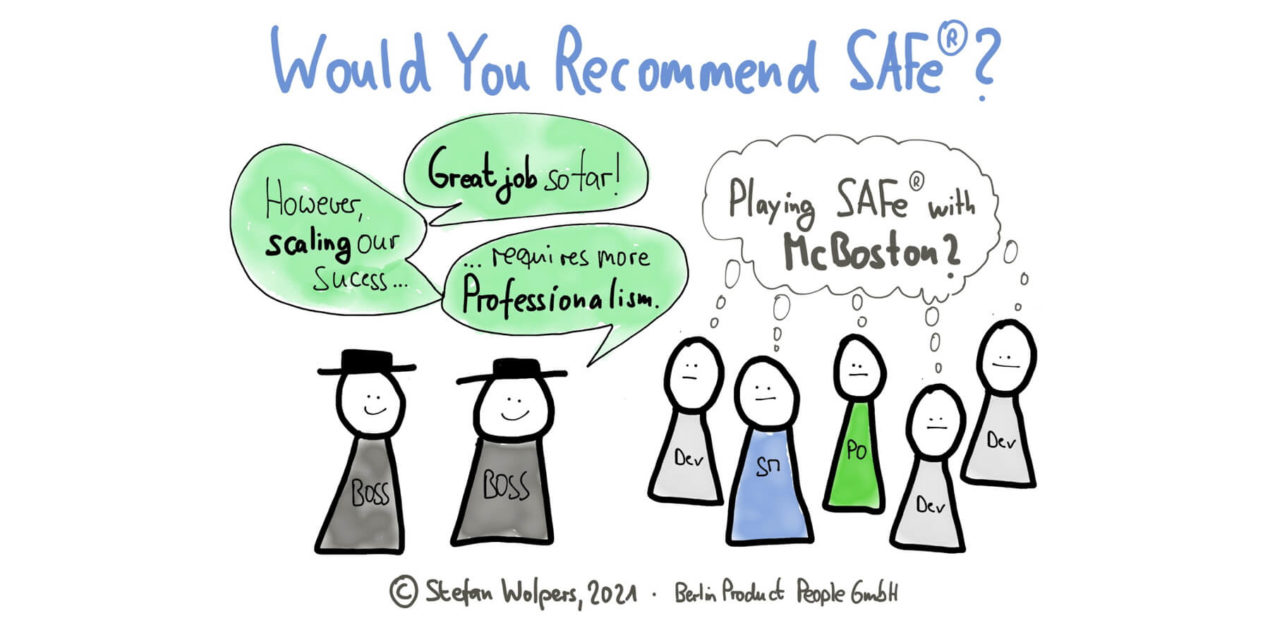
SAFe® has always been a controversial topic within the agile community. Therefore, back in 2017, I ran a survey on the Net Promoter Score® of the Scaled Agile Framework SAFe®. The result back then was -52. Four and a half years later, I believe it is time to rerun the poll: SAFe® has been through several iterations, and many more agile practitioners have experienced working with it. Moreover, the question still is: Would you recommend SAFe ®?
If you can spare five minutes of your time, please join the community effort and participate in the 2022 SAFe® survey.
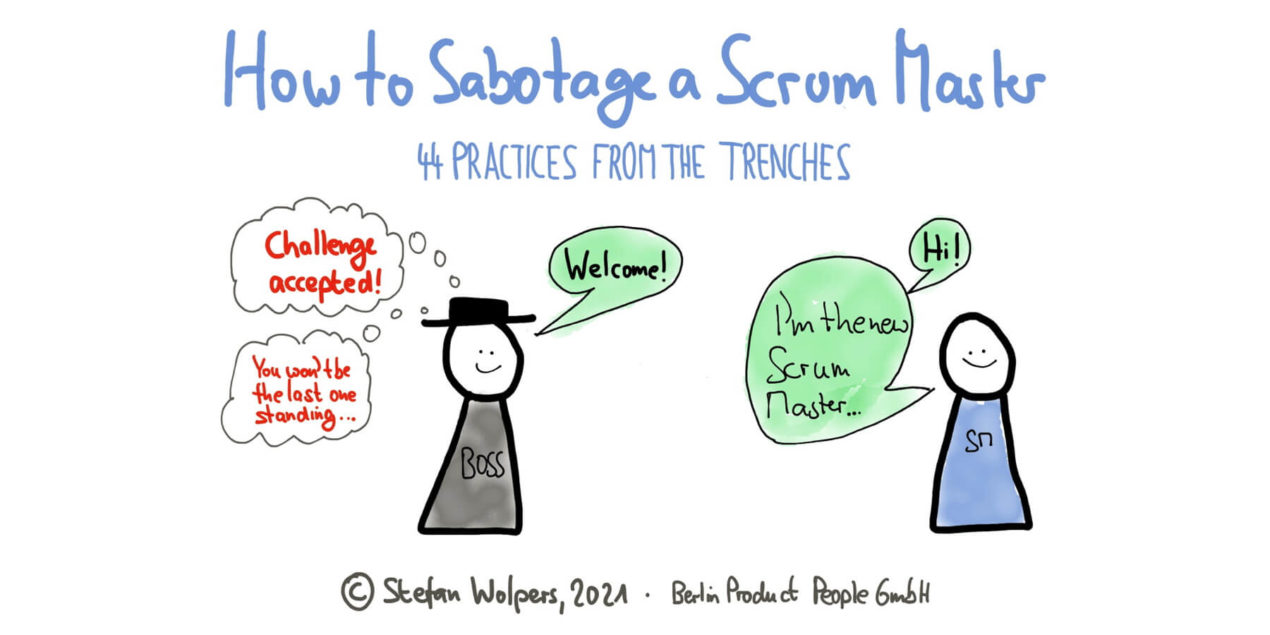
TL; DR: How to Sabotage A Scrum Master — 44 Anti-Patterns from the Trenches to Avoid
One of my favorite exercises from my Professional Scrum Master classes is how to best sabotage a Scrum Master as a member of the middle management. The exercise rules are simple: You’re not allowed to use any form of illegal activity. So, outsourcing the task to a bunch of outlaws is out of the question. Instead, you are only allowed to use practices that are culturally acceptable within your organization.
Read on and learn more on how to best sabotage a Scrum Master from the exercise results of more than ten PSM I and PSM II classes. (I slightly edited the suggestions for better readability.)
TL; DR: Designing Powerful Questions with Daniel Stillman
Powerful Conversations are the environment that drives change. Learn from Daniel Stillman how designing powerful questions helps you coach, create, connect, and lead from the 35th Hands-on Agile meetup of October 5, 2021.
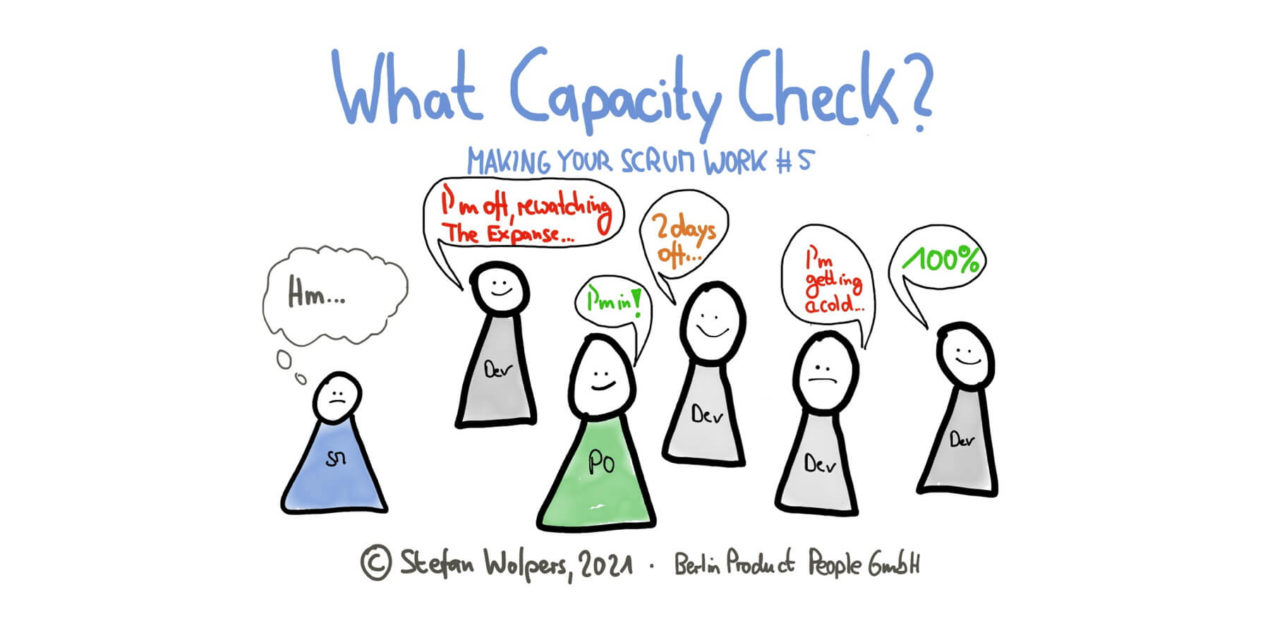
TL; DR: Ignoring the Capacity Check during Sprint Planning
There are plenty of failure possibilities with Scrum. Since Scrum is an intentionally incomplete framework with a reasonable yet short “manual,” this effect should not surprise anyone. For example, the Developers are ignoring a capacity check during the Sprint Planning, and as a result, the Scrum team creates a Sprint Goal that most likely cannot be accomplished.
Join me and delve into the effects of this trust-shattering practice in less than 80 seconds.