TL; DR: The Scrum Master Interview Guide to Identify Genuine Scrum Masters
In this comprehensive Scrum Master Interview guide, we delve into 97 critical questions that can help distinguish genuine Scrum Masters from pretenders during interviews. We designed this selection to evaluate the candidates’ theoretical knowledge, practical experience, and ability to apply general Scrum and “Agile “principles effectively in real-world scenarios—as outlined in the Scrum Guide or the Agile Manifesto. Ideal for hiring managers, HR professionals, and future Scrum teammates, this guide provides a toolkit to ensure that your next Scrum Master hire is truly qualified, enhancing your team’s agility and productivity.
If you are a Scrum Master currently looking for a new position, please check out the “Preparing for Your Scrum Master Interview as a Candidate” section below.
So far, this Scrum Master interview guide has been downloaded more than 25,000 times.
After covering the anti-patterns of the Scrum Master, the Product Owner, and the stakeholders, this article addresses Scrum Developer anti-patterns, covering all Scrum Events and the Product Backlog artifact. Continue reading and learn more about what to look out for if you want to support your teammates who build the Increment.
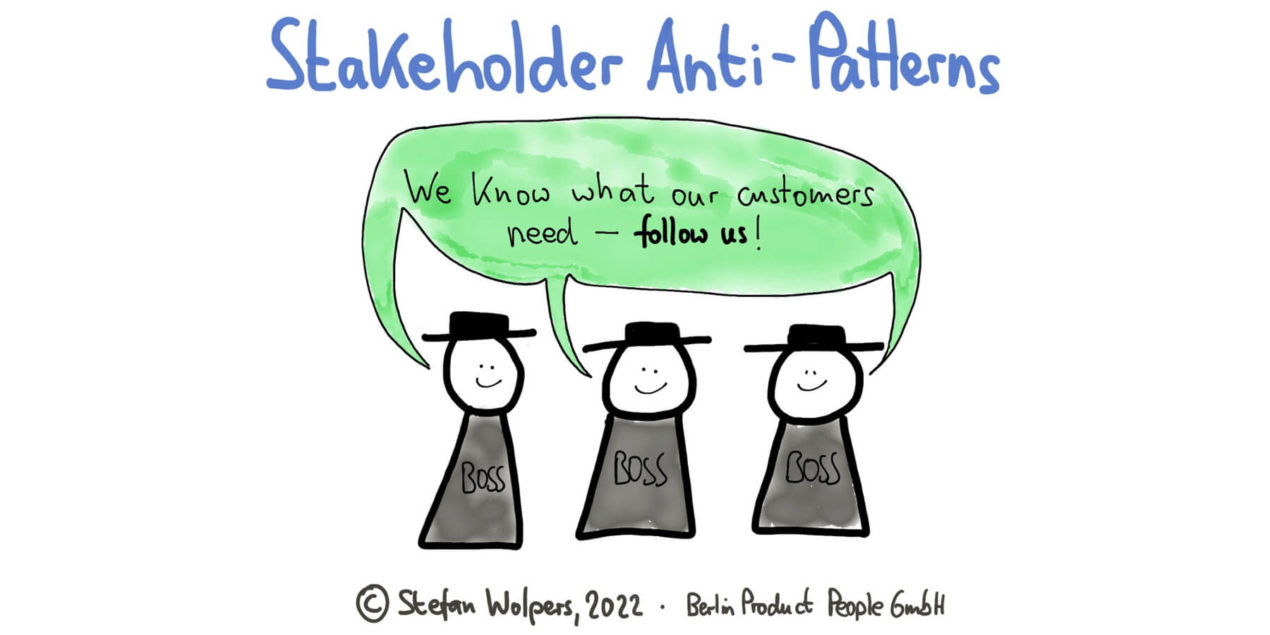
Learn how individual incentives and outdated organizational structures — fostering personal agendas and local optimization efforts — manifest themselves in Scrum stakeholder anti-patterns that easily impede any agile transformation to a product-led organization.
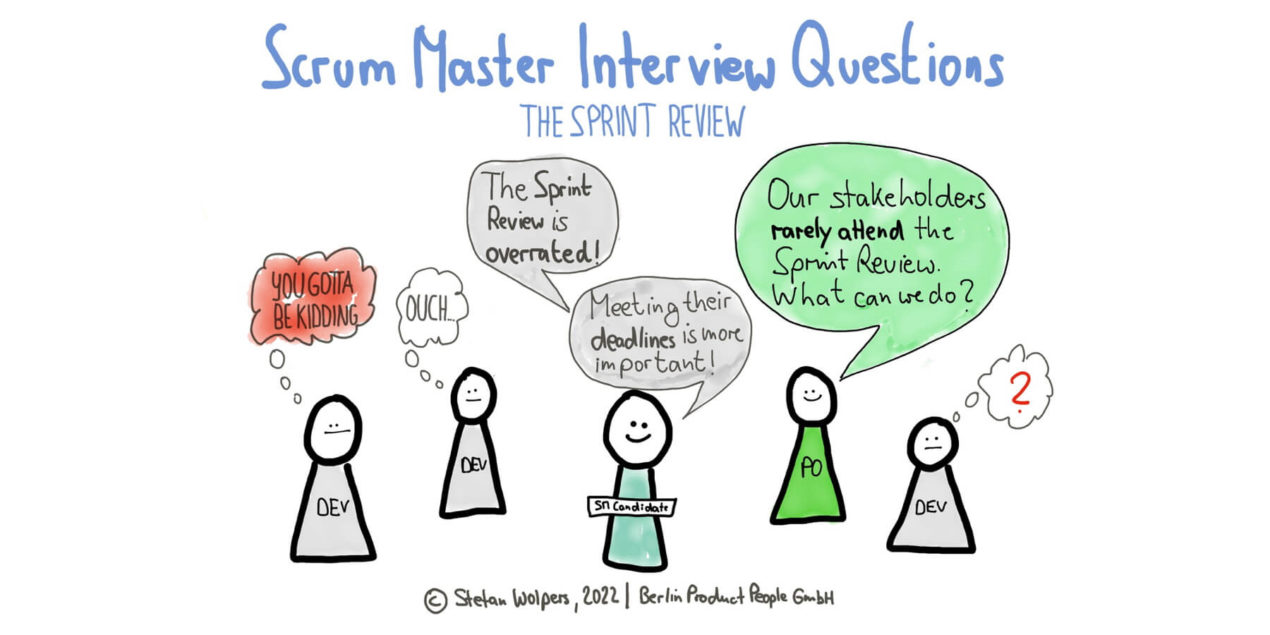
Are we still on track to accomplish the Product Goal? Moreover, how did the previous Sprint contribute to our Scrum team’s mission? Answering these questions and adapting the Product Backlog in a collaborative effort of the Scrum Team with internal and external stakeholders is the purpose of the Sprint Review. Given its importance, it is worthwhile to tackle the most common Sprint Review anti-patterns.
What event could better embody Scrum’s principle of empiricism than the Sprint Retrospective? I assume all peers agree that even the simplest form of a Retrospective—if only held regularly—is far more helpful than having a fancy one once in a while, not to mention having none. Moreover, I am convinced there is always room for improvement; just avoid dogmatism. Hence, learn more about 21 common Sprint Retrospective anti-patterns that will hold back your Scrum team.