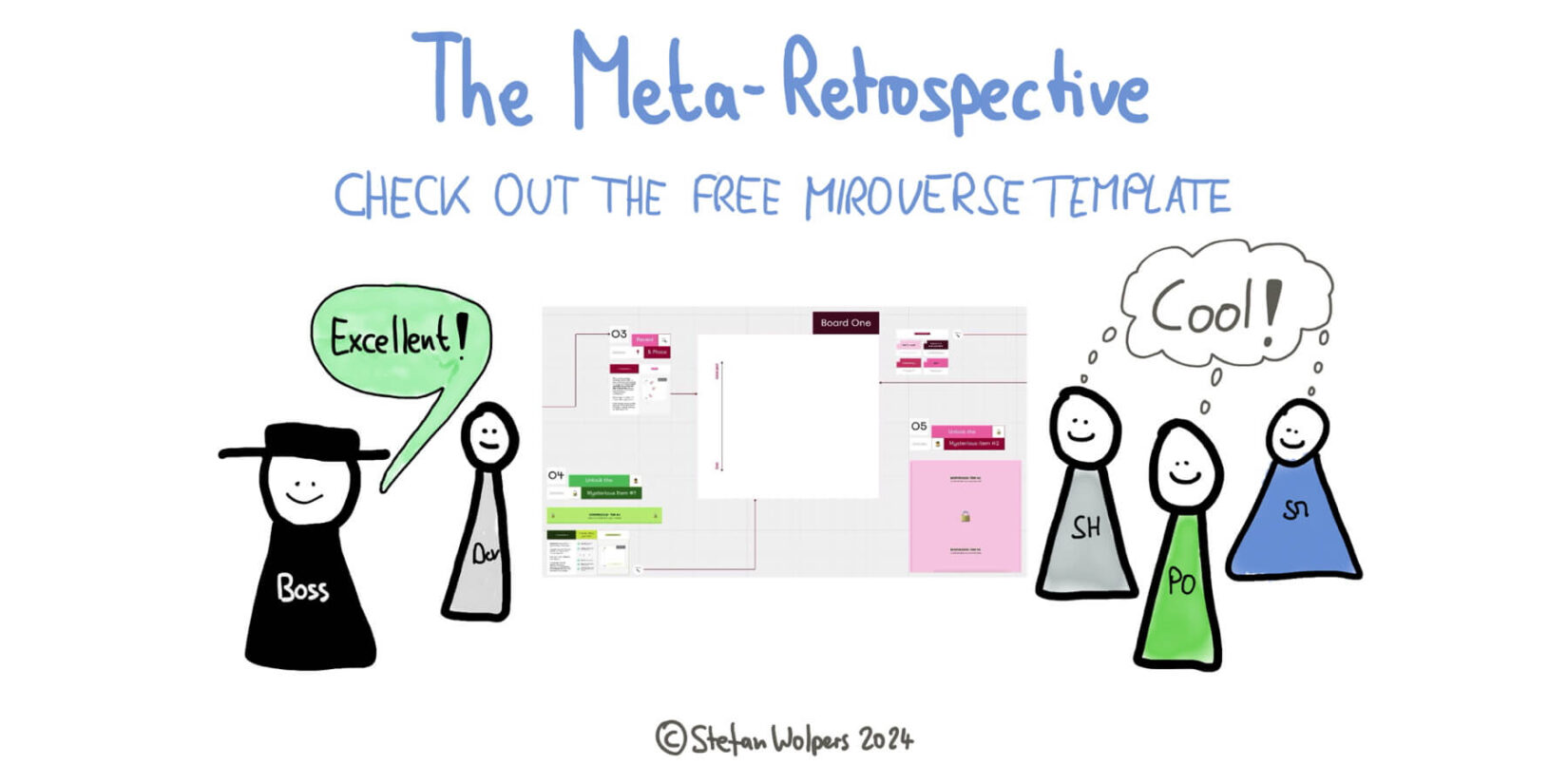
The Meta-Retrospective is an excellent exercise to foster collaboration within the extended team, create a shared understanding of the big picture, and immediately create valuable action items. It comprises team members of one or several product teams—or a representative from those—and stakeholders. Participants from the stakeholder side are people from the business as well as customers. Meta-Retrospectives are useful both as a regular event, say once a quarter, or after achieving a particular milestone, for example, a specific release of the product.
TL; DR: Top Five Rookie Mistakes by Self-Proclaimed Scrum Masters
Are you struggling with imposter syndrome as a new Scrum Master? Avoid five common rookie mistakes Scrum Masters make. Instead, discover how to set clear Sprint Goals, build trust, balance metrics, and empower your team to make independent decisions.
Don’t let early missteps define your journey. Learn from these mistakes and transform them into stepping stones towards mastery. By understanding and addressing these pitfalls, you’ll gain confidence, enhance your leadership skills, and truly embody the principles of Scrum.
This article provides actionable insights and practical exercises to help you grow from a beginner into an effective and respected Scrum Master.
Combining the roles of Product Owner and Scrum Master in one individual is a contentious topic in the Agile community. A recent LinkedIn poll, see below, revealed that 54% of respondents consider this unification useless, while 30% might accept it in rare moments.
This blog post explores the implications of merging these roles, emphasizing the importance of distinct responsibilities and the potential pitfalls of combining them. We also consider exceptions where this approach might be temporarily justified and analyze the insightful comments from industry professionals.
TL; DR: Toyota Kata Coaching with Fortune Buchholtz
Business and academic leaders advocate coaching as crucial for growth. In Agile, diverse methods like GROW and OSKAR thrive, yet Toyota Kata Coaching emerges as a standout for its simplicity and effectiveness.
In this Hands-on Agile Meetup of May 7, 2024, Fortune Buchholtz explores its potential as a superior Agile coaching tool. Whether confirming its benefits or broadening your coaching repertoire, the recording offers valuable insights.
by Stefan Wolpers|Agile and ScrumAgile TransitionWorkshops
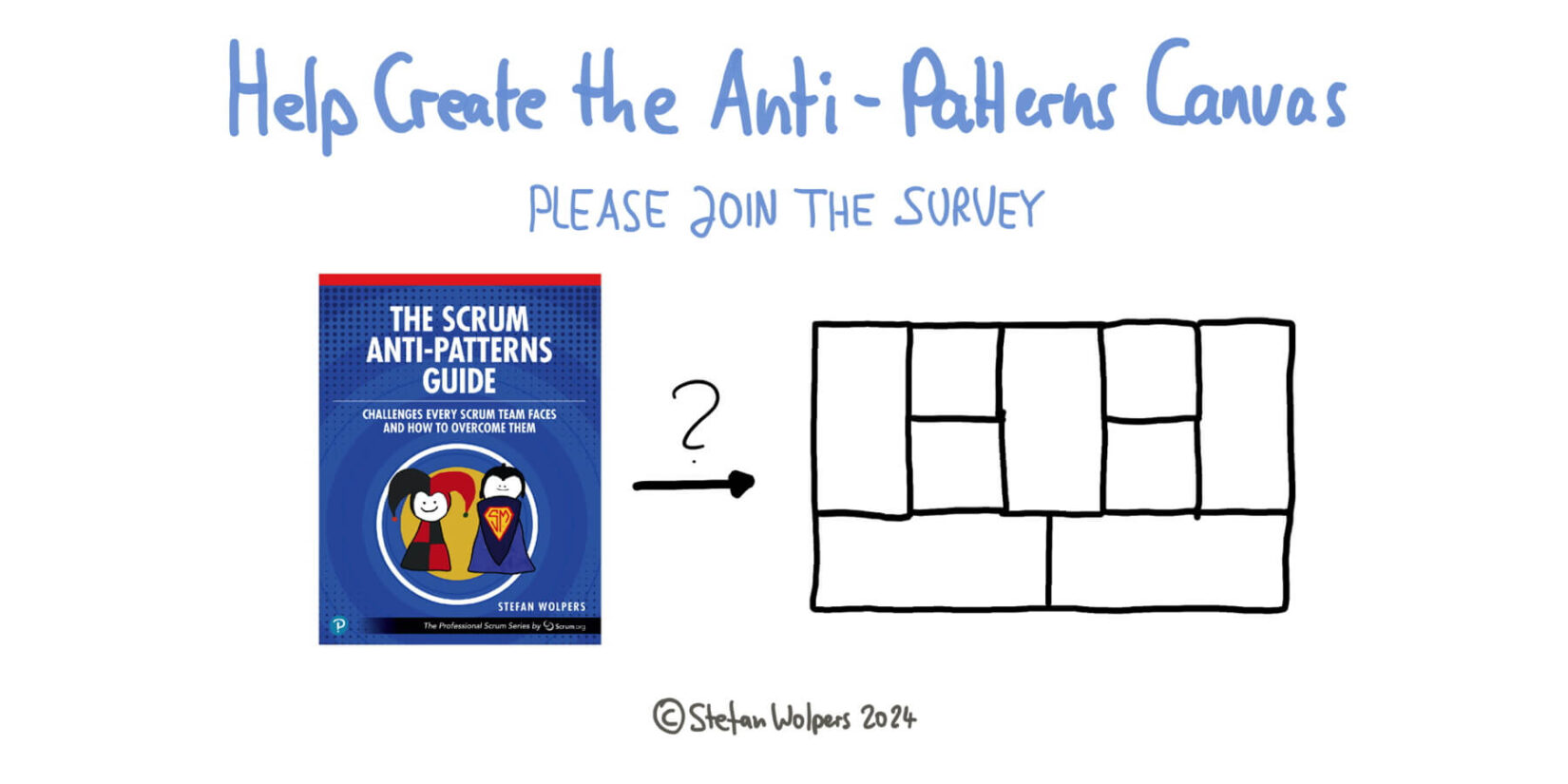
TL; DR: Introducing the “Anti-Patterns Canvas”
Join me in developing the Anti-Patterns Canvas, a dynamic and free tool that extends the insights of the “Scrum Anti-Patterns Guide” book. Share your expertise through the survey, see below, and test-drive tools, practices, and exercises through a series of upcoming Hands-on meetups. In other words, help me create a resource that enhances agile practice and value creation.
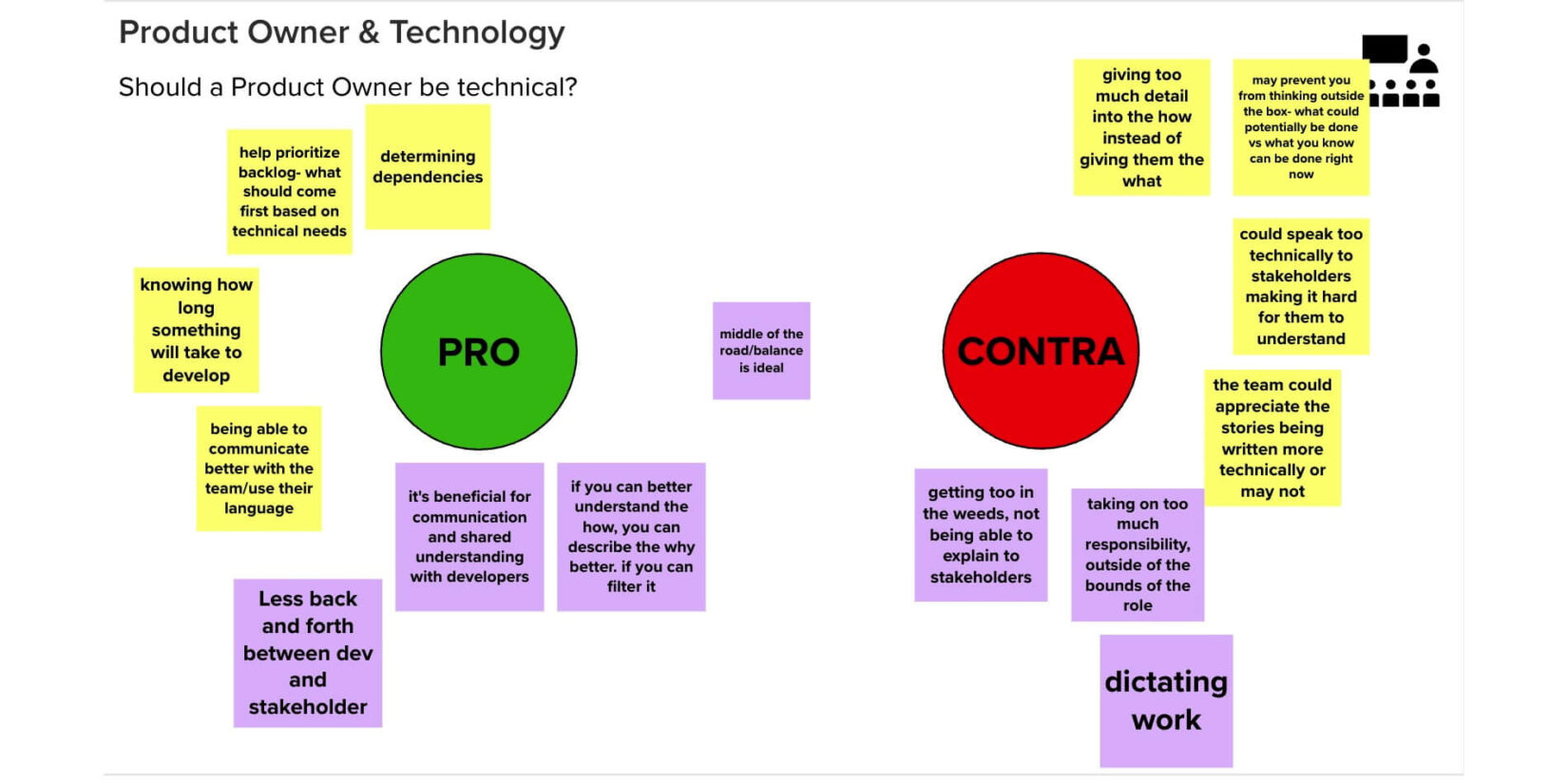
Dive deep into the benefits—or the lack thereof—of the technical Product Owner (or product manager) and their profound impact on teams, customer satisfaction, and organizational success. Uncover when their technical acumen is a game-changer, a nice-to-have, or probably detrimental.